
Dust Caps for Wheel Bearings: Essential Protection for Your Vehicle
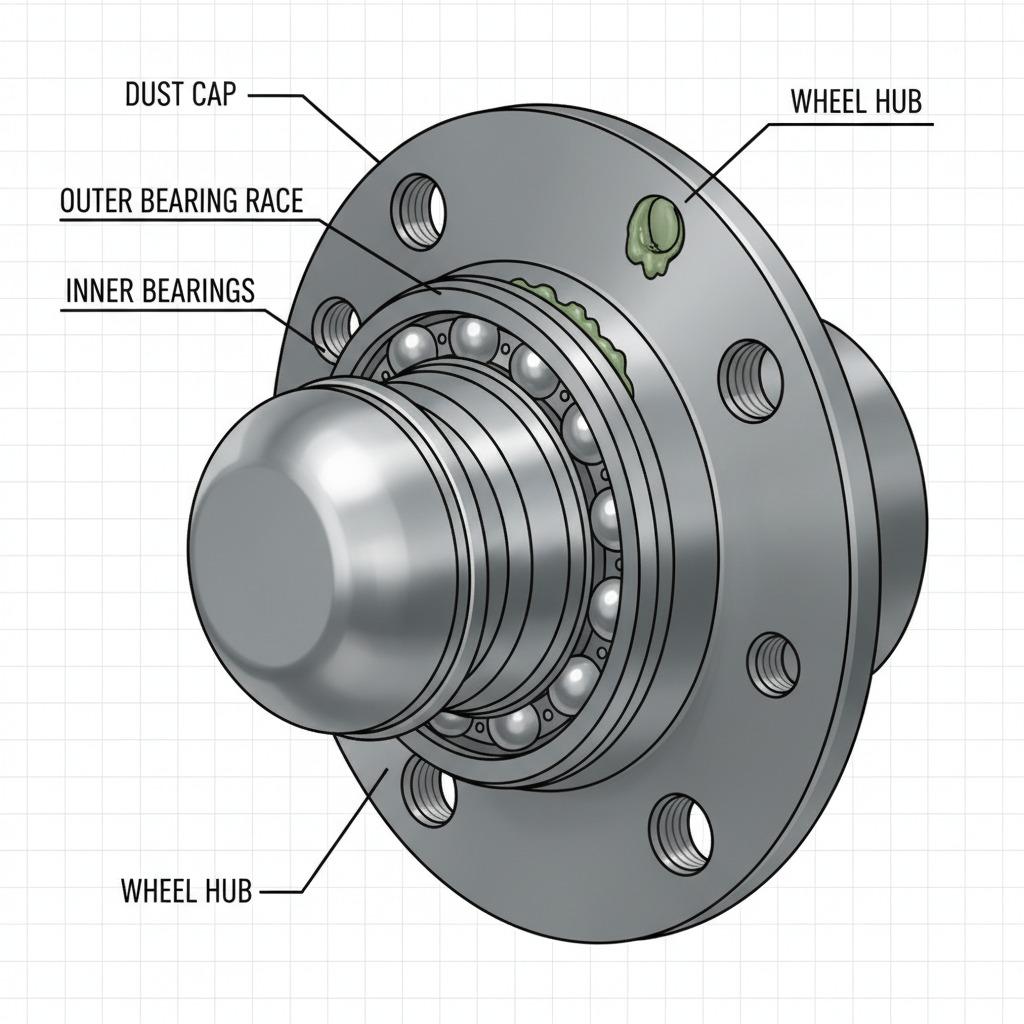
When it comes to maintaining your vehicle's performance and longevity, dust caps for wheel bearings play a crucial role in safeguarding these vital components from environmental hazards. These small yet mighty protectors are designed to shield wheel bearings from dust, dirt, moisture, and other contaminants that can lead to premature wear and failure. By choosing the right dust caps for wheel bearings, drivers can ensure smoother rides, reduced maintenance costs, and enhanced safety on the road.
Understanding Wheel Bearing Dust Caps and Their Importance
Wheel bearing dust caps, often referred to interchangeably as dust covers for wheel bearings, are simple covers that fit over the hub assembly to prevent debris from entering the bearing area. In vehicles, wheel bearings allow the wheels to rotate freely with minimal friction, but they are exposed to harsh conditions like road grime, water splashes, and abrasive particles. Without proper protection, these elements can infiltrate the bearings, causing corrosion, increased heat, and eventual breakdown. Protective dust caps for wheel bearings act as a first line of defense, extending the lifespan of the bearings and preventing costly repairs.
The design of wheel bearing dust caps typically includes a durable material like steel or high-grade plastic that can withstand impacts and temperature fluctuations. For instance, metal dust caps for wheel bearings are popular for their robustness, while plastic versions offer lightweight corrosion resistance. Installing these caps is straightforward, often requiring just a press-fit or clip mechanism, making them accessible for DIY enthusiasts. Regular inspection of dust caps for wheel bearings ensures they remain intact, as cracks or dislodgement can compromise their effectiveness.
Types of Dust Covers for Wheel Bearings
There are several varieties of dust covers for wheel bearings available to suit different vehicle types and driving conditions. Standard rubber dust caps for wheel bearings provide flexibility and a tight seal against moisture, ideal for everyday passenger cars. For off-road or heavy-duty applications, reinforced protective dust caps for wheel bearings made from thicker materials offer superior impact resistance. Some advanced models even incorporate grease fittings, allowing for easy lubrication without removing the cap.
Choosing the appropriate wheel bearing dust caps depends on factors such as vehicle make, model, and usage. For example, trucks and SUVs benefit from larger, more rugged dust caps for wheel bearings to handle rough terrains, while compact cars might opt for sleeker, low-profile designs. It's essential to match the cap's diameter and depth to the hub specifications to avoid improper fitting, which could lead to vibrations or noise during operation. Many manufacturers provide color-coded options for easy identification, and some include UV protection for outdoor exposure.
Benefits of Using Protective Dust Caps for Wheel Bearings
Investing in high-quality protective dust caps for wheel bearings yields numerous advantages beyond basic protection. They help maintain optimal bearing lubrication by keeping grease inside and contaminants out, which reduces friction and heat buildup. This not only improves fuel efficiency but also enhances overall vehicle handling and stability. Drivers often report quieter rides and less frequent wheel alignments when using reliable dust covers for wheel bearings.
From a safety perspective, intact wheel bearing dust caps prevent sudden failures that could result in wheel lockup or detachment—scenarios that pose significant risks on highways. Environmentally, these caps contribute to sustainability by prolonging component life and reducing the need for frequent replacements, which cuts down on waste. For fleet operators, the cost savings from preventive maintenance using dust caps for wheel bearings are substantial, often paying for themselves within a single service cycle.
Moreover, modern protective dust caps for wheel bearings are engineered for easy integration with other hub components, such as rotors and calipers. They can withstand speeds up to highway limits without deforming, ensuring reliability during long-distance travel. Regular cleaning of these caps, using mild soap and water, keeps them in top condition and extends their usability.
Installation and Maintenance Tips for Dust Caps for Wheel Bearings
Proper installation is key to maximizing the effectiveness of wheel bearing dust caps. Begin by cleaning the hub area thoroughly to remove any old grease or debris, then align the cap precisely before pressing it into place with a rubber mallet to avoid damage. For dust covers for wheel bearings with sealing lips, ensure they seat fully to create an airtight barrier. It's advisable to torque the lug nuts correctly after installation to prevent loosening, which could shift the cap.
Maintenance involves periodic checks during tire rotations or brake inspections. Look for signs of wear, such as dents, tears, or loose fits in your protective dust caps for wheel bearings. If replacement is needed, select OEM-equivalent parts to maintain warranty compliance and performance standards. Tools like a hub puller or snap-ring pliers can aid in removal without scratching surrounding surfaces.
For those tackling installations at home, online tutorials and vehicle manuals provide step-by-step guidance. Always wear safety gear, including gloves and eye protection, when working near wheels. By following these practices, dust caps for wheel bearings will serve reliably for thousands of miles, contributing to a smoother, safer driving experience.
Common Issues and Troubleshooting for Wheel Bearing Dust Caps
Despite their durability, wheel bearing dust caps can encounter issues like cracking from extreme cold or warping due to heat from braking. If you notice unusual noises, such as grinding or humming from the wheels, it might indicate a compromised dust cap allowing contaminants in. Prompt replacement of dust covers for wheel bearings prevents escalation to full bearing failure, which can cost hundreds in repairs.
Another common problem is improper sizing, leading to air leaks or poor adhesion. To troubleshoot, measure the hub bore accurately and cross-reference with the cap's specifications. In salty winter road conditions, corrosion can affect metal protective dust caps for wheel bearings, so opting for galvanized or coated versions is wise for regions with harsh winters.
Addressing these issues early through visual inspections and cleaning routines ensures longevity. Many auto parts stores offer affordable replacements, and professional mechanics can diagnose underlying problems if symptoms persist.
Choosing the Best Dust Caps for Your Needs
Selecting the ideal dust caps for wheel bearings involves considering quality, compatibility, and price. Look for products from reputable brands that meet or exceed industry standards like SAE or ISO certifications. Customer reviews often highlight real-world performance, such as resistance to popping off during pothole impacts.
For performance vehicles, aerodynamic wheel bearing dust caps reduce drag and improve efficiency. Eco-conscious drivers might prefer recyclable material options in dust covers for wheel bearings. Budgeting around $5 to $20 per cap allows access to premium features without overspending.
In summary, prioritizing protective dust caps for wheel bearings is a smart move for any vehicle owner. They offer unmatched protection, ease of use, and value, ensuring your wheels stay in peak condition mile after mile. By integrating these essential components into your maintenance routine, you'll enjoy a more reliable and enjoyable driving experience.