
Understanding the RF Power Divider
An RF power divider is a fundamental component in radio frequency (RF) systems, designed to split an input signal into multiple output signals with minimal loss and phase distortion. This device ensures that the power is distributed evenly or according to specific ratios, making it indispensable in various communication and testing setups. Whether you're working on wireless networks, radar systems, or satellite communications, the RF power divider serves as the backbone for efficient signal management.
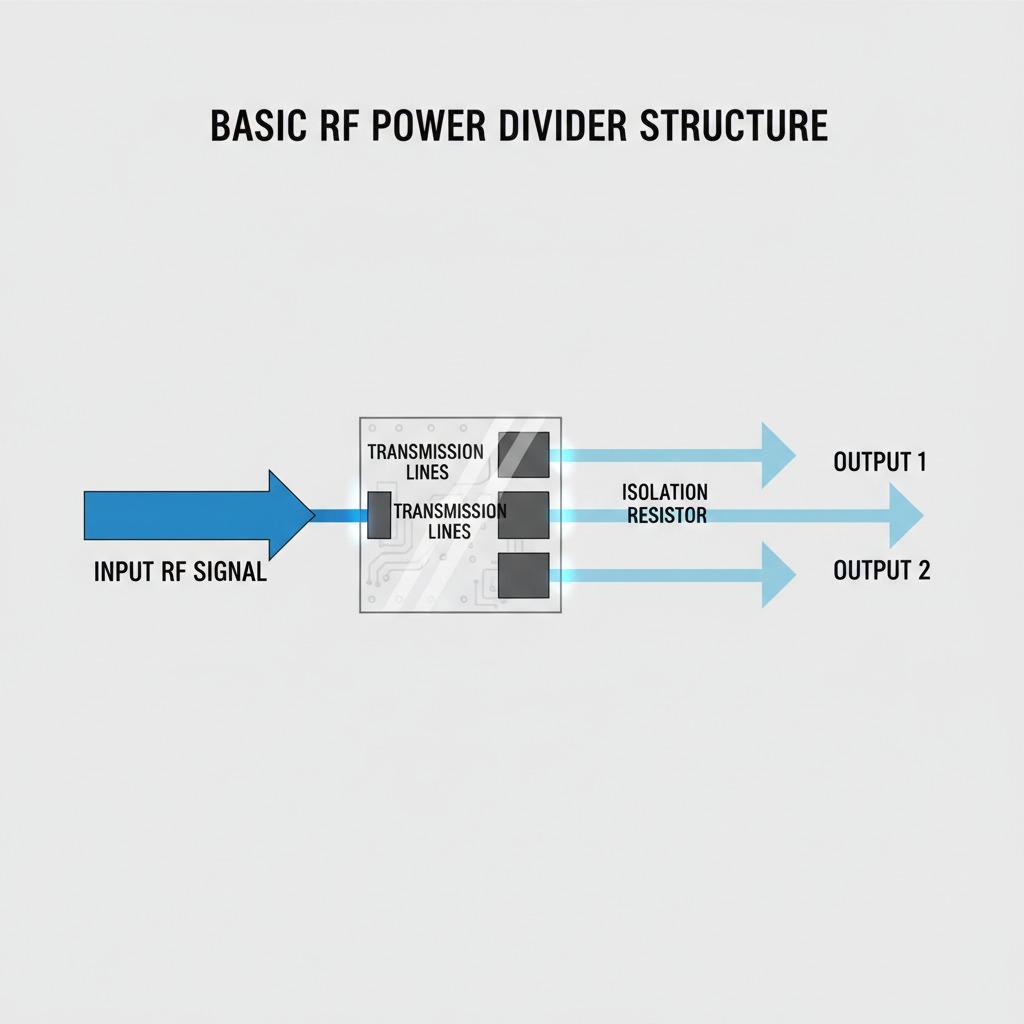
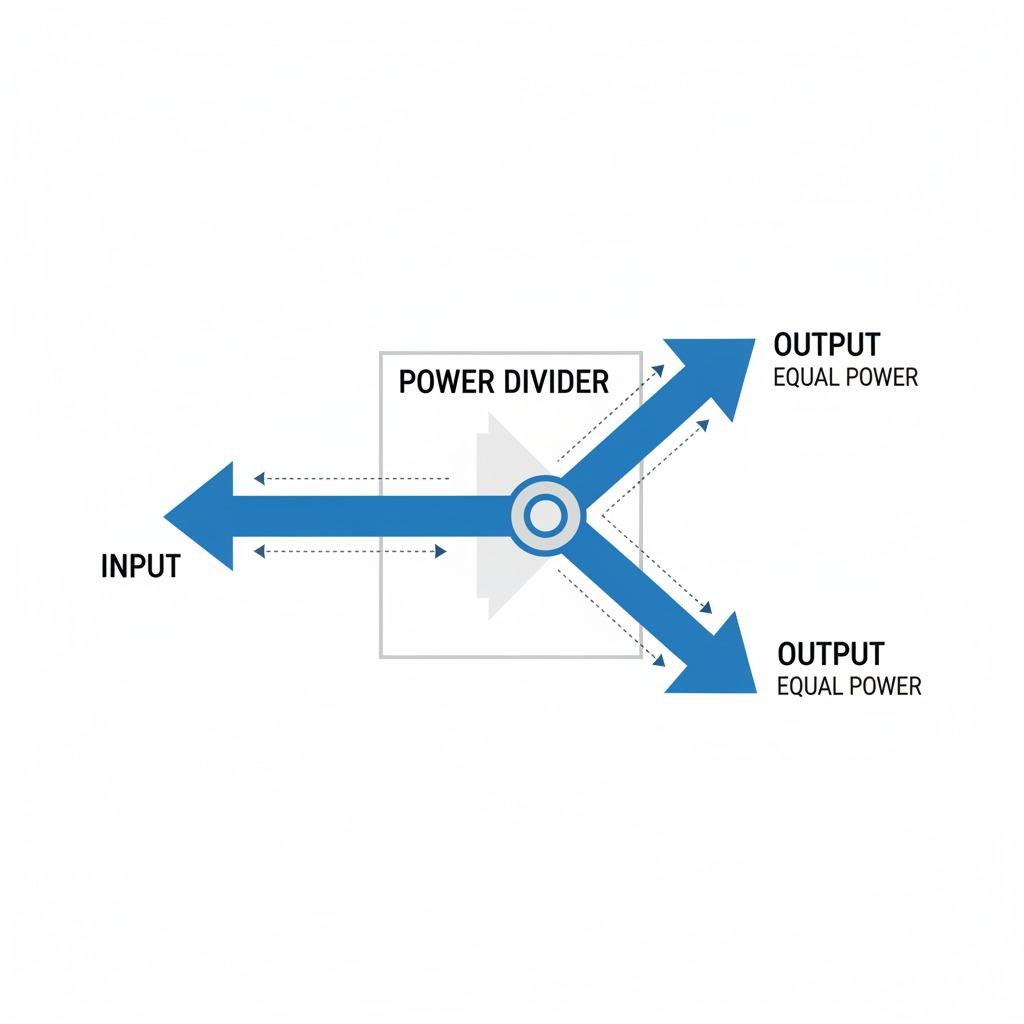
In essence, an RF power divider operates by taking a single RF input and dividing it into two or more paths. These paths can be equal or unequal in power distribution, depending on the design. For instance, a 2-way RF power divider splits the signal into two equal parts, each carrying half the input power, assuming ideal conditions. This capability is crucial for applications requiring signal duplication without significant degradation in quality. Engineers often select RF power dividers based on factors like frequency range, insertion loss, and isolation between ports to match their specific needs.
Key Components of an RF Divider Circuit
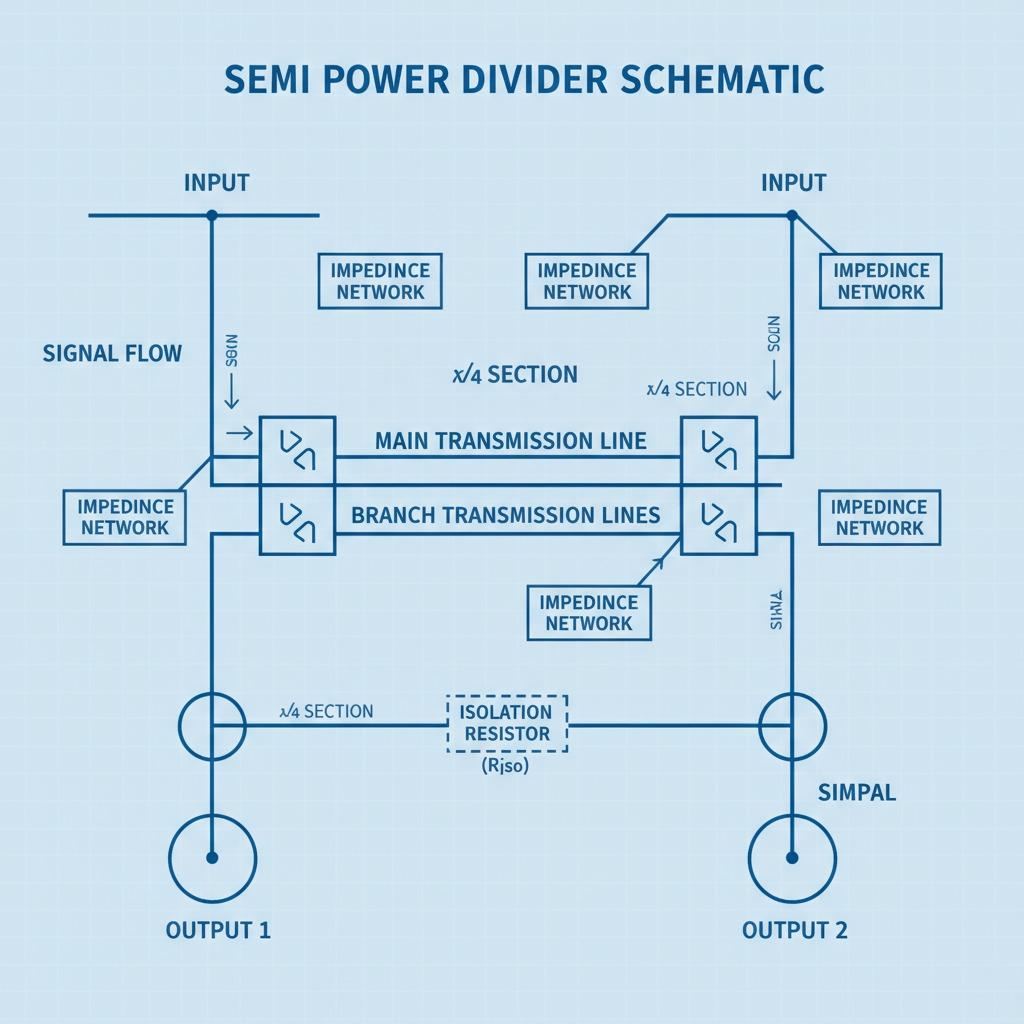
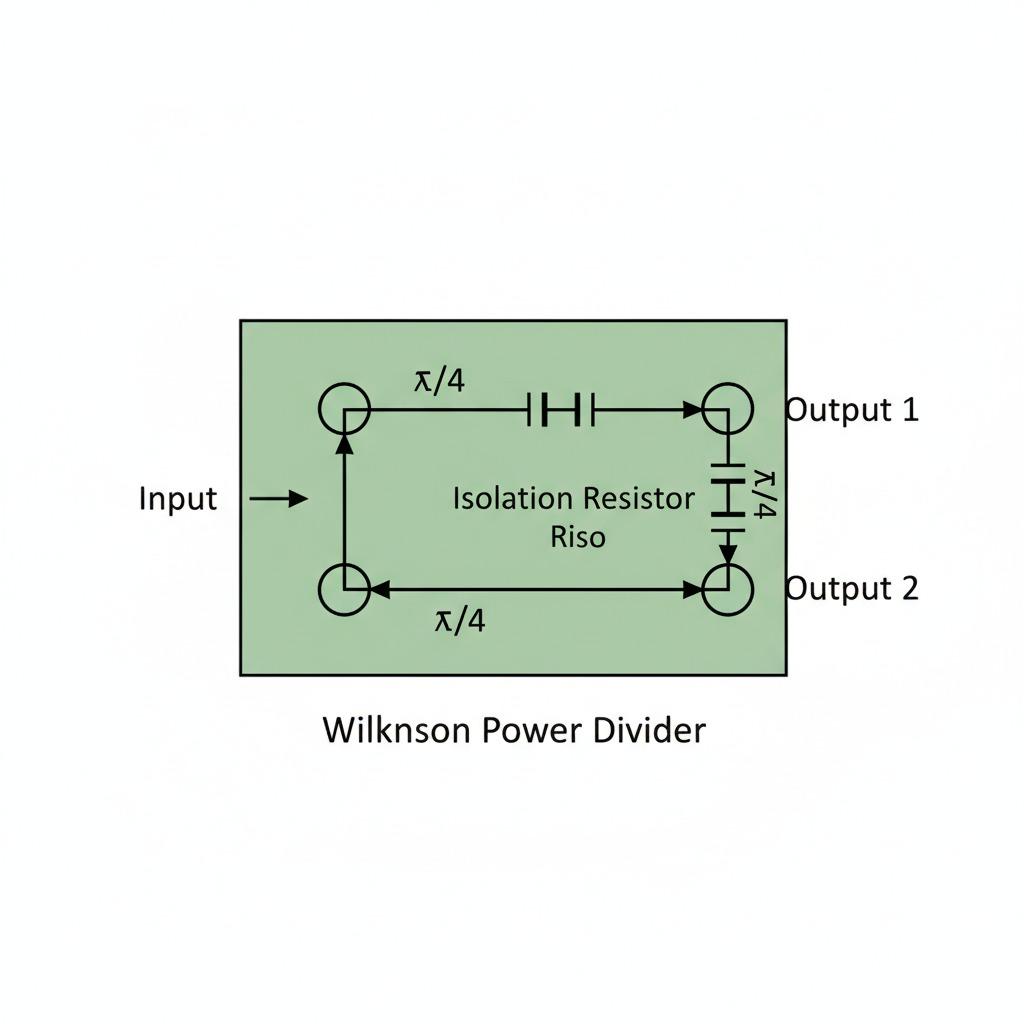
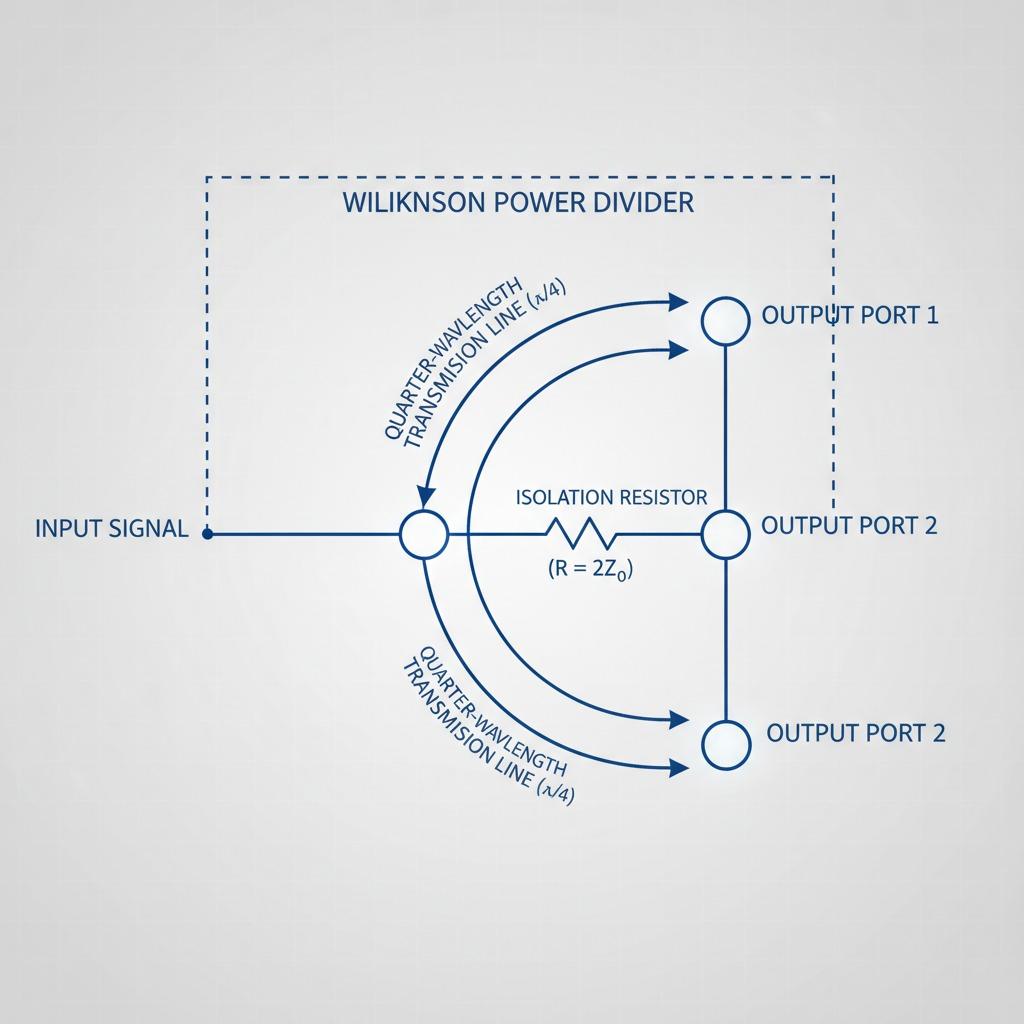
Delving deeper, the RF divider circuit is the core architecture that enables the functionality of an RF power divider. This circuit typically employs transmission lines, resistors, or hybrid couplers to achieve the division. In a basic resistive RF divider circuit, resistors are used to split the power, which is simple and broadband but introduces higher losses, especially at higher frequencies. For more efficient designs, Wilkinson power dividers use quarter-wave transmission lines and isolation resistors to provide excellent port isolation and low insertion loss.
Advanced RF divider circuits incorporate lumped elements or distributed elements tailored to the operating frequency. For microwave frequencies, microstrip or stripline implementations are common, offering compact sizes suitable for printed circuit boards. The choice of RF divider circuit influences not only the performance metrics like return loss and amplitude balance but also the overall system reliability. When designing or selecting an RF divider circuit, it's vital to consider VSWR (Voltage Standing Wave Ratio) to ensure maximum power transfer and minimal reflections.
Exploring Power Divider Applications
Power divider applications span a wide array of industries, highlighting the versatility of the RF power divider. In telecommunications, they are used in base stations to distribute signals to multiple antennas, enabling beamforming and MIMO (Multiple Input Multiple Output) technologies that enhance data throughput. In radar systems, power divider applications allow the splitting of transmitted signals for array antennas, improving resolution and detection accuracy.
Beyond communications, power divider applications are pivotal in test and measurement equipment. For example, in vector network analyzers, an RF splitter—often synonymous with a power divider—divides the signal for simultaneous measurement of multiple parameters. In broadcasting, they help in feeding multiple transmitters from a single source, ensuring consistent signal strength across coverage areas. Emerging fields like 5G and IoT further expand these applications, where compact, high-frequency RF power dividers are essential for integrating numerous devices in smart environments.
The Role of RF Splitters in Modern Systems
An RF splitter is essentially another term for a power divider, emphasizing its function in splitting signals for distribution. In practical terms, an RF splitter can be passive or active, with passive versions being more common due to their simplicity and reliability. These devices are rated for specific power handling capabilities, which is critical in high-power scenarios like military communications or satellite uplinks.
When comparing an RF splitter to a traditional RF power divider, the distinction often lies in context: splitters are frequently used in lower power, consumer-grade applications like cable TV distribution, while power dividers are engineered for precision in professional RF systems. Integration of RF splitters in multi-port configurations allows for complex signal routing, such as in phased array antennas where phase and amplitude control are paramount. Modern advancements, including integrated circuits with built-in RF splitters, are reducing sizes and costs, making them accessible for portable devices.
Design Considerations for Optimal Performance
Designing an effective RF power divider requires attention to several parameters. Frequency bandwidth is a primary concern; narrowband dividers offer superior performance in specific ranges, while broadband designs sacrifice some efficiency for wider coverage. Isolation between output ports prevents crosstalk, which is especially important in sensitive applications like medical imaging or electronic warfare.
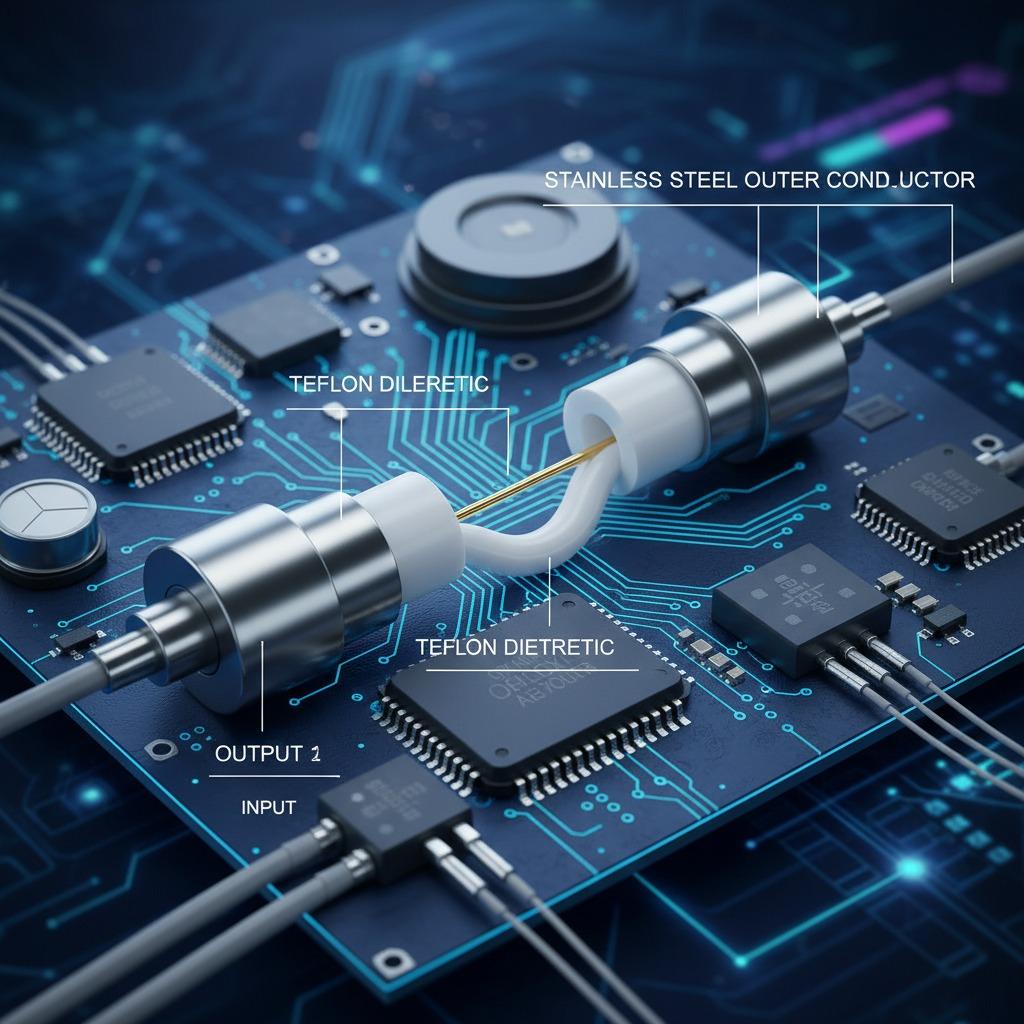
Material selection also plays a key role in the RF divider circuit. For high-frequency operations above 10 GHz, low-loss substrates like Rogers or Teflon-based materials are preferred to minimize attenuation. Additionally, thermal management is crucial for power divider applications handling high inputs, as excessive heat can degrade performance. Simulation tools such as HFSS or ADS are commonly used to model and optimize RF power dividers before fabrication, ensuring they meet stringent specifications.
Challenges and Innovations in RF Technology
Despite their ubiquity, RF power dividers face challenges like maintaining balance across wide frequency bands and handling high power without breakdown. Innovations in metamaterials and active components are addressing these issues, enabling reconfigurable RF splitters that adapt to varying signal conditions. For instance, digital tunable power dividers allow dynamic power allocation in adaptive antenna systems.
In power divider applications for aerospace, ruggedized designs withstand extreme environments, incorporating features like hermetic sealing. The push towards mmWave frequencies for 6G promises even more sophisticated RF divider circuits, with integration into SoCs (System on Chip) for ultra-compact solutions. Researchers are also exploring lossless dividers using circulators, though practical implementations remain complex.
Selecting the Right RF Power Divider
Choosing the appropriate RF power divider involves evaluating your system's requirements. Start with the operating frequency and power level, then assess the number of output ports needed— from simple 2-way to multi-way configurations. For high isolation, opt for hybrid couplers over resistive types in the RF splitter design.
Cost versus performance is another factor; while premium RF power dividers offer better specs, budget options suffice for many RF divider circuit prototypes. Consulting datasheets and performing bench tests ensures compatibility. In summary, the RF power divider remains a cornerstone of RF engineering, evolving with technology to meet diverse power divider applications and beyond.
This exploration underscores the importance of RF splitters and dividers in enabling robust, efficient RF systems across industries.