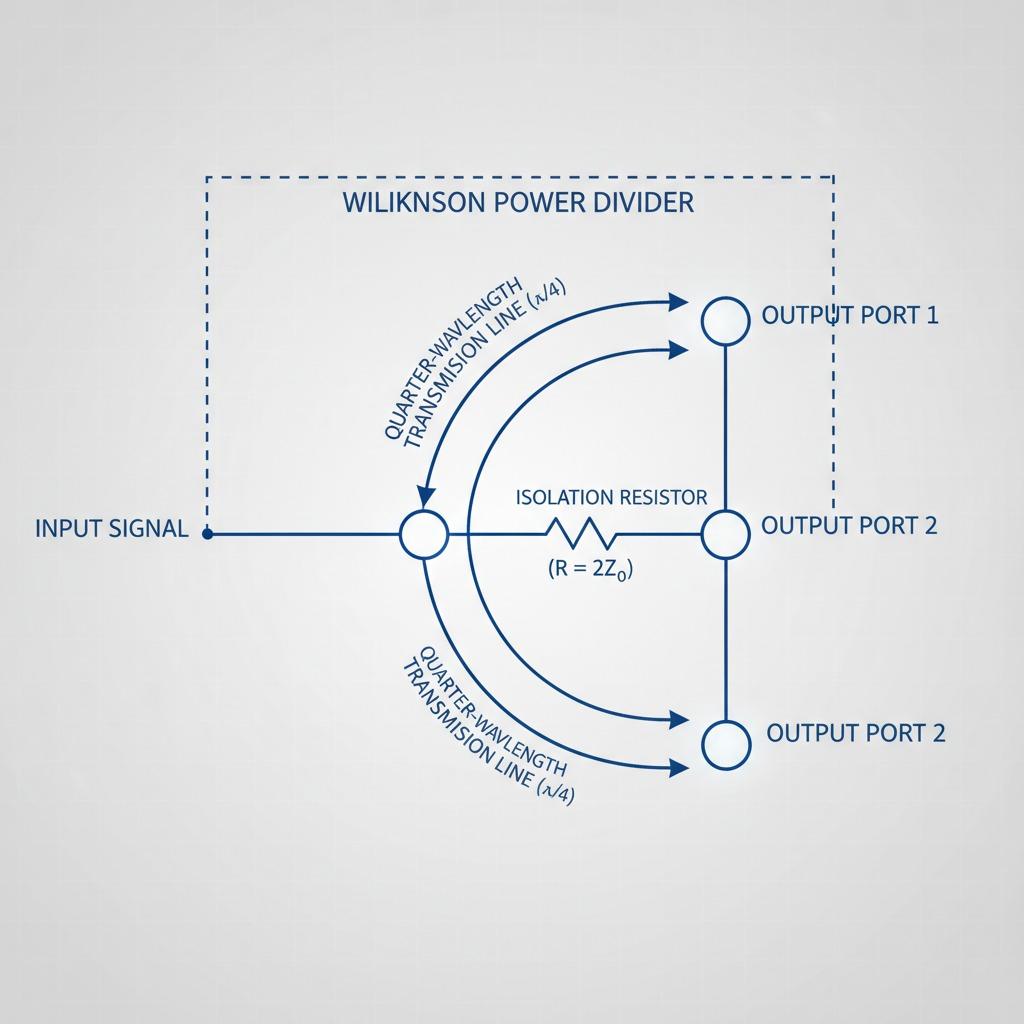

Understanding the Power Divider: A Fundamental Component in RF Systems
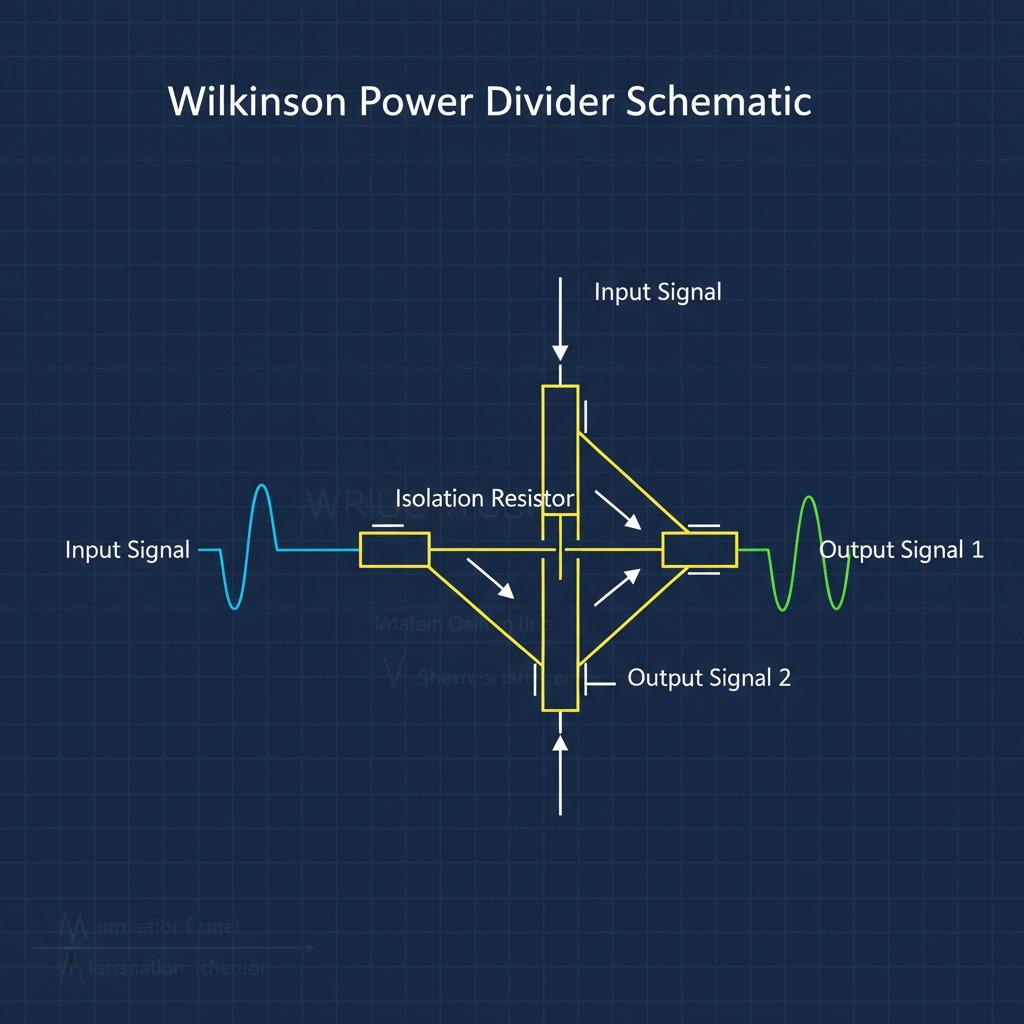
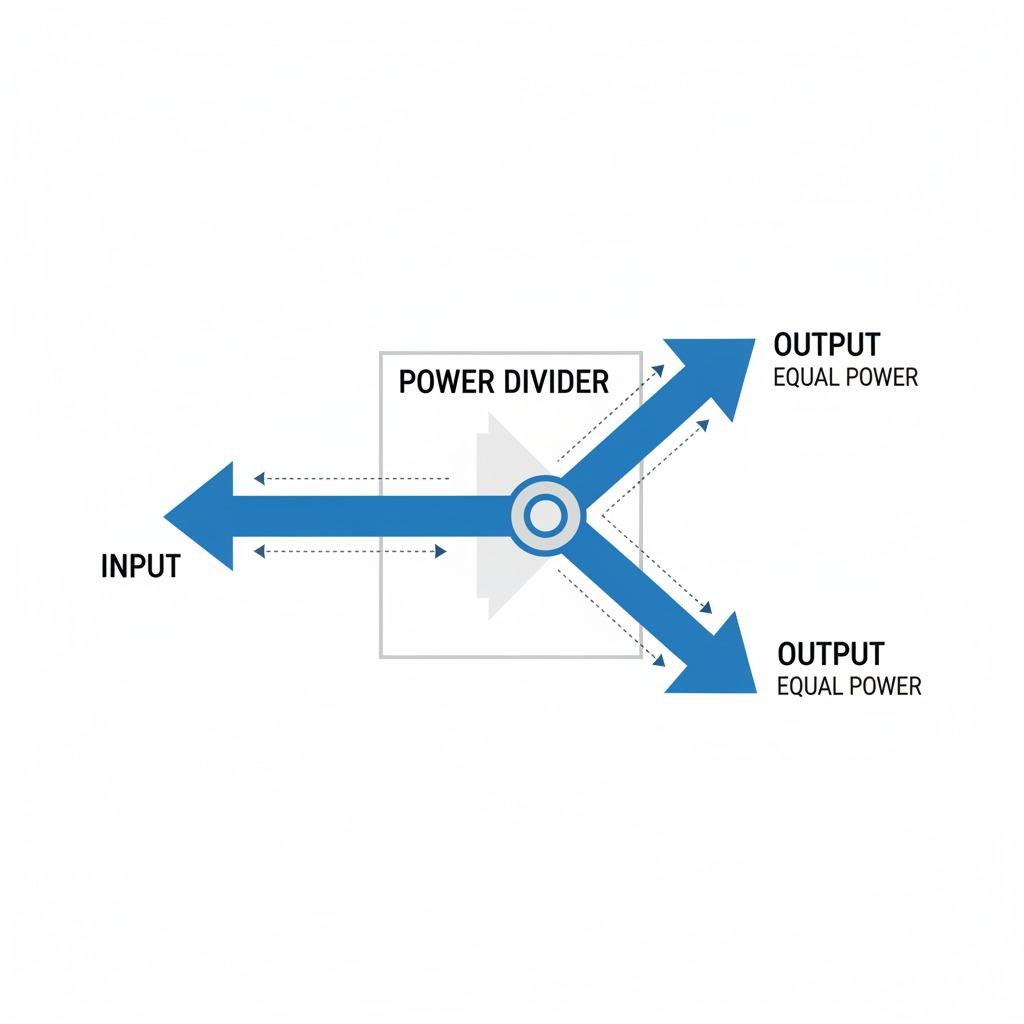
In the world of electronics and telecommunications, a power divider is an essential device that splits an input signal into multiple output signals with equal or specified power levels. Often used in RF and microwave applications, the power divider ensures efficient signal distribution without significant loss, making it a cornerstone for systems requiring precise signal management. Whether you're designing a radar system or a wireless network, understanding the power divider's role can greatly enhance your project's performance.
Power dividers come in various designs, each tailored to specific frequency ranges and power handling capabilities. They are crucial for applications where a single source needs to feed multiple antennas or components, maintaining phase coherence and minimizing insertion loss. As technology advances, the demand for reliable power dividers has surged, particularly in high-frequency environments like 5G infrastructure and satellite communications.
Exploring the Semi Power Divider: Versatility in Hybrid Applications
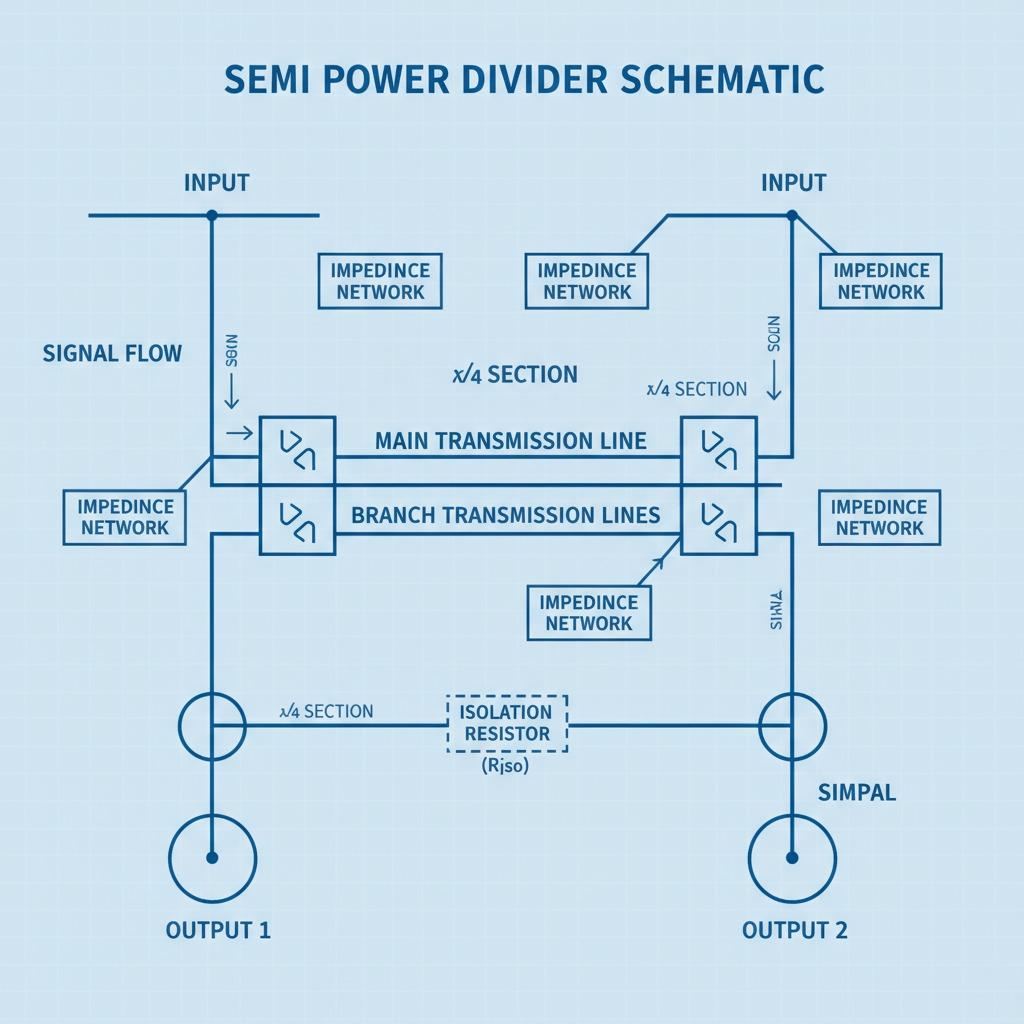
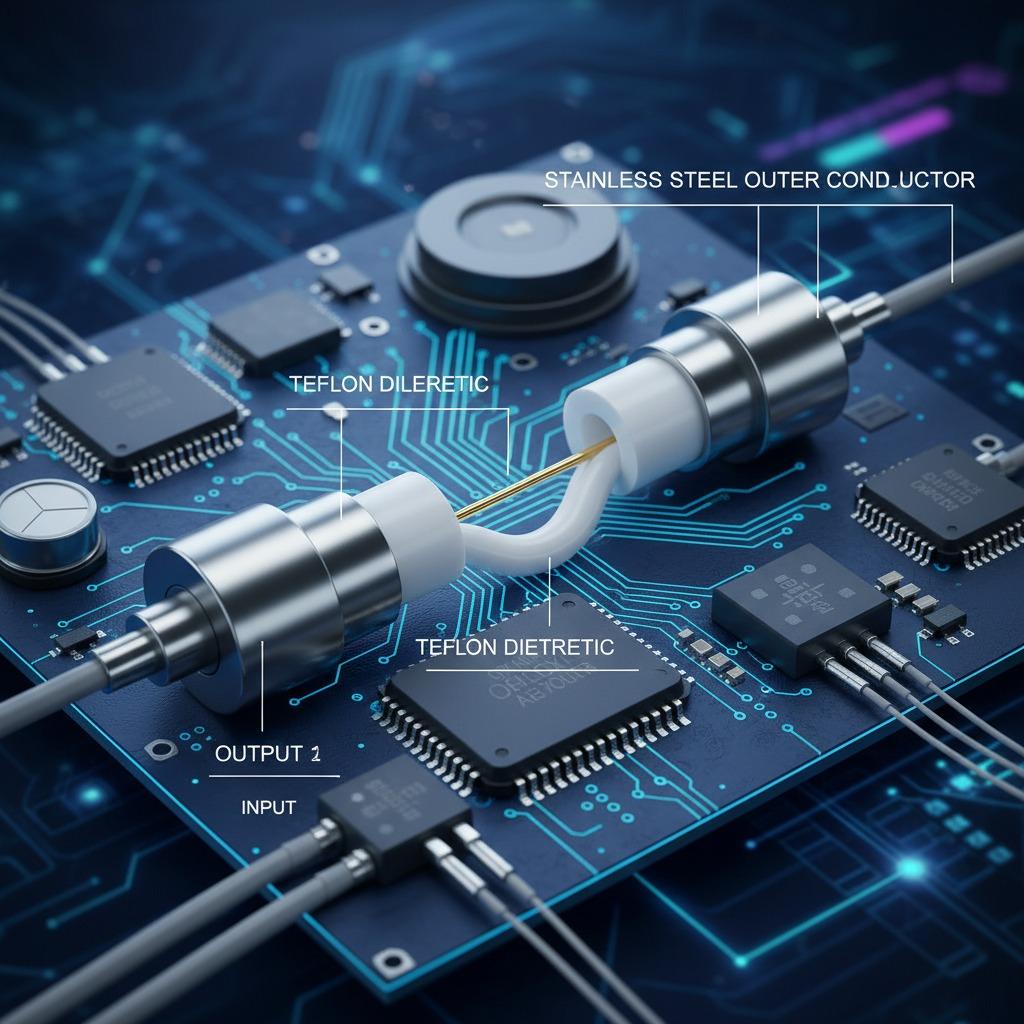
A semi power divider, sometimes referred to as a semi-rigid power divider, offers a flexible yet durable solution for systems that require both precision and adaptability. This variant uses semi-rigid coaxial cables, allowing for custom shaping while providing the mechanical stability needed in compact installations. The semi power divider is particularly useful in test setups and prototypes where frequent reconfiguration is necessary without compromising signal integrity.
One key advantage of the semi power divider is its ability to handle moderate power levels while offering low VSWR (Voltage Standing Wave Ratio), which is critical for maintaining signal quality. In practice, engineers often integrate semi power dividers into microwave test benches to divide signals for parallel measurements, ensuring accurate data collection across multiple channels. Their semi-rigid nature also makes them ideal for aerospace applications, where space constraints and vibration resistance are paramount.
Compared to fully rigid designs, the semi power divider strikes a balance between flexibility and performance, making it a go-to choice for R&D environments. With proper shielding, it minimizes electromagnetic interference, ensuring clean signal paths even in noisy settings.
The RF Power Divider: Backbone of Radio Frequency Networks
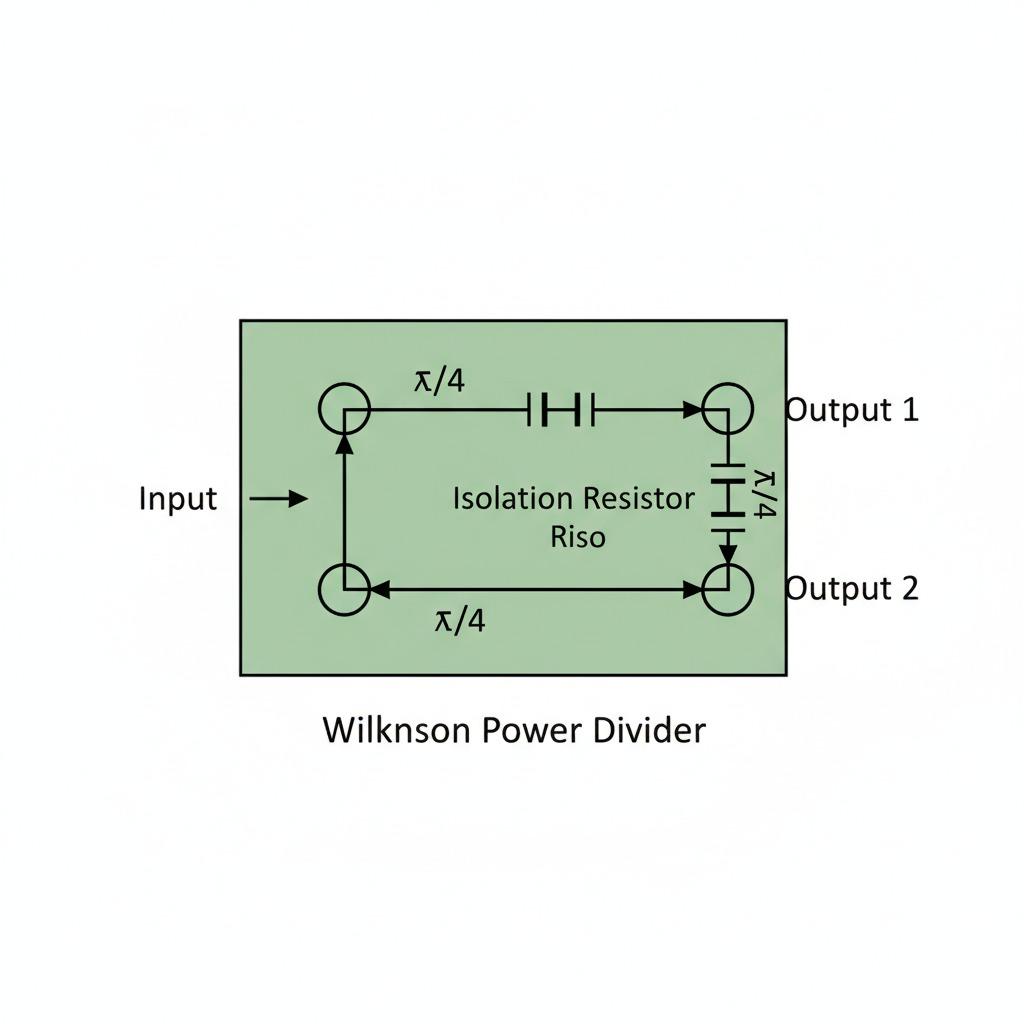
Delving deeper into radio frequency components, the RF power divider is specifically engineered for the RF spectrum, typically from a few MHz up to several GHz. This device splits RF signals with high efficiency, supporting applications like broadcast transmitters, cellular base stations, and wireless routers. The RF power divider's design often incorporates Wilkinson or branch-line couplers to achieve isolation between output ports, preventing unwanted signal feedback.
In RF systems, the power divider plays a pivotal role in combining or dividing signals for multi-port antennas, enhancing coverage and throughput. For instance, in a MIMO (Multiple Input Multiple Output) setup, multiple RF power dividers ensure that signals are evenly distributed, optimizing data rates and reducing errors. Their broadband capabilities allow them to operate across wide frequency bands, making them indispensable for modern communication technologies.
Selecting the right RF power divider involves considering factors like frequency range, power rating, and phase balance. High-quality models feature gold-plated connectors for corrosion resistance and low loss, ensuring long-term reliability in demanding environments.
Microwave Power Divider: Precision at High Frequencies
When frequencies climb into the microwave range—above 1 GHz—the microwave power divider becomes the specialized tool of choice. Designed for ultra-high frequencies, this component handles signals in waveguides or microstrip lines, splitting power with minimal attenuation and precise phase control. Microwave power dividers are vital in radar, satellite, and defense systems where even slight signal discrepancies can impact overall performance.
The microwave power divider often employs advanced materials like aluminum or copper to manage heat dissipation at high powers, preventing thermal runaway. In phased array antennas, arrays of microwave power dividers enable beam steering, allowing dynamic signal direction without mechanical movement. Their compact size and high isolation make them perfect for integrated circuits in modern microwave monolithic integrated circuits (MMICs).
Engineers appreciate the microwave power divider for its scalability; multi-way versions can divide signals into 4, 8, or more outputs, facilitating complex network architectures. Calibration is key to their deployment, ensuring that each output delivers the intended power level across the operational bandwidth.
Applications and Innovations in Power Divider Technology
Across industries, power dividers are evolving to meet new challenges. In telecommunications, the integration of RF power dividers with software-defined radios allows for adaptive signal processing, improving spectrum efficiency. Meanwhile, semi power dividers find use in automotive radar systems, where their flexibility aids in sensor array designs for autonomous vehicles.
Innovations like active power dividers, which incorporate amplifiers, are pushing boundaries by not only dividing but also amplifying signals, ideal for low-power sources in IoT devices. For microwave applications, research into substrate-integrated waveguide (SIW) power dividers promises even smaller footprints without sacrificing performance.
The synergy between these types—semi power divider, RF power divider, and microwave power divider—enables comprehensive system designs. As 5G and beyond-5G networks expand, the role of the power divider in ensuring reliable, high-speed connectivity will only grow, driving further advancements in materials and manufacturing techniques.
Best Practices for Selecting and Implementing Power Dividers
Choosing the appropriate power divider requires a thorough assessment of system requirements. Start by defining the frequency band: opt for an RF power divider for lower frequencies or a microwave power divider for higher ones. Power handling is another critical factor; ensure the device can withstand your system's peak power without degradation.
Implementation tips include proper impedance matching to avoid reflections, which can degrade performance. Use simulation tools like HFSS or ADS to model the power divider's behavior in your circuit before fabrication. For semi power dividers, consider environmental factors such as temperature and humidity, as their coaxial construction can be sensitive to these.
Regular testing with vector network analyzers (VNAs) verifies insertion loss, return loss, and isolation. By following these practices, you can maximize the efficiency of your power divider deployment, whether in a lab, field, or production setting.
In summary, the power divider remains a versatile and indispensable element in electronic design, bridging the gap between signal sources and multiple endpoints with precision and reliability. As technologies evolve, so too will the capabilities of semi power dividers, RF power dividers, and microwave power dividers, paving the way for innovative applications in our connected world.