
Understanding Automotive Dust Caps: Essential Protection for Your Vehicle
Automotive dust caps are small but crucial components designed to shield vital parts of your vehicle from dust, dirt, and debris. These protective covers are commonly used on wheels, tires, and other exposed areas to prevent contamination that could lead to premature wear or mechanical failure. In the world of car maintenance, automotive dust caps play a pivotal role in extending the lifespan of your ride, ensuring smooth performance on the road. Whether you're a daily commuter or an off-road enthusiast, understanding these caps can help you maintain your vehicle more effectively.
As vehicles navigate various terrains and weather conditions, they are constantly exposed to environmental hazards. Dust and grime can infiltrate sensitive areas like lug nuts, valves, or even electrical connections, causing corrosion or inefficiency over time. Automotive dust caps act as a first line of defense, keeping these elements at bay. Regular inspection and upkeep of these caps are recommended to avoid costly repairs down the line. By prioritizing such simple yet effective protections, you can enhance your vehicle's reliability and safety.
Dust Caps for Cars: Why They Matter
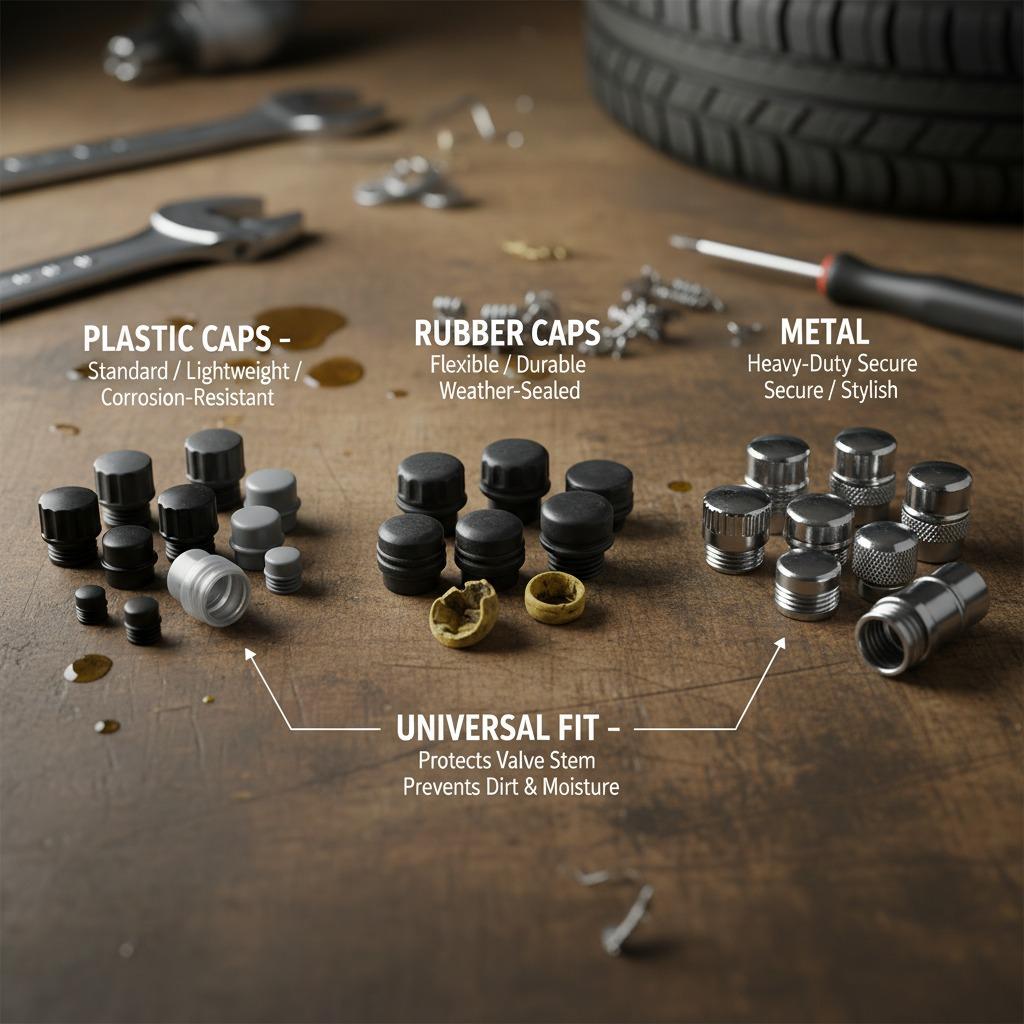
Dust caps for cars are specifically engineered to fit the unique needs of automotive applications, providing a snug seal that withstands vibrations and impacts from driving. These caps are typically made from durable materials like plastic, rubber, or metal, each offering distinct advantages depending on the usage. For instance, plastic dust caps for cars are lightweight and resistant to corrosion, making them ideal for everyday sedans and SUVs. On the other hand, metal variants provide superior strength for heavier-duty vehicles like trucks.
One key benefit of dust caps for cars is their role in preserving tire pressure and wheel integrity. Without proper coverage, road salt, mud, and dust can accumulate around tire stems or wheel hubs, leading to leaks or imbalances. Installing high-quality dust caps for cars ensures that these areas remain clean and functional. Many car owners overlook these caps during routine checks, but doing so can result in uneven tire wear or even blowouts. To maximize protection, choose dust caps for cars that match your vehicle's specifications, considering factors like size and environmental exposure.
Moreover, dust caps for cars contribute to aesthetic appeal by covering unsightly hardware, giving wheels a polished look. In urban settings where pollution is high, these caps become even more essential, preventing the buildup of particulate matter that could affect braking systems. Regular cleaning of dust caps for cars is straightforward—simply wipe them down during tire rotations to maintain their effectiveness. By investing in reliable dust caps for cars, you're not just protecting your vehicle; you're also safeguarding your peace of mind on every journey.
Car Dust Cap Replacement: A Step-by-Step Guide
Car dust cap replacement is a straightforward DIY task that can save you time and money at the mechanic. Over time, these caps can crack, loosen, or get lost due to road hazards, necessitating prompt replacement to avoid further damage. Start by assessing the condition of your current caps; if they show signs of wear like cracks or missing pieces, it's time for car dust cap replacement. Gather the necessary tools: a lug wrench, pliers, and new caps that fit your wheel size—typically available in packs at auto parts stores.
To perform car dust cap replacement, first safely jack up the vehicle and remove the wheel if needed for access. For valve stem caps, it's even simpler—just unscrew the old one counterclockwise and screw on the new car dust cap replacement clockwise until snug. Ensure not to overtighten, as this could damage the stem. For hub or lug nut caps, gently pry off the old ones with pliers, clean the area of any debris, and snap or thread the new car dust cap replacement into place. This process usually takes less than 15 minutes per wheel, making car dust cap replacement an accessible maintenance chore for beginners.
After completing car dust cap replacement, test the fit by spinning the wheel and checking for any wobbles. It's wise to replace all caps at once for uniformity, especially if your vehicle has been through rough conditions. Common mistakes in car dust cap replacement include using incompatible sizes, which can lead to poor sealing, or neglecting to clean underlying surfaces, allowing dirt to persist. By following these steps meticulously, your car dust cap replacement will restore full protection and prevent issues like air leaks or corrosion. Remember, timely car dust cap replacement is a small effort that yields significant long-term benefits for your vehicle's health.
Vehicle Dust Cap Types: Choosing the Right One
Vehicle dust cap types vary widely to accommodate different parts and driving needs, from basic plastic covers to advanced tamper-evident designs. Understanding vehicle dust cap types helps you select the optimal option for your specific vehicle, whether it's a compact car or a rugged off-roader. Standard vehicle dust cap types include push-on caps for quick installation on valve stems and threaded caps for lug nuts, each providing reliable dust resistance. Push-on vehicle dust cap types are popular for their ease of use, while threaded ones offer a more secure fit against high-pressure environments.
For specialized applications, consider heavy-duty vehicle dust cap types made from reinforced rubber, ideal for construction or towing vehicles exposed to extreme dust. Eco-friendly vehicle dust cap types, crafted from recyclable materials, are gaining traction among environmentally conscious drivers. When exploring vehicle dust cap types, pay attention to features like UV resistance for sunny climates or waterproofing for rainy regions. For instance, marine-grade vehicle dust cap types are perfect for boats or amphibious vehicles, ensuring protection against saltwater corrosion.
Selecting the right vehicle dust cap types also involves matching them to your vehicle's make and model for perfect compatibility. Online resources and auto forums can provide insights into popular vehicle dust cap types, but always verify with manufacturer specs. Innovations in vehicle dust cap types now include smart caps with pressure indicators, alerting you to potential issues before they escalate. By familiarizing yourself with vehicle dust cap types, you empower yourself to make informed choices that enhance performance and durability. Ultimately, the best vehicle dust cap types are those that align with your driving habits and maintenance routine, ensuring comprehensive protection across all terrains.
In conclusion, automotive dust caps, along with dust caps for cars, car dust cap replacement practices, and various vehicle dust cap types, form the backbone of effective vehicle upkeep. By incorporating these elements into your routine, you'll enjoy a smoother, safer driving experience. Stay proactive with your maintenance to keep your vehicle running at its best.
Frequently Asked Questions (FAQ)
1. What are automotive dust caps and why are they important?
Automotive dust caps are small protective covers designed to shield sensitive vehicle components such as valve stems, lug nuts, wheel hubs, and electrical connections from dust, dirt, moisture, and road debris. They are important because contaminants can cause corrosion, air leaks, uneven tire wear, and mechanical failure over time. By keeping these areas clean, dust caps extend component lifespan, maintain proper tire pressure, and enhance overall vehicle safety.
2. What is the difference between dust caps for cars and wheel dust caps?
| Type | Primary Function | Typical Location |
|---|---|---|
| Dust caps for cars (general) | Protect valve stems and standard fittings | Tire valve stems, small threaded connections |
| Wheel dust caps | Shield lug nuts, hubs, and brake components | Center of wheels, over lug nuts or hub assemblies |
Both are essential, but wheel dust caps often handle higher mechanical stress and exposure to road impacts, while general dust caps focus on sealing against fine particle intrusion.
3. What materials are automotive dust caps made from, and which is best?
| Material | Advantages | Best For |
|---|---|---|
| Plastic | Lightweight, corrosion-proof, affordable | Everyday city driving, standard sedans/SUVs |
| Rubber | Flexible, creates a tight seal, absorbs vibrations | Bumpy roads, off-road conditions, heavy vehicles |
| Metal (aluminum/steel) | High durability, impact resistance, premium look | Trucks, towing, harsh environments (sand, salt, mud) |
Rubber caps offer the best vibration resistance, while metal provides maximum durability. Plastic is sufficient for most daily drivers.
4. When should I perform car dust cap replacement?
Replace your dust caps immediately if you notice:
-
Cracks, brittleness, or deformation – Compromised sealing ability
-
Looseness or missing caps – Contaminants can enter freely
-
Discoloration or UV damage – Plastic/rubber degradation from sun exposure
-
After off-road or winter driving – Salt, sand, and mud accelerate wear
As a preventive measure, inspect caps during every tire rotation (every 5,000–7,500 miles) and replace all four at once for consistent protection. Car dust cap replacement is a simple, 15-minute DIY task.
5. How do I choose the right vehicle dust cap type for my car?
Consider these factors:
-
Vehicle type – Passenger cars vs. trucks/SUVs vs. off-road vehicles
-
Driving environment – Urban (plastic/rubber) vs. coastal or desert (metal, UV-resistant)
-
Fitment – Must match your valve stem size (typically 8mm or 10mm) or lug nut thread
-
Security needs – Locking caps for high-value wheels to prevent theft
-
Special features – TPMS-compatible caps, pressure indicators, or tamper-evident designs
Always verify compatibility with your vehicle's make and model using manufacturer specifications or an auto parts store fitment guide.
6. How do I maintain and install automotive dust caps?
Installation tips:
-
For valve stem caps – Unscrew old cap counterclockwise; hand-tighten new cap clockwise (do not over-tighten)
-
For lug nut/hub caps – Clean area of debris; press or thread new cap into place until snug
Maintenance checklist (monthly):
-
Inspect for cracks, looseness, or missing caps
-
Clean caps with mild soap and water to remove accumulated grime
-
Check seal integrity – caps should fit snugly without cross-threading
-
Replace any cap showing signs of wear immediately