
Understanding the Power Divider Semi: A Key Component in RF Systems
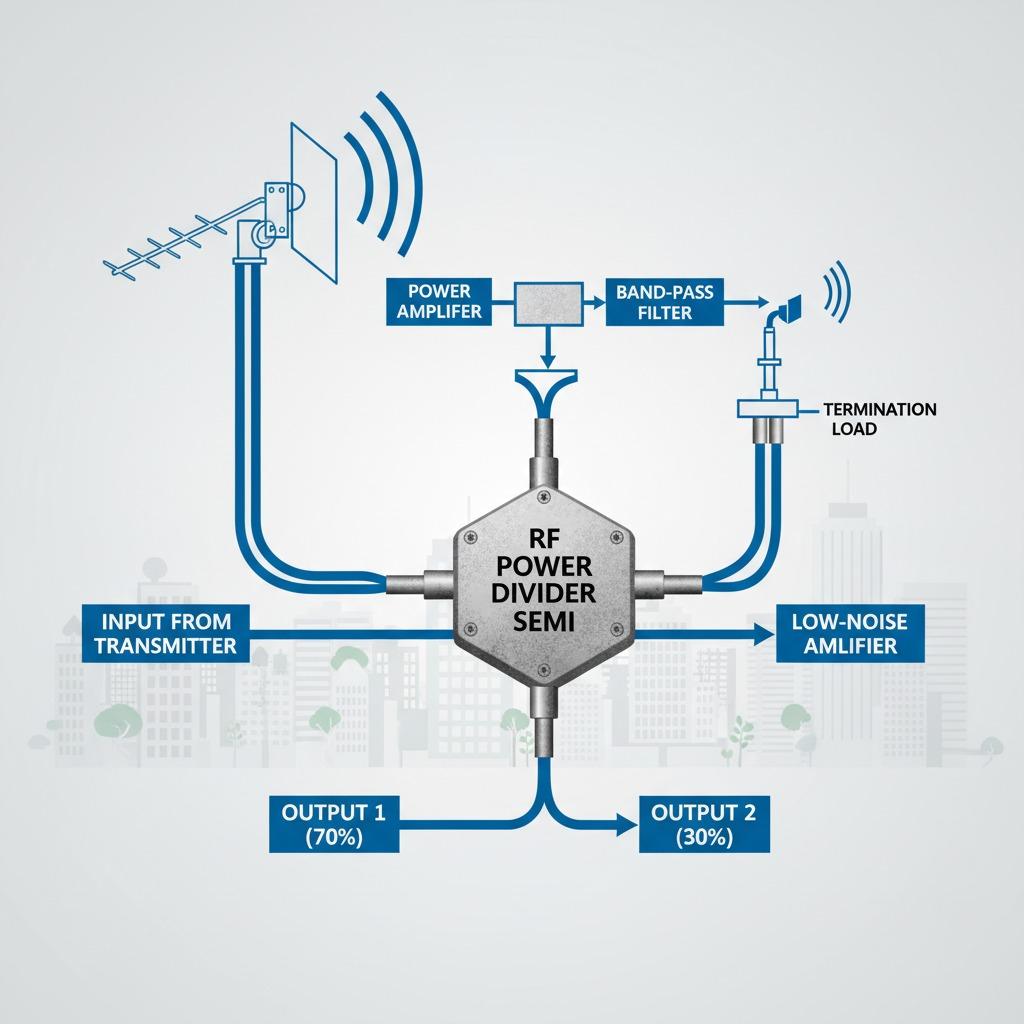
In the world of radio frequency (RF) engineering, the power divider semi emerges as a crucial element for efficient signal distribution. Often referred to as a semi power divider, this device splits incoming RF power into multiple outputs while maintaining signal integrity. Whether you're designing communication systems or testing setups, incorporating a power divider semi ensures balanced performance and reliability. At its core, this component handles high-frequency signals with precision, making it indispensable for applications ranging from telecommunications to aerospace.
Exploring the Semi Power Divider: Design and Functionality
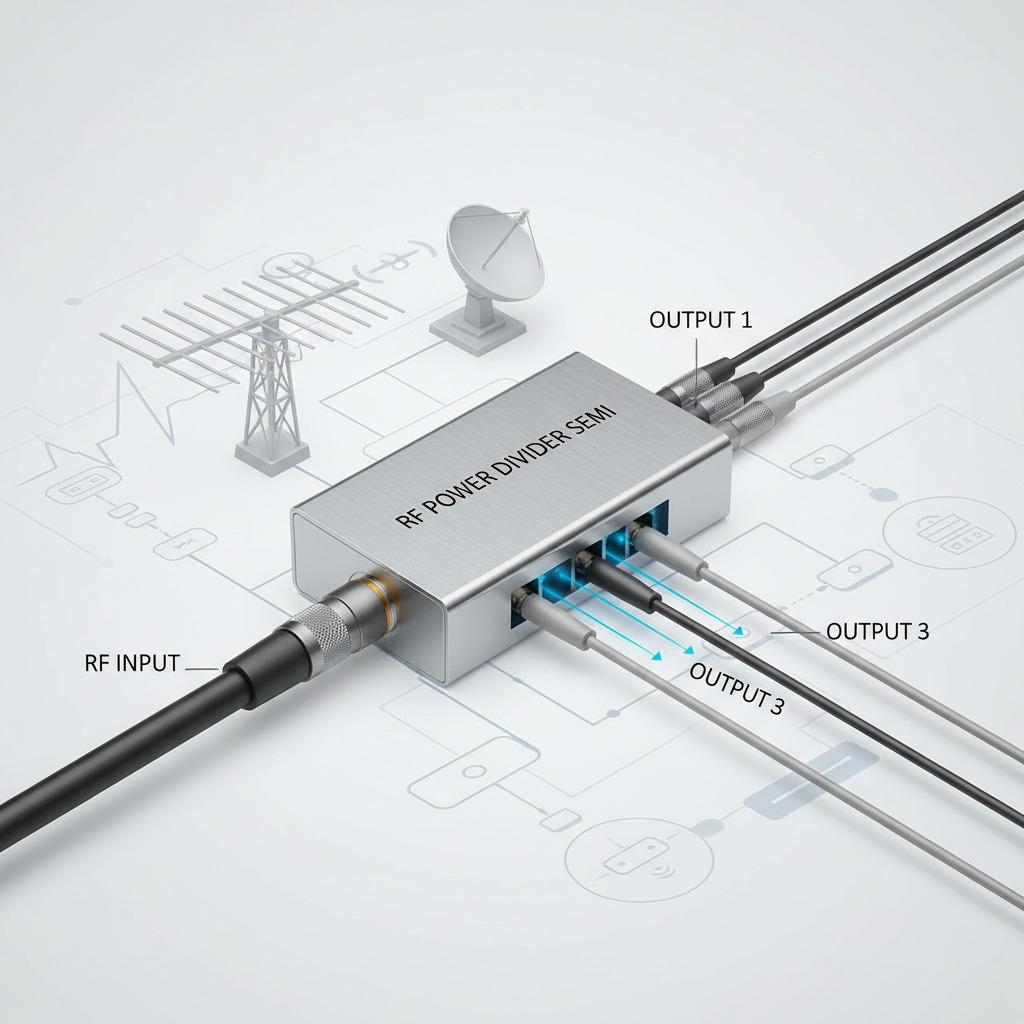
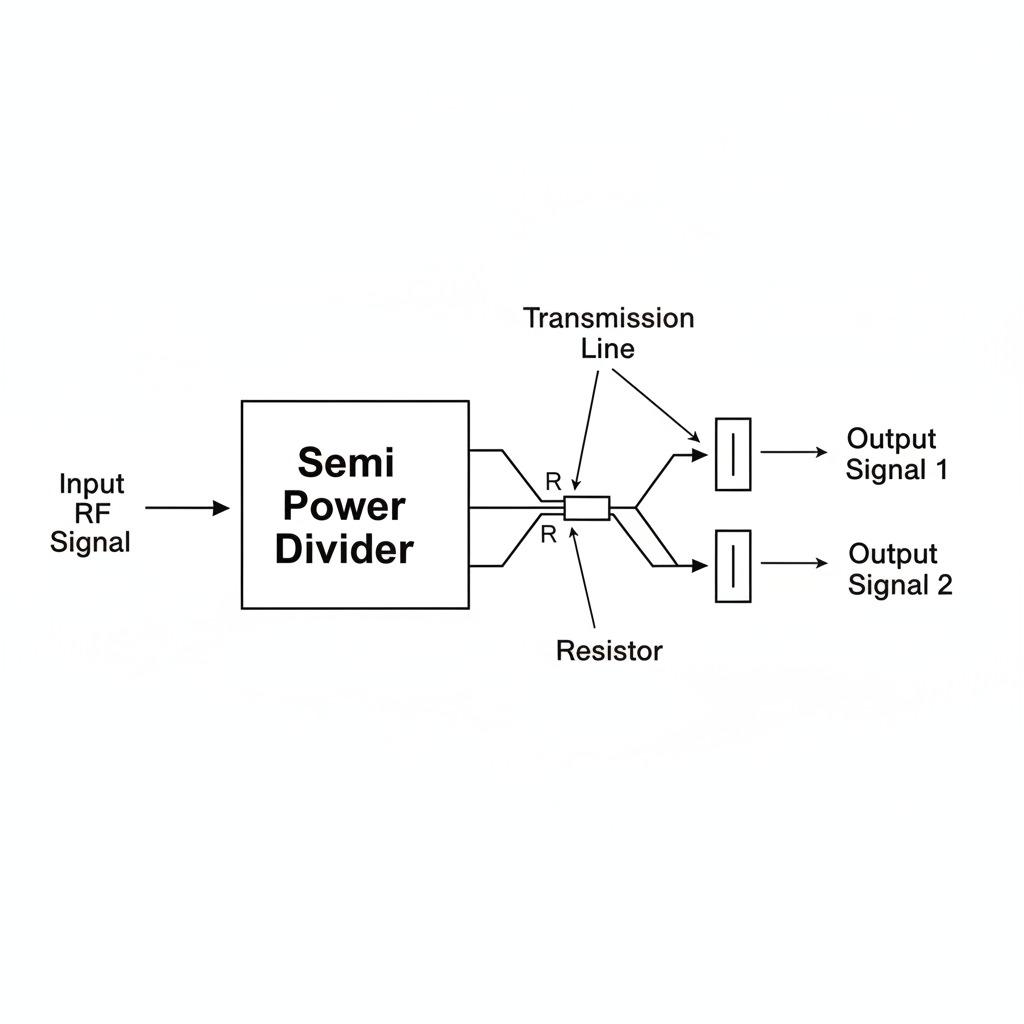
A semi power divider is engineered to divide power unequally or in specific ratios, unlike traditional equal-split models. This flexibility allows engineers to tailor signal distribution to unique requirements, such as in phased array antennas or multi-band receivers. The semi power divider typically features a compact, rugged construction using materials like aluminum or brass to withstand environmental stresses. Key specifications include frequency range, insertion loss, and isolation between ports, all of which contribute to its effectiveness in RF power divider networks. By selecting the right semi power divider, you can optimize power handling up to several watts, ensuring minimal reflections and maximum efficiency.
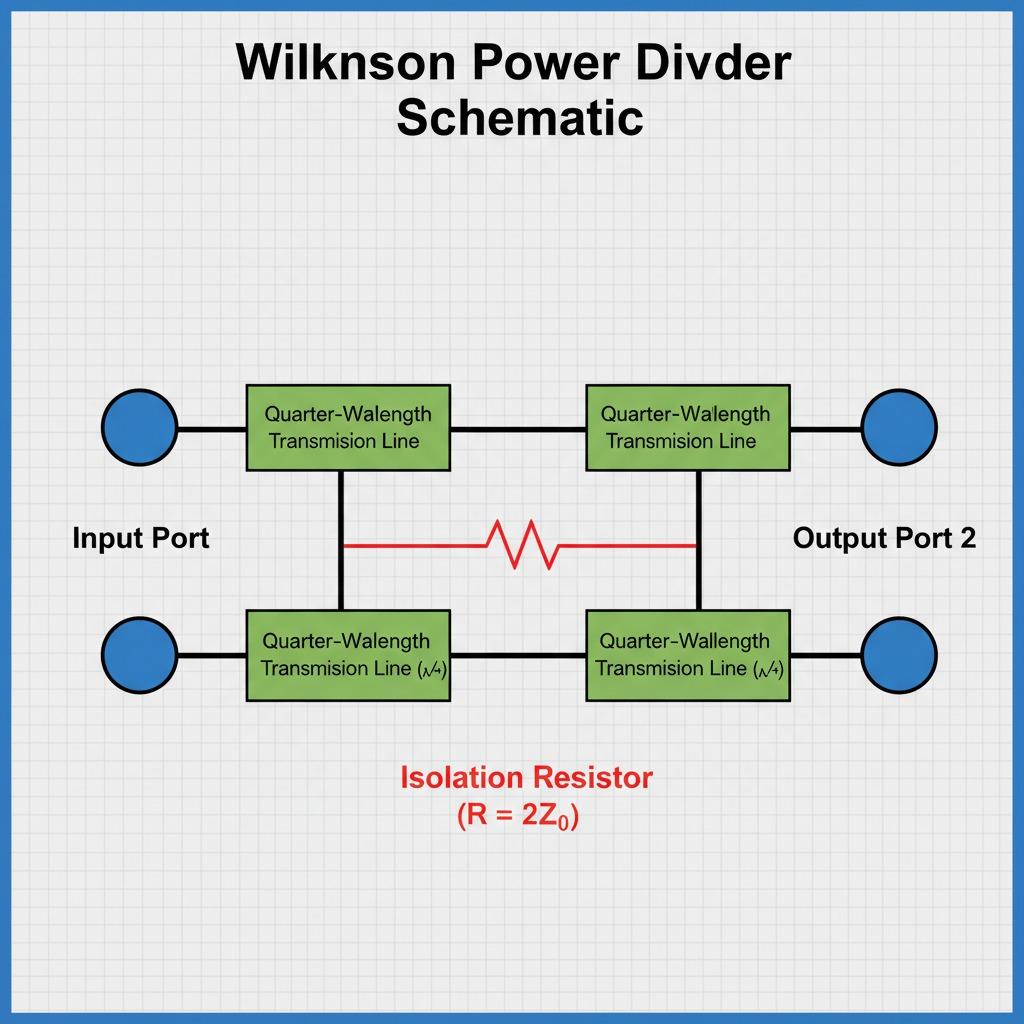
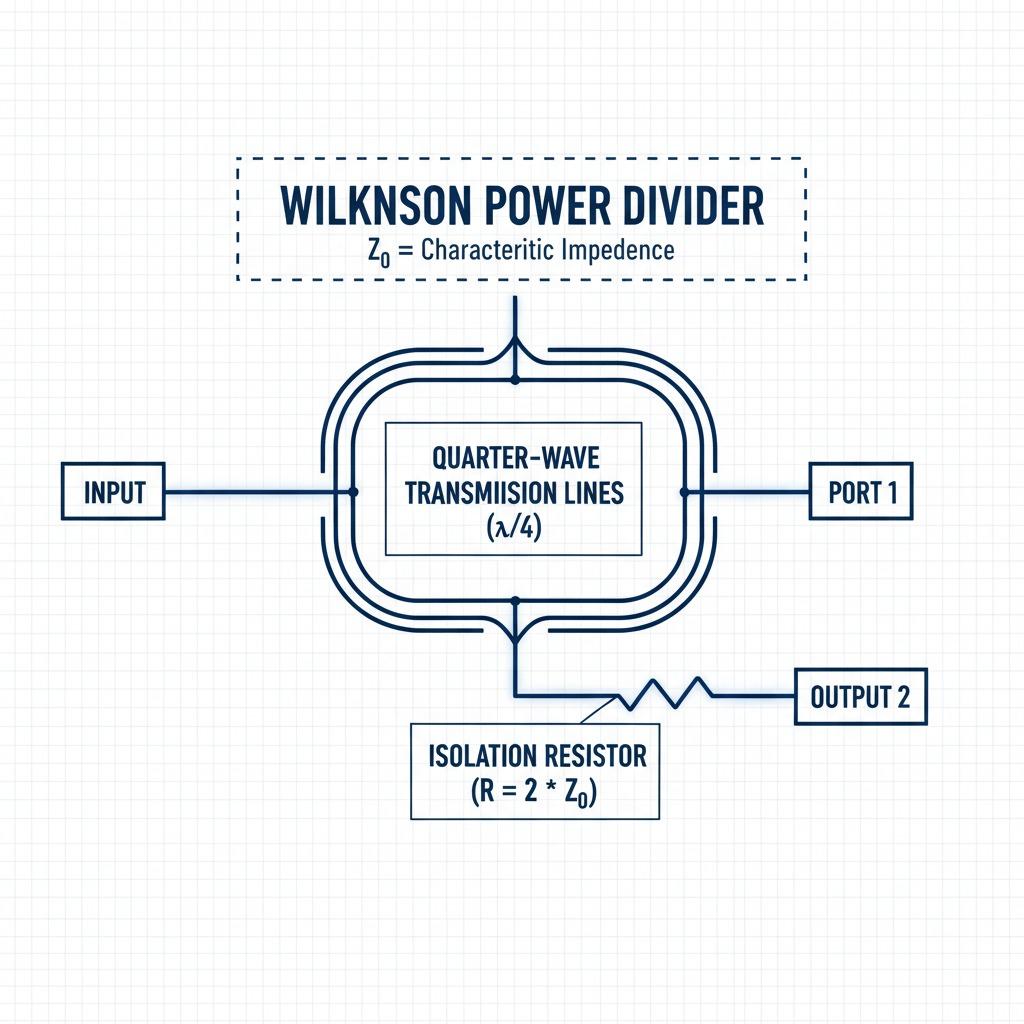
When integrating a semi power divider into your system, consider its impedance matching—usually 50 ohms—to prevent signal degradation. Advanced models incorporate microstrip or stripline technology for broadband operation, covering frequencies from DC to 40 GHz. This makes the semi power divider versatile for both lab environments and field deployments. Furthermore, its low VSWR (Voltage Standing Wave Ratio) ratings, often below 1.5:1, guarantee smooth power transfer, reducing the need for additional tuning.
RF Power Divider Applications and Advantages
The RF power divider plays a pivotal role in amplifying system capabilities across various industries. In wireless infrastructure, an RF power divider enables signal splitting for base stations, enhancing coverage without compromising quality. For military radar systems, the power divider semi provides precise beamforming, where semi-rigid designs offer durability in harsh conditions. In satellite communications, these devices facilitate multi-port combining, allowing seamless data transmission over vast distances.
One major advantage of the semi power divider is its phase stability, which is critical for applications requiring coherent signals, like interferometry. Unlike passive splitters, the RF power divider can be customized for unequal splits—say, 70/30 ratios—to match specific power budgets. This adaptability reduces overall system complexity and cost. Additionally, modern RF power dividers incorporate shielding to minimize electromagnetic interference (EMI), ensuring clean operation in crowded spectrum environments. Engineers appreciate how a well-chosen power divider semi integrates effortlessly with amplifiers and filters, streamlining design workflows.
In consumer electronics, such as 5G devices, the semi power divider supports MIMO (Multiple Input Multiple Output) configurations, boosting data rates. Its compact footprint—often under 2 inches square—fits neatly into portable gadgets, while high-power variants handle up to 100W for industrial amplifiers. The combination of reliability and performance makes the RF power divider a go-to solution for prototyping and production.
Selecting the Ideal Power Divider Semi for Your Project
Choosing the right power divider semi involves evaluating several factors beyond basic specs. Start with the operating frequency: narrowband versions excel in specialized tasks, while broadband RF power dividers suit versatile setups. Power handling capacity is another key metric; ensure it exceeds your maximum input to avoid overheating or failure. For high-reliability needs, opt for models with RoHS compliance and MIL-STD testing, which guarantee longevity in demanding scenarios.
Isolation between output ports, typically 20 dB or more, prevents crosstalk, a common issue in dense RF environments. The semi power divider's connector types—SMA, N-type, or K-connectors—should align with your cabling to simplify assembly. Budget-conscious projects benefit from cost-effective semi designs without sacrificing quality, as these often use etched circuit boards for precision. Testing your power divider semi with a network analyzer verifies amplitude balance and phase linearity, confirming it meets design goals.
In custom applications, like automotive radar or medical imaging, the RF power divider's thermal management features, such as heat sinks, enhance performance under load. Pairing it with attenuators or couplers expands functionality, creating hybrid networks for complex signal processing. Ultimately, a thoughtful selection of the semi power divider elevates your RF system's efficiency and innovation potential.
Future Trends in Semi Power Divider Technology
As RF technologies evolve, the power divider semi continues to advance with innovations like integrated GaN (Gallium Nitride) amplifiers for higher efficiency. Emerging 6G networks demand ultra-wideband semi power dividers capable of terahertz frequencies, pushing material science boundaries with low-loss substrates. The RF power divider's role in IoT ecosystems grows, enabling smart sensor arrays with minimal power draw.
Sustainability drives new designs, incorporating recyclable materials and lower-energy fabrication. Miniaturization trends favor surface-mount semi power dividers for PCB integration, reducing size in wearables and drones. AI-assisted optimization tools now simulate power divider semi performance, accelerating development cycles. These advancements ensure the RF power divider remains at the forefront of connectivity solutions.
Looking ahead, hybrid active-passive configurations in the semi power divider will blend amplification with splitting, ideal for power-constrained devices. Enhanced isolation techniques, using metamaterials, will combat interference in spectrum-crowded urban areas. For engineers, staying abreast of these trends means leveraging the power divider semi for cutting-edge, future-proof designs that drive technological progress.
In summary, the power divider semi, alongside its RF power divider counterparts, underpins reliable signal management in an increasingly connected world. From basic splitting to sophisticated networks, these components deliver the precision and robustness needed for success.