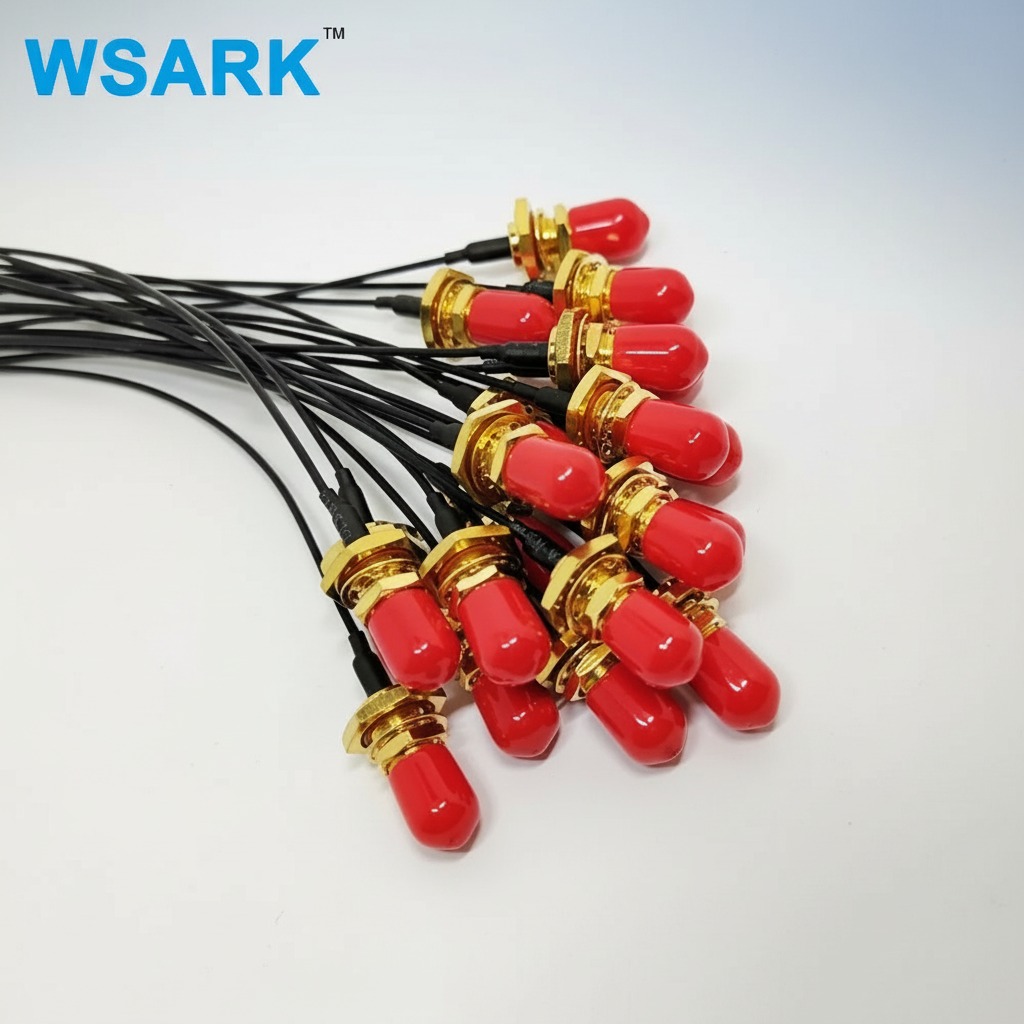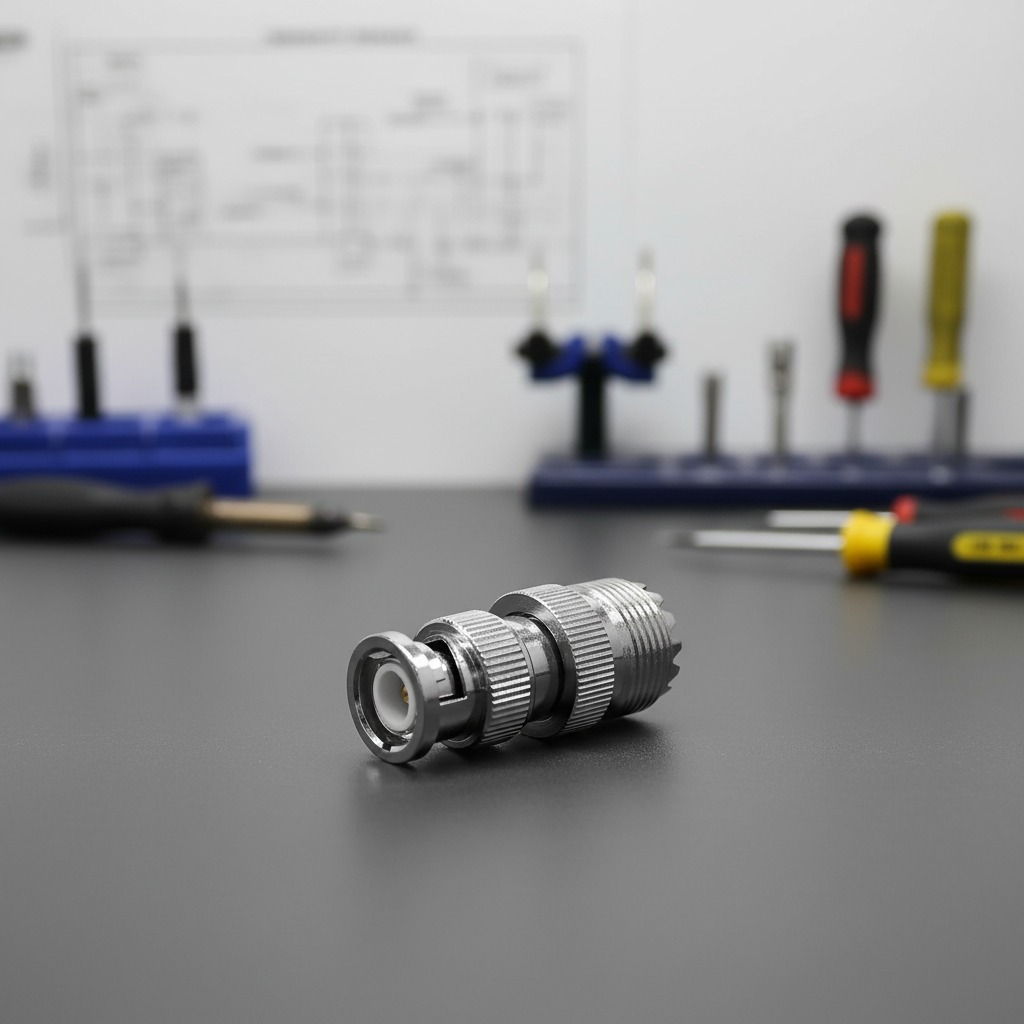

Why RF antenna cable selection matters more than it looks
Choosing an RF antenna cable is rarely the glamorous part of a build, but it can be the difference between a clean link and a field complaint that nobody can quite reproduce. Engineers tend to spend more time on the radio, the antenna, or the enclosure, then discover later that the cable run is quietly eating gain, adding mismatch, or picking up noise where it should not. In many systems, the antenna cable is not just a jumper. It is part of the RF path, and it behaves that way whether the procurement sheet acknowledges it or not.
That is why buyers usually need more than a part number. They need to know what the cable is expected to do, where losses are acceptable, how much flexibility the installation requires, and whether the assembly has to survive vibration, repeated mating, or outdoor exposure. For sourcing teams, the decision is not only technical. It also affects assembly time, field reliability, and the number of variants that have to be stocked.
What an antenna cable is actually doing in the system
An antenna cable connects the radio circuitry to the antenna element, but in practical terms it also manages impedance, shielding, and mechanical separation. If the cable is short and the environment is controlled, the system may tolerate a wider range of options. Once the cable gets longer, or the installation moves into a noisy cabinet, vehicle, or industrial panel, details start to matter fast.
The main job is to preserve the signal as it moves from the transceiver to the antenna and back again. That means keeping impedance reasonably consistent, limiting attenuation, and protecting the signal from outside interference. A poor cable choice can reduce effective range, distort performance measurements, or create intermittent faults that are expensive to chase down later.
Quick reference: what buyers usually compare
For most purchasing decisions, the comparison starts with a few practical questions rather than a full RF theory review:
Is the cable length fixed by the enclosure layout, or is there room to shorten the run? Does the radio use a standard connector type, or will the assembly need adapters? Is the application indoors, outdoors, mobile, or exposed to continuous movement? Does the cable need to be low-loss, highly flexible, or simply compact enough to route cleanly?
These questions sound basic, but they point to the real tradeoff: better RF performance often comes with larger diameter, tighter bend limits, or less convenient handling. And in production, convenience matters more than people like to admit.
RF coaxial cable basics without the jargon overload
An RF coaxial cable is the most common construction for antenna interconnects because it provides a center conductor, dielectric, shield, and outer jacket in one controlled geometry. That geometry helps the cable carry high-frequency signals with predictable behavior. In plain terms, coaxial cable is designed to keep the signal where it belongs.
Different cable families emphasize different traits. Some are built to be small and flexible for short internal runs. Others favor lower loss over longer distances. Heavier versions can handle harsher mechanical environments, though they may be harder to route in compact assemblies. The right choice depends on what the system cares about most: signal integrity, installation ease, or durability.
Common attributes to weigh
When comparing cable options, the useful attributes are usually the same across projects: attenuation, shielding effectiveness, flexibility, connector compatibility, and jacket robustness. None of these should be treated as isolated. For example, a cable with excellent low-loss performance may be awkward to bend around a small chassis, and a very supple cable may not hold up well in a harsh production environment.
Selection criteria that matter on the factory floor
From a sourcing perspective, the best antenna cable is the one that fits the application with the fewest compromises. That sounds obvious, but it is where many programs go wrong. Teams sometimes over-specify the cable because they are thinking about worst-case RF loss, then discover that the assembly department has to fight every unit during installation. Others choose a convenient flexible cable and later learn that the RF margin was tighter than expected.
Start with the electrical target. What frequency range is involved? How sensitive is the link to added insertion loss? How long is the route from board to antenna? A short cable can still be the wrong cable if the frequency is high enough or the system budget is narrow.
Then move to the mechanical question. Will the cable stay static, or will it be exposed to repeated motion, vibration, or service access? A panel-mounted antenna inside an industrial enclosure may demand a different construction than a handheld device or a vehicle roof installation. If the cable must pass through a panel or bulkhead, the connector style and strain relief matter as much as the cable itself.
Finally, consider supply chain reality. Standardized connector interfaces and broadly available cable families tend to reduce risk. Exotic combinations may solve a technical issue, but they can also create lead-time pressure and make second sourcing harder. That tradeoff is easy to ignore during development and hard to fix at launch.
Where manufacturers often make avoidable mistakes
The most common mistake is treating all antenna cables as interchangeable. They are not. Two cables can look similar on a drawing and still behave differently in the field because of conductor size, dielectric construction, shield coverage, or connector termination quality. In RF work, the assembly is only as good as the weakest interface.
Another frequent problem is choosing length by convenience rather than by design. Extra length may seem harmless, but every added section can contribute loss and introduce a routing headache. The other extreme is cutting the run too close, which puts mechanical stress on the connectors and makes assembly less forgiving. A cable should fit the product, not just barely survive inside it.
Buyers also underestimate installation quality. A good cable with poor termination or careless handling can underperform a cheaper assembly with cleaner build discipline. This is especially true where the cable is pulled, bent too sharply, or forced into a route the enclosure never really supported. RF problems often begin as mechanical problems.
Practical advice for engineers and sourcing managers
If you are still early in the design, ask for samples before locking the specification. Bench testing can reveal small but important differences in routing behavior, connector fit, and assembly tolerance that a datasheet will not show. If the project is already moving, confirm that the selected RF coaxial cable can be purchased consistently across the program life. That is a boring question until the second build disappears into a lead-time gap.
For sourcing managers, it helps to request documentation that clearly distinguishes between the cable, the connector, and the complete assembly. Those are not the same thing, and the pricing logic is rarely the same either. A low-cost cable may become a more expensive finished assembly once connectorization, test, and handling are included.
For engineering teams, do not ignore the enclosure. A cable that performs well on the bench can behave differently once it is bent around brackets, passed through grommets, or packed beside switching electronics. A little extra routing margin often saves more time than it costs.
How this applies to real product categories
Antennas and their cables show up in a wide spread of products: wireless modules, access points, telemetry devices, industrial controllers, automotive electronics, marine systems, and hobbyist builds. In each case, the core decision is the same, but the priorities shift. Compact consumer devices often favor space savings and simple assembly. Industrial or vehicle systems may care more about vibration resistance and stable performance over time. Outdoor devices add weather exposure and serviceability to the list.
That is why a single “best” cable rarely exists. What works in a short internal RF path may be a poor choice for an external antenna lead. What looks rugged may be unnecessarily stiff for a compact enclosure. The right answer is usually the one that fits the system architecture without forcing compromises elsewhere.
FAQ: common buyer questions
Is a short cable always better?
Usually, yes, if all other factors are equal. Shorter runs generally reduce loss. But a cable that is too short can create stress at the connector, so the practical answer is a controlled, neat route rather than the absolute minimum length.
Can I swap one coax type for another if the connectors fit?
Not safely without checking electrical behavior. Connector compatibility does not guarantee equivalent RF performance. The cable construction still affects loss, flexibility, and shielding.
Do I need the most expensive cable for every antenna?
No. Over-specifying is a common waste. The better approach is to match the cable to the frequency, route length, and mechanical environment, then leave a small margin for installation variation.
What to ask before you release the purchase order
Before ordering, confirm the exact connector pair, cable length, routing constraints, and the environment the assembly will face. If the cable is part of a larger antenna subassembly, make sure the supplier’s scope is clear. One vendor may quote only the cable, while another includes connector termination and final inspection. Those differences matter more than many RF teams expect, and they often show up late if nobody asks early.
For a clean RF build, the smartest decision is usually not the fanciest one. It is the assembly that meets the electrical budget, fits the enclosure without strain, and can be sourced again when the pilot run becomes a production order. That is the real test of an antenna cable, and the part that keeps the product team out of trouble later on.
Next step
If you are comparing options for a new design or trying to standardize an existing assembly, start by mapping the cable route, the connector interface, and the RF budget together. Once those three are aligned, the shortlist becomes much smaller and the buying decision is far less risky.