
Understanding Speaker Dust Caps and Their Importance
Speaker dust caps are essential components in audio equipment that safeguard the delicate cone of a speaker from environmental contaminants. These small, dome-shaped covers, typically made from materials like paper, fabric, or plastic, sit at the center of the speaker driver, directly over the voice coil. By preventing dust, dirt, and debris from accumulating on critical parts, speaker dust caps help maintain optimal sound quality and extend the lifespan of your audio setup. In today's world of high-fidelity sound systems, whether for home theaters, car stereos, or professional audio installations, protecting your investment starts with understanding the role of these unassuming yet vital pieces.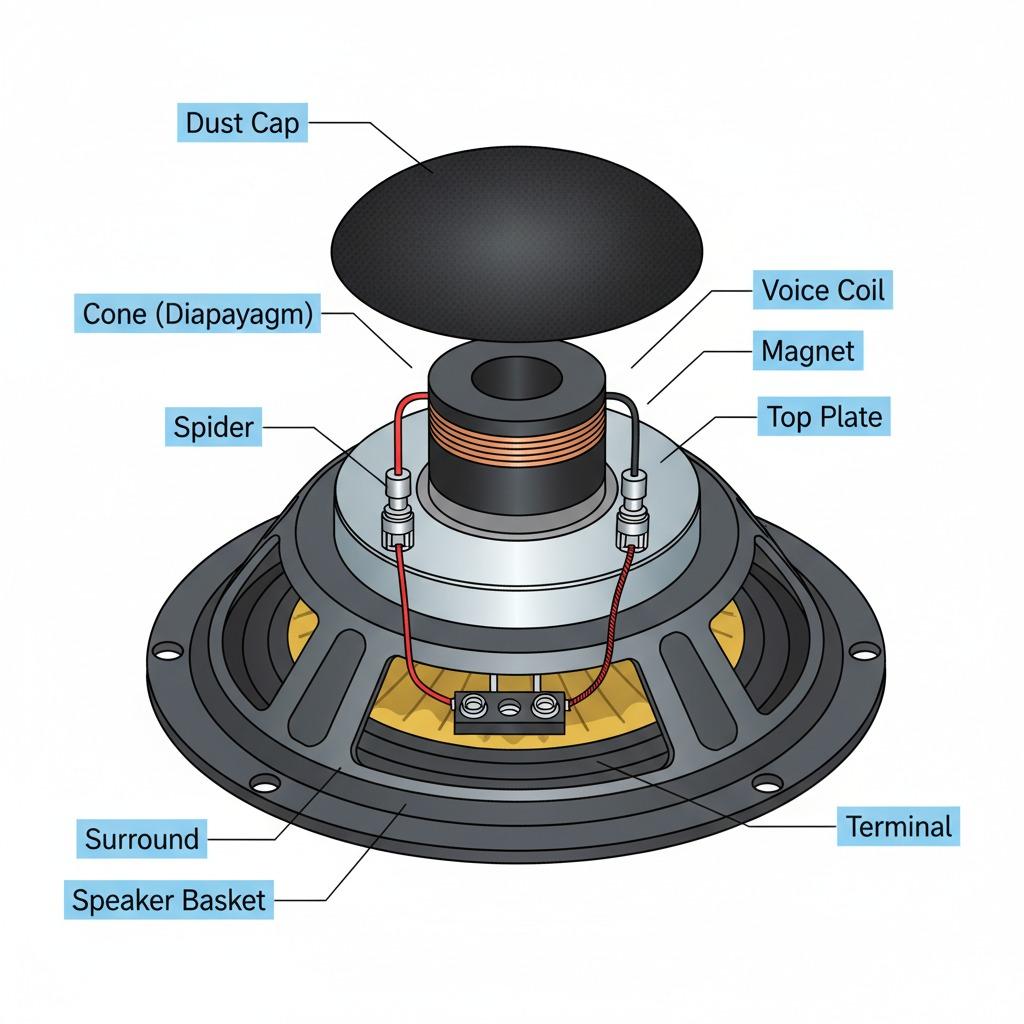
Dust and particles can infiltrate speakers over time, especially in dusty environments or during transportation. Without proper protection, they can cause friction on the moving parts, leading to distorted audio output or even complete failure. Speaker dust caps act as a first line of defense, allowing sound waves to pass through while blocking larger particulates. For audiophiles and casual listeners alike, investing in quality speaker dust caps ensures that your system performs at its best, delivering clear highs and robust bass without interruptions.
Types of Dust Caps for Speakers
When selecting dust caps for speakers, you'll encounter various types designed to fit different speaker models and user needs. Foam dust caps offer flexibility and are ideal for subwoofers where vibration is intense, absorbing minor impacts while keeping dust at bay. Paper-based options are lightweight and cost-effective, commonly found in budget-friendly bookshelf speakers. For premium setups, metal or treated fabric dust caps provide enhanced durability and aesthetic appeal, often matching the grille or cabinet design.
Speaker protection covers extend beyond just the central cap, encompassing full grille systems that shield the entire driver assembly. These are particularly useful in public or high-traffic areas like conference rooms or outdoor events. Speaker dust protection solutions also include adhesive seals or custom-fit domes that can be retrofitted to older speakers. Choosing the right type depends on your speaker's size, material, and usage— for instance, marine-grade speaker dust caps are waterproof and UV-resistant, perfect for boat audio systems.
Innovation in this space continues, with some manufacturers incorporating anti-microbial coatings on dust caps for speakers to prevent mold in humid climates. Regardless of the type, ensure compatibility with your speaker's diameter and mounting style to avoid installation issues that could compromise sound integrity.
Benefits of Using Speaker Dust Caps
The primary advantage of speaker dust caps lies in their ability to preserve audio performance. By keeping the speaker cone clean, they prevent the buildup that leads to muffled sounds or rattling noises during playback. In professional environments, such as recording studios, reliable speaker dust protection translates to consistent output, reducing the need for frequent maintenance and saving costs over time.
Beyond functionality, dust caps for speakers contribute to longevity. Exposure to dust accelerates wear on the suspension and voice coil, but a simple cap can mitigate this, potentially adding years to your equipment's life. They also enhance safety by covering sharp edges on the cone, which is useful in homes with children or pets. Environmentally, reusable and recyclable speaker protection covers align with sustainable practices, minimizing electronic waste.
Users often report improved clarity after replacing worn dust caps, as fresh protection allows for better airflow and resonance. In car audio, where roads kick up fine particles, speaker dust caps are indispensable for maintaining bass response without degradation.
How to Install and Maintain Dust Caps for Speakers
Installing dust caps for speakers is a straightforward process that most DIY enthusiasts can handle. Begin by powering off and disconnecting your audio system. Gently remove the existing grille if present, then carefully peel away the old cap using a flat tool to avoid damaging the cone. Clean the area with a soft brush or compressed air to remove any residue, ensuring a smooth surface for the new cap.
Apply adhesive sparingly around the edge of the new speaker dust cap, then press it firmly into place, centering it over the voice coil. Allow it to dry as per the manufacturer's instructions—usually 24 hours—before testing the speaker. For non-adhesive speaker protection covers, secure them with provided clips or magnets.
Maintenance involves periodic inspection; check for tears or loosening every few months, especially in high-use scenarios. Wipe the exterior with a microfiber cloth, avoiding liquids that could seep inside. In dusty areas, consider vacuuming around the speakers regularly to reduce the load on the speaker dust protection. If you're dealing with vintage equipment, source replacement caps from specialized suppliers to match original specifications.
Choosing the Best Speaker Dust Protection Solutions
Selecting the ideal speaker dust caps requires considering factors like material quality, size, and environmental conditions. Measure your speaker's central opening accurately to ensure a perfect fit—most caps range from 1 to 4 inches in diameter. Opt for brands known for acoustic transparency to avoid damping the sound.
For comprehensive protection, combine dust caps with additional speaker protection covers, such as mesh grilles or enclosures. In humid or coastal regions, prioritize moisture-resistant options to prevent corrosion. Budget plays a role, but remember that premium speaker dust protection often pays off through superior performance and warranty support.
Explore user reviews and expert recommendations when shopping; forums dedicated to audio enthusiasts frequently discuss the best dust caps for speakers in various applications. Whether upgrading a home system or outfitting a vehicle, the right choice enhances both protection and enjoyment.
Common Myths About Speaker Dust Caps Debunked
A prevalent myth is that speaker dust caps significantly alter sound quality, but high-quality ones are engineered to be acoustically neutral. Another misconception holds that all dust needs professional removal, yet simple at-home cleaning suffices for most cases. Understanding these truths empowers you to make informed decisions about speaker dust protection.
In conclusion, speaker dust caps are more than mere accessories—they're crucial for sustaining the vibrancy of your audio experience. By integrating proper dust caps for speakers into your setup, you ensure reliability and excellence in every note played.
Frequently Asked Questions (FAQ)
1. What is a speaker dust cap and why is it important?
A speaker dust cap is a small, dome-shaped cover (typically made of paper, fabric, foam, plastic, or metal) located at the center of the speaker driver, directly over the voice coil. Its primary purpose is to prevent dust, dirt, debris, and moisture from entering the voice coil gap and accumulating on sensitive moving parts. Without a dust cap, contaminants can cause friction, distortion, reduced sound quality, overheating, or complete speaker failure. It is an essential component for maintaining audio performance and extending speaker lifespan.
2. What types of speaker dust caps are available, and which is best for my needs?
| Material | Advantages | Best For |
|---|---|---|
| Paper | Lightweight, cost-effective, good acoustic transparency | Budget bookshelf speakers, general home use |
| Fabric / Cloth | Durable, flexible, good damping properties | Mid-range speakers, automotive audio |
| Foam | Excellent vibration absorption, lightweight | Subwoofers, high-excursion applications |
| Metal (aluminum, titanium) | Very durable, rigid, often aesthetically matched | Premium speakers, professional audio, marine environments |
| Plastic / Polypropylene | Moisture-resistant, affordable | Outdoor speakers, high-humidity areas |
Choose based on your speaker type, environment, and budget. For subwoofers, foam is ideal. For marine or outdoor use, plastic or coated fabric offers moisture resistance.
3. How do I know when to replace a speaker dust cap?
Replace your dust cap immediately if you notice:
-
Visible tears, holes, or cracks – Compromises protection and may cause buzzing/rattling
-
Detachment – Cap is loose or falling off
-
Severe denting or deformation – Can affect cone movement and sound quality
-
Mold or mildew (common in humid environments) – Can spread to cone and voice coil
-
After physical damage – Impact from foreign objects or mishandling
As preventive maintenance, inspect dust caps annually or whenever you notice changes in sound clarity or output.
4. Can I replace a speaker dust cap myself, or do I need a professional?
DIY replacement is possible for most standard speakers. Follow these steps:
-
Remove the old cap – Gently peel it off using a flat tool (avoid damaging the cone)
-
Clean the area – Use compressed air or a soft brush to remove adhesive residue and debris
-
Apply adhesive sparingly – Use speaker-specific glue or flexible fabric adhesive around the cap's rim
-
Center and press – Align the new cap over the voice coil and press firmly
-
Allow to dry – Follow manufacturer's instructions (typically 24 hours) before testing
For high-end or vintage speakers, or if you're unsure, consult a professional. Incorrect installation can affect cone balance and sound quality.
5. Do speaker dust caps affect sound quality?
High-quality dust caps are designed to be acoustically neutral – they allow sound waves to pass through while blocking contaminants. However:
-
Damaged or poorly fitted caps can cause buzzing, rattling, or frequency response issues
-
Incorrect material choice (e.g., using a very heavy metal cap on a lightweight tweeter) could alter performance
-
Missing caps expose the voice coil to debris, leading to distortion over time
For critical listening or professional applications, always use caps matched to your speaker's original specifications.
6. How do I protect my speakers beyond using dust caps?
For comprehensive speaker dust protection:
-
Use grilles or mesh covers – Protect the entire driver assembly from physical impact and large debris
-
Position speakers away from dust sources – Avoid placing near windows, air vents, or workshop areas
-
Regular cleaning – Gently vacuum around speakers (use a brush attachment); wipe dust caps with a dry microfiber cloth
-
Humidity control – In damp environments, consider anti-microbial or moisture-resistant dust caps
-
Storage covers – For portable or seasonal speakers, use fabric bags or hard cases when not in use