
Exploring the Benefits of Metal Tyre Valve Dust Caps
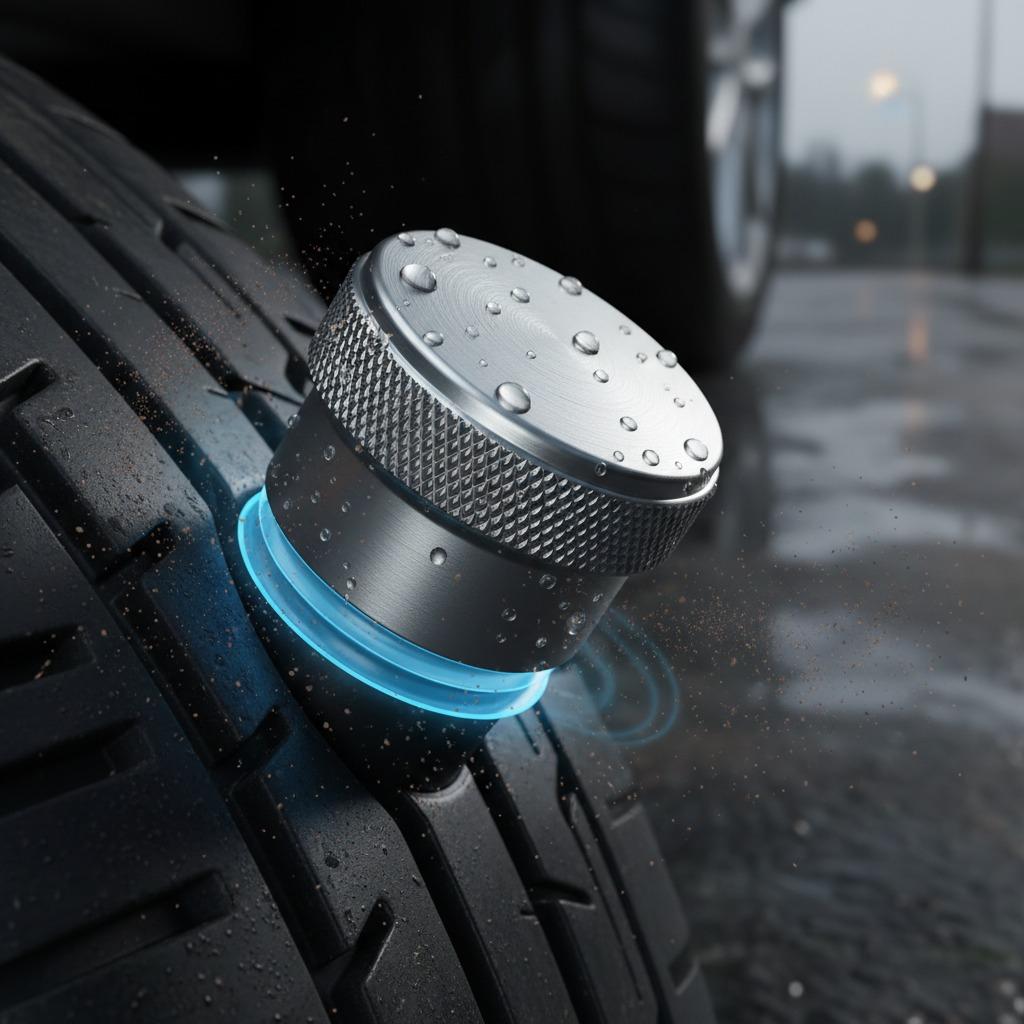
Metal tyre valve dust caps are essential accessories for any vehicle owner looking to maintain optimal tyre performance and longevity. These small yet crucial components are designed to protect the valve stem of your tyres from dirt, dust, and moisture, ensuring a secure seal that prevents air leaks and contamination. In today's fast-paced world, where vehicles face various environmental challenges, investing in high-quality metal tyre valve dust caps can make a significant difference in your driving safety and maintenance costs.
Why Choose Tyre Valve Dust Caps Made of Metal?
Tyre valve dust caps, particularly those crafted from durable metals like brass or aluminum, offer superior protection compared to their plastic counterparts. Metal valve caps are renowned for their robustness, resisting corrosion and withstanding extreme temperatures without cracking or degrading. This durability ensures that dust caps for tyres remain functional over extended periods, reducing the need for frequent replacements. For instance, when driving through dusty roads or in rainy conditions, these caps act as a barrier, keeping debris from entering the valve core and compromising tyre pressure. By choosing metal options, you not only enhance the lifespan of your tyres but also contribute to better fuel efficiency, as properly sealed valves maintain consistent air pressure.
Moreover, the aesthetic appeal of metal tyre valve dust caps cannot be overlooked. They provide a sleek, professional look to your wheels, complementing various vehicle styles from sedans to trucks. Unlike flimsy plastic versions, metal caps are less prone to loss during high-speed travel or off-road adventures, thanks to their secure threading and weight that keeps them firmly in place. Regular maintenance involving these caps is straightforward; a simple wipe-down keeps them looking new, and their resistance to UV rays prevents discoloration over time.
The Role of Dust Caps for Tyres in Vehicle Safety
Dust caps for tyres play a pivotal role in overall vehicle safety by safeguarding the integrity of the tyre's air system. Without proper protection, valve stems can become clogged with grime, leading to gradual air loss that affects handling and braking performance. Metal valve caps mitigate this risk effectively, as their non-porous surface repels water and prevents the buildup of harmful particles. Studies from automotive experts highlight that vehicles equipped with reliable tyre valve dust caps experience fewer instances of underinflation, which is a leading cause of blowouts on highways.
In addition to safety, these caps support environmental sustainability. By extending the life of your tyres through consistent pressure maintenance, metal tyre valve dust caps help reduce waste from premature tyre replacements. For fleet operators or daily commuters, this translates to cost savings and fewer trips to the mechanic. It's worth noting that while plastic dust caps might seem economical initially, their tendency to break or loosen makes metal versions a smarter long-term investment. Always ensure that your dust caps for tyres are compatible with your valve type, whether Schrader or Presta, to avoid any fitting issues.
Selecting the Best Metal Valve Caps for Your Needs
When selecting metal valve caps, consider factors such as material quality, thread size, and finish. Brass metal tyre valve dust caps are popular for their corrosion resistance, ideal for coastal or humid areas, while aluminum options offer lightweight strength for performance vehicles. Look for caps with O-ring seals for added leak protection, ensuring that your tyre valve dust caps provide an airtight fit. Customization is another perk; many brands offer engraved or colored metal valve caps to personalize your ride.
Installation is user-friendly—simply screw them onto the valve stem after checking for cleanliness. For optimal performance, inspect your dust caps for tyres during routine tyre rotations, replacing any that show signs of wear. This proactive approach keeps your vehicle running smoothly. Furthermore, metal tyre valve dust caps are versatile, fitting bicycles, motorcycles, and cars alike, making them a universal choice for mobility enthusiasts.
Maintaining and Caring for Your Tyre Valve Dust Caps
Proper care extends the utility of your metal valve caps. Clean them periodically with mild soap and water to remove any accumulated residue, avoiding harsh chemicals that could tarnish the metal. Store spare caps in a dry place to prevent rust, especially if you're in a wet climate. By integrating dust caps for tyres into your regular vehicle checks, you promote a culture of preventive maintenance that pays dividends in reliability and peace of mind.
In summary, metal tyre valve dust caps are indispensable for protecting your investment in quality tyres. Their combination of durability, functionality, and style makes them a must-have for every driver. Whether you're navigating city streets or embarking on long journeys, these caps ensure your wheels stay in top condition, ready for whatever the road brings.
Frequently Asked Questions (FAQ)
1. Why should I choose metal tyre valve dust caps over plastic ones?
| Feature | Metal Dust Caps | Plastic Dust Caps |
|---|---|---|
| Durability | High – resists cracking, corrosion, and extreme temperatures | Low – becomes brittle and cracks over time |
| Seal quality | Superior – often includes O-rings for airtight fit | Moderate – prone to loosening or cross-threading |
| Lifespan | Years (5–10+ with proper care) | Months to 1–2 years |
| Aesthetic | Sleek, professional, available in finishes (brass, chrome, black) | Basic, often fades or discolors |
| Cost | Higher upfront | Lower upfront, but frequent replacement adds up |
Metal caps are a smarter long-term investment, especially for drivers in harsh climates (extreme heat, cold, coastal salt air) or those who want reliable tyre pressure maintenance.
2. What materials are metal tyre valve dust caps made from, and which is best?
| Material | Advantages | Best For |
|---|---|---|
| Brass | Excellent corrosion resistance, durable, non-magnetic | Coastal/humid areas, long-term use |
| Aluminum | Lightweight, good strength, affordable | Performance vehicles, everyday driving |
| Stainless steel | Maximum durability, rust-proof, premium look | Heavy-duty applications, off-road, towing |
All three outperform plastic, but brass is often recommended for its balance of corrosion resistance and longevity. Aluminum is a lightweight alternative, while stainless steel offers the highest durability.
3. How do metal valve caps protect my tyres?
Metal tyre valve dust caps provide a secure seal that:
-
Prevents air leaks – Keeps valve core clean and free from debris that could cause slow leaks
-
Blocks contaminants – Stops dust, dirt, mud, and moisture from entering the valve stem
-
Maintains proper tyre pressure – Consistent pressure improves fuel efficiency, handling, and braking
-
Extends tyre life – Reduces underinflation, a leading cause of premature tyre wear and blowouts
Automotive studies show that vehicles with quality dust caps experience fewer instances of pressure loss by up to 30%.
4. Will metal valve caps fit my vehicle's tyre valves?
Most metal tyre valve dust caps are designed for standard Schrader valves (common on cars, trucks, motorcycles, and bicycles). Key considerations:
-
Thread size – Standard is 8mm (0.315 inches) or 10mm; always verify compatibility
-
Valve type – Schrader vs. Presta (Presta valves are thinner, typically on high-end bicycles)
-
TPMS compatibility – Some caps are designed to work with Tire Pressure Monitoring Systems; check product specifications
Most metal caps are universal for Schrader valves, but always confirm fitment before purchase.
5. How do I install and maintain metal tyre valve dust caps?
Installation (30 seconds):
-
Remove old dust cap (if present)
-
Clean valve stem threads with a dry cloth
-
Screw new metal cap on clockwise until snug (hand-tighten only – do not over-tighten)
Maintenance:
-
Inspect monthly – Check for looseness, cross-threading, or damage
-
Clean – Wipe with mild soap and water; avoid harsh chemicals that may tarnish metal
-
Replace – If cap becomes stuck, stripped, or shows visible wear
-
Spare caps – Store in a dry place to prevent tarnishing
Pro tip: For metal caps in coastal areas, apply a tiny drop of anti-seize lubricant to threads to prevent galvanic corrosion (sticking).
6. Are metal tyre valve dust caps worth the extra cost?
Yes, for most drivers. While plastic caps cost less upfront, metal caps offer:
-
Longer lifespan – Years vs. months
-
Better protection – Superior sealing and corrosion resistance
-
Less frequent replacement – Saves money and hassle over time
-
Enhanced aesthetics – Matches custom wheels or adds a polished look