
Understanding the Importance of Hydraulic Fitting Dust Caps
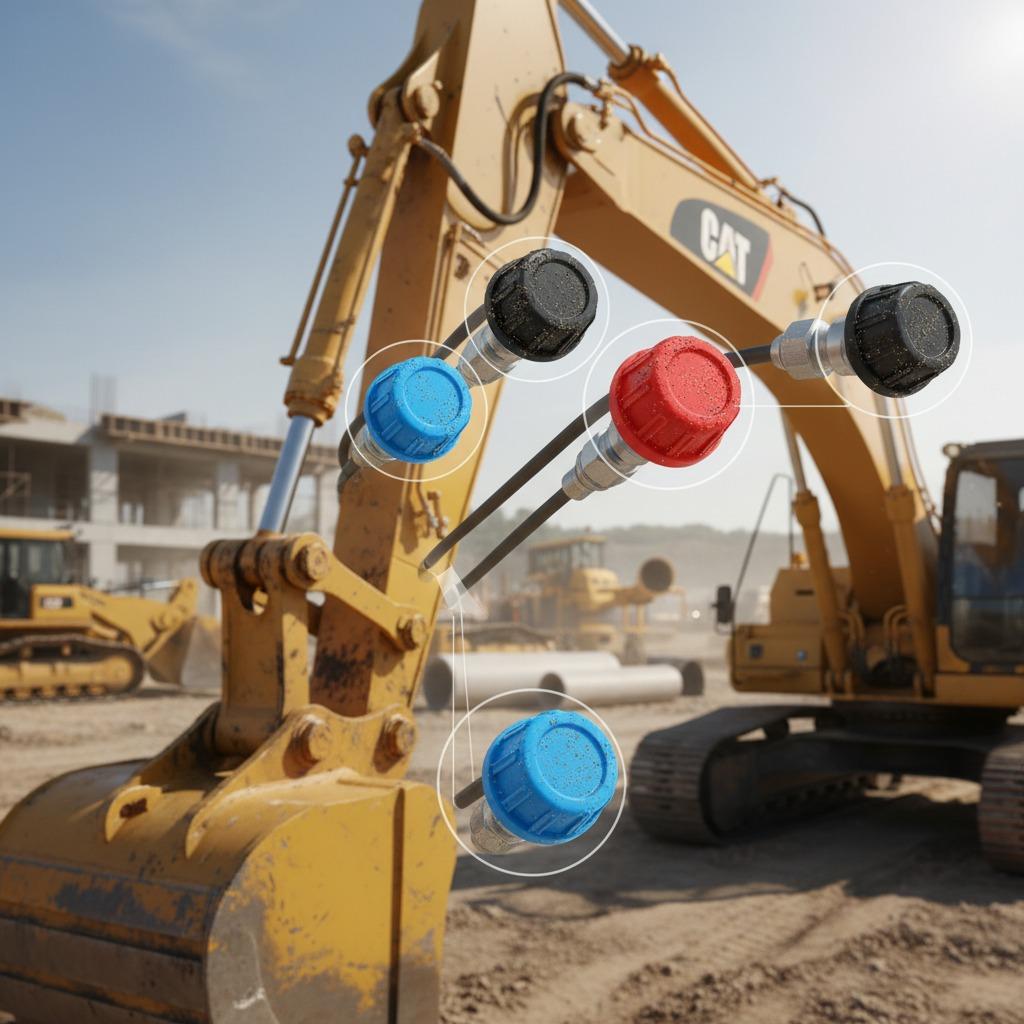
In the world of industrial machinery and fluid power systems, hydraulic fitting dust caps play a crucial role in maintaining equipment integrity. These essential components protect hydraulic fittings from contaminants like dirt, moisture, and debris, which can compromise system performance and lead to costly repairs. As industries rely increasingly on hydraulic systems for efficient operations, investing in high-quality hydraulic caps becomes non-negotiable. Dust caps for hydraulic fittings ensure that connections remain clean and sealed during storage, transportation, or downtime, extending the lifespan of your equipment and reducing maintenance needs.
Key Features of Dust Caps for Hydraulic Fittings
When selecting dust caps for hydraulic fittings, it's important to consider their material composition and design. Typically made from durable plastics or metals, hydraulic fitting accessories like these caps are engineered to withstand harsh environmental conditions. For instance, many dust caps for hydraulic fittings feature a secure threading mechanism that fits snugly over standard hydraulic connectors, providing a reliable barrier against dust and particles. The versatility of hydraulic caps allows them to be used across various applications, from construction sites to manufacturing plants, where exposure to elements is common.
Moreover, hydraulic fitting accessories often include options for different sizes and pressure ratings to match specific system requirements. High-grade hydraulic caps not only prevent ingress of contaminants but also facilitate easy installation and removal, saving time during routine checks. By incorporating these protective elements, businesses can minimize downtime and enhance overall operational safety.
Benefits of Using Hydraulic Caps in Industrial Settings
The advantages of incorporating hydraulic fitting dust caps into your workflow are manifold. Firstly, they safeguard against corrosion and wear, which are primary causes of hydraulic system failures. Dust caps for hydraulic fittings act as a first line of defense, keeping out abrasive particles that could damage seals and valves. In environments with high dust levels, such as mining or agriculture, the role of hydraulic fitting accessories cannot be overstated—they preserve fluid cleanliness and pressure consistency.
Additionally, using quality hydraulic caps reduces the risk of contamination-related leaks, which can lead to environmental hazards and regulatory issues. From a cost perspective, investing in these caps proves economical; they prevent expensive overhauls by maintaining system reliability. For teams handling heavy machinery, the peace of mind offered by robust dust caps for hydraulic fittings translates to smoother project execution and fewer interruptions.
Selecting the Right Hydraulic Fitting Accessories
Choosing the appropriate hydraulic fitting dust caps requires attention to compatibility and standards. Ensure that your hydraulic caps align with industry specifications, such as those from SAE or ISO, to guarantee a proper fit. Dust caps for hydraulic fittings come in various types, including plug-style and cap-style, each suited to different connection points. Hydraulic fitting accessories should also be resistant to chemicals and temperature extremes to perform optimally in diverse conditions.
Consider factors like thread size, material durability, and ease of use when evaluating options. For example, caps with tether attachments prevent loss during operations, adding to their practicality. By prioritizing these features, you can select hydraulic caps that integrate seamlessly into your existing setup, enhancing protection without complicating workflows.
Maintenance Tips for Hydraulic Caps and Related Components
To maximize the effectiveness of hydraulic fitting dust caps, regular maintenance is key. Inspect hydraulic caps periodically for signs of wear, such as cracks or loosening, and replace them as needed to maintain a tight seal. Dust caps for hydraulic fittings should be cleaned after each use to remove any adhered particles, ensuring they remain functional.
Incorporate hydraulic fitting accessories into your preventive maintenance routine, checking for compatibility with evolving system needs. Proper storage of unused caps—away from direct sunlight and moisture—prolongs their usability. Educating your team on the correct application of these components fosters a culture of proactive care, ultimately boosting equipment longevity and efficiency.
Applications of Dust Caps for Hydraulic Fittings Across Industries
Hydraulic fitting dust caps find widespread use in sectors demanding precision and reliability. In construction, they protect excavator and loader hydraulics from site dust, ensuring consistent performance. Manufacturing facilities utilize hydraulic caps to shield assembly line connections, minimizing production halts due to contamination.
Agriculture benefits from dust caps for hydraulic fittings in tractors and irrigation systems, where soil and water exposure is rampant. Even in automotive repair shops, hydraulic fitting accessories like these caps maintain tool readiness. Their adaptability makes them indispensable for any operation relying on hydraulic power, from offshore drilling to aerospace maintenance.
Future Trends in Hydraulic Fitting Accessories
As technology advances, hydraulic fitting dust caps are evolving with innovations like smart sensors for real-time monitoring of seal integrity. Enhanced materials, such as UV-resistant polymers, are making hydraulic caps more resilient for outdoor applications. Dust caps for hydraulic fittings integrated with RFID tags could soon enable automated inventory tracking, streamlining supply management.
Sustainability is another focus, with eco-friendly hydraulic fitting accessories gaining traction through recyclable designs. These trends promise to make protection more efficient and environmentally conscious, aligning with global industrial shifts toward greener practices. Staying ahead with such developments ensures your systems remain competitive and future-proof.
Why Choose Quality Hydraulic Caps for Long-Term Reliability
Ultimately, the choice of hydraulic fitting dust caps reflects a commitment to excellence in operations. By opting for premium dust caps for hydraulic fittings, you invest in durability that pays dividends through reduced failures and optimized performance. Hydraulic fitting accessories from reputable sources offer the assurance of quality craftsmanship, tailored to meet rigorous demands.
In summary, integrating hydraulic caps into your toolkit is a strategic move that safeguards investments and enhances productivity. Whether for daily use or long-term storage, these components deliver unmatched protection, proving their value across countless scenarios.
Frequently Asked Questions (FAQ)
1. What are hydraulic fitting dust caps, and why are they necessary?
Hydraulic fitting dust caps are protective covers designed to fit over hydraulic connectors, ports, and fittings. Their primary purpose is to prevent contaminants such as dirt, dust, moisture, debris, and abrasive particles from entering hydraulic systems during storage, transportation, or downtime. They are necessary because even microscopic contaminants can damage seals, valves, and internal components, leading to system inefficiency, leaks, costly repairs, and unplanned downtime. By keeping fittings clean and sealed, dust caps extend equipment lifespan and maintain operational reliability.
2. What materials are hydraulic caps made from, and which is best for my application?
Hydraulic fitting dust caps are typically manufactured from two main material categories:
| Material | Advantages | Best Applications |
|---|---|---|
| Durable Plastics (e.g., PE, PP, Nylon) | Lightweight, corrosion-resistant, cost-effective, chemical-resistant | Indoor manufacturing, light industrial, general-purpose use |
| Metals (e.g., Steel, Brass, Stainless Steel) | High strength, excellent temperature tolerance, impact resistance | Heavy construction, mining, agriculture, offshore drilling, extreme environments |
For harsh conditions involving high temperatures, UV exposure, or heavy abrasion, metal caps are recommended. For standard indoor or moderate environments, high-grade plastic caps offer an economical and effective solution.
3. How do I select the correct dust cap for my hydraulic fittings?
Selecting the right hydraulic fitting dust cap requires attention to several key factors:
-
Compatibility with standards: Ensure caps meet industry specifications such as SAE (Society of Automotive Engineers) or ISO (International Organization for Standardization) for your specific fitting type.
-
Thread size and type: Measure the thread diameter and pitch of your hydraulic fitting. Common sizes include JIC, NPT, ORFS, and BSPP.
-
Cap style: Choose between plug-style (inserts into the fitting) or cap-style (fits over the outside of the fitting), depending on your connection point.
-
Environmental conditions: Consider chemical exposure, temperature extremes, and UV exposure when selecting material.
-
Additional features: Caps with tether attachments prevent loss during removal, while color-coded options aid in quick identification.
When in doubt, consult your equipment manual or contact the fitting manufacturer for specific compatibility recommendations.
4. What are the main benefits of using dust caps for hydraulic fittings?
Using hydraulic fitting dust caps provides numerous operational and financial benefits:
-
Contamination prevention: Blocks dirt, moisture, and debris that could damage seals, valves, and internal components.
-
Corrosion protection: Prevents rust and chemical degradation of exposed metal fittings.
-
Leak reduction: Minimizes contamination-related seal failures that lead to fluid leaks and environmental hazards.
-
Extended equipment life: Reduces wear on hydraulic components, delaying costly overhauls.
-
Cost savings: Prevents expensive repairs and unplanned downtime, offering a high return on investment.
-
Safety compliance: Helps maintain system integrity, reducing risks of sudden failures that could cause workplace injuries.
-
Operational efficiency: Keeps fittings ready for immediate use, eliminating cleaning time before connections.
For industries such as construction, mining, agriculture, and manufacturing, these benefits translate directly to improved productivity and lower operating costs.
5. How do I properly maintain hydraulic fitting dust caps?
To maximize the effectiveness and lifespan of your hydraulic caps, follow these maintenance practices:
-
Regular inspections: Check caps periodically for signs of wear, including cracks, deformation, stripped threads, or loss of flexibility.
-
Cleaning: Remove any adhered dirt or particles from caps after each use using a clean, dry cloth. Avoid harsh solvents that may degrade plastic materials.
-
Replace as needed: Immediately replace any cap that shows visible damage or no longer creates a tight seal. Worn caps cannot provide adequate protection.
-
Proper storage: Store unused caps in a clean, dry environment away from direct sunlight, extreme temperatures, and moisture to prevent material degradation.
-
Team training: Educate maintenance personnel on the correct installation, removal, and handling of dust caps to ensure consistent use.
-
Incorporate into preventive maintenance schedules: Add dust cap inspection to routine equipment checks to ensure they are always in place and functional.
Proper maintenance ensures that hydraulic caps continue to provide reliable protection over their intended service life.
6. What industries and applications commonly use hydraulic fitting dust caps?
Hydraulic fitting dust caps are essential across a wide range of industries where hydraulic systems operate in challenging environments:
| Industry | Typical Applications |
|---|---|
| Construction | Excavators, loaders, bulldozers, cranes – protection from site dust and debris |
| Agriculture | Tractors, harvesters, irrigation systems – shielding from soil, moisture, and fertilizers |
| Manufacturing | Assembly lines, presses, injection molding machines – maintaining cleanliness in production areas |
| Mining | Drilling rigs, haul trucks, conveyors – protection from abrasive mineral dust |
| Automotive Repair | Hydraulic lifts, presses, diagnostic equipment – keeping shop tools ready for use |
| Offshore & Marine | Drilling platforms, ship hydraulics – resistance to saltwater corrosion |
| Aerospace | Ground support equipment, hydraulic test stands – maintaining precision cleanliness standards |
| Waste Management | Compactors, balers, collection vehicles – protection from corrosive and abrasive materials |