
Essential Guide to Boat Trailer Dust Caps: Protection and Performance
When it comes to maintaining your boat trailer in top condition, boat trailer dust caps play a crucial role in safeguarding vital components from environmental hazards. These small but mighty accessories ensure that your trailer's hubs and bearings remain free from dust, debris, and moisture, extending their lifespan and preventing costly repairs. As an avid boater or trailer owner, investing in high-quality boat trailer dust caps can make all the difference in reliability during long hauls to the water.
Boat trailer accessories like dust caps are often overlooked, yet they are indispensable for smooth towing experiences. Whether you're navigating highways or storing your trailer, these caps provide a simple barrier against the elements. In this guide, we'll explore the ins and outs of boat trailer dust caps, including types, benefits, and tips for selection, so you can keep your setup running efficiently.
Understanding Boat Trailer Dust Caps and Their Importance
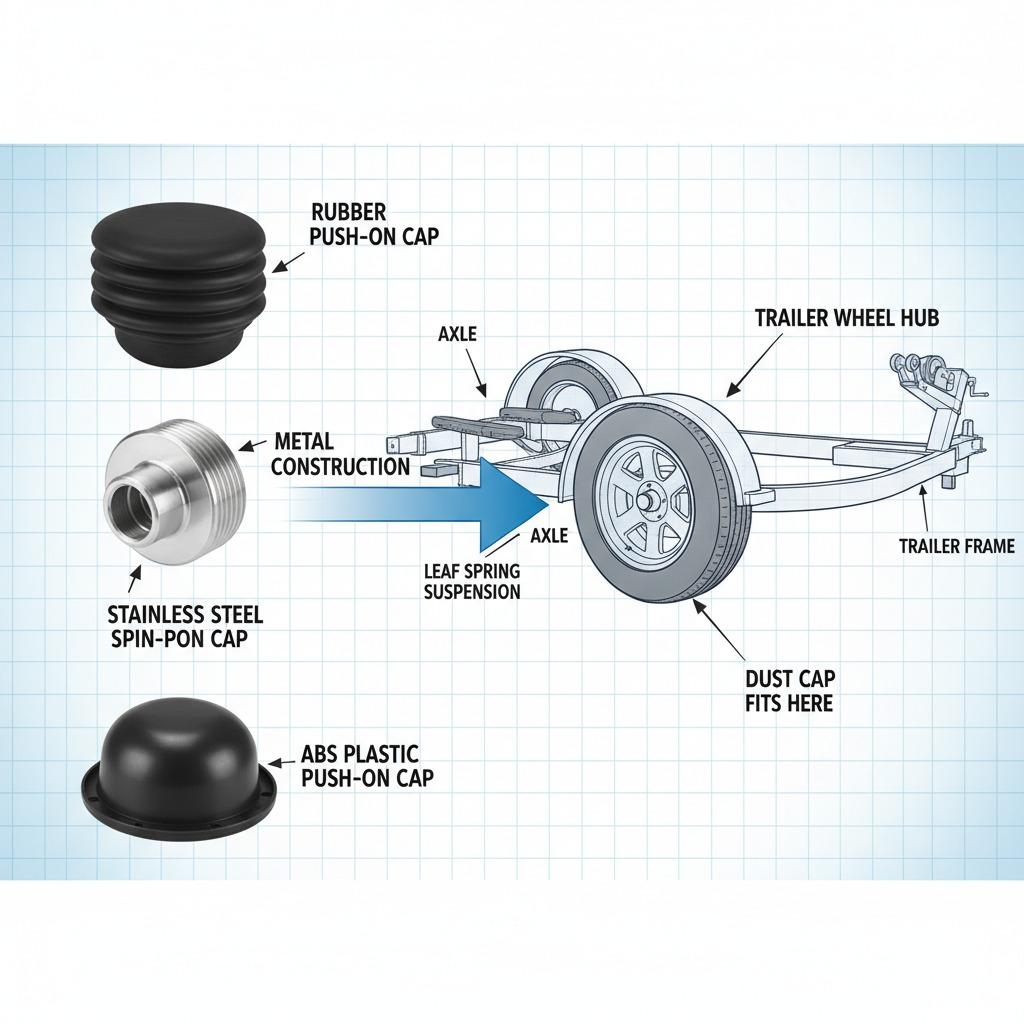
Boat trailer dust caps are specialized covers designed to fit over the wheel hubs of your trailer, sealing out dirt, water, and contaminants that can infiltrate bearings and cause premature wear. Made from durable materials like plastic, rubber, or metal, these caps create a tight seal that maintains lubrication inside the hub while allowing for easy access during maintenance. For anyone who frequently transports their boat, protecting these components is essential to avoid breakdowns that could ruin a weekend outing.
The role of boat trailer dust caps extends beyond basic protection; they contribute to the overall safety and efficiency of your towing setup. Without them, exposure to road grime, saltwater spray, or even garage dust can lead to corrosion and friction, potentially resulting in wheel failures. Regular use of these caps not only preserves the integrity of your trailer but also ensures compliance with safety standards for roadworthiness. It's a small investment that yields significant returns in terms of peace of mind and reduced maintenance costs.
In marine environments, where humidity and salt are constant threats, choosing the right boat trailer dust caps becomes even more critical. Opt for models with reinforced edges and UV-resistant coatings to withstand harsh conditions. By prioritizing these accessories, you're essentially future-proofing your trailer against the wear and tear of seasonal use.
Exploring Trailer Dust Caps: Types and Features
Trailer dust caps come in various designs to suit different trailer sizes and usage scenarios, with boat trailers often requiring models that handle submersion or high-speed travel. Push-on caps offer quick installation and removal, ideal for frequent checks, while spin-on varieties provide a more secure fit for rugged terrains. Understanding these options helps you select trailer dust caps that align with your specific needs, whether for freshwater lakes or coastal voyages.
One key feature to look for in trailer dust caps is their compatibility with standard hub sizes, typically ranging from 1.5 to 2 inches in diameter for most boat trailers. High-quality caps include grease fittings for easy lubrication without disassembly, saving time during routine upkeep. Additionally, some advanced trailer dust caps incorporate vent holes to equalize pressure, preventing seals from blowing out during temperature fluctuations.
Durability is paramount when choosing trailer dust caps, as they must endure impacts from rocks, branches, or accidental bumps. Materials like impact-resistant ABS plastic or stainless steel ensure longevity, while colored options can help with quick visual identification on multi-trailer setups. By focusing on these features, you can enhance the protective layer around your trailer's wheels effectively.
Boat Trailer Accessories: Integrating Dust Caps with Other Essentials
Beyond boat trailer dust caps, a comprehensive set of boat trailer accessories can elevate your towing experience. Pairing dust caps with bearing protectors or hub covers creates a multi-layered defense against contaminants, ensuring every component works in harmony. For instance, combining them with LED lighting upgrades, such as premium indicators, adds visibility and style to your trailer setup.
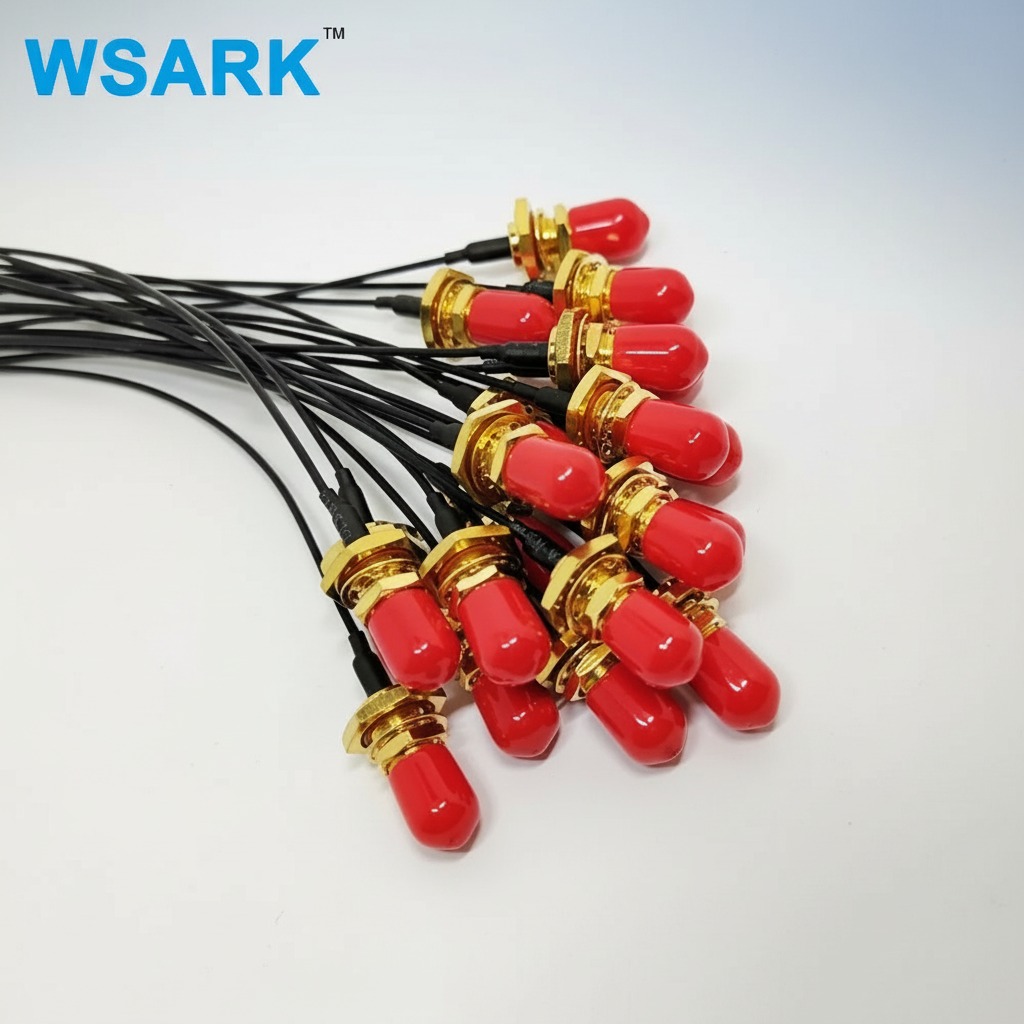
Consider the WSARK Premium LED Indicator Lights as a complementary boat trailer accessory. These lights feature a vibrant red hue in a gold-plated bezel for durability and elegance, with compact designs that integrate seamlessly into trailer wiring. The black wire leads facilitate easy connections, making them perfect for enhancing signal visibility during nighttime tows. While not directly related to dust protection, these indicators boost overall safety, working alongside dust caps to create a reliable trailer system.
Other essential boat trailer accessories include tie-down straps, fender flares, and surge brakes, all of which benefit from the foundational protection provided by dust caps. By curating a well-rounded accessory kit, you minimize risks associated with towing, from wheel failures to visibility issues. This holistic approach keeps your boat secure and your adventures uninterrupted.
Trailer Wheel Dust Caps: Installation and Maintenance Tips
Installing trailer wheel dust caps is straightforward and requires minimal tools, typically just a flathead screwdriver or pliers for a snug fit. Start by cleaning the hub thoroughly to remove old grease or debris, then apply a fresh coat of lubricant before pressing the cap into place. For boat trailers, ensure the cap is rated for water resistance to handle launch and retrieval processes without compromising the seal.
Maintenance of trailer wheel dust caps involves periodic inspections for cracks, dents, or looseness, especially after off-road or water exposure. Replace any damaged caps immediately to avoid ingress of moisture, which can accelerate rust in bearings. A good practice is to remove and clean the caps during off-season storage, applying a silicone lubricant to the rim for better resealing.
To maximize the effectiveness of trailer wheel dust caps, always match them to your trailer's specifications, checking axle size and load capacity. Educational resources from manufacturers can guide proper installation, ensuring you get the most out of these protective elements. With diligent care, your trailer wheels will remain in optimal condition for years.
Why Choose Quality Boat Trailer Dust Caps for Long-Term Savings
Investing in premium boat trailer dust caps translates to substantial long-term savings by preventing expensive hub and bearing replacements. Inferior caps may crack or dislodge easily, leading to frequent downtime and repair bills that add up quickly. In contrast, robust options from reputable sources withstand daily rigors, offering better value over time.
The broader ecosystem of boat trailer accessories underscores the importance of quality across the board. Just as WSARK's LED indicators provide reliable signaling with their high-quality construction, superior dust caps ensure mechanical reliability. This synergy between protection and enhancement makes your trailer a dependable partner for boating enthusiasts.
Ultimately, prioritizing boat trailer dust caps and related accessories fosters a safer, more efficient towing setup. Whether you're a weekend warrior or a full-time mariner, these components keep your focus on the water, not on worries. Equip your trailer wisely, and enjoy countless trouble-free trips ahead.
In summary, from trailer dust caps to comprehensive boat trailer accessories, thoughtful selection and maintenance are key to peak performance. By integrating these elements, you safeguard your investment and enhance every journey.
Frequently Asked Questions (FAQ)
1. What are boat trailer dust caps?
They are protective covers that seal trailer wheel hubs, keeping out water, salt, dust, and debris to prevent bearing damage and corrosion.
2. Why are dust caps especially important for boat trailers?
Boat trailers are frequently submerged during launch and retrieval. Without dust caps, saltwater and moisture can enter hubs, rapidly rusting bearings and causing wheel failure.
3. What materials are best for boat trailer dust caps?
-
Stainless steel: Best for saltwater use – corrosion-resistant and durable.
-
UV-resistant ABS plastic: Good for freshwater – lightweight and affordable.
-
Rubber: Provides excellent sealing but may degrade in sunlight.
4. How do I know which size dust cap to buy?
Measure the outside diameter of your wheel hub (typically 1.5" to 2.5" for boat trailers). Check your trailer manual or bring an old cap to a supply store for matching.
5. How do I install and maintain boat trailer dust caps?
-
Installation: Clean the hub, apply light grease to the cap rim, then press or tap evenly into place.
-
Maintenance: Inspect before each trip for cracks or looseness. Clean with mild soap and water. Replace immediately if damaged.
6. Can dust caps be used with bearing protectors (Bearing Buddies)?
Yes. Many boat trailers use bearing protectors that have integrated dust caps or accept standard caps. Ensure the dust cap is compatible with your specific bearing protector model for a proper seal.