
Understanding Axle Dust Caps and Their Importance
Axle dust caps are essential components in vehicle maintenance, designed to protect the hub and bearings from dust, debris, and moisture. These small but crucial parts seal the end of the axle, preventing contaminants from entering and causing premature wear. Whether you're dealing with everyday driving or off-road adventures, ensuring your axle dust caps are in good condition can save you from costly repairs down the line. In this article, we'll explore everything you need to know about axle dust caps, including types, installation, and when to consider axle cap replacement.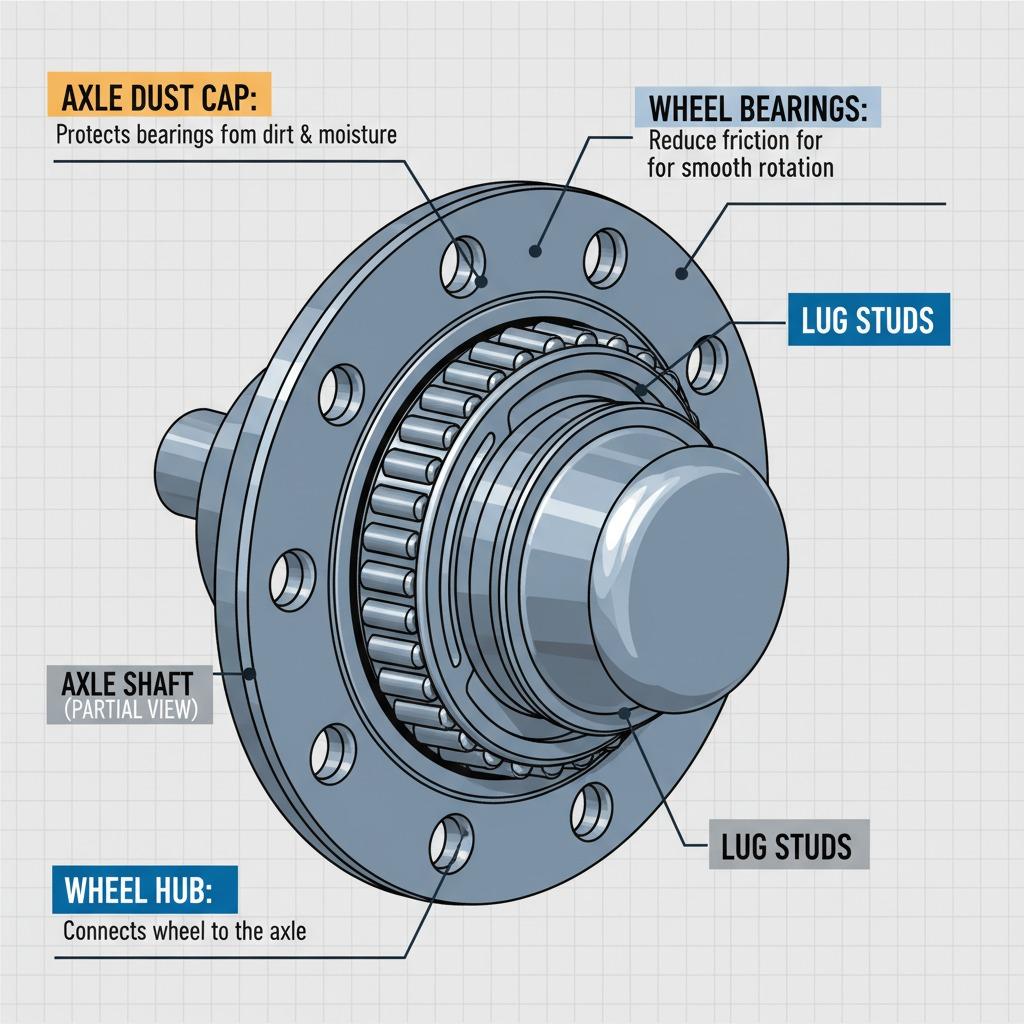
Types of Wheel Axle Dust Caps for Various Applications
Wheel axle dust caps come in several varieties to suit different vehicles and uses. For instance, automotive axle dust caps are commonly made from durable materials like steel or plastic, with steel options providing superior strength for heavy-duty trucks and plastic ones offering lightweight protection for passenger cars. These caps typically feature a press-fit design that snaps securely onto the axle hub, creating a tight seal. When selecting wheel axle dust caps, consider the size and thread specifications of your axle to ensure compatibility. For trailers, specialized versions with vent holes allow pressure equalization without letting water or dirt inside, making them ideal for long hauls.
Beyond material, the design can vary; some include O-rings for enhanced sealing, while others are simple snap-on types. Automotive axle dust caps often incorporate grease fittings nearby to facilitate lubrication without removal. If you're working on older vehicles, you might encounter vintage-style axle dust caps that require specific tools for installation. Always check for corrosion-resistant coatings to prolong their lifespan, especially in harsh environments like salted roads during winter.
The Role of Axle Dust Caps in Vehicle Safety and Longevity
Axle dust caps play a vital role in maintaining the integrity of your vehicle's wheel assembly. By keeping out dust and grime, they ensure that bearings remain lubricated and free from abrasion, which directly impacts handling and safety. A compromised cap can lead to bearing failure, resulting in wheel wobble or even detachment—scenarios no driver wants to face. Regular inspection of these caps is part of routine maintenance, particularly after off-roading or exposure to muddy conditions.
In automotive applications, properly functioning automotive axle dust caps contribute to fuel efficiency by reducing drag from contaminated hubs. They also prevent rust buildup on the axle shaft, which could otherwise weaken the structure over time. For fleet operators or those with multiple vehicles, investing in high-quality wheel axle dust caps can reduce downtime and maintenance costs. Studies from automotive experts show that sealed components like these extend bearing life by up to 50%, underscoring their value in preventive care.
When and How to Perform Axle Cap Replacement
Axle cap replacement becomes necessary when you notice signs of damage, such as dents, cracks, or leaks around the seal. Common indicators include unusual noises from the wheel area or visible grease leakage, which suggest the cap has failed. To replace it, start by safely jacking up the vehicle and removing the wheel for access. Use a flathead screwdriver or specialized puller tool to gently pry off the old cap, taking care not to damage the axle flange.
Once removed, clean the area thoroughly to remove any old grease or debris before installing the new one. For wheel axle dust caps, apply a thin layer of lubricant to the inner rim for a smooth fit, then press it on firmly until it seats completely. Automotive axle dust caps may require tapping with a rubber mallet for secure attachment. After replacement, spin the wheel to check for smooth rotation and ensure no play exists. If you're unsure, consulting a mechanic for axle cap replacement can prevent further issues.
It's worth noting that DIY axle cap replacement is straightforward for most, requiring only basic tools and about 30 minutes per side. However, for complex setups like those in RVs or heavy machinery, professional assistance is recommended. Stock up on spares to avoid roadside delays, and always match the replacement to your vehicle's specifications for optimal performance.
Maintenance Tips to Extend the Life of Your Axle Dust Caps
To maximize the durability of your axle dust caps, incorporate regular cleaning into your maintenance routine. After driving through dusty or wet areas, inspect and wipe down the exterior with a mild cleaner to prevent buildup. Avoid high-pressure washing directly on the caps, as it could force water past the seal. For long-term storage of vehicles, consider applying a protective spray to the caps to guard against environmental elements.
Additionally, monitor tire pressure and alignment, as imbalances can stress the wheel assembly and indirectly affect the caps. When greasing hubs, ensure the process doesn't overfill and push against the cap. Automotive enthusiasts often recommend annual checks during oil changes to catch wear early. By staying proactive, you can avoid frequent axle cap replacements and keep your vehicle running smoothly.
In summary, axle dust caps are a small investment that yields big returns in vehicle reliability. From wheel axle dust caps for everyday cars to robust automotive axle dust caps for trucks, choosing the right type and maintaining them properly ensures safe travels. If you're experiencing issues, don't hesitate to address them promptly through inspection or replacement. With these insights, you're better equipped to handle your vehicle's needs effectively.