
Understanding the Semi Truck Power Divider: Essential for Heavy Hauling
In the world of heavy-duty transportation, the semi truck power divider stands as a critical innovation that ensures trucks can tackle diverse terrains and loads with reliability. This component, often overlooked by those outside the industry, plays a pivotal role in distributing engine power effectively to the wheels, enhancing traction and preventing drivetrain failures during challenging conditions. Whether navigating steep inclines or slippery surfaces, a well-functioning semi truck power divider can mean the difference between smooth delivery and costly downtime. As trucking professionals know, integrating this technology into your fleet is key to maintaining efficiency and safety on the road.
What is a Power Divider for Semi Trucks?
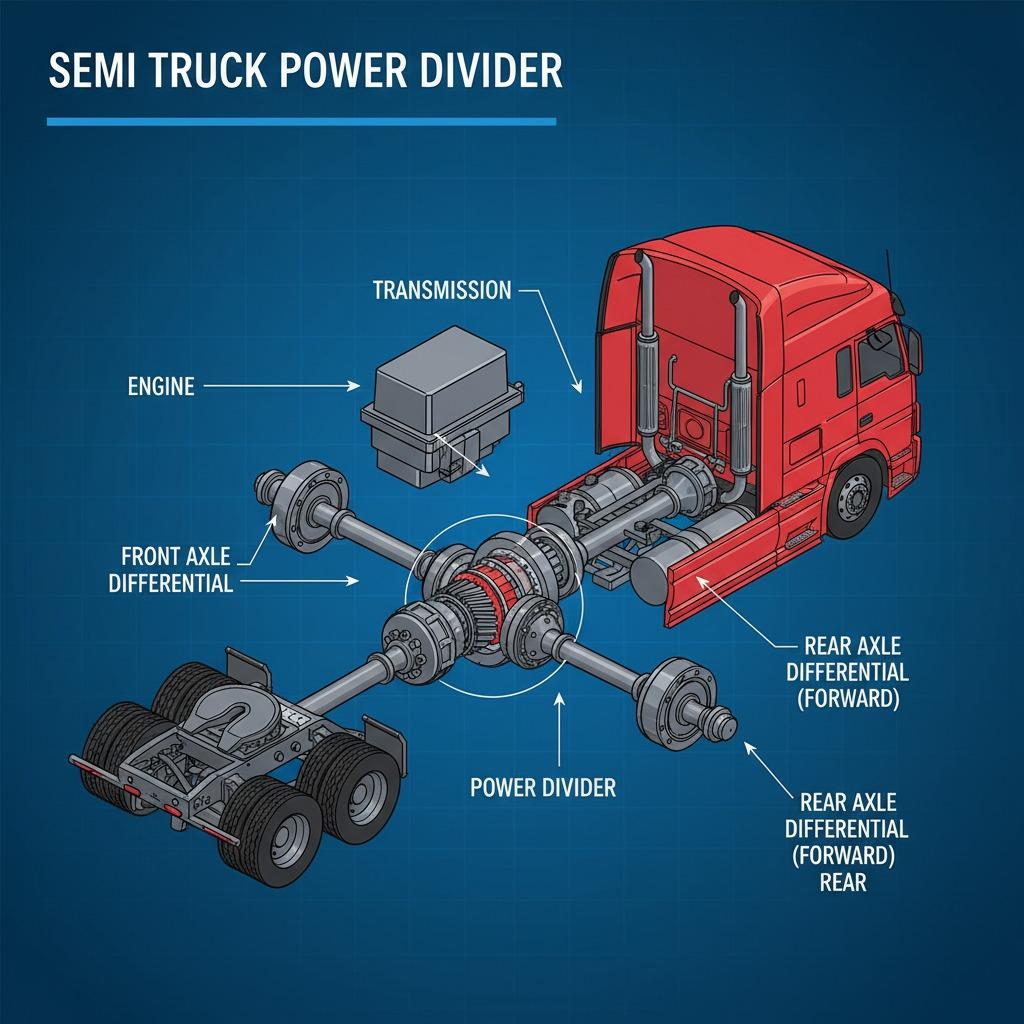
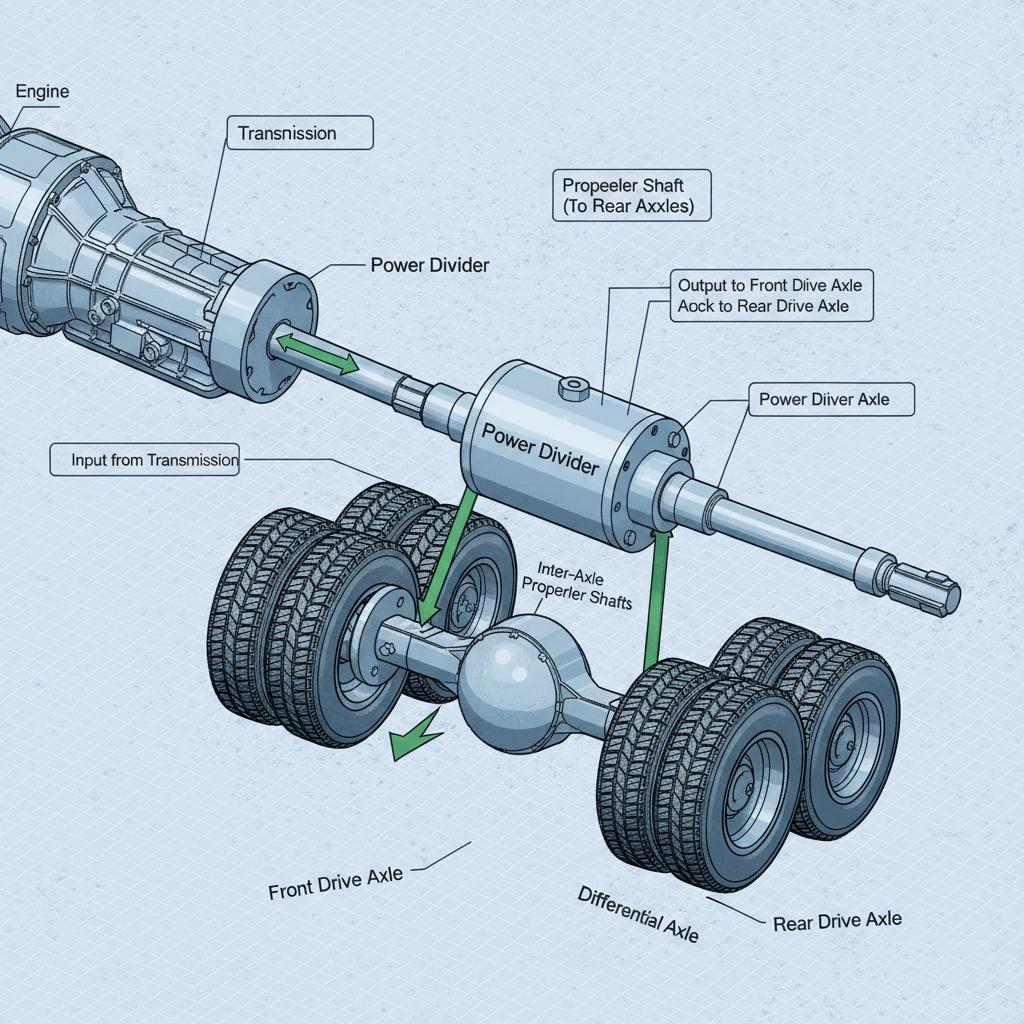
A power divider for semi trucks is essentially a mechanical device integrated into the drivetrain that allows the engine's torque to be split between the front and rear axles. This is particularly vital for semi trucks, which often carry immense loads over long distances. Unlike standard differentials that primarily manage power between wheels on the same axle, the power divider engages to send power to both axle sets simultaneously, providing superior grip and control. For instance, when a driver encounters mud, snow, or gravel, activating the power divider ensures that all driven wheels receive power, reducing the risk of getting stuck. Manufacturers design these units with robust materials like hardened steel to withstand the immense stresses of heavy-duty operations, ensuring longevity even under constant strain. Understanding this component's function helps truck owners appreciate why it's a staple in modern semi truck designs.
The evolution of the power divider for semi trucks traces back to the mid-20th century when trucking demands grew with expanding infrastructure projects. Early models were manual, requiring drivers to engage them via a switch, but today's versions often include electronic controls for seamless operation. This advancement not only improves fuel efficiency by optimizing power distribution but also reduces wear on other semi truck drivetrain components. Regular maintenance, such as checking fluid levels and inspecting gears for wear, is crucial to keep the system performing at its best. By prioritizing a reliable power divider, fleets can minimize repair costs and extend vehicle lifespan, making it an investment in operational resilience.
Key Semi Truck Drivetrain Components and Their Interplay
Semi truck drivetrain components form a complex symphony where the power divider plays a starring role alongside transmissions, differentials, and axles. The drivetrain's primary goal is to convert the engine's power into motion, and the power divider acts as a bridge that enhances this process under demanding conditions. For example, in a tandem axle setup common in semi trucks, the power divider ensures that torque is evenly distributed, preventing overload on any single component. Other elements like the clutch and propeller shafts work in tandem to transmit this power, but without the divider's ability to engage four-wheel drive, the truck's performance in off-road or adverse weather scenarios would suffer significantly.
Integrating the power divider seamlessly with other semi truck drivetrain components requires precise engineering. Modern systems often feature air-activated locks that allow drivers to switch modes effortlessly, balancing between highway efficiency and off-road capability. This interplay not only boosts acceleration and climbing power but also contributes to better handling, which is essential for safety in high-stakes logistics. Truck technicians emphasize the importance of compatibility when upgrading drivetrain parts; a mismatched power divider can lead to vibrations, noise, or even catastrophic failure. By familiarizing yourself with these components, operators can make informed decisions during maintenance schedules, ensuring the entire system operates harmoniously.
Beyond basics, semi truck drivetrain components like the power divider are engineered for diagnostic ease. Many models include sensors that monitor engagement and alert drivers to potential issues via dashboard warnings. This proactive approach helps prevent minor problems from escalating, saving time and money. As regulations tighten on emissions and fuel economy, manufacturers are innovating with lighter materials and electronic enhancements in these components, making them more efficient without sacrificing durability. For fleet managers, investing in high-quality drivetrain setups translates to fewer breakdowns and more reliable service.
The Role of Heavy-Duty Truck Power Dividers in Modern Fleets
Heavy-duty truck power dividers are indispensable for fleets operating in rugged environments, such as construction sites, mining operations, or long-haul routes through mountainous regions. These specialized units are built to handle extreme torque loads, often exceeding 1,000 horsepower in powerful semi trucks. The design incorporates advanced locking mechanisms that prevent slippage, ensuring consistent power delivery even when one axle loses traction. This reliability is why heavy-duty truck power dividers are a go-to choice for industries demanding uninterrupted performance, from logging to oil transport.
In practice, a heavy-duty truck power divider enhances overall vehicle stability by reducing the tendency to spin wheels unnecessarily, which conserves fuel and extends tire life. Drivers report noticeable improvements in maneuverability, particularly when towing heavy trailers. Installation of these dividers typically involves aligning with the existing drivetrain, a process best handled by certified mechanics to avoid alignment issues. Moreover, with the rise of electric and hybrid heavy-duty trucks, power dividers are adapting to new power sources, maintaining their relevance in an evolving industry. Fleets that equip their vehicles with these components often see a return on investment through reduced accident rates and improved delivery timelines.
Looking ahead, the future of heavy-duty truck power dividers points toward smarter, more integrated systems with AI-driven activation. These advancements could predict terrain changes and automatically engage the divider, further optimizing performance. For current users, selecting a power divider suited to specific load requirements—such as high-ratio gears for steep grades—is crucial. By choosing reputable brands known for precision engineering, truck owners can ensure their heavy-duty rigs are ready for any challenge, solidifying the power divider's status as a cornerstone of robust trucking technology.
Maintenance Tips for Optimal Power Divider Performance
Maintaining your semi truck power divider is straightforward yet essential for longevity. Start with routine inspections every 10,000 miles, focusing on seals and bearings for signs of leaks or unusual wear. Using the manufacturer-recommended lubricant is non-negotiable, as it protects against corrosion and ensures smooth operation. For power dividers in heavy-duty applications, consider more frequent checks if the truck frequently encounters harsh conditions like dust or water crossings.
When troubleshooting, listen for grinding noises during engagement, which could indicate gear misalignment in the drivetrain. Professional servicing can recalibrate the system, restoring full functionality. Additionally, training drivers on proper usage—avoiding unnecessary engagements on dry pavement—helps prevent premature wear. By adhering to these practices, the power divider for semi trucks can last over 500,000 miles, providing years of dependable service.
In conclusion, the semi truck power divider, along with related semi truck drivetrain components and heavy-duty truck variants, remains a vital asset in the trucking world. Its ability to enhance traction, efficiency, and safety underscores its importance for professionals seeking peak performance. Embracing this technology ensures that your operations stay ahead, delivering goods reliably across any landscape.