
Understanding Power Divider Semi: A Key Component in RF Engineering
Power divider semi is an essential element in modern RF systems, offering a reliable way to split and distribute signals efficiently. Often utilized in telecommunications, radar, and wireless networks, this semi-rigid design ensures durability and performance under demanding conditions. In this article, we'll explore the intricacies of power divider semi, its applications, and how it compares to other types like semi power divider variations, RF power divider configurations, and microstrip power divider technologies. By delving into these aspects, you'll gain a comprehensive understanding of why power divider semi remains a cornerstone in signal processing.
The Fundamentals of Power Divider Semi
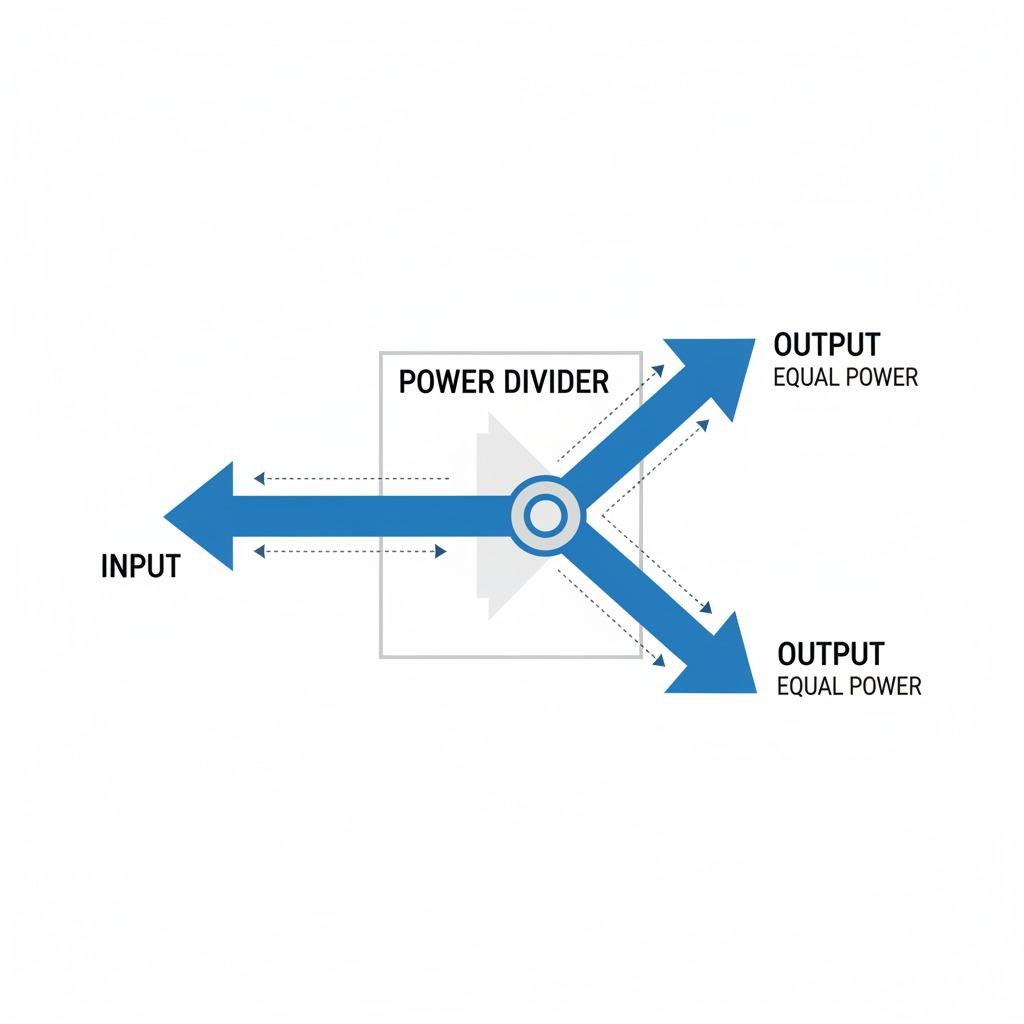
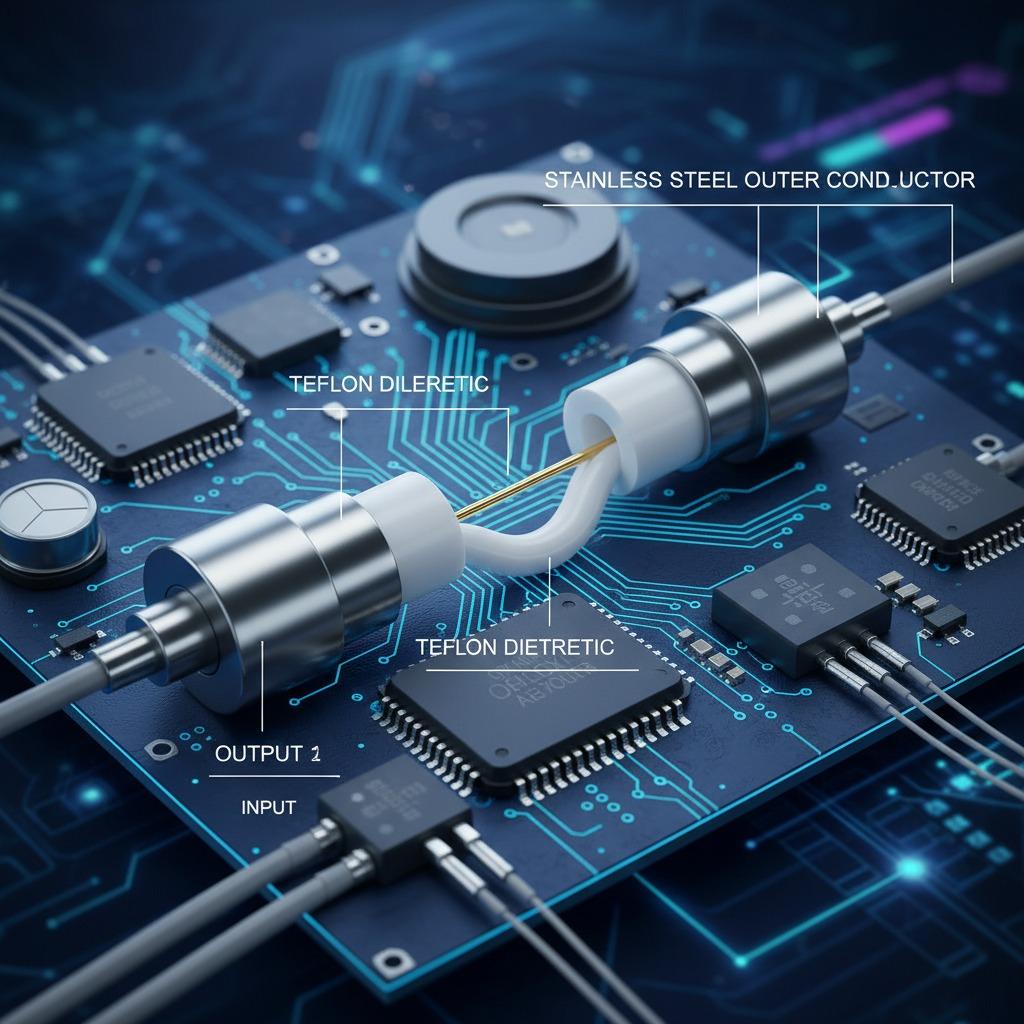
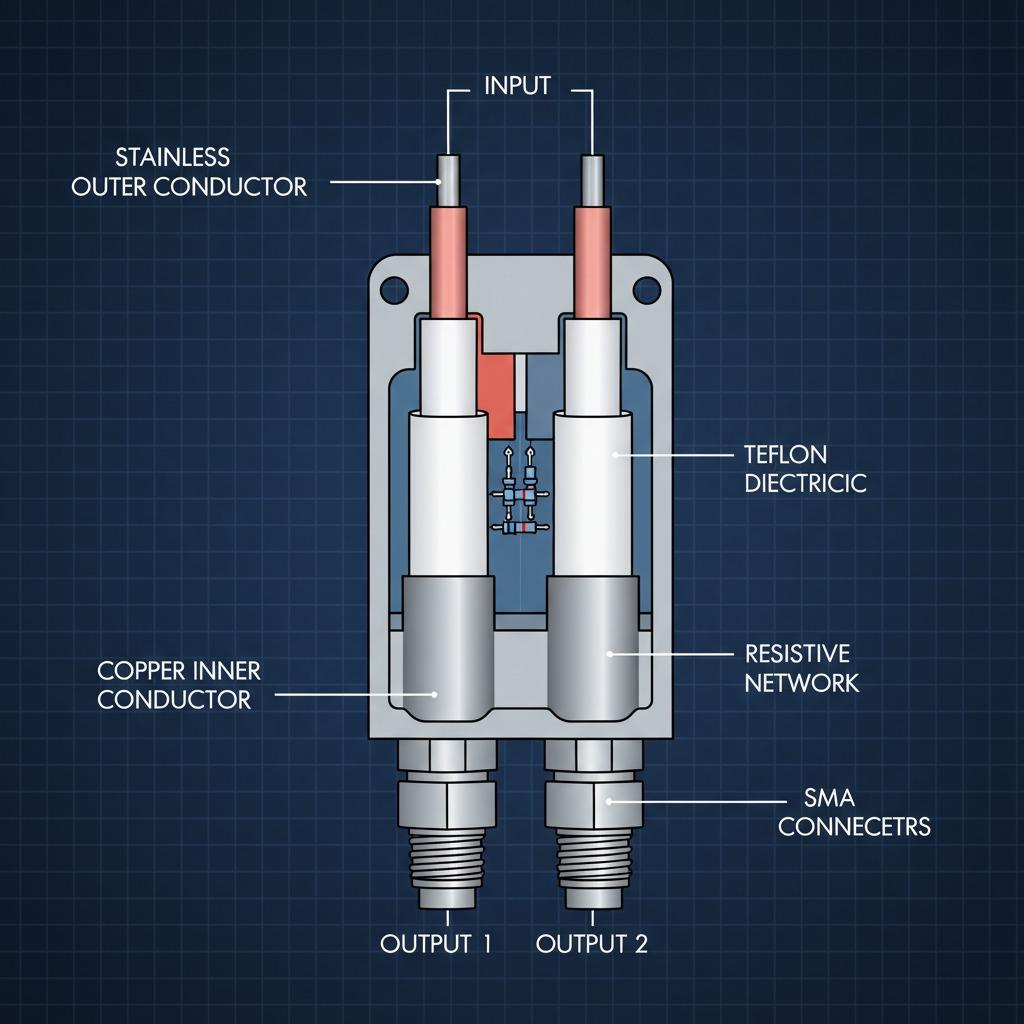
At its core, a power divider semi functions as a passive device that divides an input RF signal into multiple output signals of equal or specified power levels. The 'semi' designation typically refers to its semi-rigid coaxial structure, which provides flexibility in installation while maintaining mechanical stability. This makes power divider semi ideal for applications where space constraints and environmental factors are critical. Unlike fully rigid dividers, the semi version allows for slight bending without compromising signal integrity, which is particularly useful in compact antenna arrays or satellite communications.
The design of power divider semi often incorporates high-quality materials such as stainless steel for the outer conductor and Teflon for the dielectric, ensuring low insertion loss and high isolation between ports. For instance, a typical 2-way power divider semi operates across a broad frequency range, from DC to several GHz, with amplitude balance better than 0.5 dB. Engineers value its phase stability, which is crucial for maintaining coherent signals in phased array systems. When selecting a power divider semi, factors like power handling capacity—often up to several watts—and VSWR (Voltage Standing Wave Ratio) under 1.3:1 are key specifications to consider.
Exploring Semi Power Divider Variations
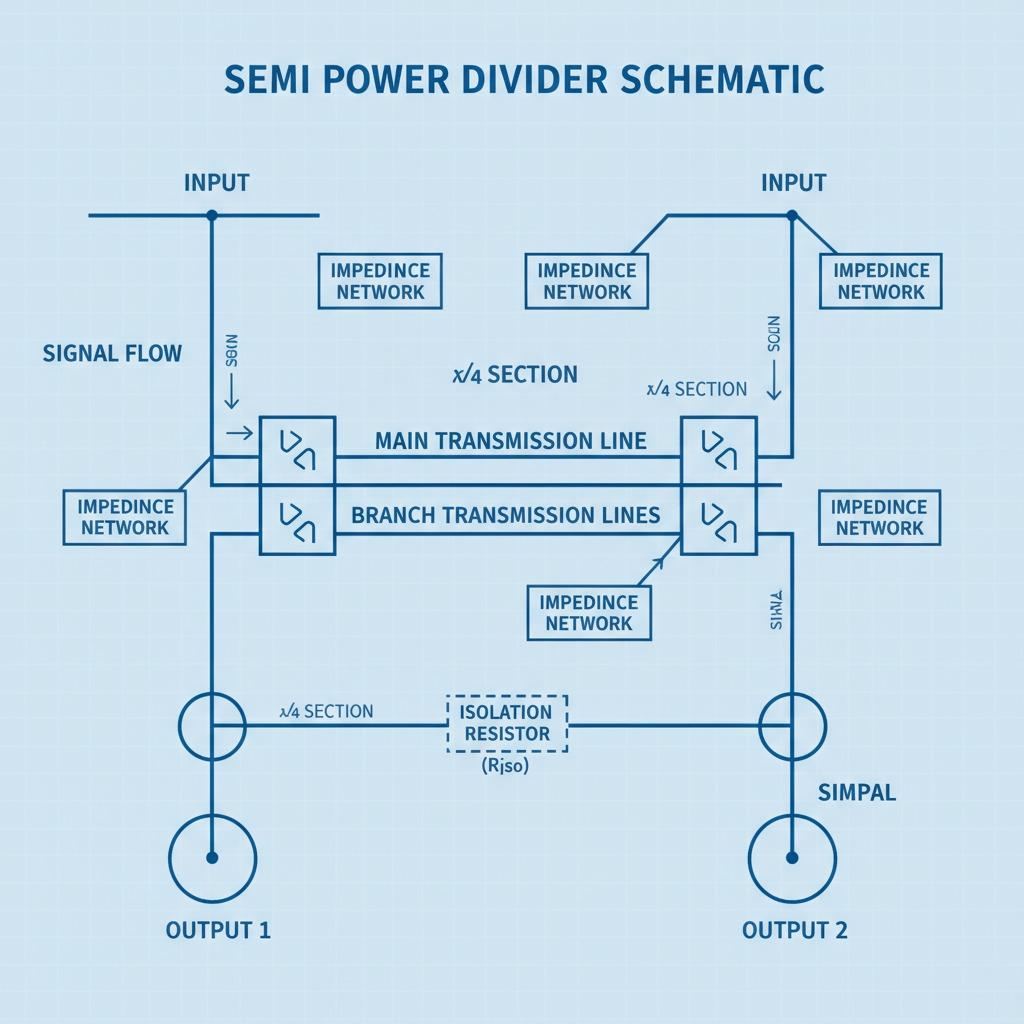
Semi power divider, a closely related term, emphasizes the semi-rigid aspect in power splitting devices. These are engineered to handle high-power RF signals while offering the adaptability of semi-rigid cabling. In practical terms, a semi power divider can be customized for specific impedance levels, commonly 50 ohms, to match standard RF systems. This versatility allows integration into diverse setups, from base stations to test equipment.
One advantage of semi power divider over traditional rigid types is its ease of routing in complex assemblies. For example, in automotive radar systems, where space is limited, the semi-rigid nature prevents signal degradation due to mechanical stress. Performance metrics for semi power divider include isolation greater than 20 dB and low phase difference, ensuring that each output port receives a precise portion of the input power. Manufacturers often test these devices for temperature stability, as they must operate reliably from -55°C to +125°C, making them suitable for aerospace applications.
RF Power Divider: Broader Applications and Design Principles
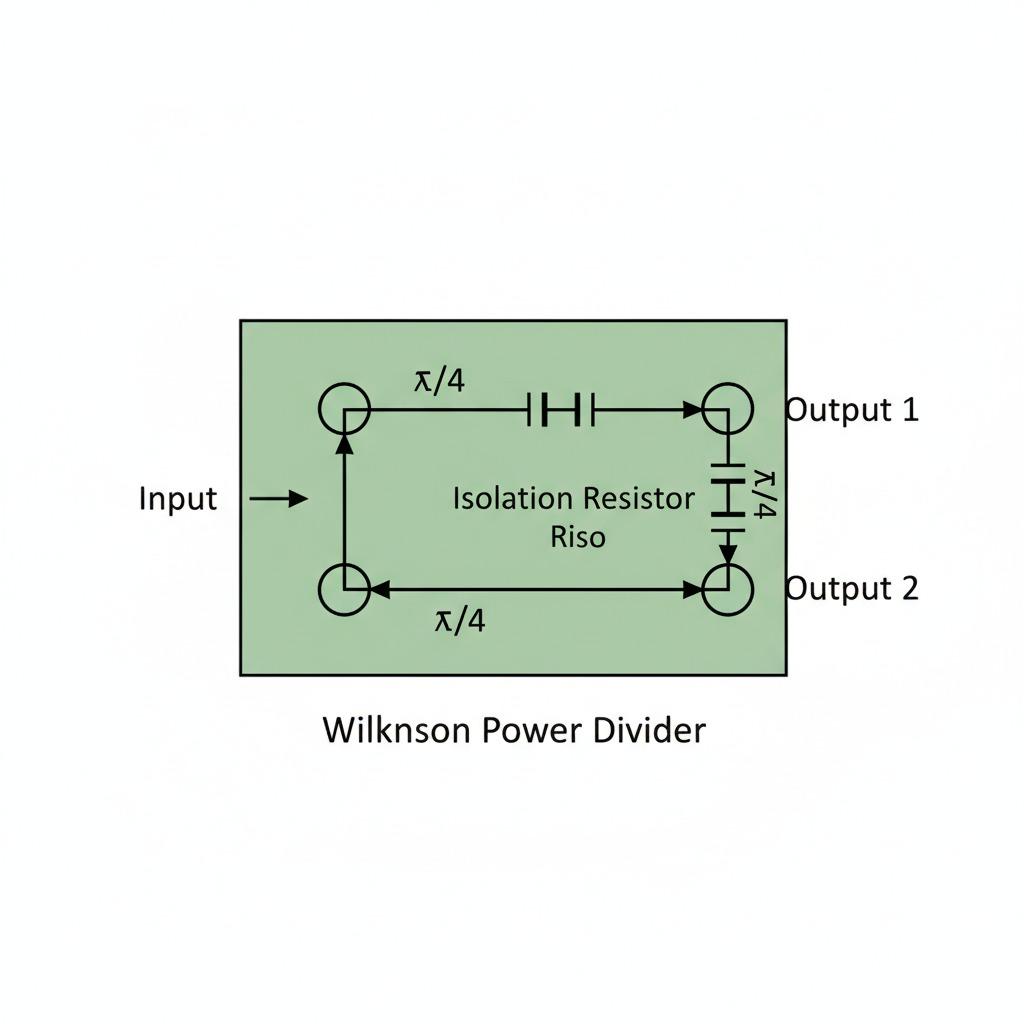
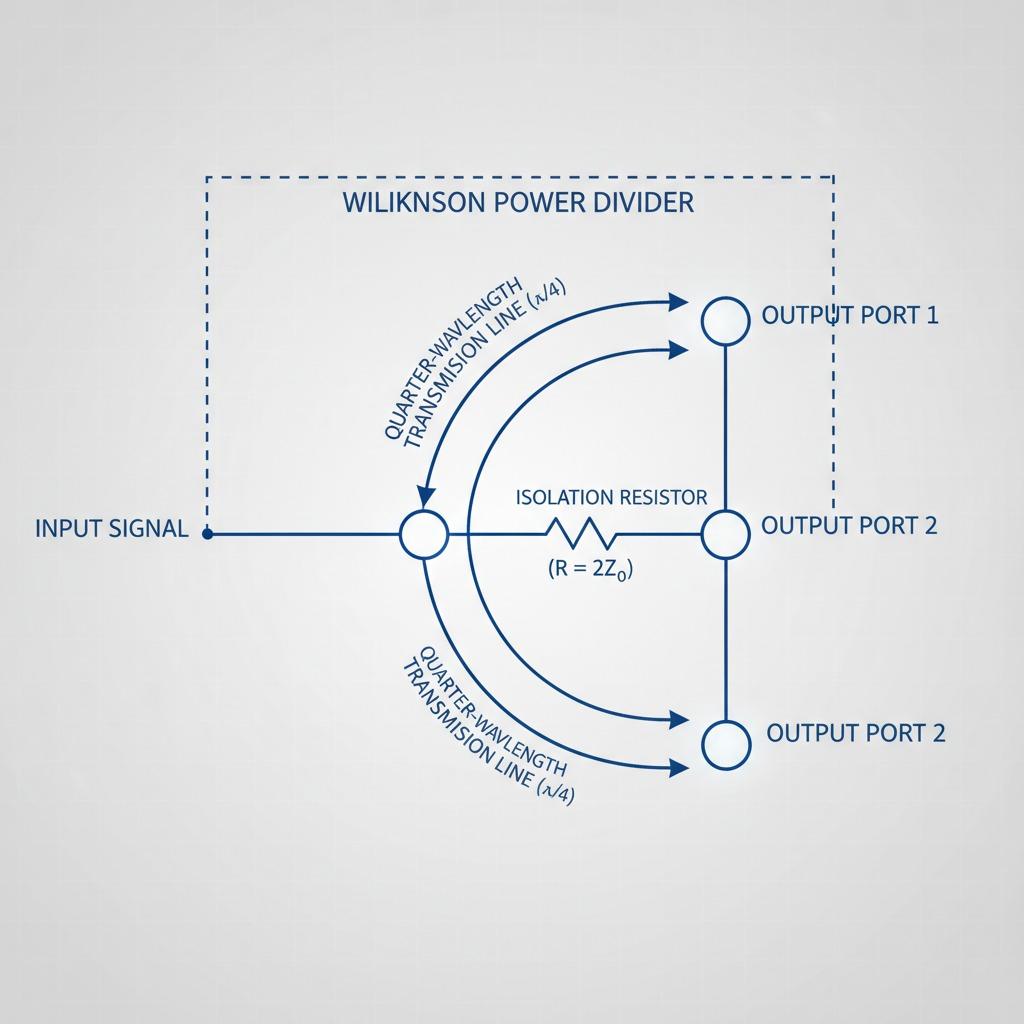
An RF power divider is a general category that encompasses various splitting technologies, including the semi variants. These devices are pivotal in RF engineering for combining or dividing signals in amplifiers, mixers, and transceivers. The RF power divider's primary goal is to maintain signal fidelity while minimizing losses, which is achieved through Wilkinson or branch-line couplers in their construction.
In high-frequency environments, RF power divider designs must address challenges like radiation losses and crosstalk. For broadband applications, such as 5G networks, an RF power divider might feature multiple sections to cover frequencies from 1 to 6 GHz. Power handling is another critical aspect; high-power RF power dividers can manage kilowatts, essential for broadcasting and military radar. Compared to lumped-element dividers, RF power divider using transmission line techniques offer superior performance at microwave frequencies, with insertion loss as low as 0.2 dB.
Integration of RF power divider in systems often requires careful consideration of grounding and shielding to prevent electromagnetic interference. In lab settings, these dividers are used for signal monitoring, where even distribution ensures accurate measurements across vector network analyzers.
Microstrip Power Divider: A Planar Alternative
Microstrip power divider represents a planar implementation of power splitting, contrasting with the coaxial semi designs. Fabricated on a dielectric substrate with a ground plane, microstrip power divider is popular in printed circuit boards for its compactness and cost-effectiveness. This type is widely used in monolithic microwave integrated circuits (MMICs) for mobile devices and wireless LANs.
The structure of a microstrip power divider typically involves microstrip lines patterned to create equal split ratios, often with quarter-wave transformers for impedance matching. Unlike power divider semi, which excels in high-power scenarios, microstrip power divider is optimized for frequencies above 1 GHz, with bandwidths up to an octave. Common designs include the T-junction or rat-race couplers, providing good isolation and phase balance.
Advantages of microstrip power divider include ease of fabrication using standard PCB processes and the ability to integrate active components directly on the board. However, it may suffer from higher radiation losses at very high frequencies compared to enclosed semi structures. In applications like satellite receivers, a hybrid approach combining microstrip power divider with semi-rigid transitions enhances overall system performance.
Comparing Power Divider Semi with Other Types
When choosing between power divider semi, semi power divider, RF power divider, and microstrip power divider, the decision hinges on specific requirements. Power divider semi shines in environments needing mechanical robustness, such as military hardware, where its semi-rigid build withstands vibrations. Semi power divider offers similar benefits but with more emphasis on customization for power levels.
RF power divider, being more encompassing, provides options for both coaxial and waveguide implementations, suitable for a wider array of frequencies. In contrast, microstrip power divider is the go-to for low-cost, high-volume production in consumer electronics. A key comparison point is efficiency: power divider semi often achieves better return loss in narrowband applications, while microstrip versions excel in broadband, planar designs.
Real-world examples illustrate these differences. In a cellular base station, an RF power divider might distribute signals to multiple antennas, using semi power divider for feeder lines. For PCB-based Wi-Fi modules, microstrip power divider integrates seamlessly. Ultimately, power divider semi's balance of flexibility and performance makes it indispensable in hybrid systems.
Applications and Future Trends in Power Dividers
Power divider semi and its relatives find applications across industries. In telecommunications, they enable signal distribution in MIMO antennas, boosting data rates. Defense sectors rely on RF power divider for electronic warfare systems, where precise power splitting is vital for jamming resistance. Emerging trends include miniaturization and integration with GaN amplifiers for higher efficiency in 5G and beyond.
As frequencies push into mmWave bands, advancements in microstrip power divider with metamaterials promise wider bandwidths. For semi power divider, developments in flexible substrates could expand use in wearable tech. Overall, these technologies continue to evolve, driven by demands for higher data throughput and reliability.
In conclusion, power divider semi stands out for its robust design and versatility, complementing semi power divider, RF power divider, and microstrip power divider in the RF ecosystem. Whether for high-power or compact needs, selecting the right type ensures optimal system performance.