
Understanding the Power Divider in Modern Electronics
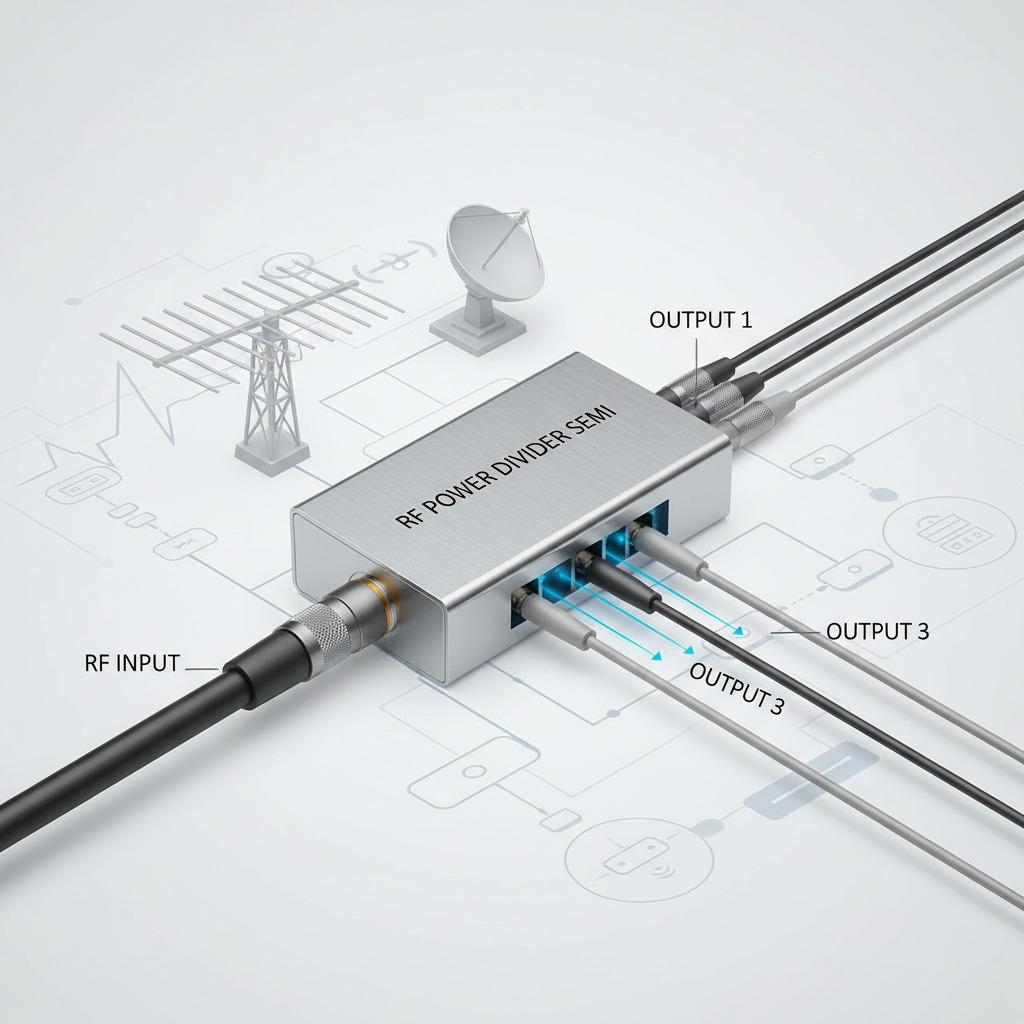
A power divider is a fundamental component in the realm of radio frequency (RF) engineering, designed to split an input signal into multiple output signals with equal or specified power levels. Often interchangeably referred to as a splitter, this device plays a crucial role in systems where signal distribution is essential, such as in telecommunications, broadcasting, and radar applications. By ensuring efficient power allocation, a power divider maintains signal integrity while minimizing losses, making it indispensable for high-performance setups.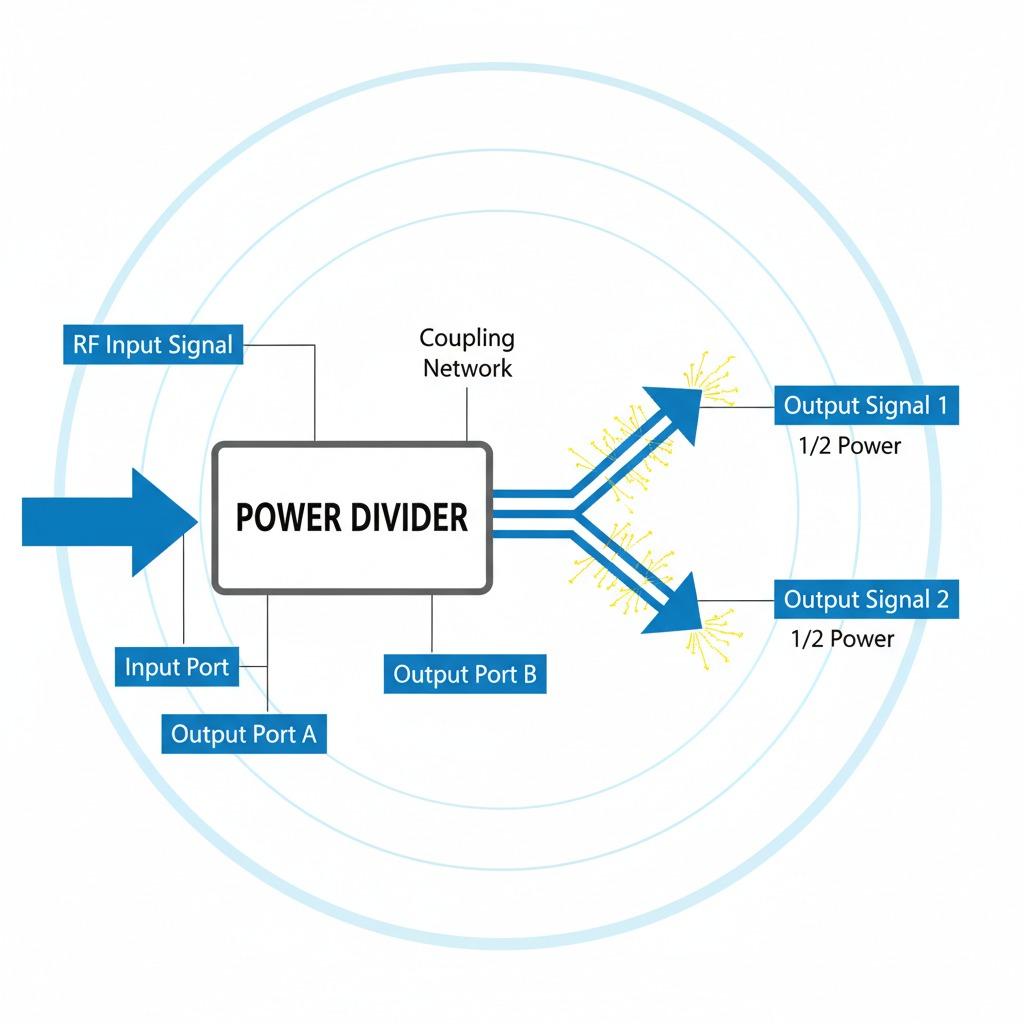
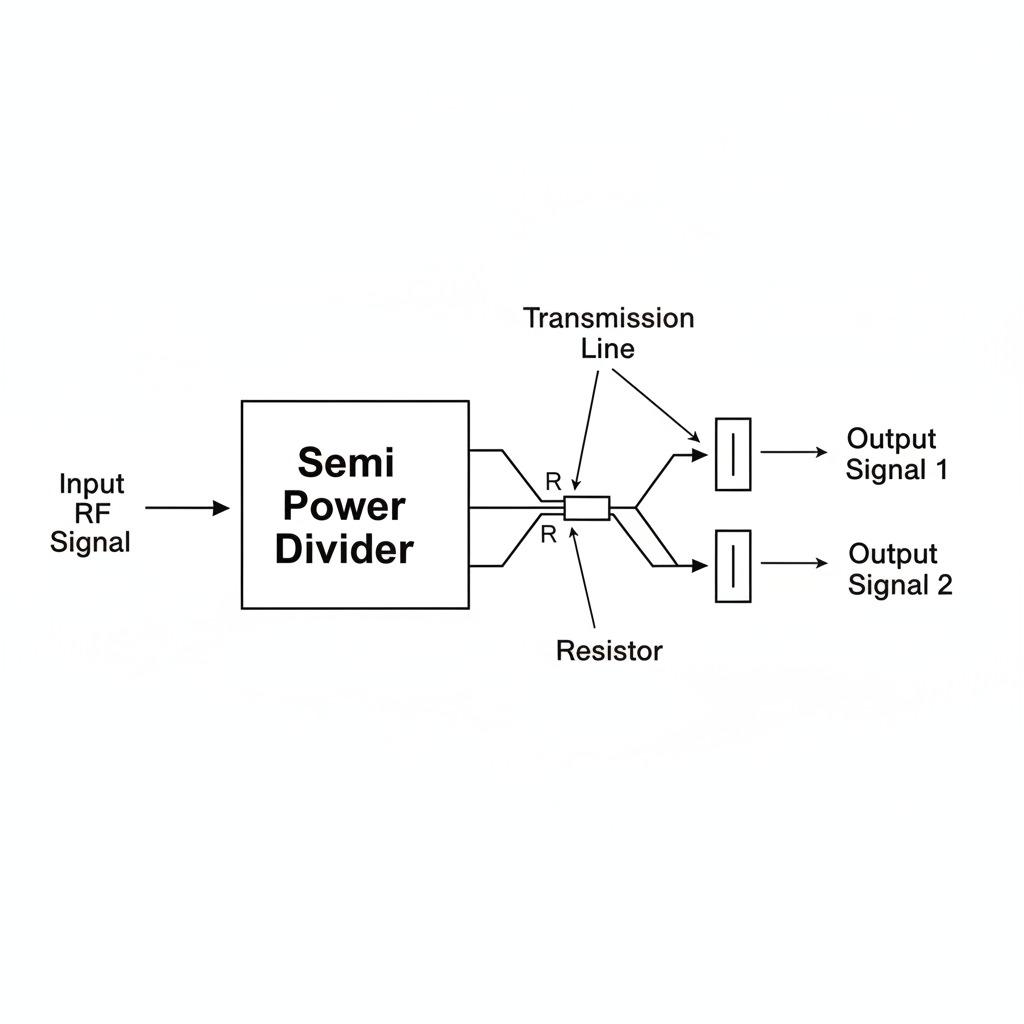
In essence, a power divider operates by dividing the electrical power from a single input port across two or more output ports. This process is governed by principles of electromagnetic wave propagation, where the device's structure—typically involving transmission lines or waveguides—facilitates the even distribution of energy. For instance, in a basic two-way power divider, the input power is halved at each output, though more complex designs can achieve unequal splits or multiple outputs. The choice of a suitable power divider depends on factors like frequency range, insertion loss, and isolation between ports, ensuring that the overall system performance remains optimal.
Exploring the RF Power Divider
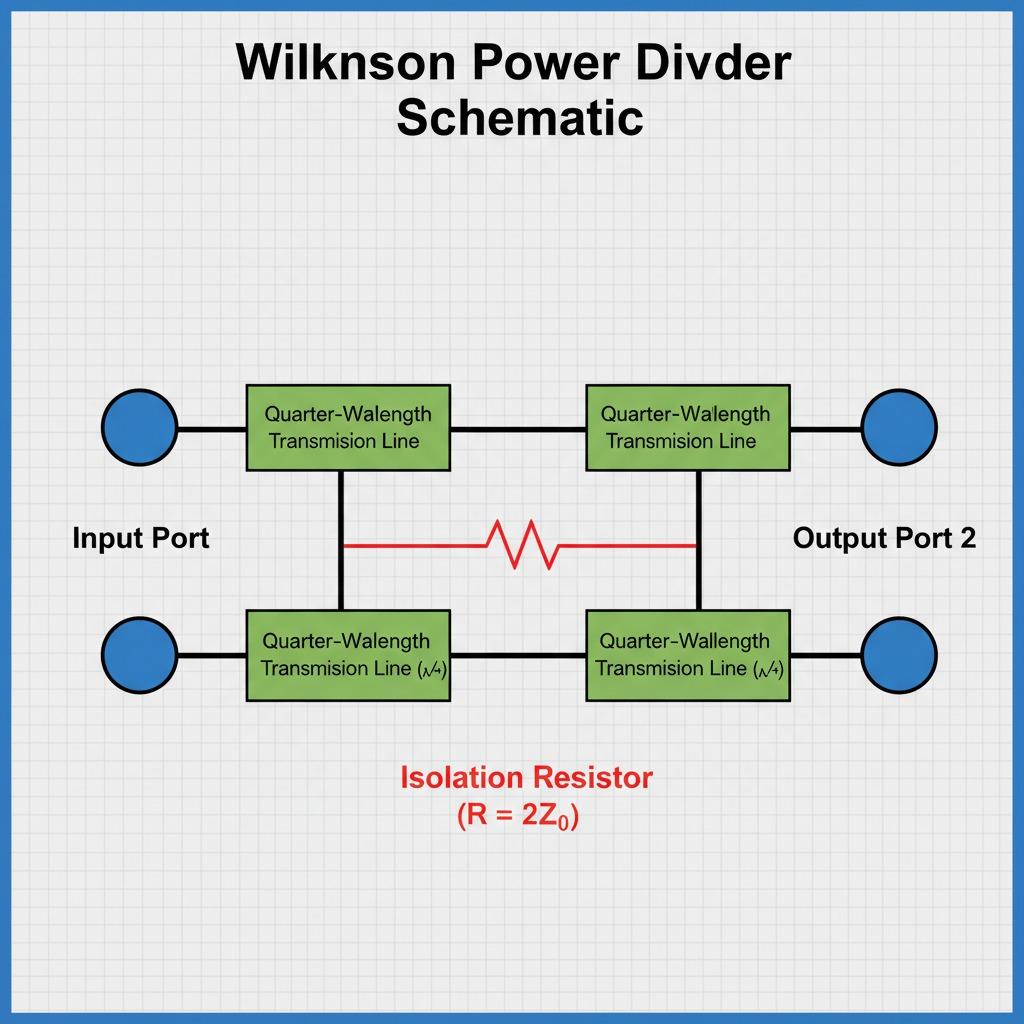
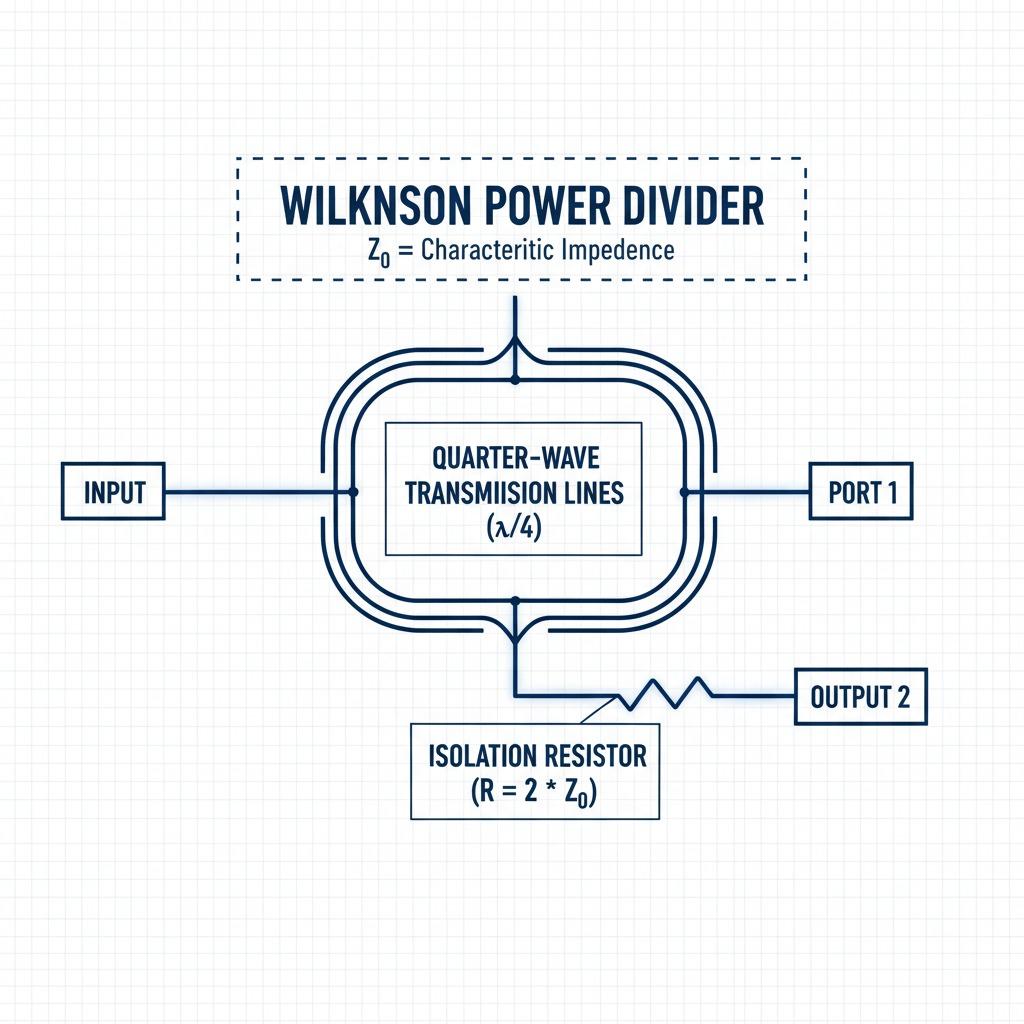
An RF power divider is specifically tailored for radio frequency applications, handling signals in the MHz to GHz spectrum with precision. These devices are engineered to withstand high frequencies without introducing significant phase shifts or amplitude imbalances, which could degrade signal quality. Common types include the Wilkinson power divider, renowned for its excellent isolation and broadband performance, and resistive dividers, which offer simplicity but at the cost of higher insertion losses.
In practical scenarios, an RF power divider is vital for antenna arrays in wireless communication systems. For example, in 5G base stations, it enables the splitting of a transmitted signal to multiple antennas, enhancing coverage and data throughput. Engineers must consider the divider's power handling capacity, as RF signals can carry substantial energy, and any mismatch could lead to reflections and heat generation. Moreover, advancements in materials like gallium arsenide (GaAs) have led to more compact and efficient RF power dividers, supporting the miniaturization trend in modern electronics.
When selecting an RF power divider, specifications such as VSWR (Voltage Standing Wave Ratio) and return loss are critical. A low VSWR indicates minimal signal reflection, ensuring that the power is effectively divided rather than wasted. These dividers are also available in surface-mount or coaxial configurations, catering to diverse integration needs in circuit boards or larger assemblies.
The Role of the Microwave Power Divider
A microwave power divider extends the functionality of standard dividers into the microwave frequency band, typically above 1 GHz, where wavelengths are comparable to the device's physical dimensions. This necessitates specialized designs, such as branch-line couplers or rat-race couplers, which leverage quarter-wavelength transmission lines to achieve precise power splitting. Microwave power dividers are essential in applications like satellite communications, where signals operate at frequencies up to 40 GHz or higher.
In microwave systems, the power divider's ability to provide phase coherence between outputs is paramount. For phased array radars, a microwave power divider distributes the signal with controlled phase shifts, enabling beam steering without mechanical movement. This enhances target detection accuracy and resolution. Additionally, these dividers must exhibit low insertion loss to preserve the weak signals often encountered in microwave links, preventing the need for excessive amplification that could introduce noise.
Fabrication of microwave power dividers often involves microstrip or stripline technologies on substrates like Rogers or Teflon, offering low dielectric losses. As microwave frequencies increase, challenges such as radiation losses and fabrication tolerances become more pronounced, requiring advanced simulation tools like HFSS for design optimization. The integration of active components, such as amplifiers, into power dividers is an emerging trend, creating hybrid modules for compact, high-efficiency systems.
Power Dividers as Splitters in Signal Distribution
While the terms power divider and splitter are often used synonymously, a splitter specifically emphasizes the passive division of signals in broadband applications. In cable television (CATV) systems, a splitter divides the incoming RF signal from a coaxial cable to multiple outlets, ensuring each TV or device receives adequate power without interference. Unlike active devices, splitters rely on resistive, inductive, or capacitive elements to achieve division, making them cost-effective for consumer electronics.
In data centers and networking, splitters facilitate the distribution of optical or electrical signals, supporting high-speed internet and server interconnects. For optical splitters, which are analogous to power dividers in fiber optics, the splitting ratio can be 1x4, 1x8, or more, enabling passive optical networks (PONs). These devices maintain signal-to-noise ratios, crucial for error-free data transmission over long distances.
The design of a splitter must account for bandwidth; a wideband splitter can handle frequencies from DC to several GHz, ideal for versatile applications. Isolation between output ports prevents crosstalk, where one channel's signal leaks into another, a common issue in multi-user environments. Modern splitters also incorporate surge protection to safeguard against voltage spikes, enhancing reliability in outdoor or industrial settings.
Applications and Future Trends in Power Dividers
Power dividers find applications across industries, from medical imaging equipment like MRI machines, where they split RF pulses for uniform field excitation, to automotive radar systems in autonomous vehicles. In each case, the device's efficiency directly impacts system performance, underscoring the need for customization based on operational requirements.
Looking ahead, the evolution of power dividers is tied to advancements in millimeter-wave technology and IoT proliferation. With 6G on the horizon, dividers capable of operating at terahertz frequencies will be developed, incorporating metamaterials for enhanced bandwidth and reduced size. Integration with software-defined radios will allow dynamic reconfiguration of splitting ratios, adapting to varying signal demands in real-time.
Sustainability is another focus, with efforts to use eco-friendly materials and reduce power consumption in divider designs. As these components become more integral to everyday technology, understanding their principles empowers engineers to innovate, ensuring seamless connectivity in an increasingly wireless world. Whether as an RF power divider, microwave power divider, or simple splitter, these devices remain the backbone of signal distribution excellence.