
1. Understanding RF Surges and Their Impact
RF surges are typically caused by lightning activity, nearby electrical discharges, or grounding potential differences. Even indirect lightning strikes can induce high-voltage transients that travel along coaxial cables and RF transmission lines.
These surges can:
-
Damage sensitive RF components and transceivers
-
Degrade signal quality and system performance
-
Cause complete equipment failure and service interruption
Because outdoor antennas are often installed at elevated locations, they are especially vulnerable to surge-related damage.
2. How RF Surge Protectors Work
An RF surge protector is designed to divert excess electrical energy safely to ground before it reaches sensitive equipment. Under normal operating conditions, the surge protector allows RF signals to pass with minimal insertion loss. When a surge occurs, it instantly redirects the high-energy transient away from the RF path.
Key benefits include:
-
Protection of antennas, radios, and base stations
-
Reduced downtime and maintenance costs
-
Extended service life of wireless equipment
Proper grounding is essential for the surge protector to function effectively.
3. Importance of Frequency Range Compatibility
Selecting an RF surge protector with the correct frequency range is crucial. A mismatch can result in signal attenuation, reflection, or reduced system efficiency.
RF surge protectors are commonly designed for:
-
Sub-GHz communication systems
-
ISM bands such as 2.4 GHz and 5.8 GHz
-
Cellular, LTE, and 5G applications
Ensuring compatibility with the operating frequency helps maintain signal integrity while providing effective protection.
4. Connector Types and Mechanical Compatibility
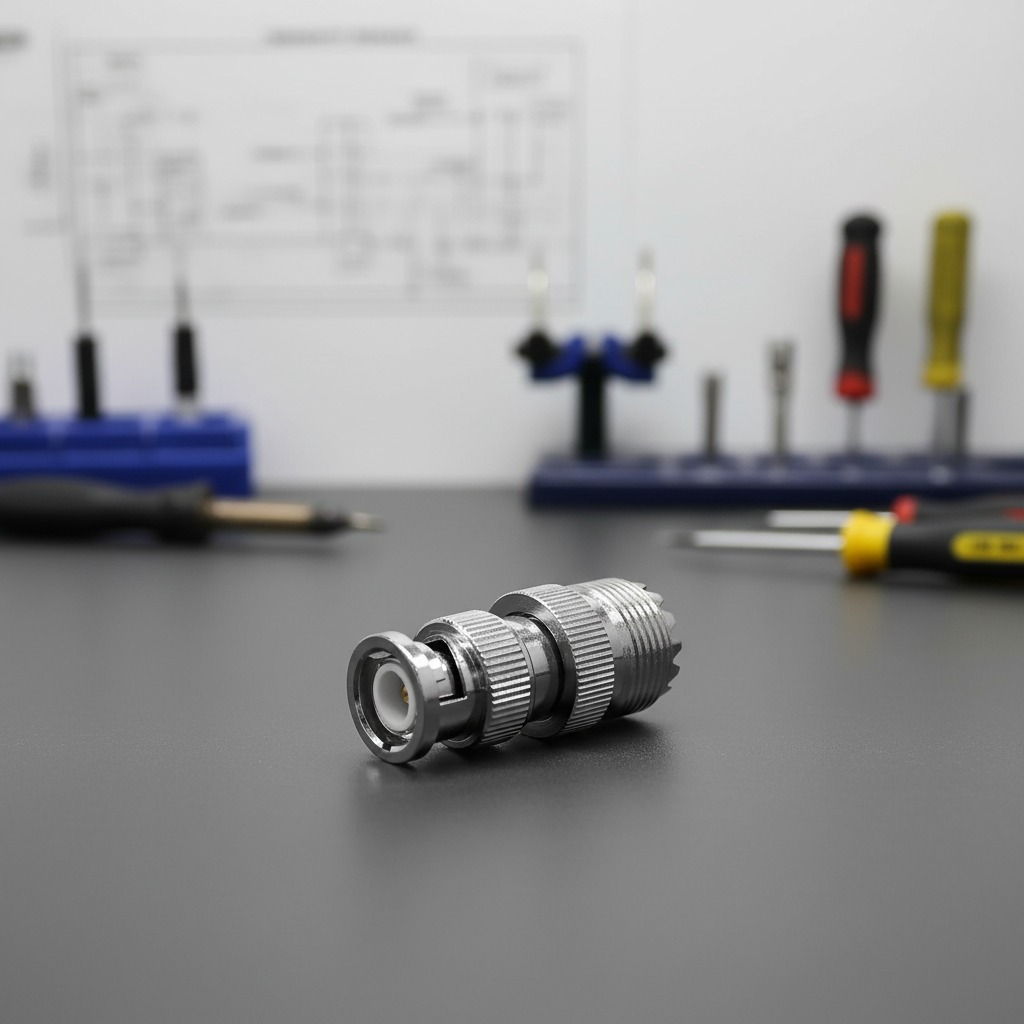
Connector type is another important consideration when choosing an RF surge protector. Common connector options include N-type, SMA, TNC, and other RF interfaces.
The surge protector must:
-
Match existing cable and antenna connectors
-
Provide secure mechanical connections
-
Maintain consistent impedance to minimize signal loss
Proper mechanical integration ensures reliable performance, especially in outdoor and industrial environments.
5. Protection Level and Environmental Requirements
Different applications require different levels of surge protection. Outdoor installations may demand higher discharge capacity and robust housing materials.
Important factors to consider:
-
Maximum surge current rating
-
Insertion loss and VSWR
-
Weatherproof and corrosion-resistant enclosure
-
Compliance with industry protection standards
Choosing the appropriate protection level ensures system stability even under extreme conditions.
6. Applications of RF Surge Protectors
RF surge protectors are widely used in:
-
Outdoor antennas and base stations
-
Wireless data transmission systems
-
Industrial communication networks
-
Remote monitoring and control systems
They are essential components in any outdoor wireless infrastructure where reliability and equipment safety are critical.
Conclusion
RF surge protectors are essential for protecting outdoor communication equipment from lightning-induced surges and electrical transients. By selecting the correct frequency range, connector type, and protection level, system designers can significantly reduce equipment failure risks and improve overall system reliability.
Zhenjiang Woshuang Wireless RF Technology Co., Ltd offers reliable RF surge protectors designed for outdoor antennas, base stations, and industrial wireless applications. With robust design and dependable performance, our solutions help ensure stable and long-lasting wireless communication systems.