
Understanding RF Adapters: Essential Components for Modern Connectivity
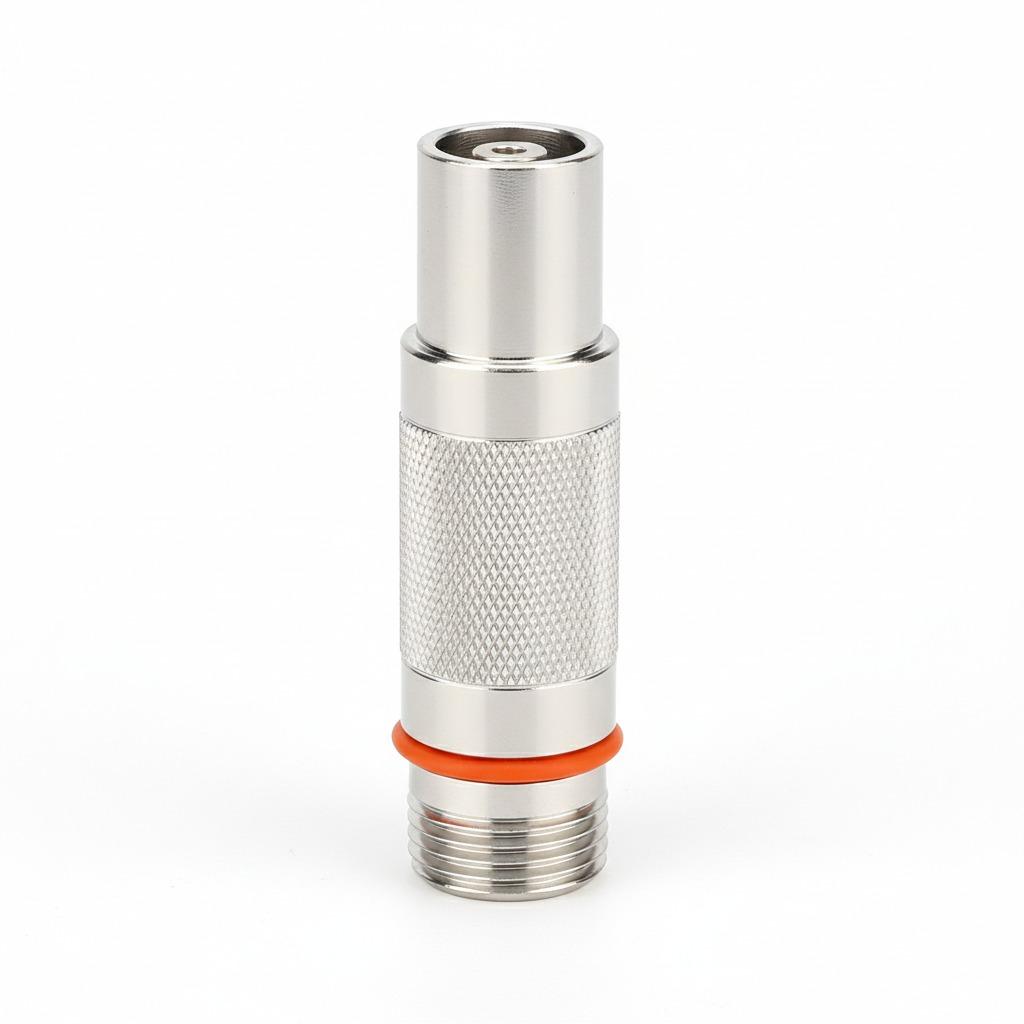
RF adapters play a crucial role in the world of radio frequency applications, enabling seamless integration between different components in communication systems. These devices are indispensable for professionals working in telecommunications, broadcasting, and electronics testing, where reliable signal transmission is paramount. At Zhenjiang Woshuang Radio Frequency Technology Co., Ltd., we specialize in providing high-quality RF solutions that prioritize customer needs and technological innovation. Our commitment to excellence ensures that every product, including our WSARK RF Adapter, meets the demanding standards of modern RF environments.
The Fundamentals of RF Adapters
RF adapters are specialized connectors designed to bridge the gap between incompatible RF interfaces, allowing for flexible system configurations without compromising performance. They facilitate the connection of cables, antennas, and equipment by converting one connector type to another, which is vital in setups where direct compatibility isn't available. For instance, in a laboratory setting, an RF adapter might be used to link a spectrum analyzer to a device with a different port type, ensuring accurate measurements and data collection.
What makes RF adapters so versatile is their ability to maintain signal integrity across a wide frequency range. Typically constructed with precision-machined components, they minimize insertion loss and return loss, which are critical factors in preserving the quality of RF signals. Engineers must consider factors such as impedance matching—usually 50 ohms in most RF systems—to prevent reflections that could degrade performance. Zhenjiang Woshuang Radio Frequency Technology Co., Ltd. understands these nuances, and our R&D team focuses on developing adapters that exceed industry benchmarks, offering comprehensive support from design to deployment.
Exploring RF Coaxial Adapters in Depth
RF coaxial adapters are a subset of RF adapters specifically engineered for coaxial cable systems, which are widely used due to their ability to shield signals from electromagnetic interference. These adapters connect coaxial cables to various terminations, such as BNC, SMA, or N-type connectors, making them essential for applications in wireless networks, satellite communications, and instrumentation. The coaxial design incorporates a central conductor surrounded by a dielectric material and an outer shield, ensuring low noise and high-frequency capability.
One of the key advantages of RF coaxial adapters is their robustness in harsh environments. For example, our WSARK RF Adapter features a corrosion-resistant finish and a red sealing ring that protects against dust, moisture, and temperature fluctuations. This design not only enhances durability but also simplifies installation with its knurled grip, allowing technicians to make secure connections even in tight spaces or during field operations. In practice, RF coaxial adapters are indispensable for extending cable runs or adapting legacy equipment to newer standards, reducing downtime and maintenance costs for users.
When selecting RF coaxial adapters, it's important to evaluate the frequency range and power handling capabilities. Adapters that support up to several GHz are common in modern setups, but specialized versions can handle higher frequencies for advanced applications like 5G testing. At Zhenjiang Woshuang Radio Frequency Technology Co., Ltd., we offer a range of RF coaxial adapters tailored to diverse needs, backed by our after-sales support to ensure long-term reliability and performance.
Diverse RF Connector Types and Their Applications
RF connector types form the backbone of any RF adapter ecosystem, with each type optimized for specific use cases based on size, frequency, and environmental resilience. Common RF connector types include SMA, which is favored for its compact size and operation up to 18 GHz, making it ideal for high-frequency applications in aerospace and defense. Another prevalent type is the N connector, known for its weatherproof design and suitability for outdoor antennas in base stations and broadcasting equipment.
Understanding the variety of RF connector types helps in choosing the right adapter for seamless integration. For instance, a between-series adapter might convert an SMA to an N-type, enabling compatibility in mixed-system environments. Precision is key here; mismatches in connector types can lead to signal attenuation or equipment damage. Our WSARK RF Adapter exemplifies this by incorporating high-quality materials that ensure minimal loss and secure mating, regardless of the connector type involved.
In professional settings, RF connector types like TNC and BNC are often used for their threaded or bayonet coupling mechanisms, which provide quick and reliable connections in dynamic scenarios. Zhenjiang Woshuang Radio Frequency Technology Co., Ltd. leverages advanced manufacturing techniques to produce adapters compatible with these and other RF connector types, prioritizing customer satisfaction through innovative solutions. Whether for lab prototyping or large-scale deployments, our products support a wide array of connector configurations, enhancing system flexibility.
Advantages and Best Practices for Using RF Adapters
The primary advantages of RF adapters lie in their ability to future-proof RF systems by allowing modular connections and upgrades. They reduce the need for custom cabling, saving time and resources while maintaining signal quality. In high-stakes environments like medical imaging or military communications, the reliability of RF adapters directly impacts operational success. The WSARK RF Adapter, with its compact form factor and precision engineering, stands out by offering optimal transmission with minimal loss, making it a go-to choice for professionals.
To maximize the benefits of RF adapters, best practices include regular inspection for wear and tear, proper torque application during installation to avoid damaging threads, and using adapters rated for the system's frequency and power levels. Avoiding over-tightening prevents deformation, which could introduce discontinuities in the signal path. Additionally, storing adapters in protective cases helps preserve their integrity. At our company, we provide guidance on these practices as part of our comprehensive service, ensuring customers get the most from their RF investments.
Furthermore, integrating RF adapters into a larger ecosystem requires consideration of overall system impedance and VSWR (Voltage Standing Wave Ratio). High-quality adapters like those from Zhenjiang Woshuang maintain low VSWR, contributing to efficient power transfer. By choosing adapters with environmental protections, such as the red sealing ring on our WSARK model, users can deploy them confidently in diverse conditions, from controlled labs to rugged outdoor sites.
Why Choose Zhenjiang Woshuang for Your RF Adapter Needs
As a leader in RF solutions, Zhenjiang Woshuang Radio Frequency Technology Co., Ltd. is dedicated to delivering products that embody innovation and reliability. Our WSARK RF Adapter is just one example of how we prioritize customer-centric design, offering seamless connectivity that enhances performance across applications. From initial R&D to post-purchase support, we ensure every step aligns with your goals, making complex RF setups simpler and more effective.
In summary, RF adapters, particularly RF coaxial adapters and those compatible with various RF connector types, are foundational to successful RF engineering. By selecting durable, high-performance options like the WSARK, professionals can achieve superior connectivity and peace of mind. We invite you to explore our range and experience the difference quality makes in your projects.