
Understanding Hydraulic Dust Caps and Their Essential Role in Industrial Systems
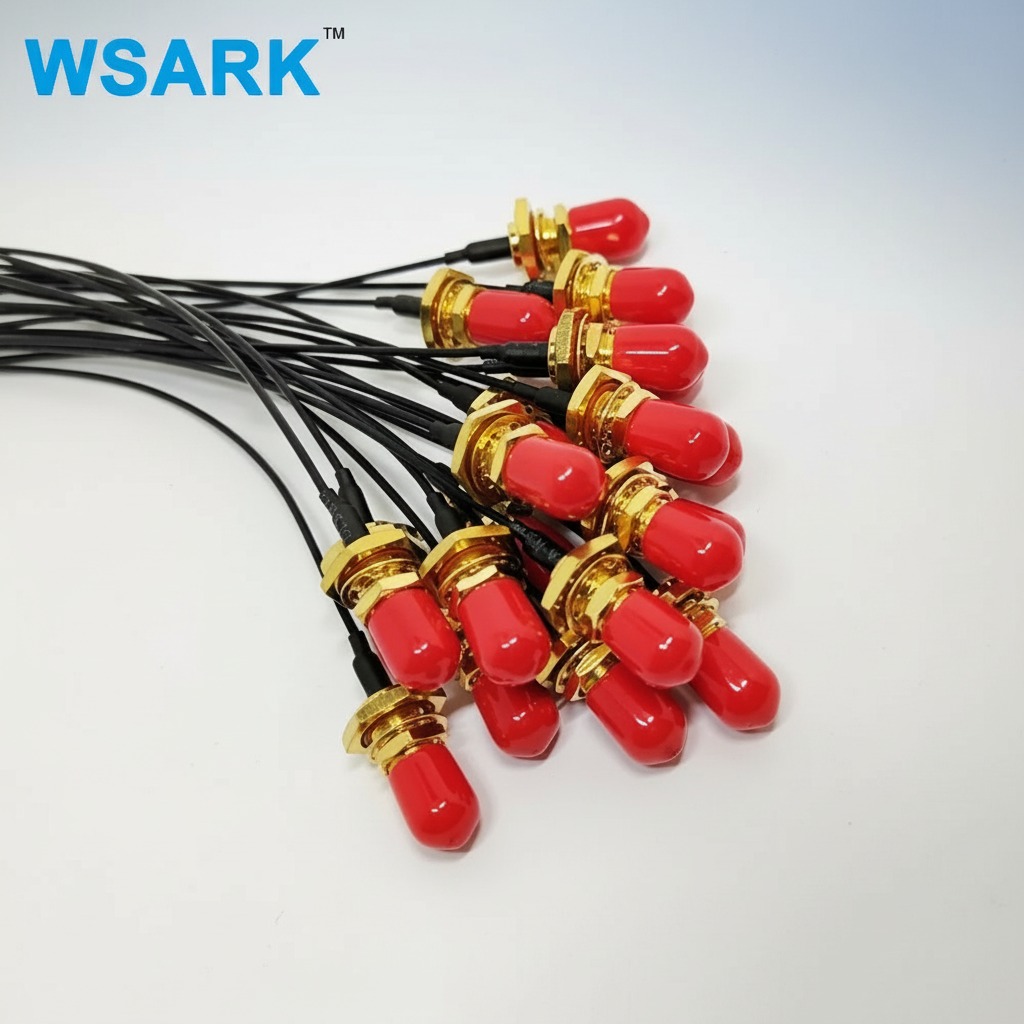
In the world of industrial machinery and equipment, protecting components from contaminants is crucial for longevity and performance. Hydraulic dust caps serve as a vital barrier, preventing dust, dirt, and debris from infiltrating sensitive areas. As a key element in maintaining system integrity, hydraulic dust caps are indispensable for various applications, ensuring that operations run smoothly without unexpected downtime.
These protective covers are designed to fit seamlessly over hydraulic fittings, offering robust defense against environmental hazards. Whether you're dealing with heavy machinery on construction sites or precision tools in manufacturing plants, incorporating hydraulic dust caps can significantly extend the life of your equipment. By choosing high-quality options from reliable sources, you ensure that your hydraulic systems remain efficient and reliable.
Exploring the Connection Between Hydraulic Dust Caps and Hydraulic Fittings
Hydraulic fittings are the connectors that link various parts of a hydraulic system, allowing fluid to flow efficiently. However, without proper protection, these fittings can become vulnerable to dust and moisture, leading to corrosion and failures. This is where hydraulic dust caps come into play, providing a snug fit over hydraulic fittings to shield them from potential damage.
As a dust cap manufacturer, we understand the importance of precision engineering in creating products that match the exact specifications of hydraulic fittings. These caps are typically made from durable materials like plastic or metal, ensuring they withstand harsh conditions while maintaining a secure seal. Integrating hydraulic dust caps with your hydraulic fittings not only prevents contamination but also simplifies maintenance routines, saving time and resources in the long run.
For industries relying on hydraulic systems, selecting the right combination of hydraulic fittings and protective caps is essential. This synergy ensures that fluid power is transmitted without interruptions, enhancing overall productivity. Regular inspection and replacement of these components can prevent costly repairs, making hydraulic dust caps a smart investment for any operation.
The Expertise of a Leading Dust Cap Manufacturer in Quality Assurance
When sourcing protective gear for your machinery, partnering with a trusted dust cap manufacturer is key to obtaining superior products. A reputable dust cap manufacturer focuses on innovation, using advanced manufacturing techniques to produce hydraulic dust caps that meet stringent industry standards. These manufacturers prioritize quality control, ensuring each cap is free from defects and capable of performing under extreme pressures and temperatures.
Dust cap manufacturers often offer a range of sizes and types to accommodate different hydraulic systems, from standard quick-connect fittings to custom designs. By choosing products from a certified dust cap manufacturer, businesses can benefit from warranties and technical support, adding an extra layer of confidence in their purchases. In competitive markets, the reliability provided by a top-tier dust cap manufacturer translates to fewer system failures and optimized performance.
Moreover, leading dust cap manufacturers invest in sustainable practices, using eco-friendly materials that reduce environmental impact without compromising on durability. This commitment not only helps protect your equipment but also aligns with modern corporate responsibility goals, making it a win-win for manufacturers and end-users alike.
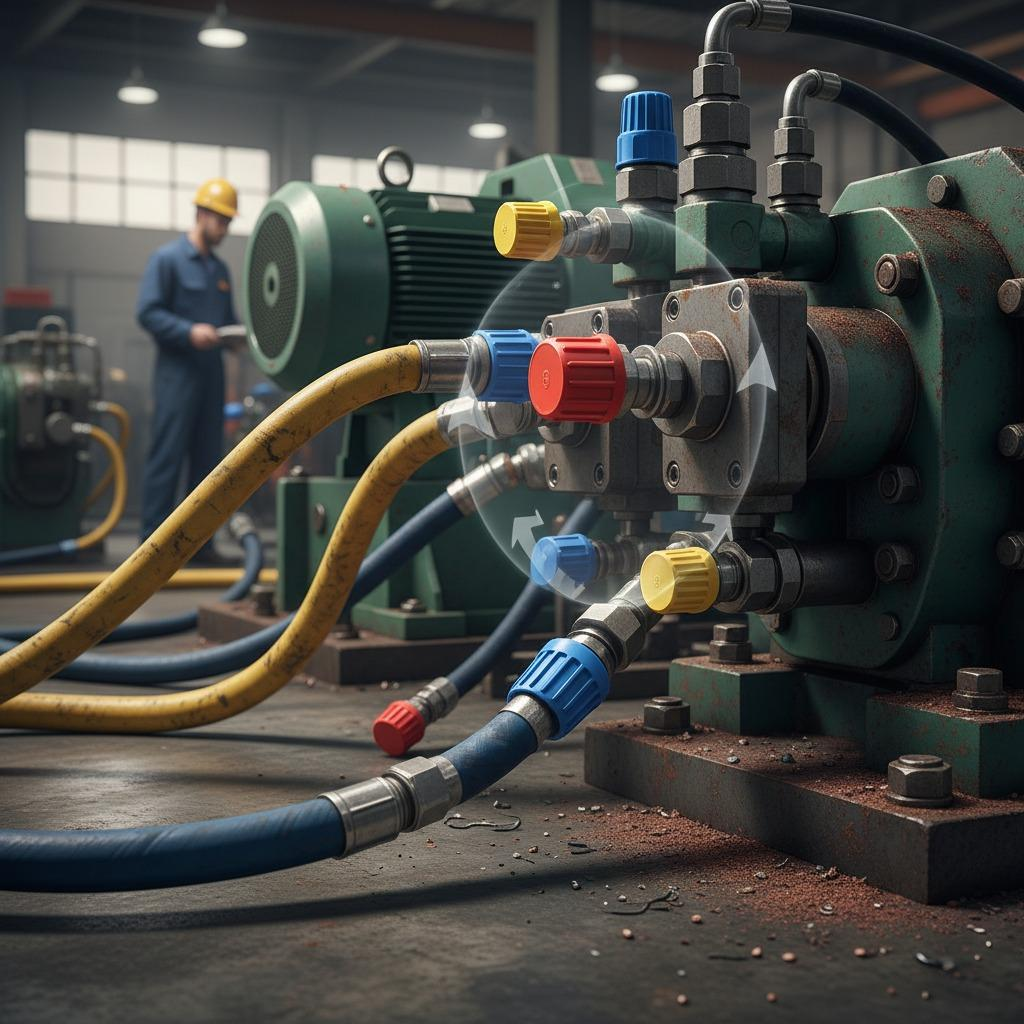
Enhancing Systems with Hydraulic System Accessories Like Dust Caps
Hydraulic system accessories encompass a broad array of components designed to support and optimize hydraulic operations. Among these, hydraulic dust caps stand out for their straightforward yet effective role in contamination prevention. Other hydraulic system accessories, such as seals, hoses, and valves, work in tandem with dust caps to create a comprehensive protective network for your machinery.
Incorporating the right hydraulic system accessories can dramatically improve the efficiency of your setups. For instance, pairing hydraulic dust caps with high-grade hoses ensures that the entire system remains clean and functional, even in dusty environments like mining or agriculture. These accessories are engineered for easy installation, allowing technicians to quickly apply them without disrupting workflows.
Businesses that prioritize hydraulic system accessories often see reduced maintenance costs and increased equipment lifespan. By regularly updating your accessory inventory with reliable hydraulic dust caps, you safeguard against wear and tear, ensuring that your hydraulic systems operate at peak performance levels consistently.
Mechanical Dust Covers: A Broader Perspective on Protection
While hydraulic dust caps are specialized for fluid power systems, mechanical dust covers provide similar protection for a wider range of mechanical components. Mechanical dust covers are versatile, used in applications from conveyor belts to robotic arms, where shielding moving parts from debris is essential. These covers often feature flexible materials that adapt to dynamic movements without restricting functionality.
The overlap between mechanical dust covers and hydraulic dust caps lies in their shared goal of contamination control. In complex machinery, combining both can create a fortified defense, preventing issues like abrasion and seizing. Selecting mechanical dust covers that complement your hydraulic setups ensures holistic protection, particularly in environments with high particulate exposure.
Advancements in mechanical dust cover design have led to more resilient options, including those with self-sealing properties that enhance dust resistance. For operators, this means less frequent interventions and more reliable machinery, underscoring the value of investing in quality protective solutions across all mechanical aspects.
Industrial Dust Caps for Demanding Environments
Industrial dust caps are built to endure the rigors of heavy-duty applications, from factories to outdoor installations. These caps are crafted with reinforced structures to resist impacts, chemicals, and varying weather conditions, making them ideal for industrial dust caps in sectors like oil and gas or automotive manufacturing.
Unlike standard caps, industrial dust caps often include features like threaded designs for secure attachment to hydraulic fittings, ensuring they stay in place during vibrations and operations. As part of a broader strategy involving hydraulic system accessories, industrial dust caps contribute to compliance with safety regulations, reducing the risk of accidents caused by contaminated components.
In summary, the strategic use of hydraulic dust caps, alongside related products like mechanical dust covers and industrial dust caps, fortifies your equipment against everyday threats. By sourcing from experienced dust cap manufacturers and integrating these with quality hydraulic fittings, you position your operations for sustained success and minimal disruptions. Embracing these protective measures not only boosts efficiency but also underscores a commitment to excellence in industrial practices.