
Fiber Optic Dust Caps: Essential Protection for Your Network Infrastructure
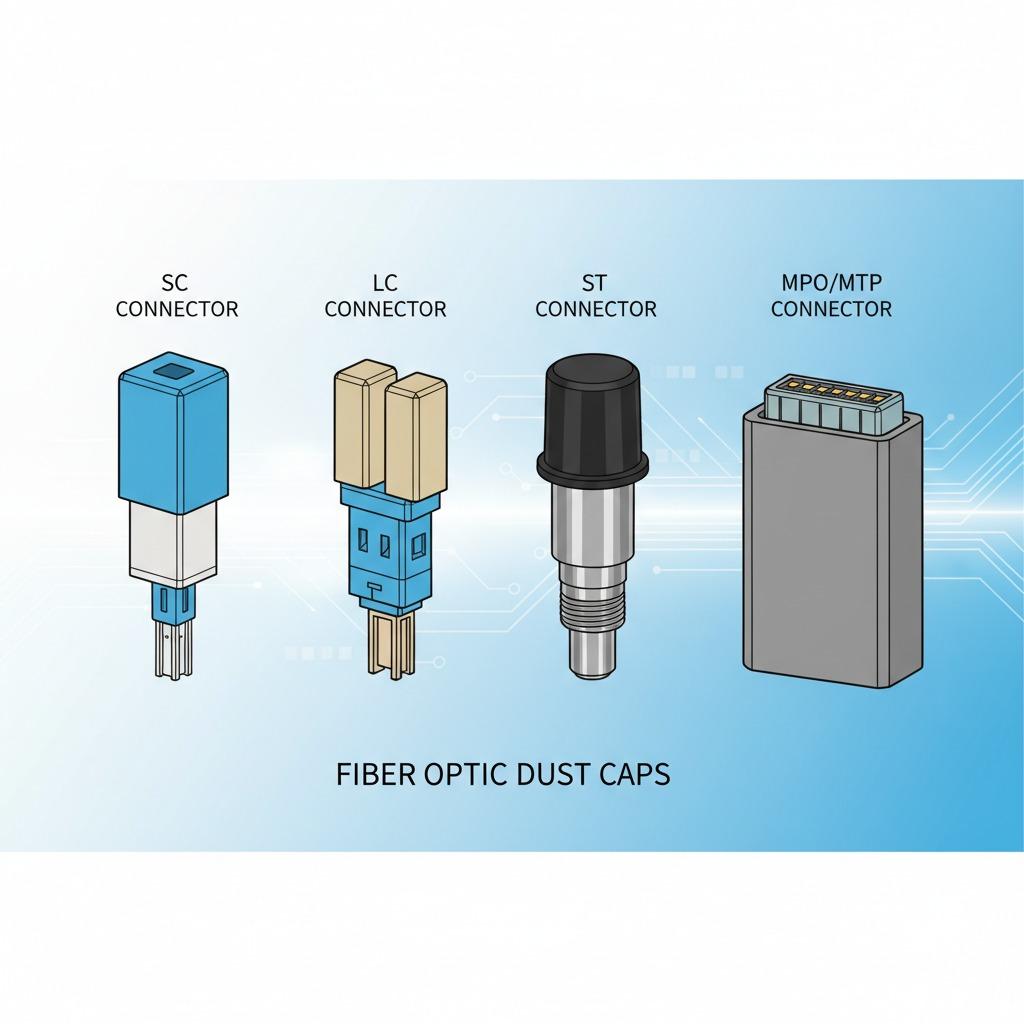
In the world of telecommunications and data centers, maintaining the integrity of fiber optic connections is crucial for reliable performance. Fiber optic dust caps play a vital role in safeguarding these delicate components from environmental contaminants. As networks grow more complex and speeds increase, protecting your fiber optic infrastructure becomes non-negotiable. These small yet indispensable accessories ensure that dust, dirt, and moisture do not compromise signal quality or equipment longevity.
Fiber optic dust caps are designed to fit snugly over connectors, providing a barrier against particles that could lead to signal loss or corrosion. Whether you're dealing with single-mode or multimode fibers, these caps are engineered to meet industry standards, offering both short-term and long-term protection. In this article, we'll explore the importance of fiber optic dust caps, their types, benefits, and best practices for use, helping you optimize your network setup.
Understanding Optical Fiber Dust Caps and Their Functionality
Optical fiber dust caps are specialized covers that shield the exposed ends of fiber optic cables and connectors from dust and debris. These caps are typically made from durable materials like plastic or metal, ensuring they can withstand handling and environmental exposure without degrading. In high-traffic data centers or outdoor installations, where dust accumulation is a constant threat, optical fiber dust caps prevent contaminants from settling on the ferrule, the precise part responsible for aligning fibers during connections.
The design of optical fiber dust caps often includes a pull-tab or tether for easy removal and replacement, minimizing the risk of losing them during maintenance. They come in various colors to denote fiber type or network segment, aiding in quick identification. For instance, blue caps might be used for single-mode fibers, while aqua indicates multimode. By using optical fiber dust caps consistently, technicians can reduce the incidence of insertion loss, which occurs when dirt interferes with light transmission. Studies from the Fiber Optic Association highlight that even microscopic particles can attenuate signals by up to 50%, underscoring the need for proactive protection.
Beyond basic dust prevention, these caps also offer some resistance to static electricity, which can attract more debris. In cleanroom environments or during shipping and storage, optical fiber dust caps ensure that unused ports remain pristine, ready for immediate deployment without additional cleaning.
The Role of Protective Fiber Optic Caps in Network Maintenance
Protective fiber optic caps extend the lifespan of your cabling infrastructure by acting as a first line of defense against physical damage. These caps are not just for unused ports; they can also protect active connections during short-term disconnections. In scenarios like cable rerouting or equipment upgrades, applying protective fiber optic caps prevents accidental exposure to workshop dust or humidity, which could otherwise lead to oxidation or pitting on metal components.
One key advantage of protective fiber optic caps is their compatibility with popular connector types, such as SC, LC, ST, and MPO. This versatility makes them suitable for a wide range of applications, from enterprise networks to telecommunications backbones. Manufacturers often certify these caps for use in harsh environments, including those with high vibration or temperature fluctuations. For example, in FTTH (Fiber to the Home) deployments, protective fiber optic caps safeguard outdoor terminations against pollen, rain, and urban pollutants.
Regular use of protective fiber optic caps also aligns with best practices outlined in TIA/EIA standards, promoting a systematic approach to fiber handling. Technicians trained in fiber optics emphasize that capping connectors immediately after disconnection can cut maintenance downtime by half, as it eliminates the need for extensive cleaning procedures. Moreover, these caps are cost-effective; a pack of high-quality protective fiber optic caps costs far less than repairing a contaminated link.
Exploring Fiber Optic Connector Caps for Everyday Applications
Fiber optic connector caps are tailored for specific connector interfaces, providing a precise fit that seals out contaminants while allowing for easy access. These caps are essential in patch panels, where multiple connections are densely packed, and any dust ingress could cascade into widespread issues. Available in dust-free variants with internal cleaning mechanisms, fiber optic connector caps ensure that when removed, the connector is already prepared for mating.
In laboratory settings or R&D facilities, fiber optic connector caps protect prototypes and test equipment from airborne particles generated by nearby experiments. Their lightweight construction doesn't add unnecessary bulk, making them ideal for portable fiber optic kits used by field technicians. For long-term storage, some fiber optic connector caps feature resealable designs, allowing repeated use without compromising protection.
When selecting fiber optic connector caps, consider factors like thread type for screw-on models or snap-fit for quick installation. Color-coding standards help in organizing large-scale installations, such as in hyperscale data centers where thousands of ports must be managed efficiently. Integrating fiber optic connector caps into your workflow not only enhances reliability but also supports compliance with ISO 9001 quality management systems.
Benefits and Best Practices for Implementing Fiber Optic Dust Caps
The primary benefit of fiber optic dust caps is their ability to maintain optical performance by preventing attenuation and reflections caused by contaminants. In high-bandwidth applications like 5G backhaul or cloud computing, even minor signal degradation can result in packet loss and reduced throughput. By routinely applying these caps, organizations can achieve up to 99.9% uptime, as per industry benchmarks from the Broadband Forum.
Best practices include inspecting caps for damage before use and storing them in clean, dry environments. Training staff on proper capping techniques—such as avoiding touching the ferrule and twisting caps securely—maximizes their effectiveness. For bulk deployments, automated dispensers can streamline the process, ensuring no port is left unprotected.
Additionally, combining fiber optic dust caps with cleaning kits creates a comprehensive protection strategy. Regular audits of capped ports can identify potential issues early, preventing costly outages. In summary, investing in quality fiber optic dust caps, optical fiber dust caps, protective fiber optic caps, and fiber optic connector caps is a smart move for any network operator aiming for peak performance and minimal disruptions.
Choosing the Right Caps for Your Specific Needs
Selecting the appropriate caps depends on your environment and connector types. For indoor use, standard plastic fiber optic dust caps suffice, while outdoor applications may require weather-resistant versions with UV protection. Always verify compatibility with your fiber standard, such as OS2 for long-haul single-mode or OM4 for short-reach multimode.
Suppliers offer customizable options, including branded caps for inventory management. Bulk purchasing can reduce costs, and eco-friendly materials are increasingly available for sustainable operations. By prioritizing caps that meet IEC 61754 specifications, you ensure interoperability and reliability across your ecosystem.
Ultimately, fiber optic dust caps are a simple yet powerful tool in preserving the clarity and efficiency of your optical networks. Incorporating them into daily routines will yield significant returns in performance and peace of mind.