
Understanding the Power Divider: Essential Components in RF and Microwave Systems
In the world of electronics and telecommunications, a power divider is a fundamental device that plays a crucial role in splitting or combining signals efficiently. Whether you're working on high-frequency applications or designing complex communication networks, understanding the intricacies of a power divider can significantly enhance system performance. This article delves into the essentials of power dividers, with a focus on RF power divider and microwave power divider technologies, exploring their functions, types, and practical applications to help engineers and hobbyists alike.
What is a Power Divider and How Does It Work?
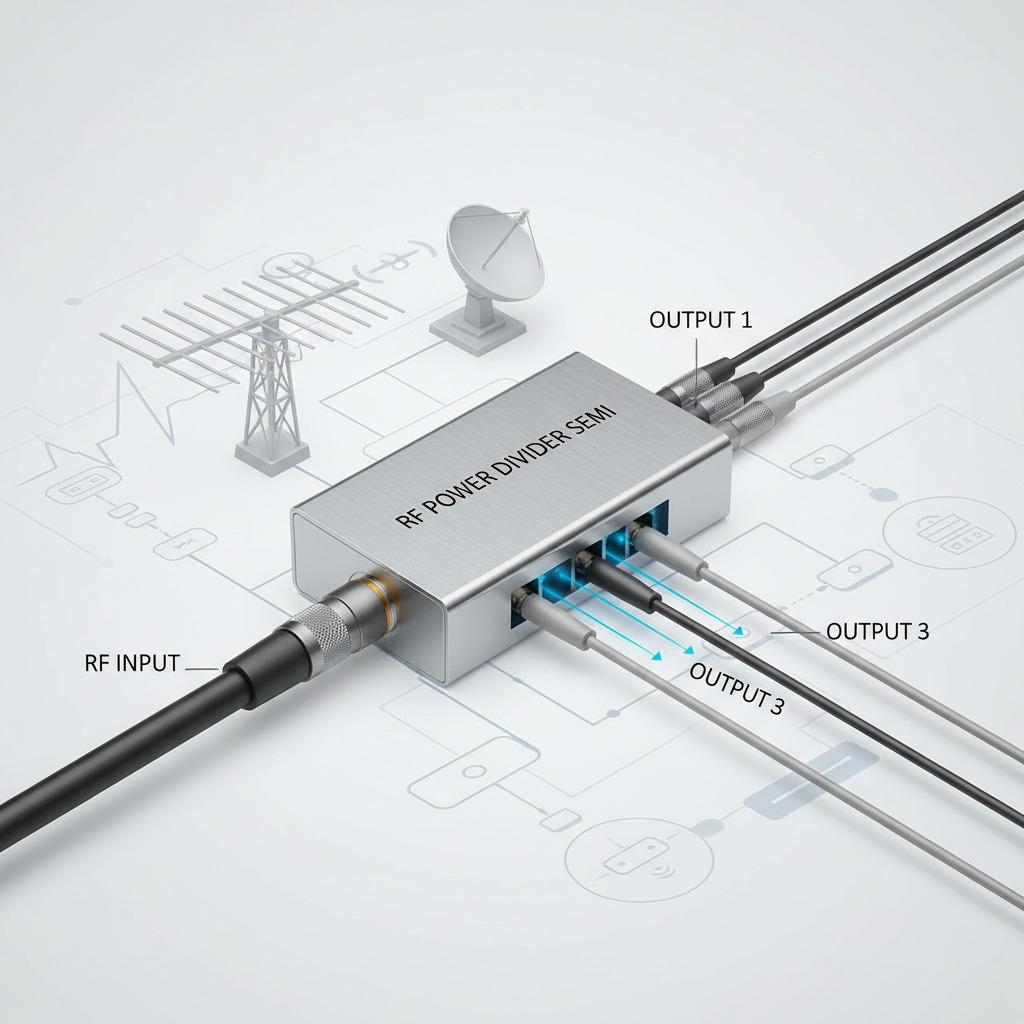
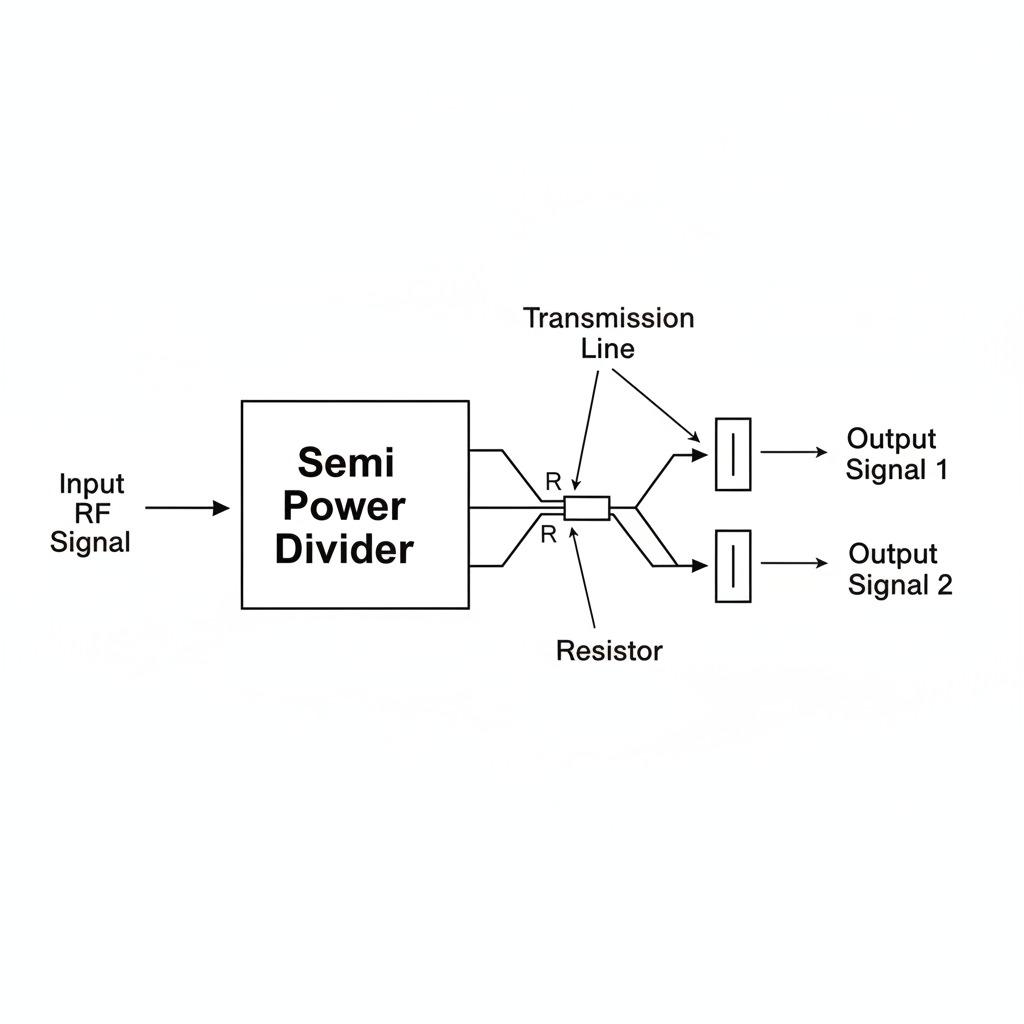
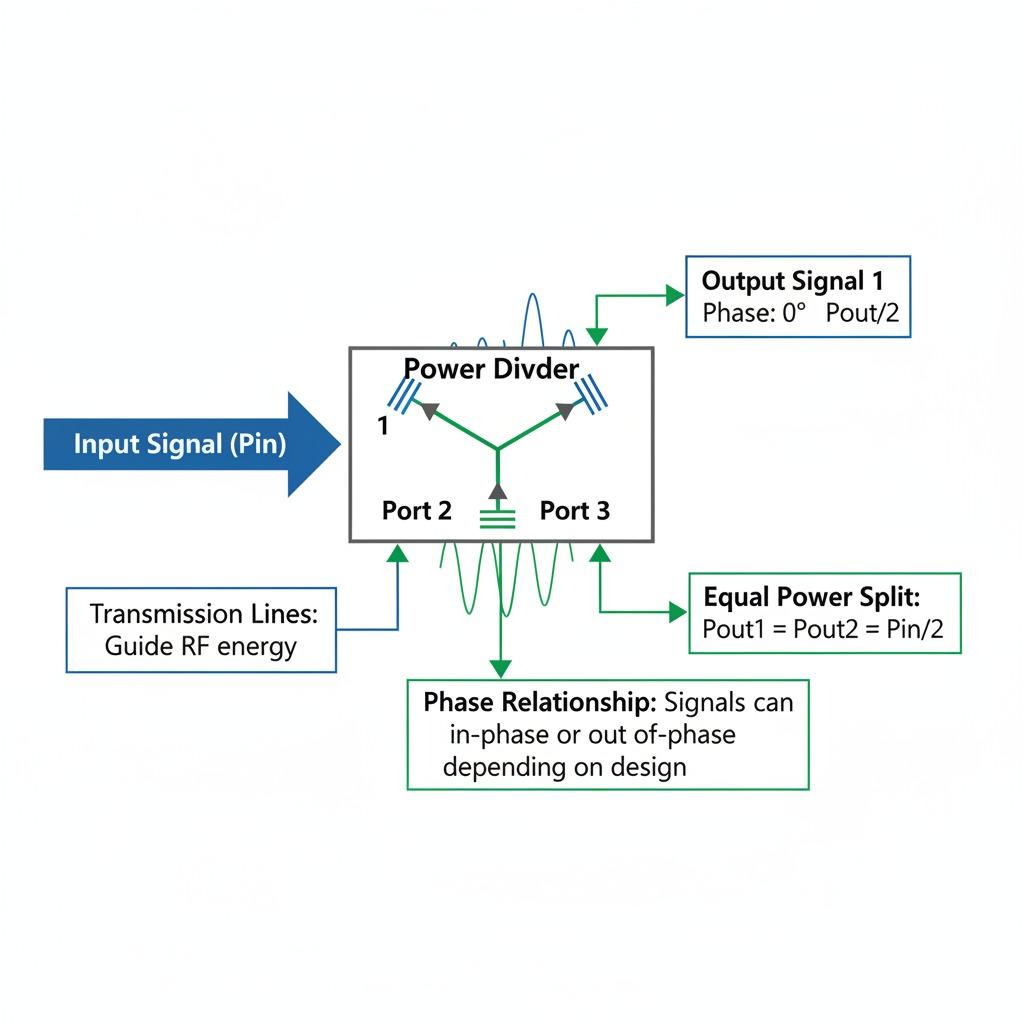
A power divider is essentially an electronic component designed to divide an input signal into two or more equal or unequal output signals, while maintaining signal integrity and minimizing losses. In RF and microwave systems, these devices are indispensable for tasks such as signal distribution in antennas, amplifiers, and test equipment. The basic principle behind a power divider involves using transmission lines, resistors, or hybrid couplers to achieve the desired power split ratio, often with specific phase relationships between the outputs.
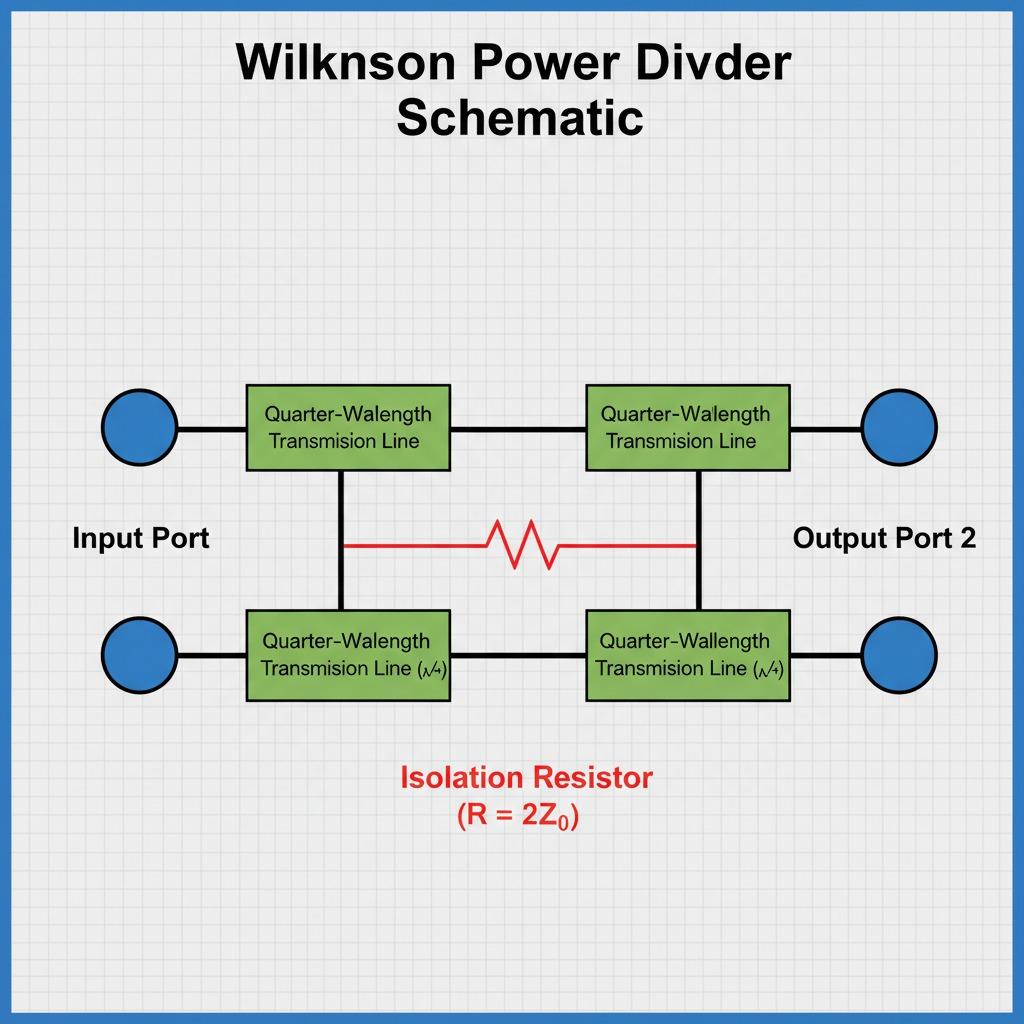
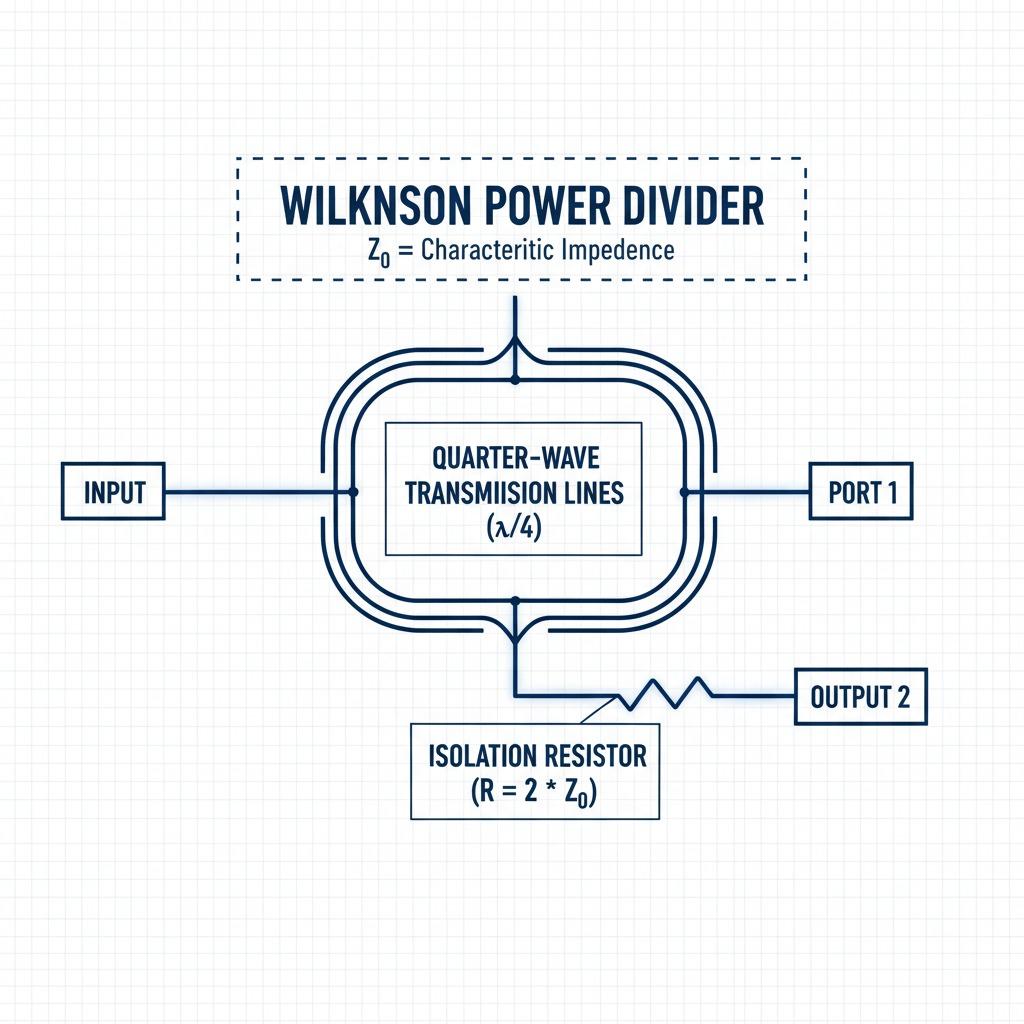
For instance, a common type is the Wilkinson power divider, which offers excellent isolation between output ports and low insertion loss. This makes it ideal for applications where signal purity is paramount. When dealing with RF power divider configurations, engineers must consider factors like frequency range, power handling capacity, and impedance matching—typically 50 ohms in most systems. The device's ability to handle high power levels without degradation is particularly important in radar and broadcasting setups, where reliability under stress is non-negotiable.
Microwave power dividers take this concept further, operating in the gigahertz range and often incorporating advanced materials like microstrip or stripline to manage higher frequencies. These dividers are engineered to combat issues such as radiation losses and phase shifts that become more pronounced at microwave frequencies. By carefully designing the splitter's geometry, such as using quarter-wave transformers, microwave power dividers ensure that the divided signals remain coherent and synchronized, which is critical for phased array antennas and satellite communications.
Types and Variations of RF and Microwave Power Dividers
Power dividers come in various forms, each tailored to specific needs within RF and microwave environments. The two-way power divider is the most straightforward, splitting a signal into two equal parts with a 0-degree or 90-degree phase difference. For broader applications, multi-way versions—such as four-way or eight-way power dividers—allow for more complex signal distribution, commonly used in wireless base stations and multi-antenna systems.
Focusing on RF power divider options, resistive dividers are popular for their broadband capabilities and simplicity, though they suffer from higher insertion losses compared to reactive types. On the other hand, hybrid couplers, like the branch-line or rat-race variants, provide quadrature phase shifts that are invaluable in balanced mixers and image-reject receivers. These RF components often feature rugged construction to withstand environmental challenges, making them suitable for military and aerospace uses.
In the microwave domain, the microwave power divider evolves with technologies like substrate-integrated waveguides (SIW), which mimic traditional waveguides but in a planar form for easier integration into PCBs. Magic-T dividers, another microwave staple, offer orthogonal port configurations for differential signaling. Selecting the right microwave power divider involves balancing bandwidth, VSWR (Voltage Standing Wave Ratio), and isolation specs—typically aiming for better than 20 dB isolation to prevent crosstalk. Advanced simulations using tools like HFSS or CST Studio help optimize these parameters during design.
Applications and Integration Tips for Power Dividers
The versatility of power dividers shines in real-world applications across industries. In telecommunications, an RF power divider is key to feeding multiple antennas from a single transmitter, ensuring uniform coverage in 5G networks. Similarly, in test and measurement labs, these devices enable precise signal splitting for spectrum analyzers and vector network analyzers, facilitating accurate characterization of components.
Microwave power dividers find their place in satellite ground stations and radar systems, where they combine signals from multiple low-noise amplifiers to boost overall sensitivity. Automotive radar, an emerging field, relies on compact microwave power dividers for adaptive cruise control and collision avoidance features. In medical imaging like MRI, power dividers help distribute RF energy to coils without distortion, enhancing image quality.
When integrating a power divider into your system, start with a clear understanding of the operational frequency band. For RF power divider installations, ensure proper thermal management to handle dissipated power, especially in high-duty-cycle scenarios. Calibration is essential post-integration to verify phase and amplitude balance. For microwave applications, consider using connectors like SMA or K-type for low-loss mating. Troubleshooting common issues, such as unexpected reflections, often involves checking for asymmetry in the divider's arms or poor grounding.
Beyond standard uses, power dividers inspire innovative projects. In amateur radio, enthusiasts build custom RF power dividers for repeater systems, experimenting with homebrew designs using coaxial cables. In research, microwave power dividers support quantum computing setups by splitting delicate signals with minimal noise addition. As technology advances, expect to see more integrated solutions, like power dividers embedded in SoCs for IoT devices, reducing size and cost.
Advancements and Future Trends in Power Divider Technology
The field of power dividers is evolving rapidly with the push towards higher frequencies and miniaturization. Recent advancements include active power dividers that incorporate amplifiers to compensate for losses, ideal for long-distance signal distribution in fiber-optic hybrids. In the RF power divider space, GaN-based designs promise higher power density, enabling compact systems for defense applications.
Microwave power dividers are benefiting from 3D printing and additive manufacturing, allowing for complex geometries that traditional fabrication methods can't achieve. This leads to lighter, more efficient components for aerospace. Moreover, the integration of machine learning in design optimization is streamlining the development of wideband microwave power dividers, predicting performance across vast frequency sweeps.
Sustainability is also a growing concern; eco-friendly materials in power divider construction reduce environmental impact without compromising specs. As 6G research accelerates, expect power dividers to handle terahertz frequencies, demanding novel solutions like metamaterials to control signal propagation.
In summary, the power divider remains a cornerstone of RF and microwave engineering, offering endless possibilities for innovation. Whether you're a seasoned professional or a curious maker, mastering these devices opens doors to enhanced connectivity and performance in an increasingly wireless world.
(Word count: 1025)