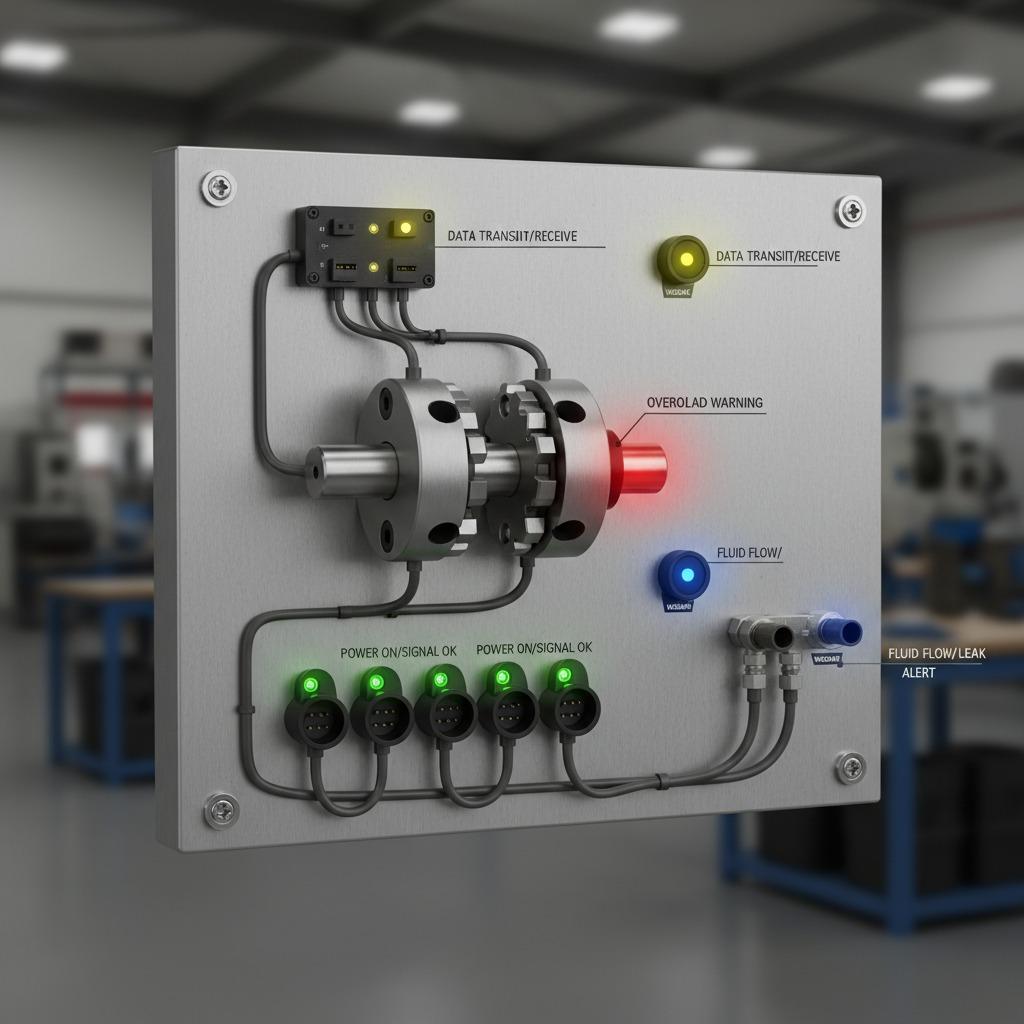

Understanding the Basics of a Coupler in Modern Engineering
A coupler is an essential component in various engineering and technological applications, serving as a connector that links two systems or devices seamlessly. Whether in electrical, mechanical, or optical fields, a coupler ensures efficient transmission of signals, power, or mechanical force. In this article, we explore the role of a coupler, delving into its types and specific implementations like the optical coupler, to highlight their importance in today's innovative setups. As industries evolve, understanding a coupler becomes crucial for professionals and hobbyists alike aiming to optimize their projects.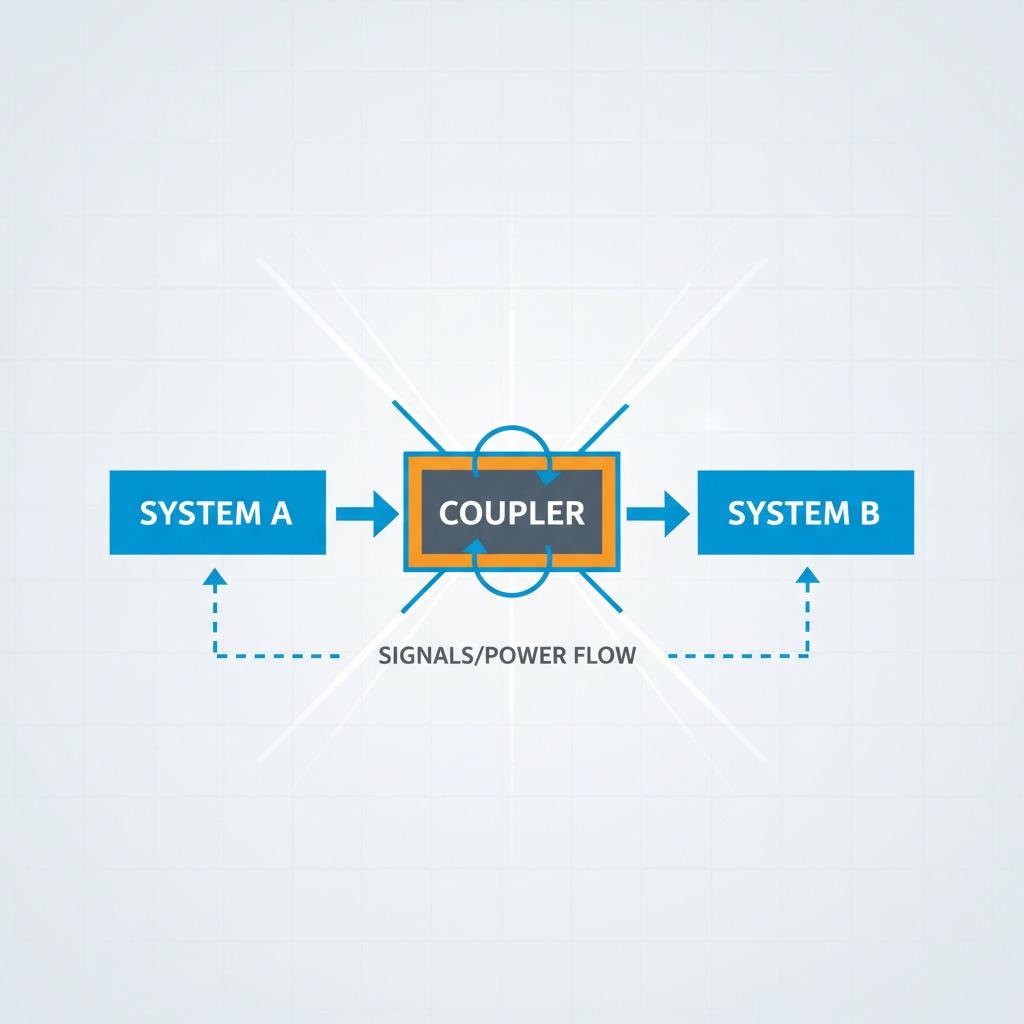
Couplers have been integral since the early days of industrialization, evolving from simple mechanical links to sophisticated devices in high-tech environments. Their primary function is to bridge gaps, reducing losses and enhancing performance. For instance, in networking and telecommunications, a well-designed coupler can prevent signal degradation, ensuring reliable data flow. This versatility makes a coupler a go-to solution across sectors, from automotive to aerospace, where precision and durability are paramount.
Exploring Coupler Types for Diverse Applications
Coupler types vary widely based on the intended use, each tailored to specific requirements in functionality and environment. Mechanical couplers, such as rigid or flexible variants, are commonly used in machinery to connect shafts, allowing torque transfer while accommodating misalignments. In contrast, electrical couplers facilitate connections between circuits, often featuring quick-release mechanisms for easy assembly in control panels. When it comes to coupler types, selection depends on factors like load capacity, vibration resistance, and material composition, ensuring compatibility and longevity.
Among the popular coupler types are jaw couplers, known for their shock-absorbing properties, ideal for high-vibration industrial settings. Beam couplers, with their lightweight aluminum construction, offer high torsional stiffness for precision applications like robotics. Each type addresses unique challenges; for example, bellows couplers excel in environments requiring zero backlash, making them suitable for CNC machines. By choosing the right coupler type, engineers can enhance system efficiency and minimize maintenance needs, ultimately reducing operational costs.
Fluid couplers, another subset of coupler types, are employed in hydraulic systems to join pipes or hoses, preventing leaks and ensuring fluid integrity under pressure. These are often made from corrosion-resistant materials like stainless steel, vital for applications in marine or chemical processing. Understanding these coupler types allows for informed decision-making, whether upgrading existing setups or designing new ones from scratch.
Diving Deep into Optical Coupler Technology
An optical coupler stands out as a specialized device in photonics, designed to split or combine optical signals with minimal loss. This type of coupler is fundamental in fiber optic communications, enabling the distribution of light signals across multiple paths. Unlike traditional electrical couplers, an optical coupler operates on principles of light wave interference, using materials like fused silica to achieve high coupling efficiency. In telecommunications networks, an optical coupler ensures that data travels swiftly and reliably, supporting the backbone of internet infrastructure.
The design of an optical coupler often involves evanescent field coupling, where light from one waveguide transfers to another without physical contact. This makes it invaluable in sensors and medical devices, where precise light manipulation is required. For instance, in laser systems, an optical coupler can direct beams for surgical precision or spectroscopy analysis. Advancements in nanotechnology have led to more compact optical couplers, integrating seamlessly into silicon photonics chips for faster data processing in data centers.
When selecting an optical coupler, considerations include wavelength compatibility, insertion loss, and coupling ratio—typically 50/50 for balanced splitting. Manufacturers offer various configurations, such as single-mode or multimode, to suit applications from long-haul transmission to local area networks. The reliability of an optical coupler translates to fewer network downtimes, making it a critical investment for telecom providers and research facilities.
Applications and Innovations in Coupler Technology
Beyond basics, a coupler finds innovative uses in emerging fields like renewable energy, where it connects solar panels to inverters for optimal power output. In automotive engineering, coupler types like universal joints enable smooth power delivery in drivetrains, enhancing vehicle performance on rugged terrains. These applications underscore the adaptability of a coupler, bridging old and new technologies effectively.
In the realm of DIY electronics, enthusiasts often incorporate simple coupler types to prototype circuits, fostering creativity without compromising safety. For industrial automation, an optical coupler provides electrical isolation, protecting sensitive components from voltage spikes. This protective role extends to safety systems, where couplers ensure fail-safe operations in critical machinery.
Looking ahead, research into smart couplers embedded with sensors promises predictive maintenance capabilities, alerting users to potential failures before they occur. Such innovations could revolutionize industries by extending equipment life and reducing costs. As we integrate more IoT devices, the demand for versatile couplers will only grow, shaping the future of connected systems.
Integrating Couplers with LED Indicator Systems
In practical setups, a coupler can enhance visibility and control by integrating with indicator lights, such as the WSARK LED Indicator Lights. These vibrant red LED pilot lights pair well with couplers in panel assemblies, providing clear status notifications. For example, in machinery where an optical coupler manages signal flow, attaching WSARK lights via a threaded coupler ensures immediate visual feedback on system status.
The bold red illumination of these lights, combined with durable gold-tone bodies, complements the robustness of coupler types in industrial environments. Their compact design allows easy mounting alongside couplers in tight spaces, like dashboards or automation panels. By using a coupler to link these indicators, users achieve a professional, reliable setup that boosts operational efficiency.
Ultimately, whether dealing with mechanical, electrical, or an optical coupler, these components form the unseen heroes of engineering marvels. Their thoughtful application, alongside tools like WSARK LED lights, drives innovation and reliability in diverse projects.
Frequently Asked Questions (FAQ)
1. What is a coupler and why is it important in engineering systems?
A coupler is a mechanical, electrical, or optical device that connects two separate systems or components to enable efficient transmission of power, signals, or mechanical force. Couplers are critical because they bridge gaps between mismatched interfaces, compensate for minor misalignments, reduce transmission losses, and prevent signal degradation. Without proper couplers, systems would suffer from inefficiency, increased wear, and unreliable performance across industries such as telecommunications, automotive, aerospace, and industrial automation.
2. What are the main types of mechanical couplers and where are they used?
| Coupler Type | Key Characteristics | Typical Applications |
|---|---|---|
| Jaw coupler | Shock-absorbing elastomer insert; accommodates misalignment | High-vibration industrial machinery, pumps, compressors |
| Beam coupler | Lightweight aluminum; high torsional stiffness; zero backlash | Robotics, CNC machines, precision positioning systems |
| Bellows coupler | Flexible metal bellows; zero backlash; high torque capacity | Servo motors, encoders, high-speed automation |
| Rigid coupler | No flexibility; precise alignment required | Shaft-to-shaft connections in low-speed, high-torque applications |
| Fluid coupler (hydraulic) | Corrosion-resistant materials (e.g., stainless steel); leak-proof | Hydraulic systems, marine, chemical processing |
Select a coupler based on load capacity, misalignment tolerance, vibration resistance, and environmental conditions.
3. What is an optical coupler and how does it work?
An optical coupler is a passive photonic device that splits or combines optical signals (light) with minimal loss. Unlike electrical couplers, optical couplers operate on the principle of evanescent field coupling – light from one optical fiber or waveguide transfers to another without physical contact. They are made from materials such as fused silica and are used to distribute signals across multiple paths in:
-
Fiber optic communications (telecommunications, internet backbone)
-
Laser systems (surgical precision, spectroscopy)
-
Sensors (medical devices, structural monitoring)
Key specifications include wavelength compatibility, insertion loss (typically 0.5–3 dB), and coupling ratio (e.g., 50/50 for balanced splitting). Single-mode and multimode configurations are available for different transmission distances.
4. How do I choose the right coupler type for my project?
Consider these decision factors:
| Factor | Question to Ask |
|---|---|
| Load / power requirement | How much torque, voltage, or optical power must the coupler handle? |
| Misalignment tolerance | Do shafts have angular, parallel, or axial misalignment? (Flexible couplers compensate; rigid couplers require precise alignment) |
| Environment | Will the coupler be exposed to vibration, moisture, chemicals, or extreme temperatures? |
| Backlash requirement | Is zero backlash needed (e.g., for CNC or robotics)? |
| Material compatibility | Does the application require corrosion-resistant materials (e.g., stainless steel for marine environments)? |
| Space constraints | Is a compact or low-profile coupler required? |
For electrical/optical systems: Verify impedance matching (electrical) or wavelength compatibility (optical).
5. What is the difference between a single-mode and multimode optical coupler?
| Parameter | Single-Mode Optical Coupler | Multimode Optical Coupler |
|---|---|---|
| Core diameter | ~9 µm | 50 µm or 62.5 µm |
| Light propagation | Single path (one mode) | Multiple paths (many modes) |
| Transmission distance | Long (kilometers) | Short (hundreds of meters) |
| Bandwidth | Very high | Moderate |
| Insertion loss | Lower (typically < 0.5 dB per port) | Higher (may exceed 1 dB per port) |
| Applications | Long-haul telecom, high-speed data centers, CATV | Local area networks (LANs), short-reach sensors, building backbones |
Selection rule: Use single-mode for long-distance, high-bandwidth applications. Use multimode for short-distance, cost-sensitive installations.
6. How do I maintain and troubleshoot coupler issues in a system?
For mechanical couplers:
-
Inspect regularly – Check for wear, cracks, or deformation in elastomer inserts (jaw couplers) or metal bellows
-
Verify alignment – Misalignment causes premature bearing failure and vibration
-
Lubricate if required – Some couplers need periodic greasing (follow manufacturer specification)
-
Replace worn inserts – Jaw coupler elastomers are consumable parts
For optical couplers:
-
Clean end-faces – Dust or contamination causes insertion loss; use fiber optic cleaning tools (never compressed air)
-
Check connector mating – Loose connections increase reflectance and loss
-
Monitor power budget – Track insertion loss over time; a sudden increase indicates damage
-
Protect from bending – Excessive bend radius cracks fibers inside the coupler
Common failure symptoms:
-
Mechanical: Unusual noise, vibration, reduced torque transmission
-
Optical: Low power at output ports, intermittent signal loss
Always replace damaged couplers with identical specifications (material, load rating, coupling ratio, wavelength) to maintain system performance. For critical infrastructure, stock spare couplers to minimize downtime.