
Understanding the Coax Coupler: Your Guide to Reliable Connectivity
In the world of RF and signal transmission, the coax coupler stands out as a fundamental component that ensures seamless connections between coaxial cables and devices. Whether you're setting up a home audio-visual system or working with professional testing equipment, choosing the right coax coupler can make all the difference in maintaining signal integrity and performance. This article delves into the essentials of coax couplers, exploring their types, benefits, and applications to help you make informed decisions for your connectivity needs.
What is a Coax Coupler?
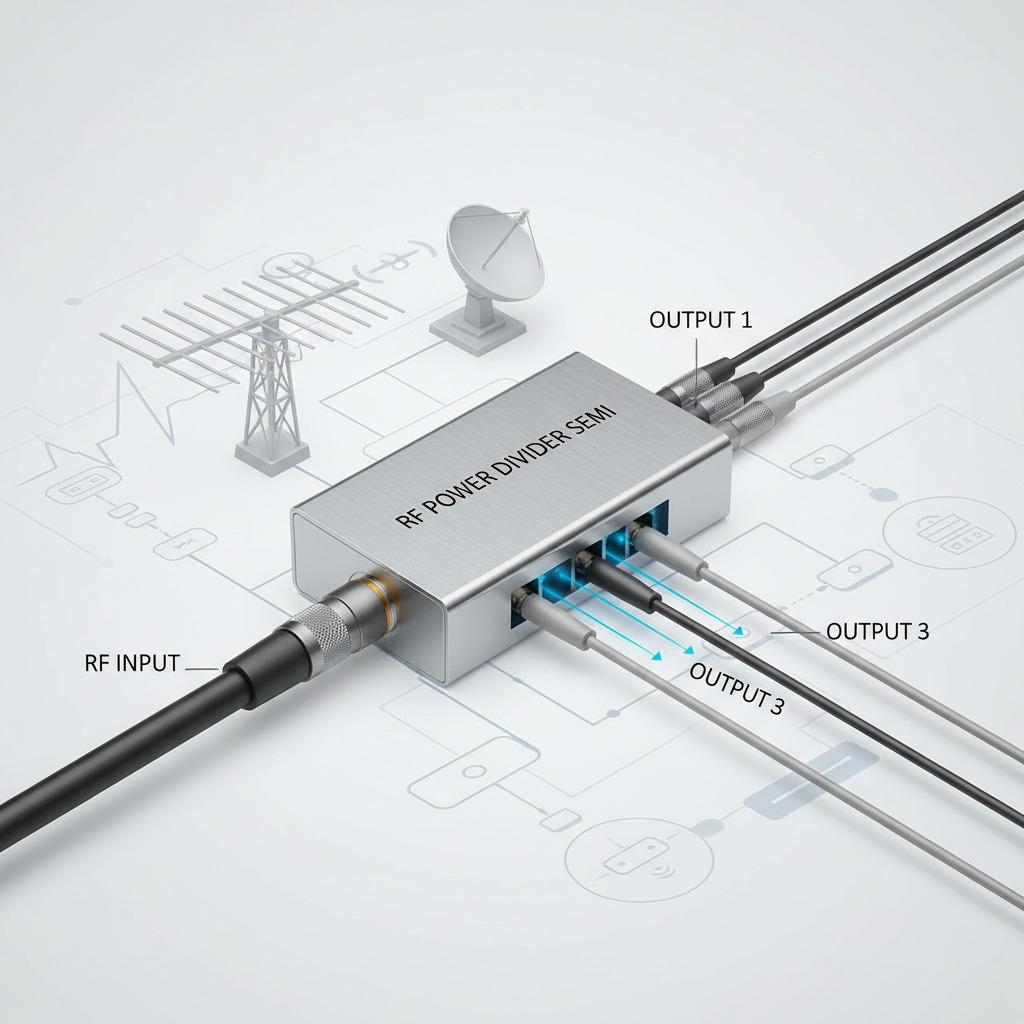
A coax coupler, often referred to as a coaxial coupler, is a device designed to join two coaxial cables or connect a coaxial cable to another type of connector. It plays a crucial role in RF systems by facilitating the transmission of radio frequency signals with minimal loss. Unlike standard coax connectors, which might focus on a single interface, a coax coupler is versatile, allowing for flexible setups in various scenarios. For instance, in amateur radio or broadcasting, a well-engineered coax RF coupler can bridge different impedance levels, ensuring that signals remain strong and undistorted over distances.
The design of a typical coax coupler involves precision-machined components that align the inner conductor and outer shield of coaxial cables perfectly. This alignment is vital for preventing electromagnetic interference and maintaining the characteristic impedance, usually 50 ohms or 75 ohms, depending on the application. Materials like nickel-plated brass or corrosion-resistant alloys are commonly used, providing durability in harsh environments such as outdoor installations or industrial settings.
Types of Coaxial Couplers and Connectors
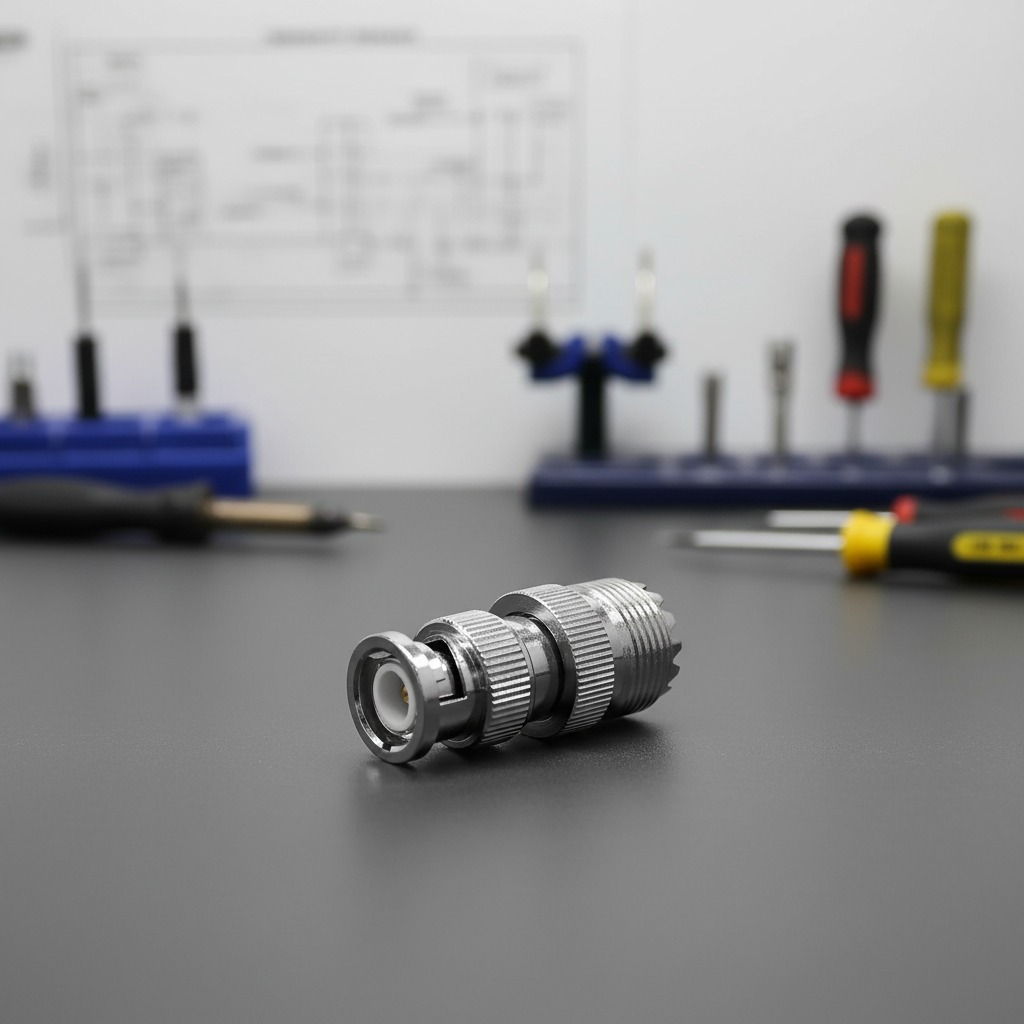
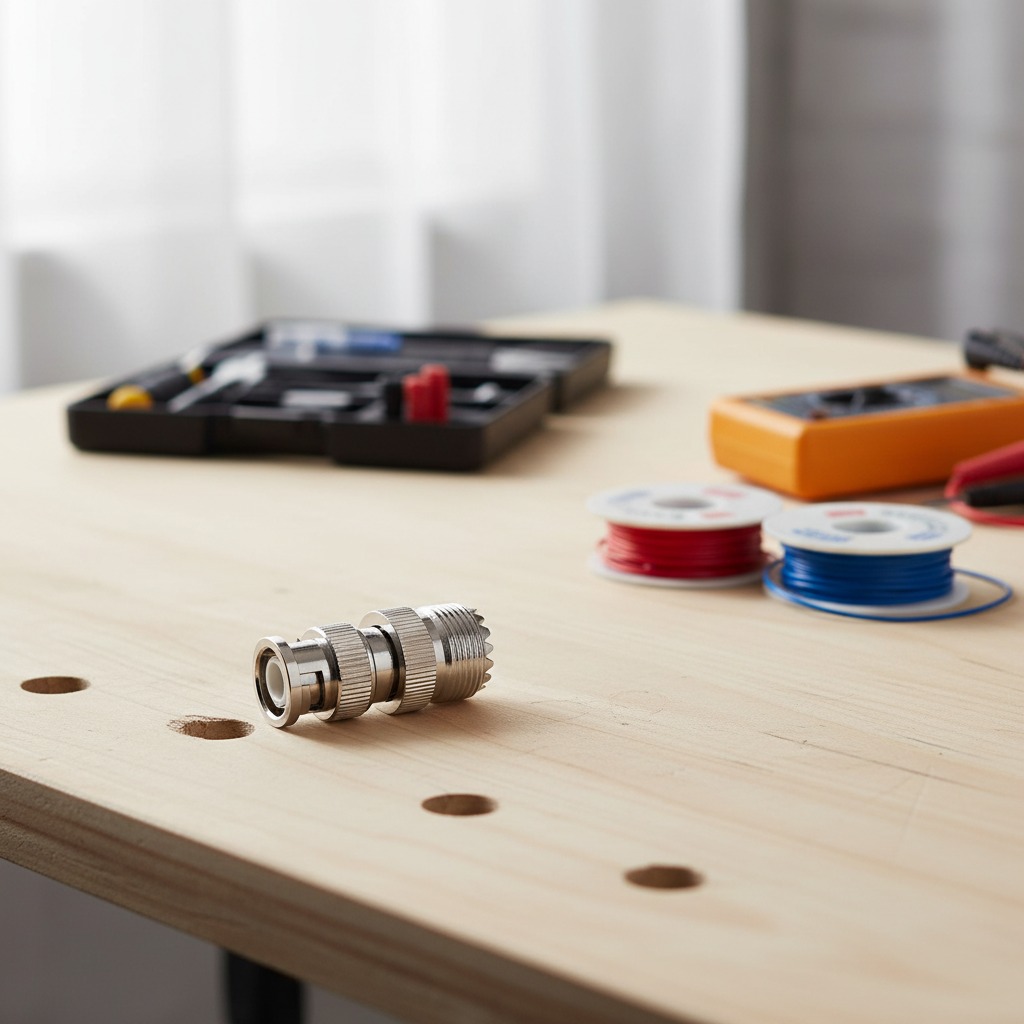
When selecting a coaxial coupler, understanding the available types is essential. A basic coax connector might serve as the foundation, but specialized versions like the coax RF coupler offer enhanced features for high-frequency applications. For example, BNC to UHF adapters fall under this category, serving as a type of coaxial coupler that bridges BNC interfaces, known for their reliability in video and RF connections, with UHF connectors, which are popular in amateur radio and older equipment.
These adapters are precision-engineered for optimal performance, featuring high conductivity to minimize signal loss. Crafted from robust, corrosion-resistant metal, they ensure long-term reliability even in demanding conditions. The compact design of such coax couplers allows for easy integration into tight spaces, without sacrificing efficiency. Other types include N-type coaxial couplers for higher power handling and SMA coax connectors for microwave frequencies, each tailored to specific needs like broadband communication or satellite systems.
In practical terms, a coax RF coupler might be used in a setup where you need to extend a coaxial line temporarily. By simply screwing or snapping the coupler into place, you can maintain continuity without soldering, which is ideal for field technicians or hobbyists. Always check the frequency range and power rating to ensure compatibility, as mismatched specifications can lead to performance degradation.
Benefits and Applications of Coax Couplers
One of the primary benefits of a high-quality coax coupler is its ability to reduce insertion loss, which is the signal attenuation that occurs during connection. With advanced designs, such as those in coax connectors from reputable manufacturers, users can achieve near-lossless transmission, crucial for applications requiring high fidelity. Additionally, the durability of these components means they withstand vibrations, temperature fluctuations, and exposure to elements, making them suitable for both indoor and outdoor use.
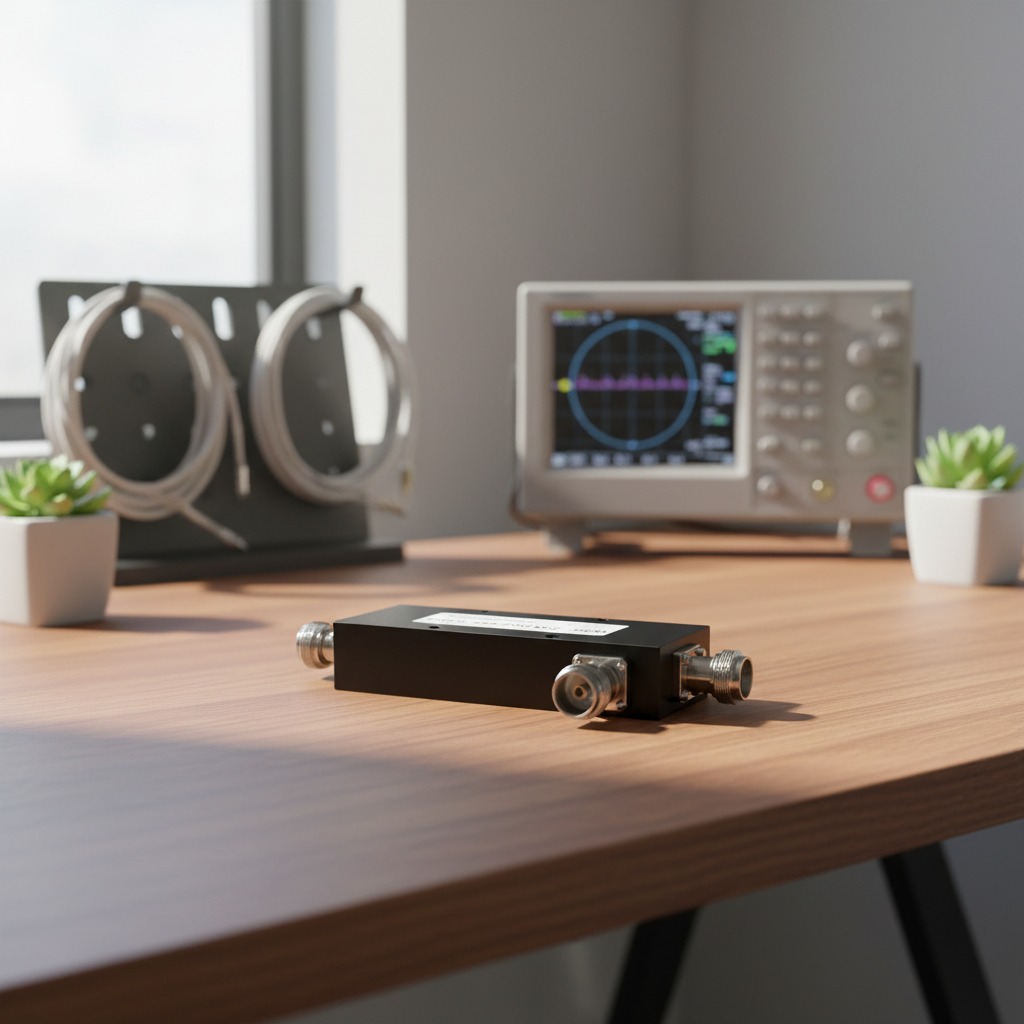
In audio-visual applications, a coaxial coupler like a BNC to UHF adapter shines by seamlessly bridging legacy equipment with modern setups. Imagine connecting an old oscilloscope with UHF ports to a new video surveillance system using BNC cables—the adapter ensures compatibility without quality compromise. For testing equipment, coax RF couplers are indispensable, allowing engineers to route signals through spectrum analyzers or network testers efficiently. In amateur radio, enthusiasts rely on these couplers to link antennas to transceivers, enabling clear communication over vast distances.
The sleek, compact nature of modern coax couplers also adds an aesthetic appeal, blending functionality with a professional look. They promise minimal signal loss through gold-plated contacts that enhance conductivity, making them an essential toolkit item for tech enthusiasts. Whether you're upgrading a home theater or building a custom RF rig, incorporating a reliable coaxial coupler elevates the entire system's performance.
Choosing the Right Coax Coupler for Your Needs
Selecting the appropriate coax coupler involves considering factors like frequency bandwidth, connector type, and environmental resilience. For high-power RF applications, opt for a coax RF coupler with robust shielding to prevent radiation leaks. If you're dealing with video signals, a coaxial coupler with low VSWR (Voltage Standing Wave Ratio) will ensure reflections are minimized, preserving image and audio quality.
Consider the specific interfaces you're working with; for instance, if your setup includes BNC and UHF, a dedicated adapter acts as an effective coax connector. These devices are engineered for versatility, supporting a range of uses from laboratory testing to field deployments. Always verify the impedance match to avoid signal reflections that could degrade performance. In addition, look for couplers that meet industry standards like MIL-SPEC for military-grade reliability.
Installation is straightforward—most coax couplers feature threaded or bayonet-style connections that secure firmly with minimal tools. Proper torque application during assembly prevents damage to the threads, ensuring a long lifespan. For those new to RF connections, starting with a basic coax connector can build confidence before moving to more complex coaxial couplers.
Maintaining and Troubleshooting Coax Couplers
To maximize the longevity of your coax coupler, regular maintenance is key. Inspect connections for corrosion or wear, especially in outdoor environments, and clean with appropriate solvents if needed. A well-maintained coaxial coupler will continue to deliver optimal signal transmission, avoiding common issues like intermittent connectivity.
Troubleshooting often starts with checking for loose fits or damaged cables. If signal loss persists, test the coax RF coupler with a continuity meter to ensure the inner and outer conductors are intact. Replacing a faulty unit is simple, and having spares on hand prevents downtime. For advanced diagnostics, tools like a cable analyzer can pinpoint issues within the coaxial coupler setup.
In summary, the coax coupler is an indispensable element in any RF or connectivity project, offering reliability, versatility, and performance. From bridging BNC to UHF interfaces to enabling complex RF networks, these devices empower users to achieve professional-grade results. By understanding their types, benefits, and best practices, you can enhance your setups and ensure seamless signal flow for years to come.