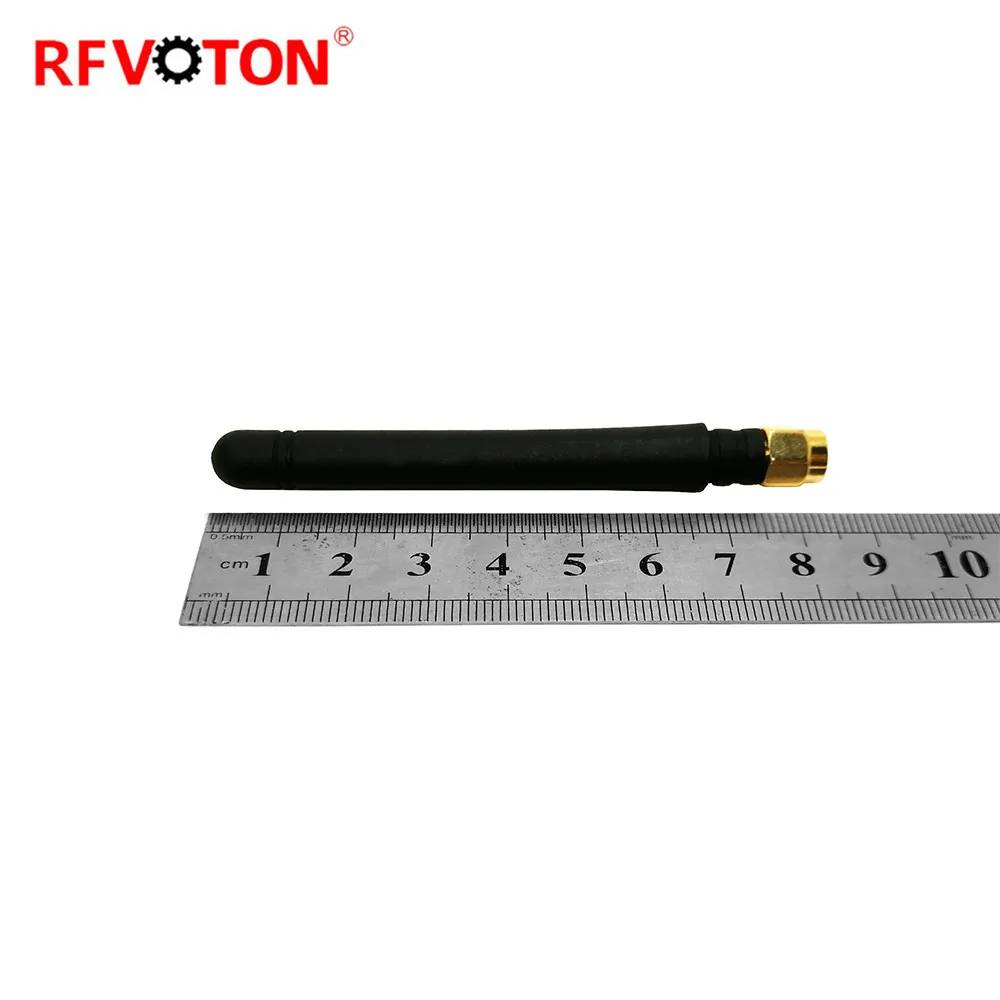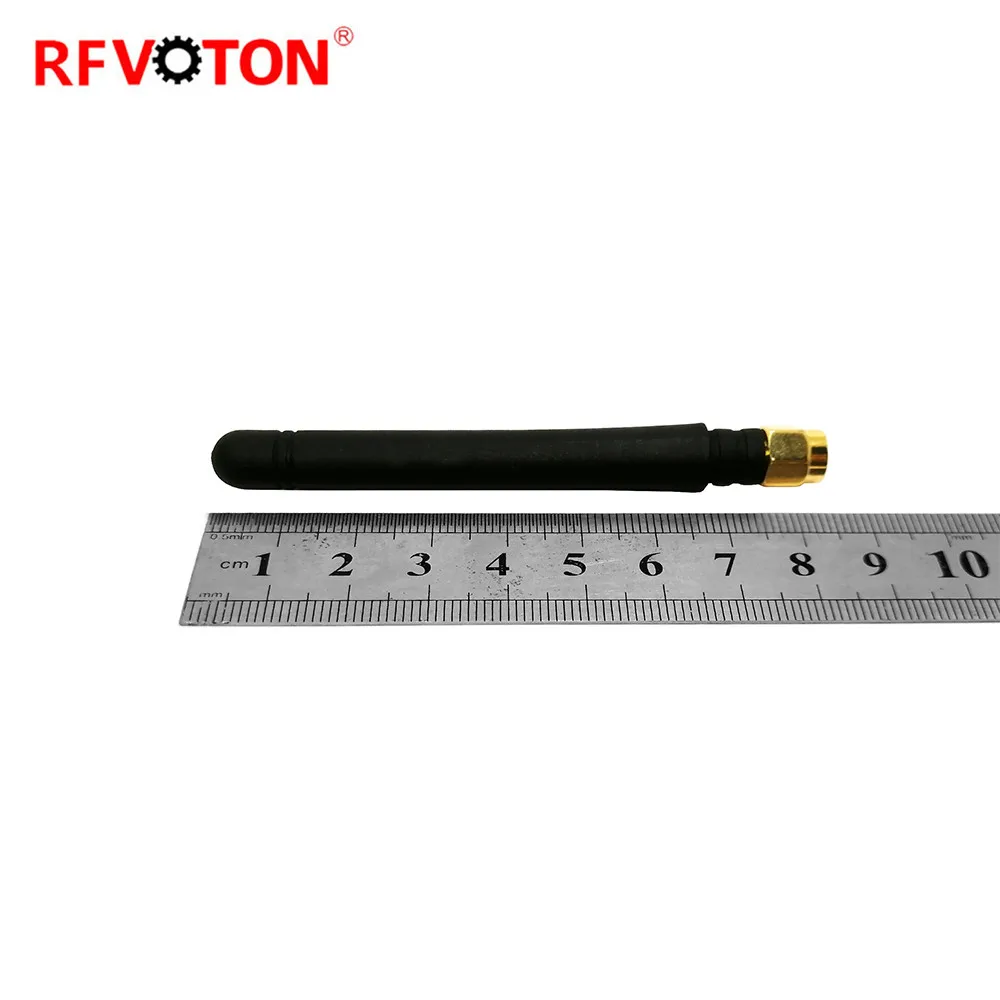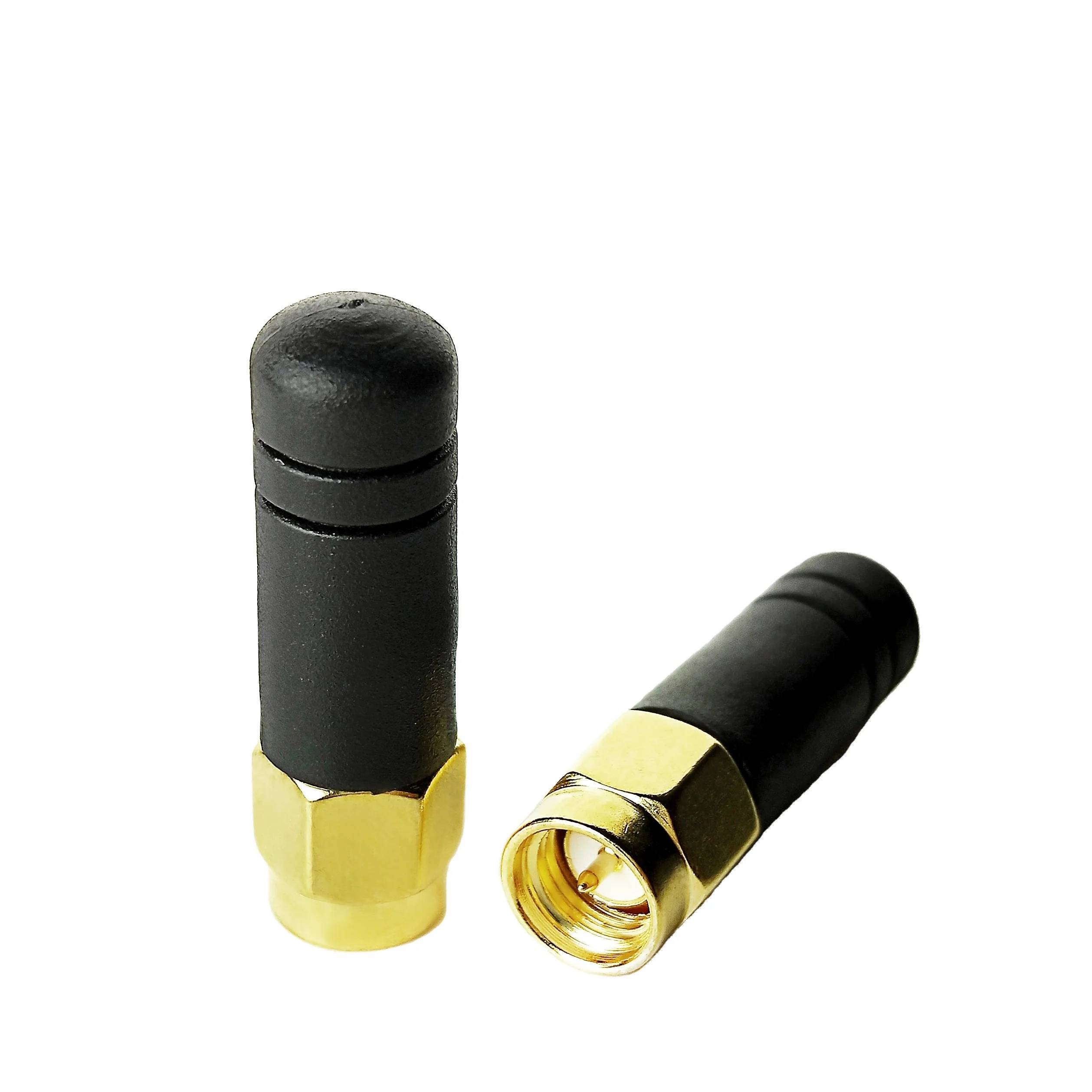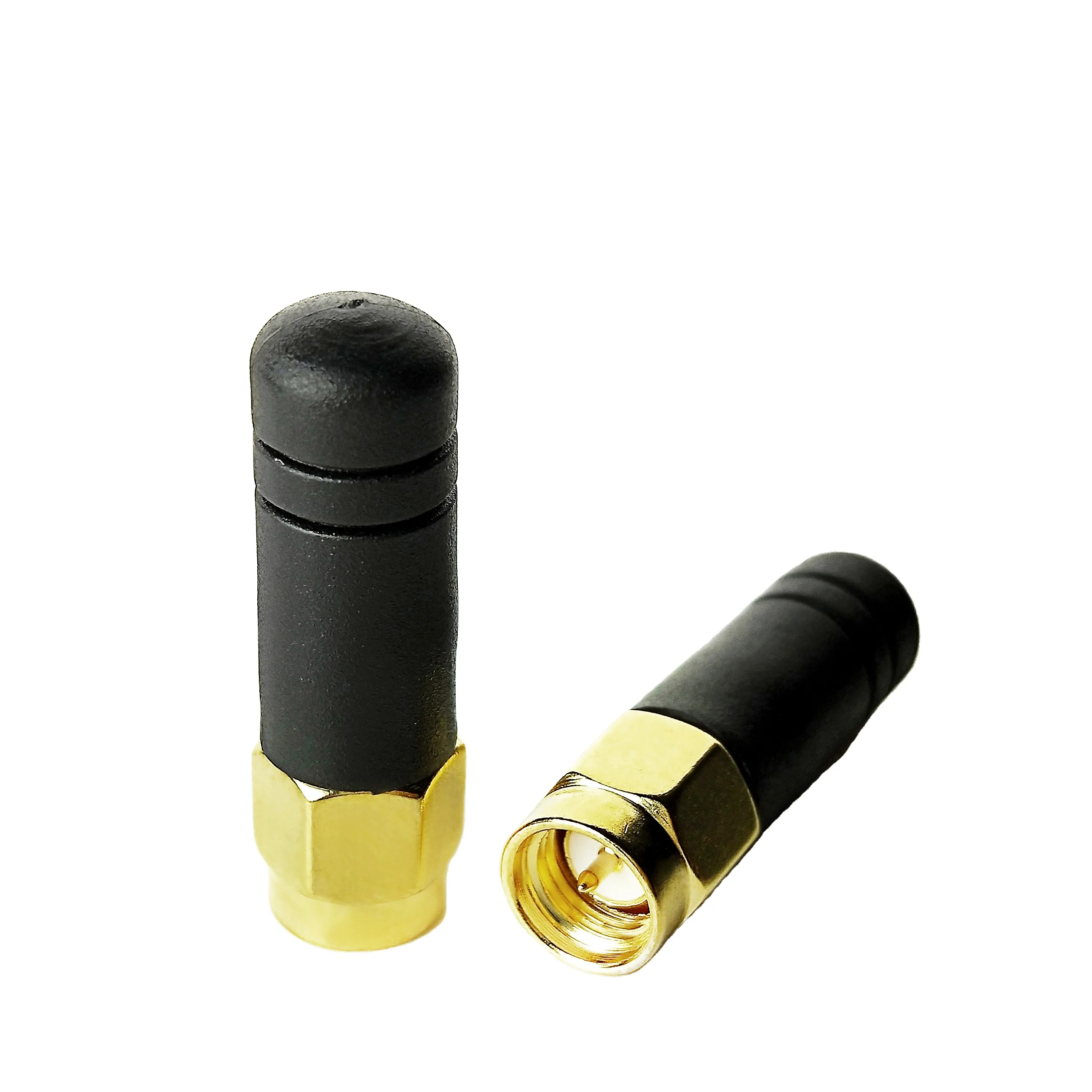

In the world of wireless communication, the 2dbi GSM antenna stands out as a reliable solution for enhancing signal strength and connectivity in various devices. This compact antenna is engineered to deliver consistent performance, making it an essential component for GSM-enabled gadgets. Whether you're setting up a mobile hotspot, integrating it into IoT systems, or upgrading your router, the 2dbi GSM antenna ensures seamless data transmission without the bulk of larger alternatives. Its low-profile design combines functionality with ease of installation, appealing to both professionals and enthusiasts who prioritize efficiency in their setups.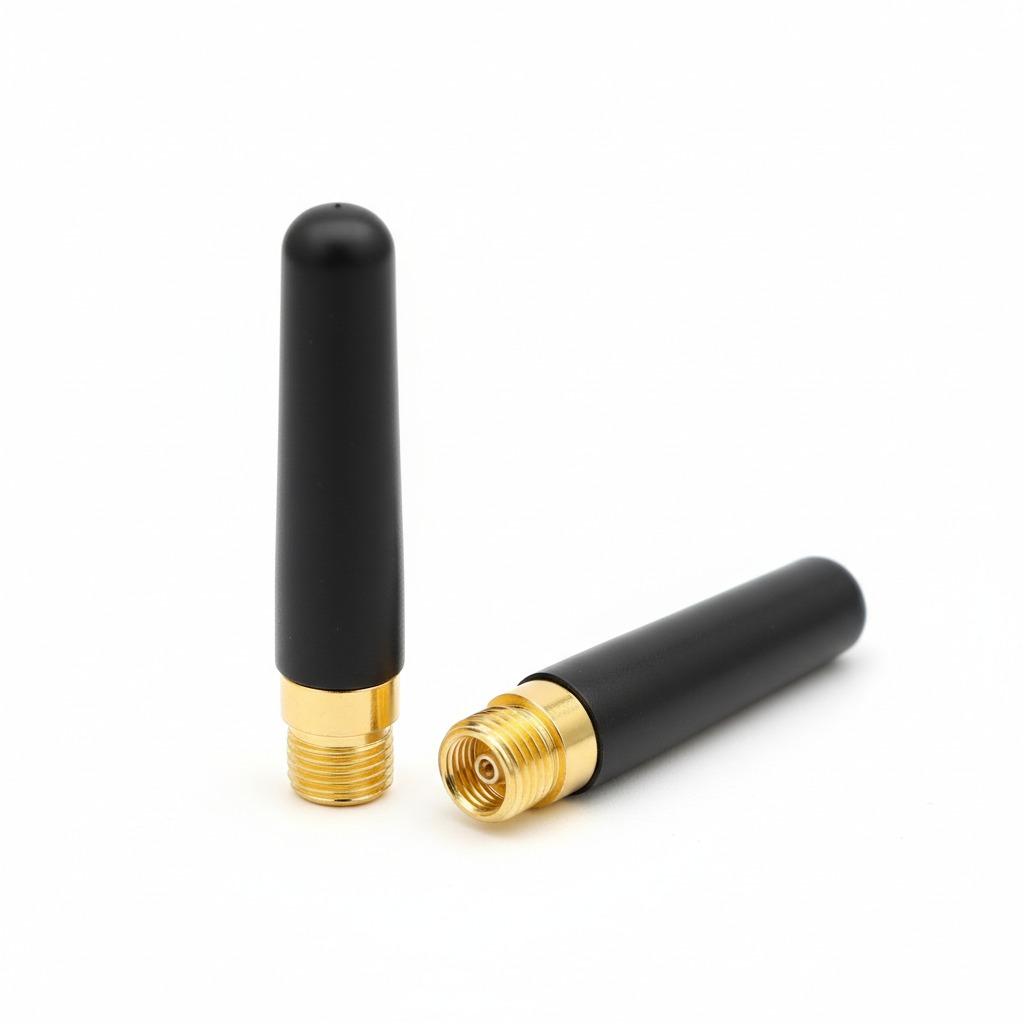
One of the key features that sets the 2dbi GSM antenna apart is its integration with rubber duck antenna technology. Known for its flexible, rubberized construction, the rubber duck antenna variant offers durability against everyday wear and tear, making it ideal for portable applications. This flexibility prevents breakage in dynamic environments, such as outdoor use or in vehicles, where vibrations and impacts are common. Paired with the 2dbi GSM antenna's precise tuning, users experience reduced signal dropouts and improved reception, even in challenging urban or rural settings. The antenna's omnidirectional radiation pattern further amplifies its versatility, broadcasting signals evenly in all directions for broader coverage.
For those seeking advanced capabilities, the dual-band antenna functionality within the 2dbi GSM antenna lineup allows operation across multiple frequency bands, optimizing performance for diverse networks. This dual-band antenna design supports simultaneous use on GSM frequencies while accommodating other wireless standards, ensuring future-proofing for evolving tech landscapes. Imagine deploying this in security cameras or remote sensors, where reliable dual-band operation means uninterrupted monitoring and data logging. The antenna's high-gain potential, despite its modest 2dBi rating, translates to real-world benefits like extended range and lower power consumption, which is crucial for battery-operated devices.
Expanding on its frequency adaptability, the 2dbi GSM antenna also aligns with 433Mhz antenna specifications, making it a go-to for low-power wide-area networks (LPWAN) and short-range communications. The 433Mhz antenna integration facilitates applications in smart home systems, garage door openers, and wireless sensors, where precise control over this sub-GHz band is necessary. By incorporating robust shielding to minimize interference, the 2dbi GSM antenna maintains signal integrity amid crowded spectrum environments. Users report enhanced responsiveness in these setups, with fewer retransmissions and faster data throughput, underscoring its value in automation projects.
Similarly, compatibility with 868Mhz antenna protocols broadens the 2dbi GSM antenna's appeal, particularly in European and regional IoT deployments. The 868Mhz antenna feature enables efficient penetration through obstacles, ideal for industrial monitoring or agricultural tech where line-of-sight isn't always feasible. This frequency band's lower data rates but higher range make it perfect for long-haul applications, and the 2dbi GSM antenna's tuned elements ensure maximal efficiency. In practice, integrating this antenna results in stable connections over distances up to several kilometers, reducing the need for repeaters and simplifying network architecture.
Emphasizing reliability, the high quality antenna standards embodied in the 2dbi GSM antenna guarantee longevity and consistent output. Crafted from premium materials like UV-resistant plastics and corrosion-proof metals, this high quality antenna withstands harsh conditions, from extreme temperatures to humidity. Quality control measures, including rigorous testing for VSWR (Voltage Standing Wave Ratio) and impedance matching, ensure that each unit performs at peak levels. For businesses, this translates to fewer failures and maintenance costs, while hobbyists appreciate the plug-and-play simplicity that doesn't compromise on precision.
As a specialized GSM communication antenna, the 2dbi GSM antenna excels in voice and data applications for cellular networks. This GSM communication antenna is optimized for EDGE, GPRS, and 2G/3G bands, providing clear calls and swift internet access even in fringe areas. Its compact size—often under 10cm—fits neatly into enclosures without protruding awkwardly, enhancing device aesthetics and ergonomics. In fleet management or telemedicine, where dependable GSM communication is critical, this antenna's low noise figure minimizes errors, ensuring mission-critical reliability.
Delving deeper into design innovations, the 2dbi GSM antenna incorporates elements reminiscent of the classic rubber duck antenna for enhanced flexibility and the dual-band antenna for multi-protocol support. The 433Mhz antenna and 868Mhz antenna compatibilities add layers of versatility, allowing seamless integration into hybrid systems. As a high quality antenna, it features gold-plated connectors for superior contact and reduced oxidation over time. The GSM communication antenna aspect shines in real-time applications, where every decibel counts toward uninterrupted service.
Practical applications of the 2dbi GSM antenna are vast, from consumer electronics to enterprise solutions. In home automation, pairing it with a 433Mhz antenna setup controls lights and appliances effortlessly. For outdoor adventures, the durable rubber duck antenna build withstands elements while maintaining dual-band antenna connectivity for GPS tracking. Industries like logistics benefit from the 868Mhz antenna range for asset tracking, and the high quality antenna construction ensures compliance with regulatory standards like FCC and CE.
In summary, the 2dbi GSM antenna represents a pinnacle of engineering, blending compactness with robust performance. Its rubber duck antenna resilience, dual-band antenna adaptability, 433Mhz antenna precision, 868Mhz antenna reach, high quality antenna craftsmanship, and GSM communication antenna prowess make it indispensable. Whether upgrading existing devices or prototyping new ones, this antenna delivers value that exceeds expectations, fostering stronger, more reliable wireless ecosystems.
Loading...