
1. What Is an RF Attenuator?
An RF attenuator is a device designed to deliberately reduce the amplitude of an RF signal without introducing significant distortion or reflection. Unlike amplifiers, attenuators do not add noise or power to the signal; instead, they provide controlled signal loss, typically measured in decibels (dB).
RF attenuators are commonly used to:
-
Prevent signal overload in receivers and test instruments
-
Adjust signal levels for optimal system performance
-
Simulate real-world signal conditions in laboratory testing
2. Key Functions of RF Attenuators
RF attenuators serve several important functions in wireless systems:
-
Signal Level Control
They help maintain appropriate signal strength, preventing saturation or damage to RF components. -
Equipment Protection
Attenuators protect receivers, spectrum analyzers, and measurement equipment from excessive RF power. -
Impedance Matching
Properly designed attenuators help maintain consistent impedance, reducing signal reflection and VSWR issues. -
Improved Measurement Accuracy
In RF testing environments, attenuators ensure accurate and repeatable measurement results.
3. Common Types of RF Attenuators
Different applications require different attenuator designs. The most common RF attenuator types include:
Fixed RF Attenuators
Fixed attenuators provide a constant attenuation value, such as 3 dB, 6 dB, or 10 dB. They are widely used in systems where stable and predictable signal reduction is required.
Variable RF Attenuators
Variable attenuators allow continuous or adjustable signal attenuation. They are often used in testing and tuning applications where flexible signal control is needed.
Step RF Attenuators
Step attenuators offer selectable attenuation levels in discrete steps. These are commonly used in automated test systems and calibration setups.
4. Frequency Range and Power Handling
When selecting an RF attenuator, it is essential to consider the operating frequency range and power handling capability. An attenuator must be compatible with the system’s frequency band to avoid signal degradation.
Key parameters include:
-
Operating frequency range
-
Maximum input power
-
Attenuation accuracy
-
Insertion loss and VSWR
Choosing the right specifications ensures reliable performance and long-term stability.
5. Connector Types and Mechanical Design
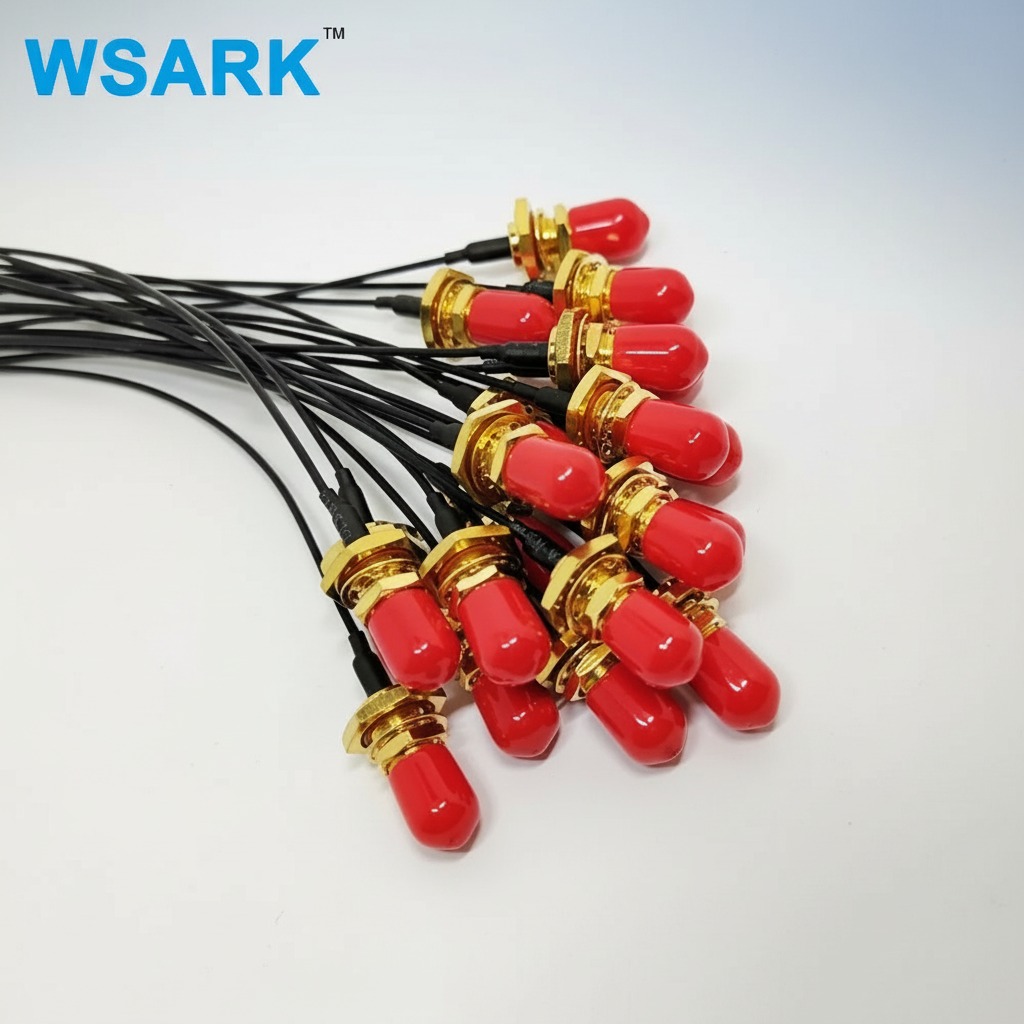
RF attenuators are available with various connector types, including SMA, N-type, TNC, and other RF interfaces. The connector selection should match the existing system configuration to ensure secure connections and minimal signal loss.
Mechanical robustness is especially important in industrial and outdoor environments, where vibration, temperature variation, and long-term reliability are critical factors.
6. Applications of RF Attenuators
RF attenuators are widely used in:
-
Wireless communication systems
-
RF testing and measurement equipment
-
Signal conditioning and calibration setups
-
Industrial and laboratory RF applications
They are indispensable components in both operational networks and development environments.
Conclusion
RF attenuators play a vital role in controlling signal strength, protecting equipment, and maintaining stable performance in wireless systems. By selecting the appropriate attenuator type, frequency range, and power rating, engineers can significantly enhance system reliability and measurement accuracy.
Zhenjiang Woshuang Wireless RF Technology Co., Ltd supplies RF attenuators with stable performance, precise attenuation values, and wide frequency coverage for industrial and communication applications. Our solutions are designed to meet the demanding requirements of modern RF systems.