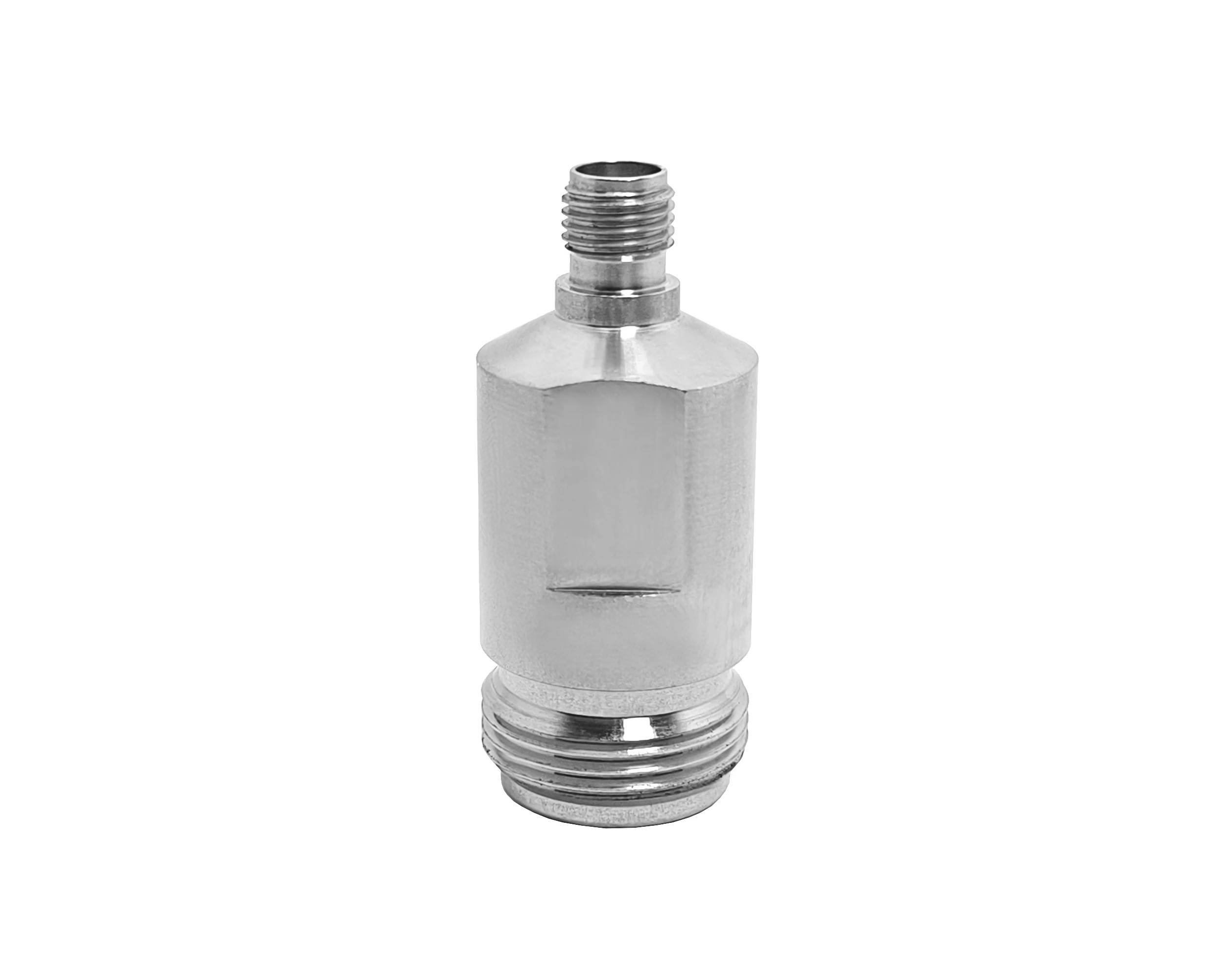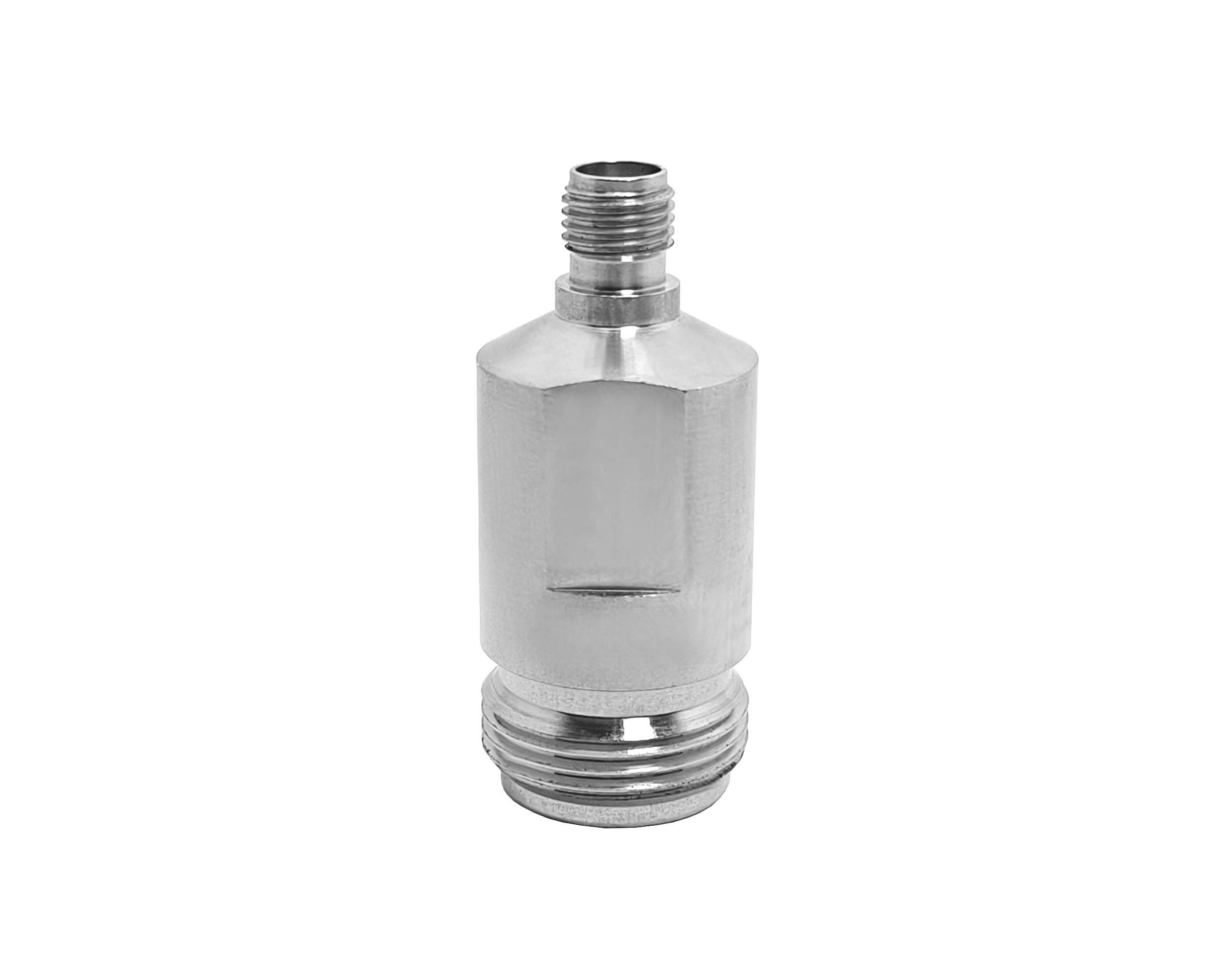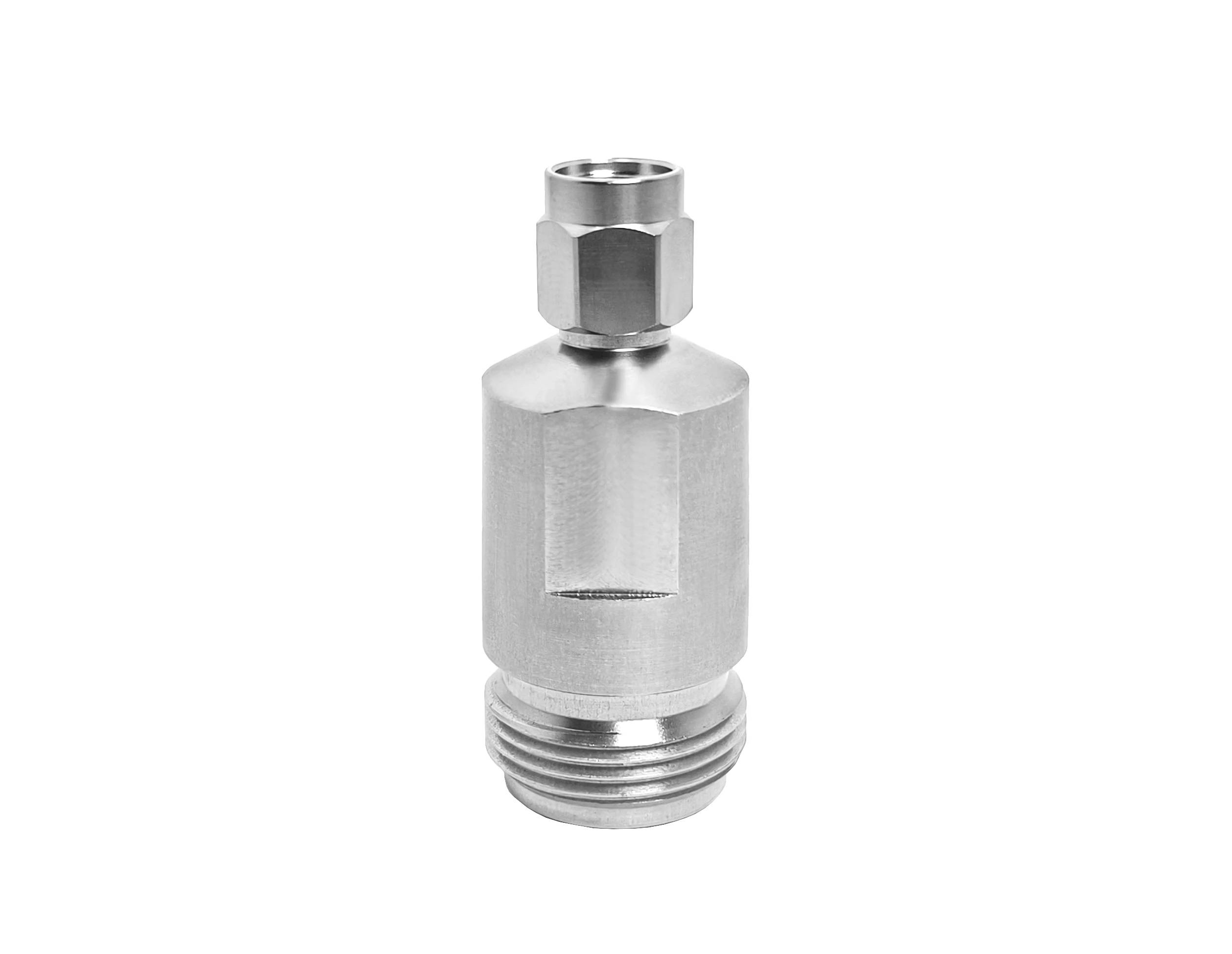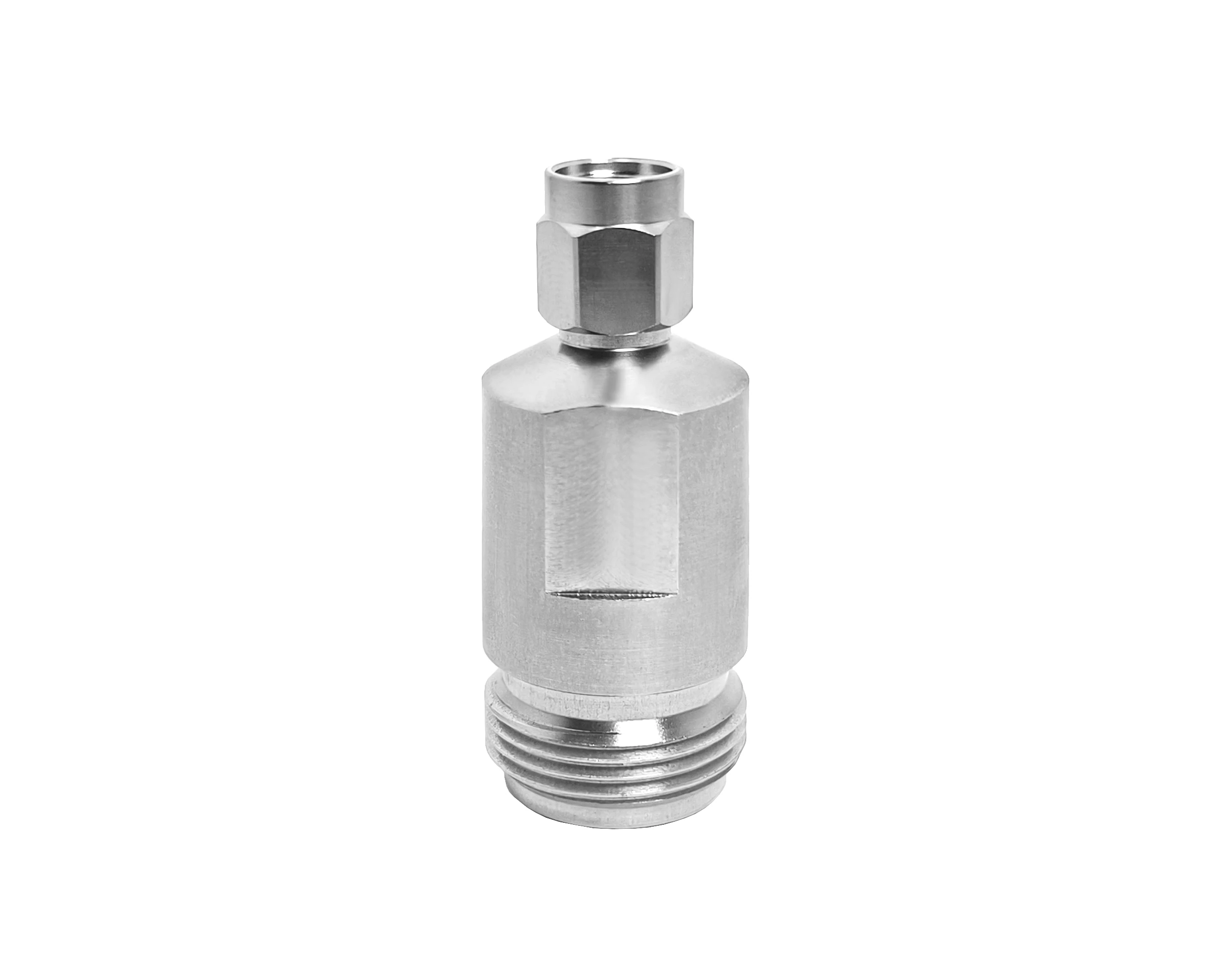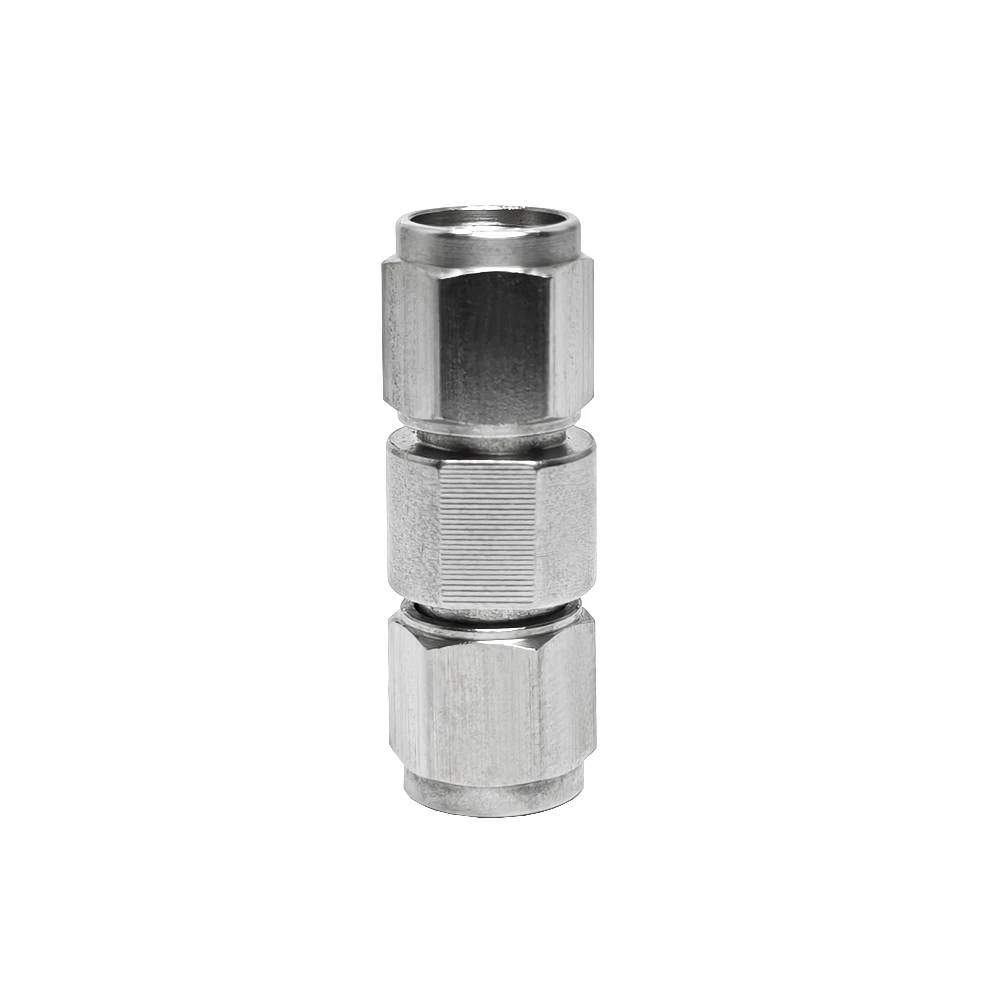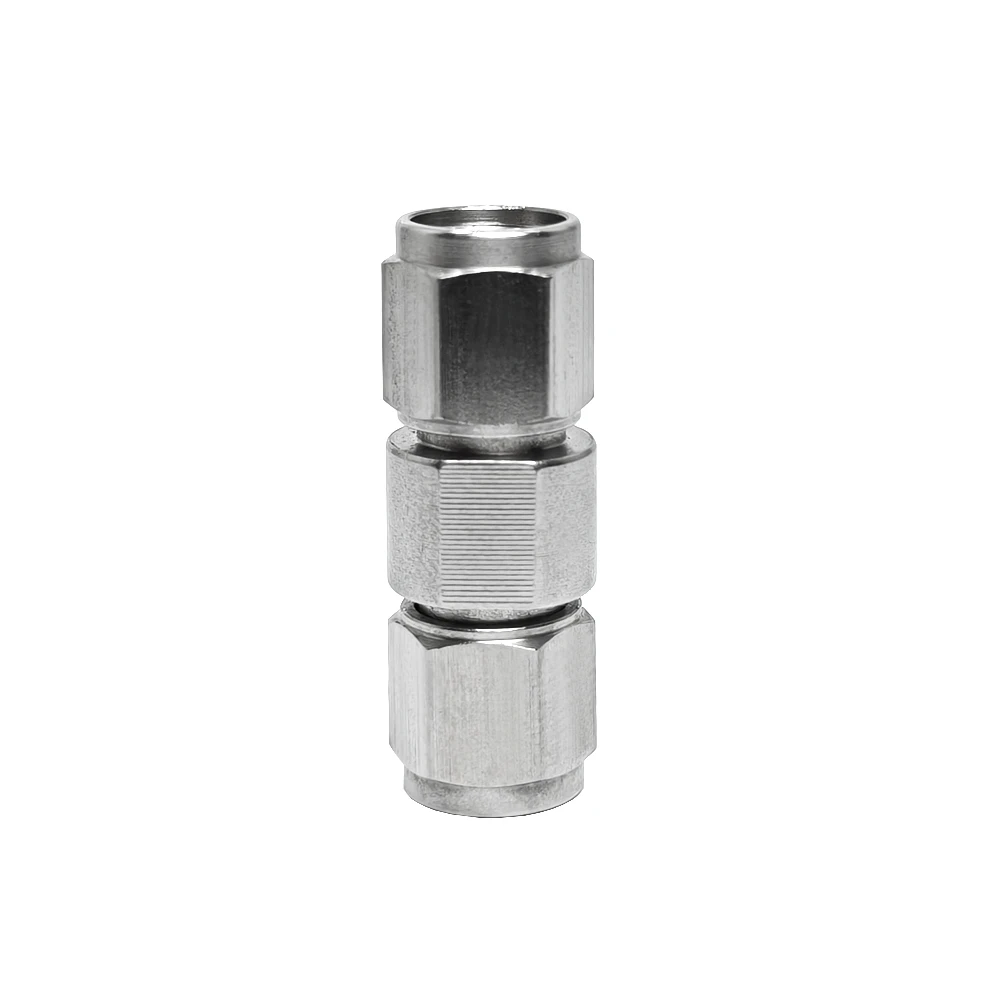

In the world of precision connectivity, the stainless steel RF adapter stands out as an essential component for ensuring reliable signal transmission in various applications. Engineered with high-grade stainless steel, this adapter offers unparalleled durability and resistance to environmental factors, making it ideal for professionals handling sensitive equipment. Whether you're working in telecommunications, testing labs, or broadcasting setups, the stainless steel RF adapter provides a secure and efficient connection that minimizes signal loss and maximizes performance.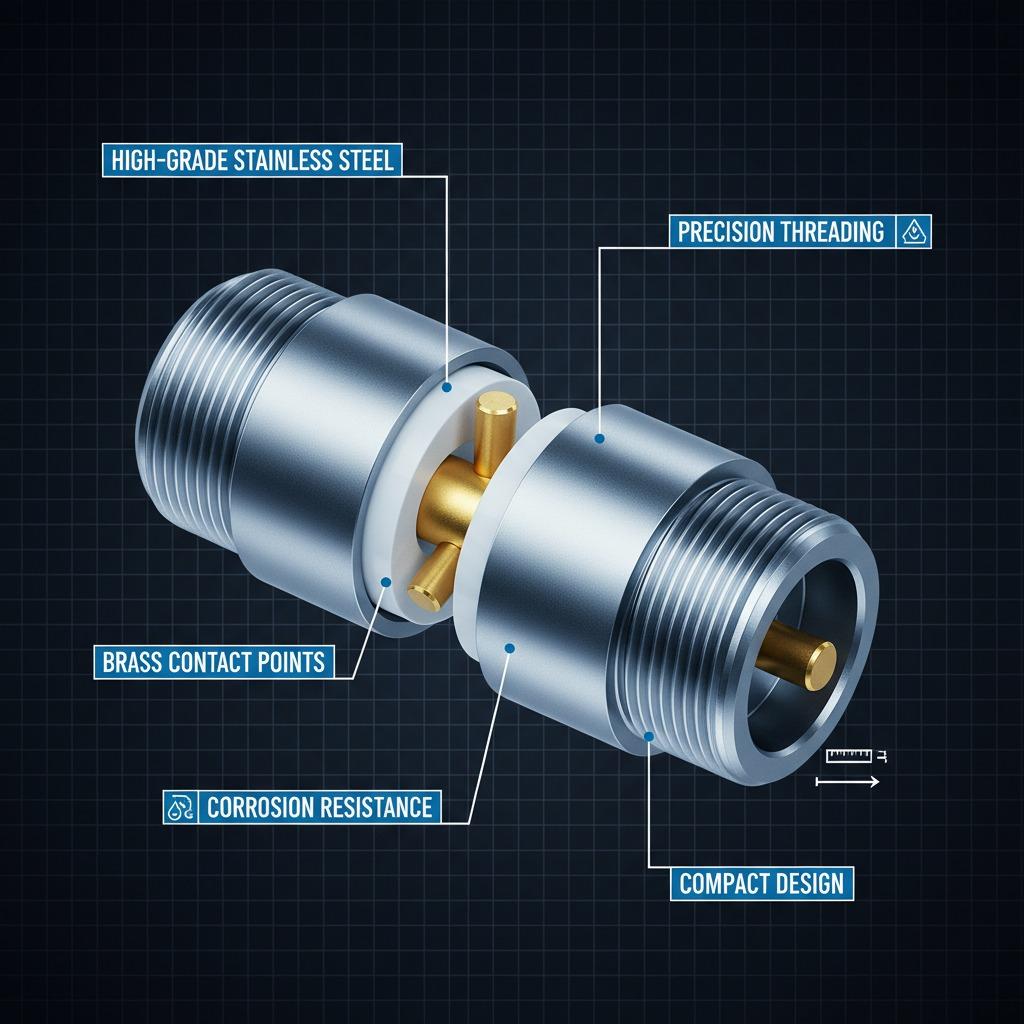
Building on its robust construction, the stainless steel RF adapter incorporates advanced threading and contact points that facilitate seamless integration with compatible devices. Its corrosion-resistant properties ensure it performs consistently even in harsh conditions, such as high-humidity environments or areas exposed to chemicals. This level of reliability is crucial for industries where downtime can be costly, positioning the stainless steel RF adapter as a top choice for long-term use. Moreover, its compact design allows for easy installation without the need for specialized tools, enhancing workflow efficiency in busy operational settings.
One of the key features that sets the stainless steel RF adapter apart is its versatility in pairing with other components. For instance, it works flawlessly with a brass contact 3.5mm adapter, which adds an extra layer of conductivity for precise signal handling. The brass contact 3.5mm adapter, often used in high-frequency applications, complements the stainless steel body by providing low-resistance connections that preserve signal integrity. This combination is particularly beneficial in scenarios requiring fine-tuned adjustments, such as in research and development labs where accuracy is paramount.
Expanding on connectivity options, the male to male 3.5mm adapter variant offers a straightforward solution for linking two devices directly. This configuration of the stainless steel RF adapter eliminates the need for additional intermediaries, streamlining setups in field operations or portable testing kits. With its male to male 3.5mm adapter design, users can achieve quick and stable links that support data rates up to several gigahertz, making it indispensable for modern RF systems. The precision machining ensures that each connection is snug and vibration-resistant, reducing the risk of intermittent failures during extended use.
When it comes to RF test equipment, the stainless steel RF adapter plays a pivotal role in maintaining the accuracy of measurements. Integrated into RF test equipment setups, this adapter facilitates the transfer of signals between analyzers, generators, and antennas without introducing noise or attenuation. Professionals in quality assurance and calibration rely on the stainless steel RF adapter to verify the performance of wireless devices, ensuring compliance with industry standards like those set by IEEE or FCC. Its ability to handle a wide frequency range, from DC to beyond 18 GHz, makes it a versatile tool in the arsenal of any RF test equipment suite.
For those involved in measurement equipment adapter applications, the stainless steel RF adapter provides the backbone for precise data acquisition. As a dedicated measurement equipment adapter, it bridges the gap between sensors and recording devices, enabling real-time monitoring of RF parameters such as power levels, impedance, and phase shifts. The stainless steel construction not only withstands the rigors of repeated connections but also maintains calibration over time, which is essential for scientific experiments or industrial monitoring. By incorporating the stainless steel RF adapter into your measurement equipment adapter chain, you can achieve higher fidelity in results, leading to more informed decision-making and optimized system designs.
It's worth noting the distinction from common audio accessories; while a 3.5mm audio adapter might serve consumer electronics like headphones, the stainless steel RF adapter is built for professional RF signal connector demands. The RF signal connector aspect emphasizes its role in high-stakes environments where signal purity is non-negotiable. Unlike basic 3.5mm audio adapters, this RF signal connector variant features specialized shielding to prevent electromagnetic interference, ensuring that transmitted signals remain clear and undistorted. This makes the stainless steel RF adapter superior for applications in radar systems, satellite communications, or medical imaging equipment, where even minor disruptions can have significant consequences.
In practical terms, integrating a brass contact 3.5mm adapter with the stainless steel RF adapter enhances overall system performance. The brass material in the contact area provides excellent electrical conductivity, reducing insertion loss and improving return loss figures. For users deploying male to male 3.5mm adapter configurations, this pairing allows for extended cable runs without compromising quality, which is vital in large-scale installations like data centers or military communications. Furthermore, when used with RF test equipment, the setup enables comprehensive spectrum analysis, helping engineers diagnose issues in real-time and accelerate troubleshooting processes.
The adaptability of the stainless steel RF adapter extends to various measurement equipment adapter scenarios, including those involving multi-port testing. In such cases, multiple stainless steel RF adapters can be daisy-chained to create complex networks for simultaneous signal routing. This modularity supports scalability, allowing systems to grow as needs evolve. For RF signal connector purposes, the adapter's gold-plated interfaces—when combined with brass contact 3.5mm adapter elements—ensure minimal oxidation and sustained performance over thousands of mating cycles. Such durability translates to cost savings, as replacements are infrequent, and maintenance is straightforward.
Beyond technical specifications, the stainless steel RF adapter contributes to safety and compliance in professional settings. Its design adheres to RoHS and REACH standards, minimizing environmental impact while providing peace of mind for users in regulated industries. Whether connecting RF test equipment in a lab or deploying a male to male 3.5mm adapter in the field, this component upholds the highest levels of quality. As a reliable RF signal connector, it supports innovations in 5G infrastructure, IoT devices, and beyond, driving the future of wireless technology.
To sum up the benefits, the stainless steel RF adapter, with its integration of features like the brass contact 3.5mm adapter and measurement equipment adapter capabilities, represents a pinnacle of engineering excellence. It not only meets the demands of today's RF test equipment but anticipates the challenges of tomorrow. For engineers, technicians, and system integrators, investing in this adapter means committing to precision, reliability, and efficiency. With its proven track record in diverse applications, the stainless steel RF adapter continues to be a cornerstone in the realm of high-performance connectivity solutions.


Description