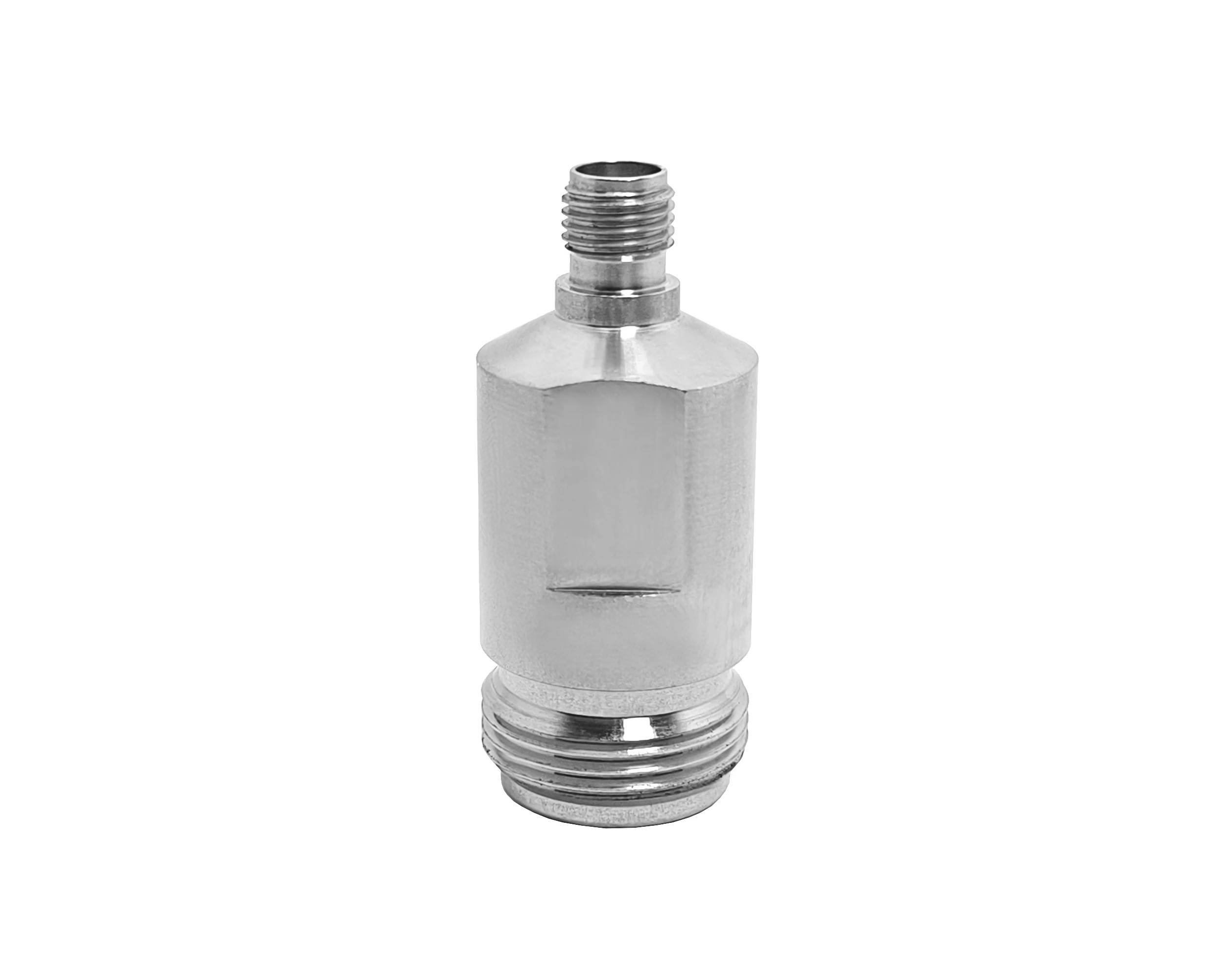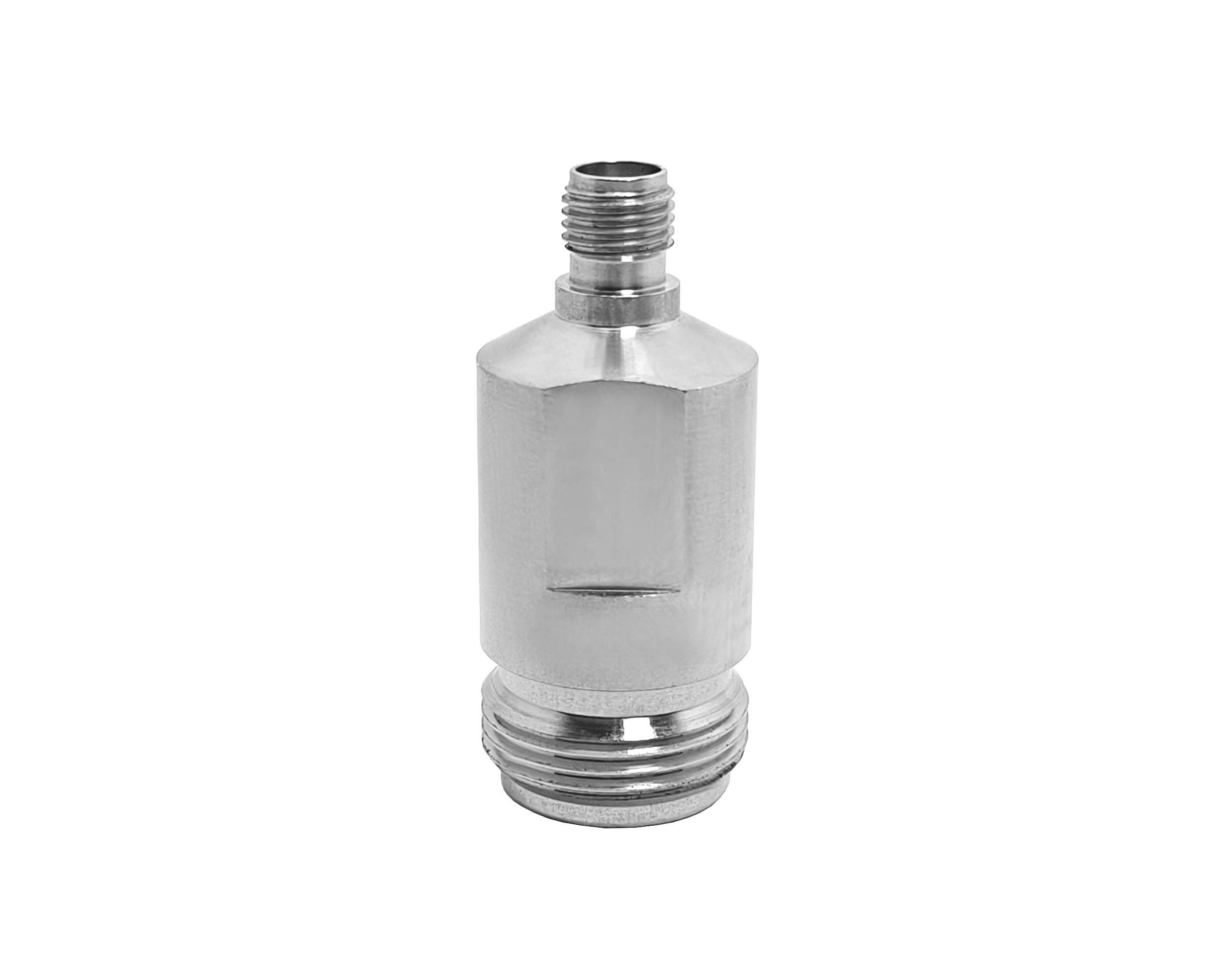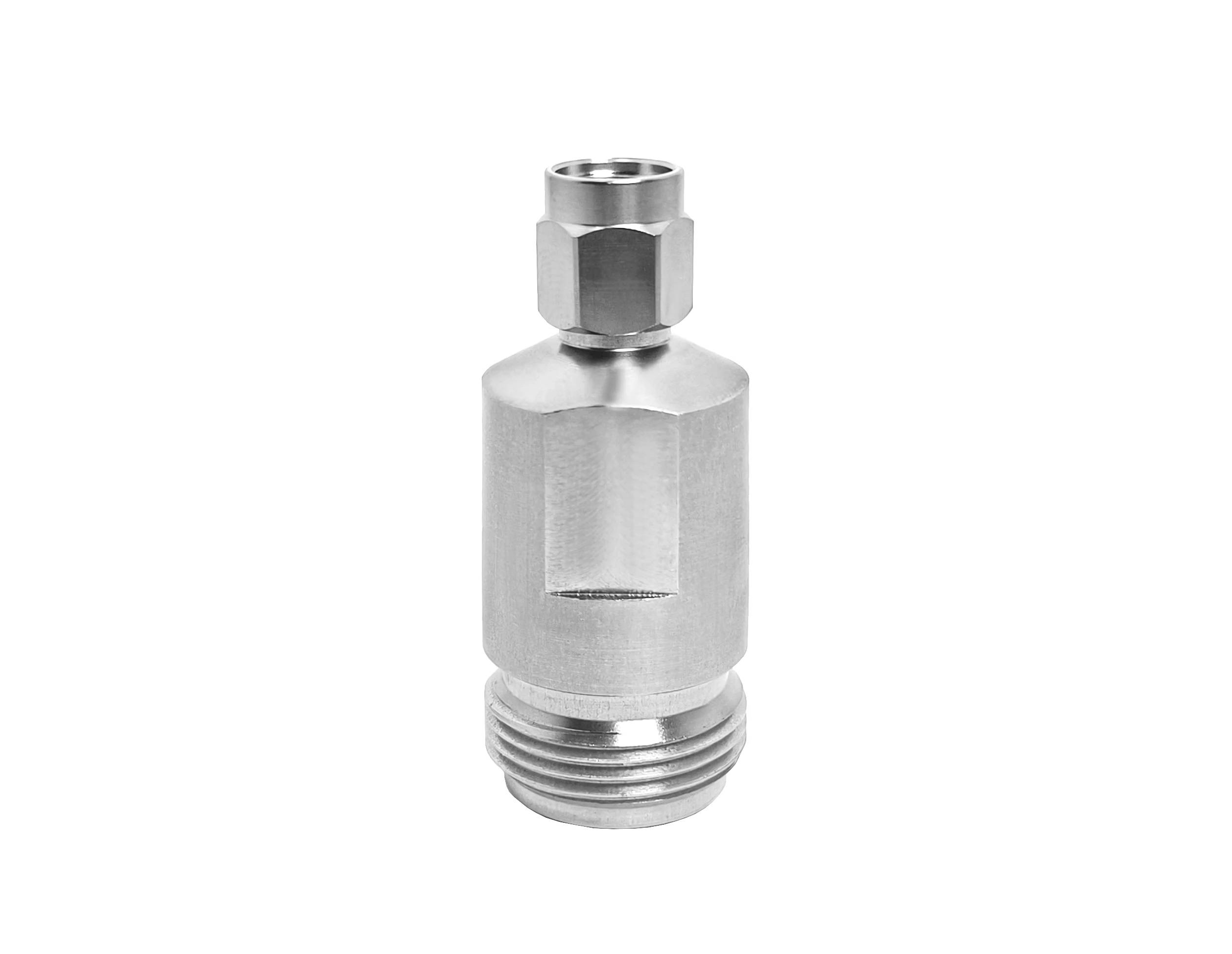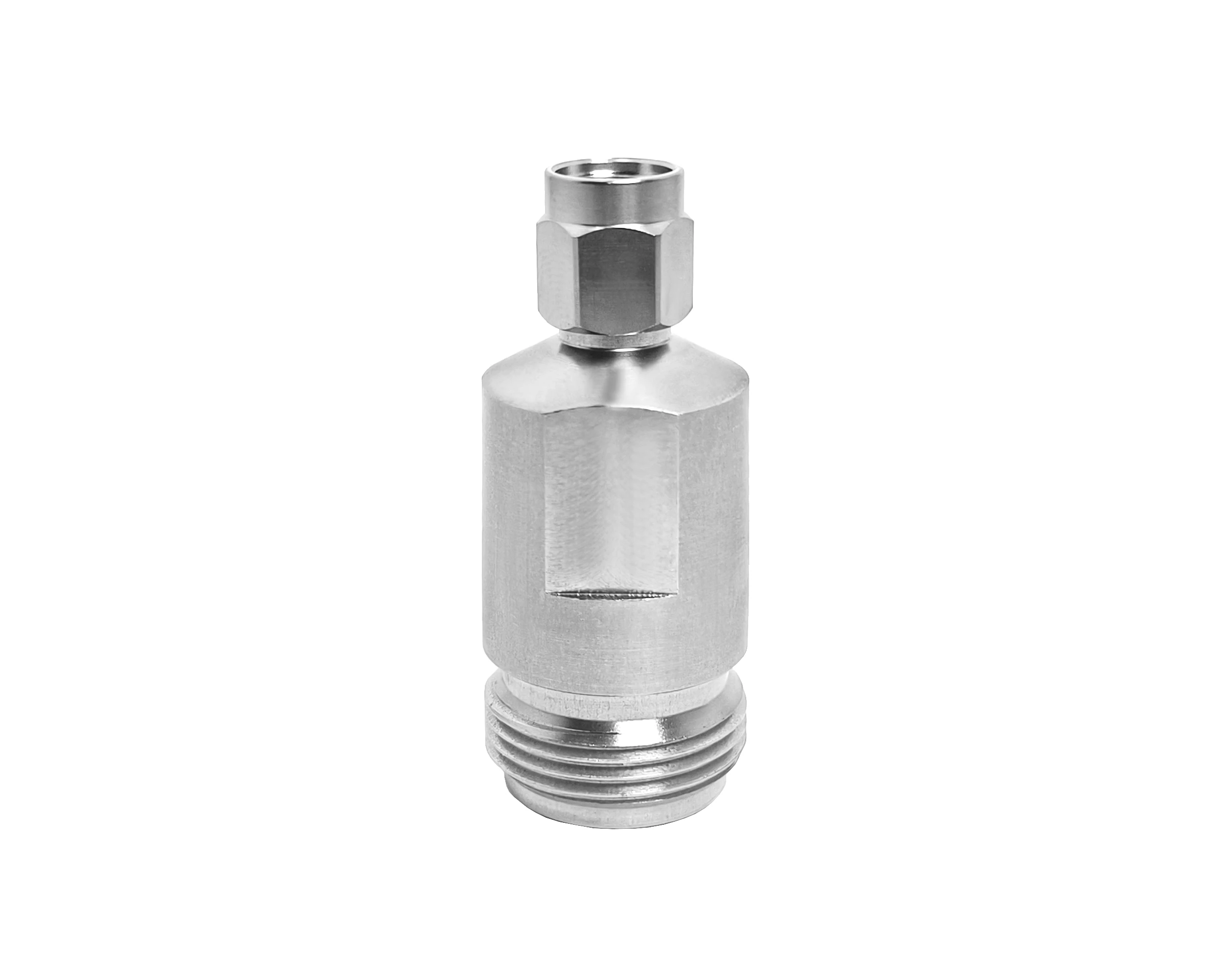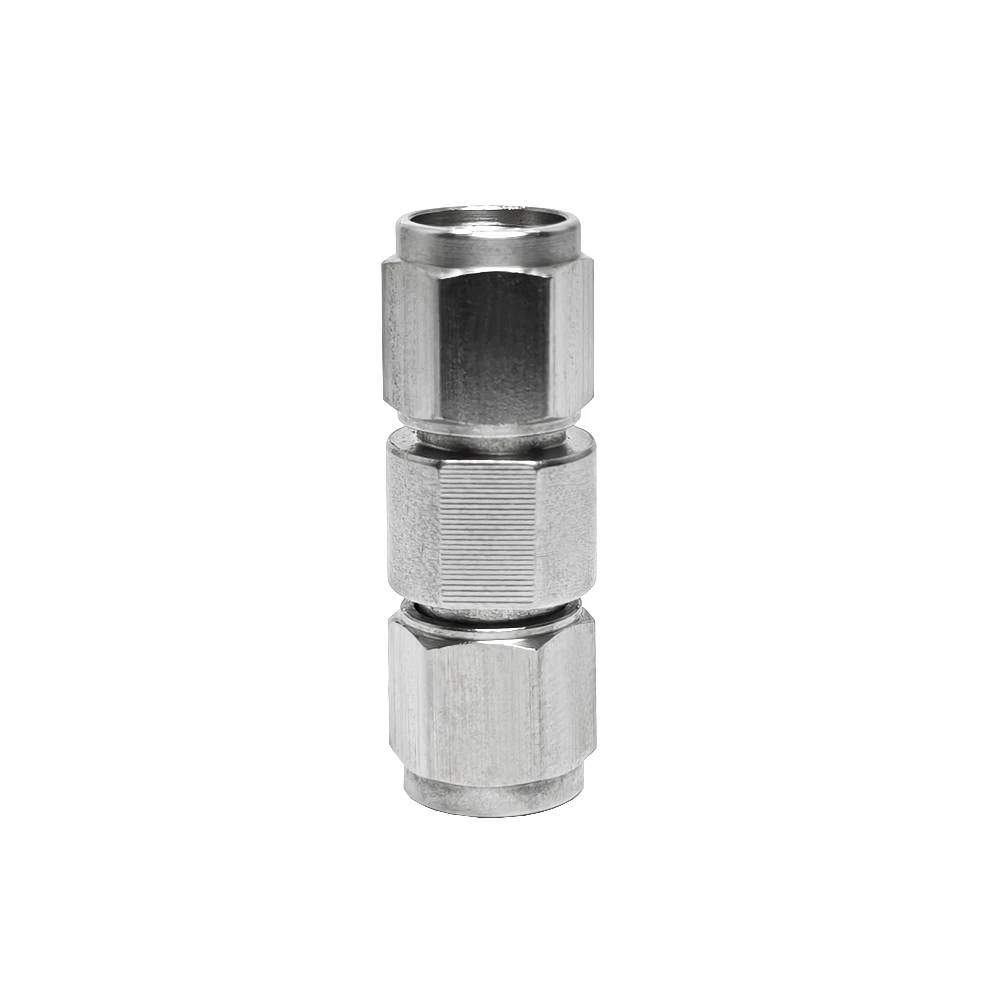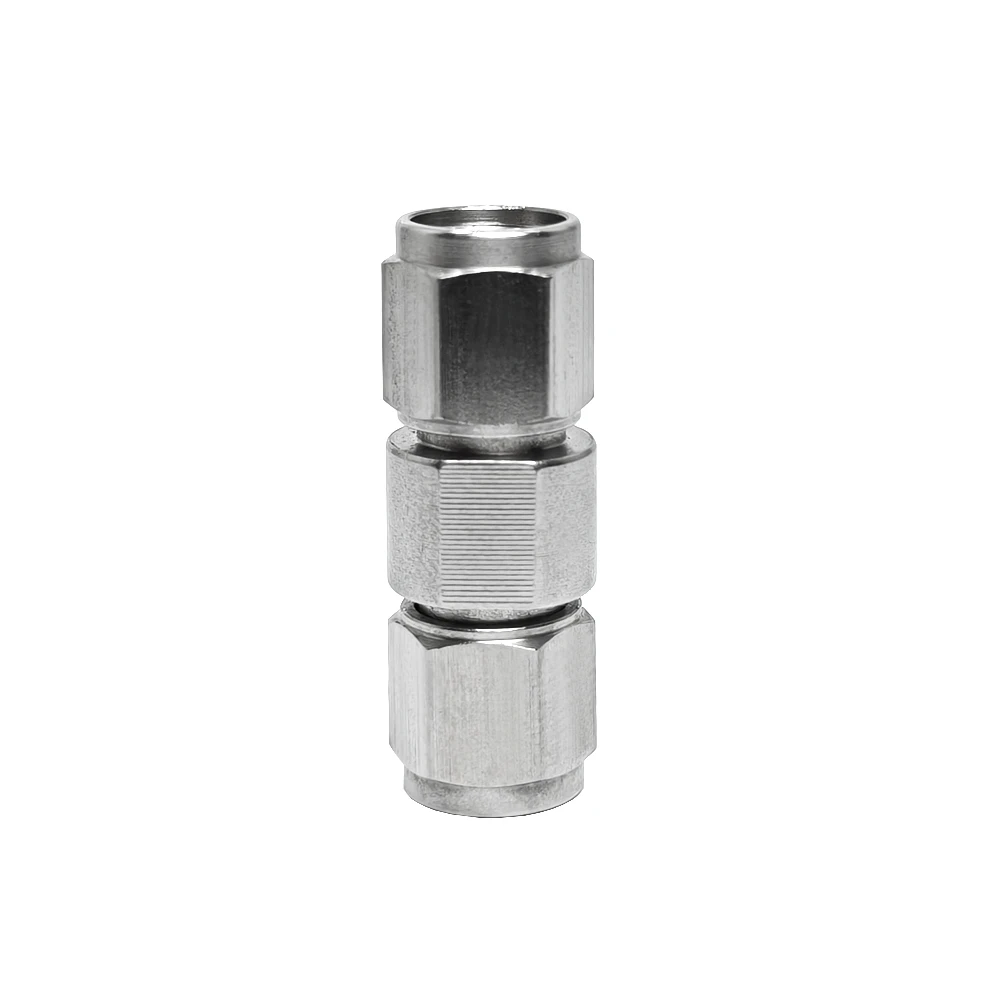

In the world of radio frequency connections, the RPSMA Male to RPSMA Male adapter stands out as an essential component for seamless signal transmission. This versatile adapter allows for direct male-to-male connections between RPSMA-compatible devices, ensuring minimal signal loss and reliable performance in various setups. Whether you're assembling a wireless network or integrating components in a communication system, this adapter provides the connectivity you need without the hassle of mismatched ports.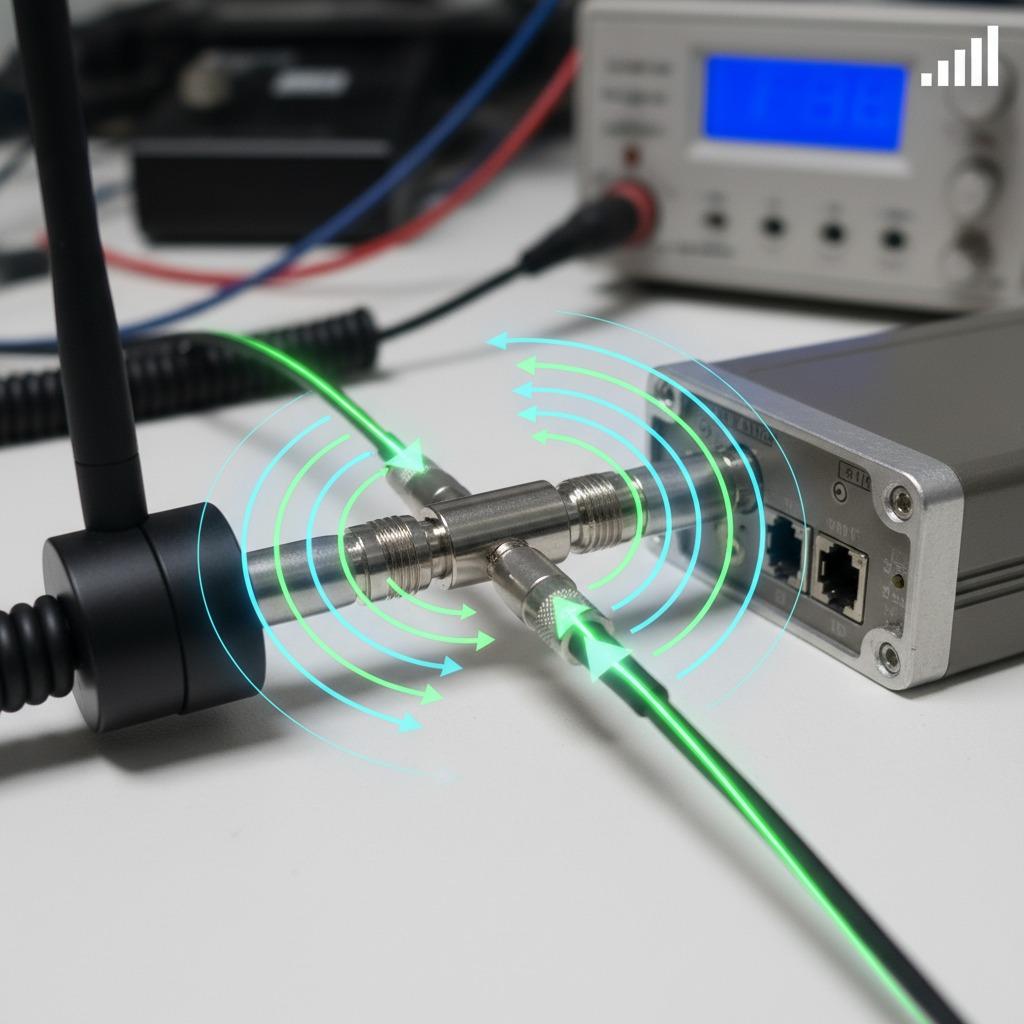
Crafted with precision, the stainless steel antenna adapter variant of this product enhances its durability, making it ideal for outdoor or harsh environments where corrosion is a concern. The robust stainless steel construction not only resists rust but also withstands mechanical stress, ensuring long-term reliability. As a base station antenna connector, it plays a crucial role in maintaining stable connections for antennas used in broadcasting or monitoring applications, where every bit of signal integrity counts.
For users dealing with radio equipment adapter needs, this RPSMA Male to RPSMA Male adapter offers flexibility in extending or adapting connections between transceivers, amplifiers, and antennas. Its design accommodates a wide range of frequencies, typically up to 6 GHz, making it suitable for amateur radio enthusiasts, professional broadcasters, and even IoT device integrations. The RPSMA connector standard, with its reverse polarity and threaded coupling, ensures secure mating that prevents accidental disconnections during operation.
One of the standout features of this stainless steel RPSMA adapter is its high-quality machining, which results in low insertion loss and excellent return loss characteristics. This means that your signal remains strong and clear, even over extended cable runs or in multi-device chains. Imagine setting up a base station for emergency communications or a remote sensing network; the reliability of this adapter ensures that your equipment performs optimally without interruptions. Its compact size allows for easy integration into tight spaces, such as within enclosures or on portable rigs.
Delving deeper into its applications, the RPSMA Male to RPSMA Male adapter is particularly valuable in scenarios requiring robust radio equipment adapter solutions. For instance, in mobile radio installations within vehicles or drones, where vibration and movement are constant, the stainless steel antenna adapter's torque-resistant threading provides a secure hold. This prevents loosening over time, which could otherwise lead to signal degradation or complete failure. Professionals in telecommunications often rely on such connectors for their base station setups, where the base station antenna connector must handle high power levels without overheating or degrading.
The material choice of stainless steel in this RPSMA connector not only offers superior corrosion resistance but also contributes to its aesthetic appeal in professional installations. Unlike plastic alternatives that may yellow or crack under UV exposure, the stainless steel RPSMA adapter maintains its polished finish, blending seamlessly with metallic equipment casings. This is especially beneficial for outdoor base stations exposed to weather elements, ensuring that the radio equipment adapter remains functional season after year.
When considering compatibility, the RPSMA Male to RPSMA Male adapter adheres strictly to industry standards, guaranteeing interoperability with a broad array of devices from various manufacturers. Whether you're connecting a Wi-Fi access point to an external antenna or linking components in a spectrum analyzer setup, this adapter simplifies the process. Its male-to-male configuration is perfect for extending short patch cables or bridging gaps in your RF chain, all while preserving the impedance matching crucial for optimal performance.
In high-stakes environments like public safety communications or military applications, the durability of a stainless steel antenna adapter becomes paramount. The base station antenna connector's ability to operate in extreme temperatures, from -40°C to +85°C, makes it a go-to choice for deployments in diverse climates. Users appreciate how the RPSMA connector's design minimizes electromagnetic interference, thanks to its shielded construction that blocks external noise, thereby enhancing overall system efficiency.
For hobbyists and engineers alike, incorporating a reliable radio equipment adapter like this one streamlines prototyping and testing phases. The stainless steel RPSMA adapter's ease of installation, with its hexagonal knurled surface for better grip, reduces the risk of over-tightening or stripping threads. This user-friendly aspect, combined with its performance specs—such as a VSWR of less than 1.2:1—ensures that even non-experts can achieve professional-grade results.
Beyond standard uses, the RPSMA Male to RPSMA Male adapter finds its place in emerging technologies like 5G testing and satellite communications. Here, the base station antenna connector's precision engineering supports higher data rates and lower latency, critical for modern wireless infrastructures. The stainless steel construction also aligns with eco-friendly practices, as stainless steel is recyclable and long-lasting, reducing the need for frequent replacements.
To maximize the benefits of this RPSMA connector, it's recommended to pair it with high-quality coaxial cables that match its 50-ohm impedance. Regular inspections for wear, though minimal due to the stainless steel RPSMA adapter's resilience, can further extend its lifespan. In summary, whether for professional radio equipment adapter setups or personal projects, the RPSMA Male to RPSMA Male adapter delivers unmatched reliability, making it an indispensable tool in the RF connectivity arsenal.
This adapter's versatility extends to educational settings, where students learning about RF principles can use it to experiment with signal propagation without worrying about connection failures. The stainless steel antenna adapter's educational value lies in its tangible demonstration of how material choice impacts performance in real-world applications. As technology evolves, components like this base station antenna connector will continue to underpin innovations in wireless communication, proving their worth time and again.
Frequently Asked Questions (FAQ)
1. What is an RPSMA Male to RPSMA Male adapter, and what is its primary use?
An RPSMA (Reverse Polarity SMA) Male to RPSMA Male adapter is a precision RF connector component that allows direct male-to-male connections between two RPSMA-compatible devices. Its primary use is to extend, bridge, or adapt connections between transceivers, amplifiers, antennas, and other RF equipment. Common applications include wireless network setups, base station antenna connections, amateur radio systems, IoT device integrations, and laboratory testing environments.
2. What makes the stainless steel version of this adapter different from standard adapters?
The stainless steel antenna adapter variant offers enhanced durability compared to standard brass or nickel-plated adapters. Stainless steel provides superior corrosion resistance, making it ideal for outdoor or harsh environments exposed to moisture, salt spray, or industrial pollutants. It also withstands mechanical stress, vibration, and repeated mating cycles without degrading. Additionally, stainless steel maintains its polished finish over time, resists UV damage, and offers excellent thermal stability across a wide temperature range (-40°C to +85°C).
3. What frequency range does this RPSMA adapter support?
This RPSMA Male to RPSMA Male adapter is designed to support a wide frequency range, typically up to 6 GHz. This makes it suitable for various applications, including Wi-Fi (2.4 GHz and 5.8 GHz), Bluetooth, amateur radio bands, cellular communications, IoT devices, and emerging technologies like 5G testing. The precise frequency performance depends on the specific manufacturing quality, but high-grade versions maintain low insertion loss and excellent return loss characteristics across their operational bandwidth.
4. How does the RPSMA connector differ from standard SMA connectors?
The key difference between RPSMA and standard SMA connectors lies in the polarity of the interface. In a standard SMA connector, the male has a center pin and the female has a center receptacle. In RPSMA (Reverse Polarity SMA) , this configuration is reversed: the RPSMA male has a center receptacle (hole), and the RPSMA female has a center pin. This reverse polarity design was introduced to comply with regulations preventing consumers from easily attaching high-gain antennas to certain wireless devices. Therefore, RPSMA Male to RPSMA Male adapters are specifically designed for use with RPSMA-compatible equipment and are not interchangeable with standard SMA connectors.
5. What are the key performance specifications I should expect from a quality RPSMA adapter?
A high-quality stainless steel RPSMA adapter should offer:
-
Low insertion loss: Minimizes signal power reduction through the connection.
-
Excellent return loss (low VSWR): Typically less than 1.2:1, indicating minimal signal reflection.
-
Impedance matching: Standard 50-ohm impedance for compatibility with most RF systems.
-
Durable threading: Torque-resistant threads that prevent loosening under vibration.
-
Temperature range: Operation from -40°C to +85°C for diverse environmental conditions.
These specifications ensure that your signal remains strong, clear, and reliable even in demanding setups.
6. Where is this adapter most commonly used in professional applications?
This radio equipment adapter is widely used in:
-
Base station installations: As a base station antenna connector for broadcasting, monitoring, and public safety communications.
-
Mobile radio systems: In vehicles, drones, or aircraft where vibration resistance is critical.
-
Telecommunications infrastructure: For connecting antennas to transceivers, amplifiers, and spectrum analyzers.
-
Amateur radio: For hobbyists building or extending their RF systems.
-
IoT and 5G testing: In development labs and field deployments requiring reliable, high-frequency connections.
-
Educational settings: For teaching RF principles and signal propagation.
7. How do I properly install and maintain this RPSMA adapter?
Installation tips:
-
Hand-tighten the threaded coupling first, then use a wrench for final securing—avoid over-tightening, which can strip threads.
-
The hexagonal knurled surface provides better grip for easier installation.
-
Ensure mating surfaces are clean and free from debris before connection.
-
Pair with high-quality 50-ohm coaxial cables for optimal performance.
Maintenance:
-
Periodically inspect for signs of wear, corrosion, or loosening.
-
Clean with isopropyl alcohol and a soft cloth if contamination occurs.
-
Due to the stainless steel construction, these adapters require minimal maintenance and resist rust, UV damage, and mechanical fatigue.
8. Can this adapter be used outdoors, and what environmental conditions can it withstand?
Yes, the stainless steel antenna adapter is specifically designed for outdoor and harsh environments. It can withstand:
-
Corrosive conditions: Salt spray, humidity, and industrial pollutants (thanks to stainless steel's corrosion resistance).
-
Extreme temperatures: From -40°C to +85°C.
-
UV exposure: Stainless steel does not yellow or crack like plastic alternatives.
-
Mechanical stress: Vibration, shock, and repeated mating cycles.
This makes it suitable for outdoor base stations, remote monitoring sites, marine installations, and any application where reliability under adverse conditions is essential. For additional weatherproofing, consider using weather-sealing tape or heat-shrink tubing over the connection point.