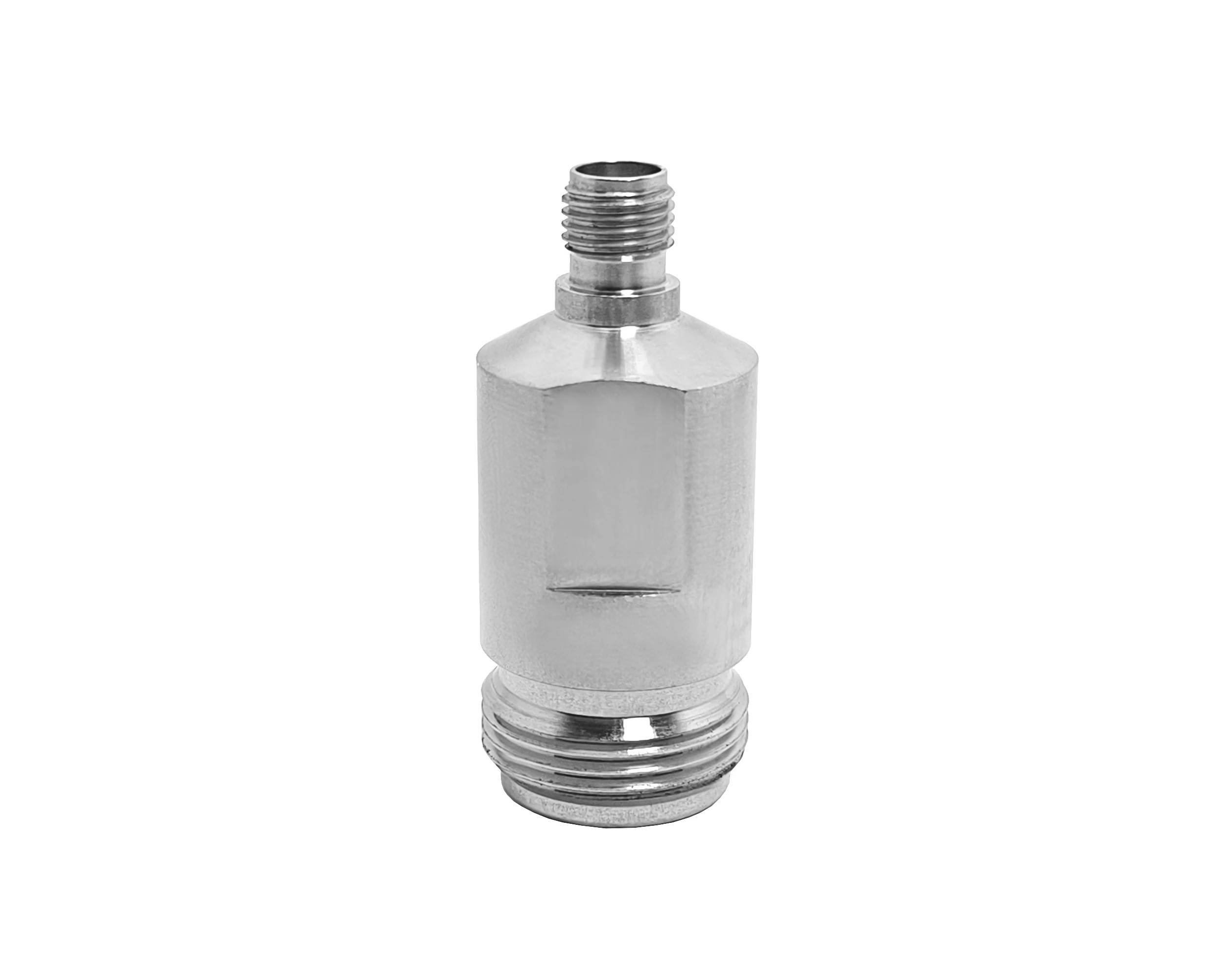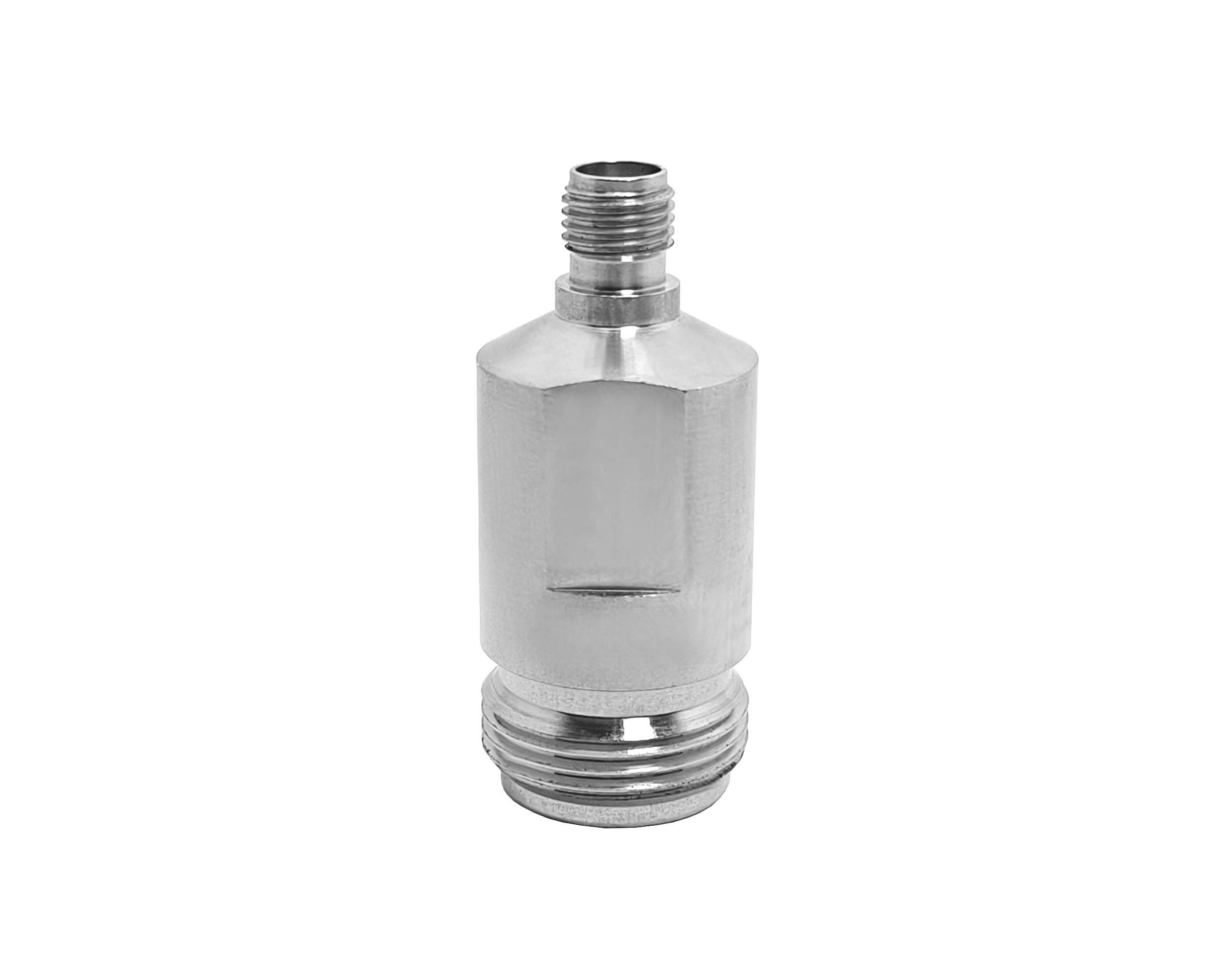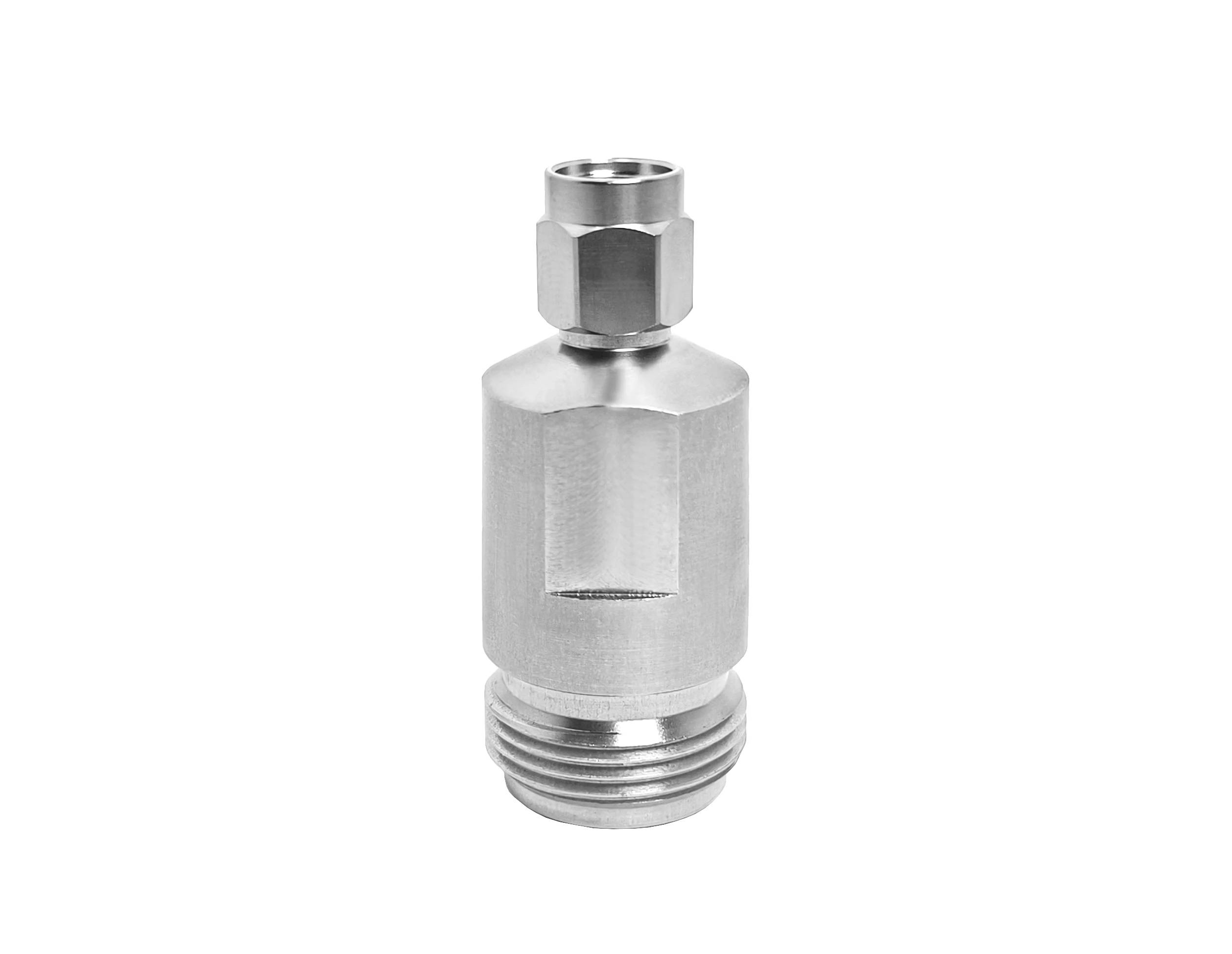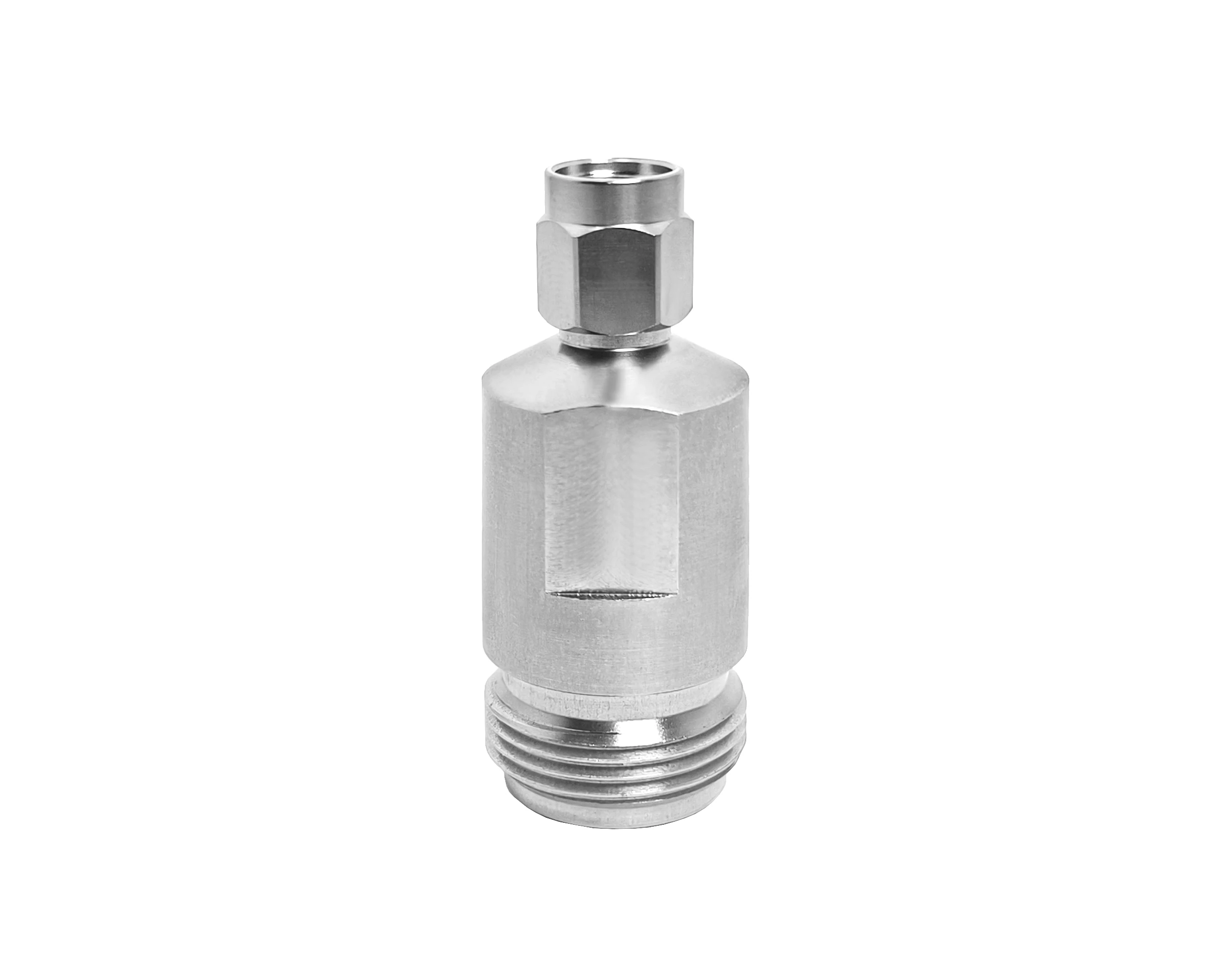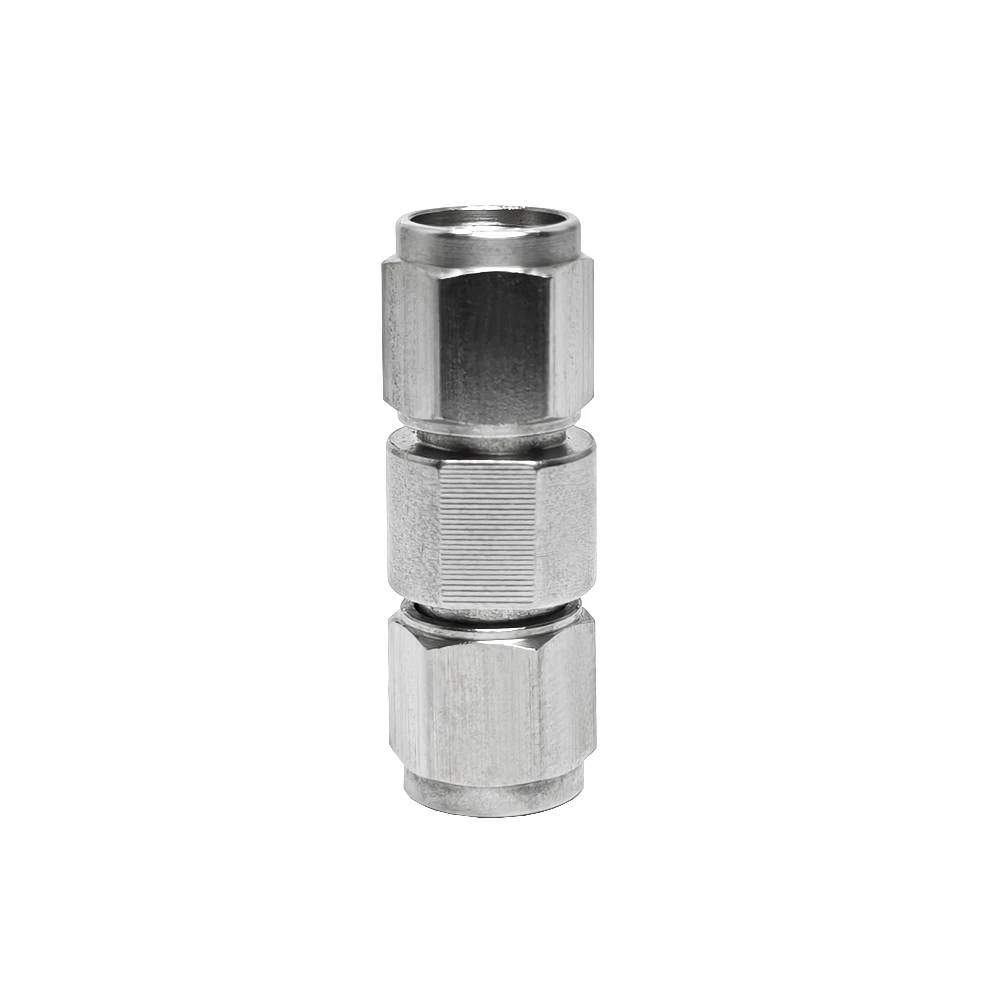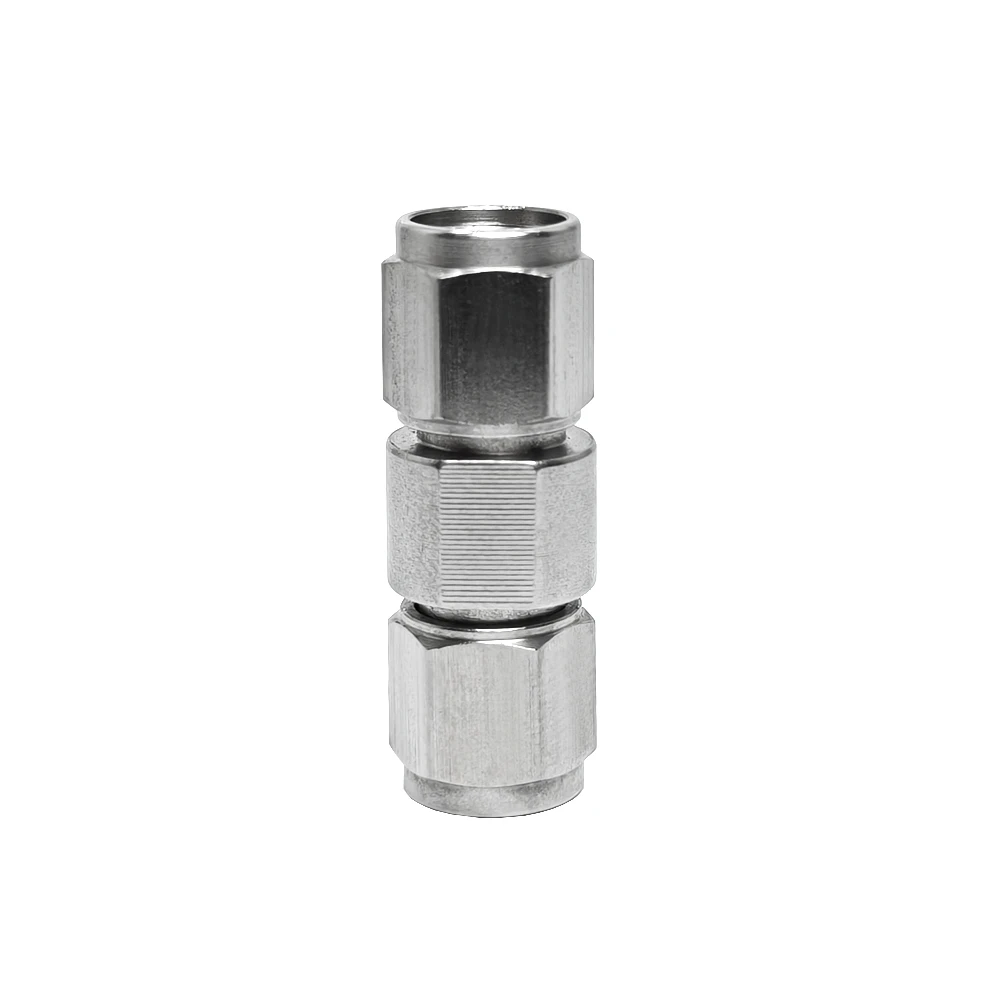

In the world of wireless communication and networking, the RPSMA adapter stands out as a crucial component for seamless connectivity. Designed to bridge various antenna and device interfaces, this versatile RPSMA adapter ensures reliable signal transmission without compromising on performance. Whether you're setting up a home network or managing professional radio equipment, integrating an RPSMA adapter can significantly enhance your setup's efficiency and durability.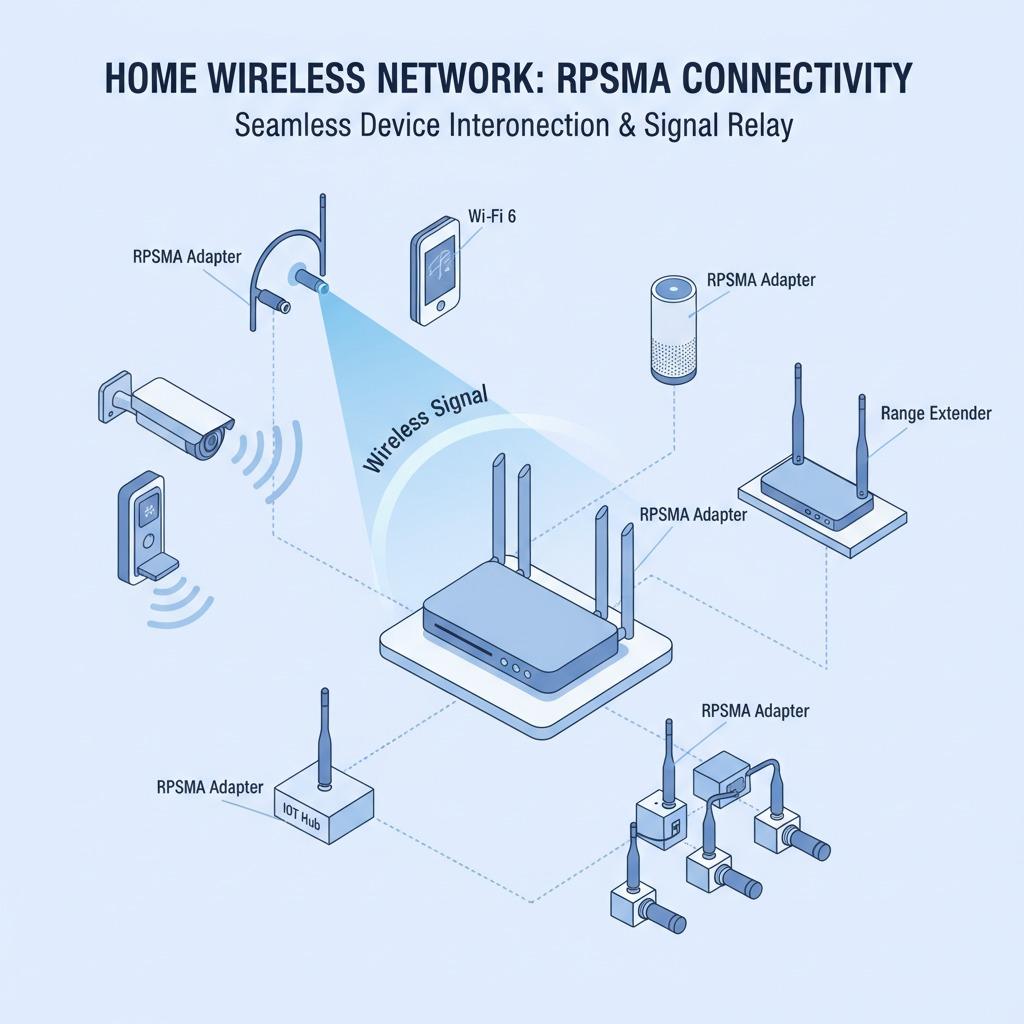
One of the most popular variants is the Female to female RPSMA configuration, which allows for straightforward extension or connection between two male-ended components. This Female to female RPSMA setup is particularly useful in scenarios where space is limited or when you need to daisy-chain multiple antennas. Crafted with high-quality materials, it minimizes signal loss and provides a stable link, making it indispensable for amateur radio enthusiasts and IT professionals alike. The precision engineering behind this adapter ensures that every connection is secure, reducing the risk of intermittent signals that can disrupt operations.
Durability is key in demanding environments, and that's where the Stainless steel antenna adapter shines. Built from robust stainless steel, this adapter resists corrosion and wear, even in harsh outdoor conditions. The Stainless steel antenna adapter is ideal for applications exposed to moisture or extreme temperatures, such as rooftop installations or marine setups. Its sleek, polished finish not only adds a professional look but also facilitates easy cleaning and maintenance. Users appreciate how this material choice extends the lifespan of their equipment, offering peace of mind and reducing replacement costs over time.
For those involved in telecommunications infrastructure, the Base station antenna adapter plays a pivotal role in optimizing signal strength and coverage. This specialized Base station antenna adapter is engineered to handle high-power transmissions, ensuring that base stations operate at peak efficiency. It connects antennas to base units with minimal insertion loss, which is critical for maintaining clear voice and data communications in cellular networks or emergency response systems. Installing a Base station antenna adapter can be a game-changer for improving range and reliability, especially in remote or urban areas with signal challenges.
Radio equipment often requires flexible interfacing, and the Radio equipment adapter provides just that. Tailored for compatibility with various radio transceivers and scanners, this Radio equipment adapter supports a wide range of frequencies without degradation. It's commonly used in ham radio operations, public safety communications, and even wireless security systems. The adapter's threaded design ensures a snug fit, preventing vibrations from loosening connections during mobile use. Professionals in the field praise its ability to adapt older radio equipment to modern antennas, breathing new life into legacy systems.
At the heart of any antenna system lies the RPSMA connector, a reverse polarity SMA variant known for its compact size and excellent electrical performance. The RPSMA connector is widely adopted in Wi-Fi routers, GPS devices, and surveillance cameras due to its low profile and high-frequency handling up to 6 GHz. This connector type prevents accidental mating with standard SMA ports, adding a layer of safety in mixed environments. When selecting an RPSMA connector, consider its gold-plated contacts for superior conductivity and reduced oxidation over time.
Complementing the RPSMA ecosystem, the Antenna connector serves as the foundational link between your device and the external world. A reliable Antenna connector like the RPSMA adapter variant ensures impedance matching, which is essential for maximizing power transfer and minimizing reflections. In professional installations, such as drone telemetry or IoT sensor networks, choosing the right Antenna connector can make all the difference in data throughput and range. These connectors are often tested for VSWR (Voltage Standing Wave Ratio) to guarantee optimal performance, with values typically under 1.5:1 across broadband frequencies.
When integrating a Female to female RPSMA into your setup, it's worth noting its role in signal amplification chains. For instance, in a multi-antenna array for a mesh network, this adapter allows for clean passthrough without introducing additional noise. Its female-to-female design eliminates the need for bulky couplers, saving space in tight enclosures. Moreover, the Stainless steel antenna adapter variant of this offers enhanced shielding against electromagnetic interference, crucial in industrial settings near heavy machinery.
The Base station antenna adapter extends its utility to fixed wireless access points, where stable connections are paramount. By securely linking high-gain antennas to base transceivers, it supports longer-distance communications vital for rural broadband or temporary event coverage. Users often pair it with low-loss cables to further boost signal integrity. In terms of the Radio equipment adapter, its adaptability shines in vehicle-mounted systems, where ruggedness against shocks and weather is non-negotiable.
Exploring the RPSMA connector further, its reverse polarity feature complies with FCC regulations for unlicensed devices, ensuring legal and safe operations. This makes it a go-to for consumer electronics like wireless microphones and baby monitors. The Antenna connector, when part of a larger assembly, benefits from strain relief features that prevent cable damage during frequent reconnections.
In summary, whether you're troubleshooting connectivity issues or building a robust wireless infrastructure, the RPSMA adapter and its related components—such as the Female to female RPSMA, Stainless steel antenna adapter, Base station antenna adapter, Radio equipment adapter, RPSMA connector, and Antenna connector—offer unparalleled versatility and reliability. These adapters not only simplify installations but also future-proof your systems against evolving tech demands. Investing in quality adapters ensures that your communications remain clear, secure, and efficient, no matter the application. From hobbyists tinkering in garages to engineers deploying enterprise solutions, these tools empower innovation and connectivity in every corner of the spectrum.


Description