
In the world of modern communication and security, the RF Jammer stands out as a crucial technology for protecting sensitive areas from unauthorized transmissions. Designed to disrupt radio frequency signals, an RF Jammer effectively neutralizes potential threats from devices like drones or wireless intruders. This article explores the essential components and features that make RF Jammers indispensable, particularly when integrated with specialized antennas such as the Anti Drone Antenna and various frequency-specific models.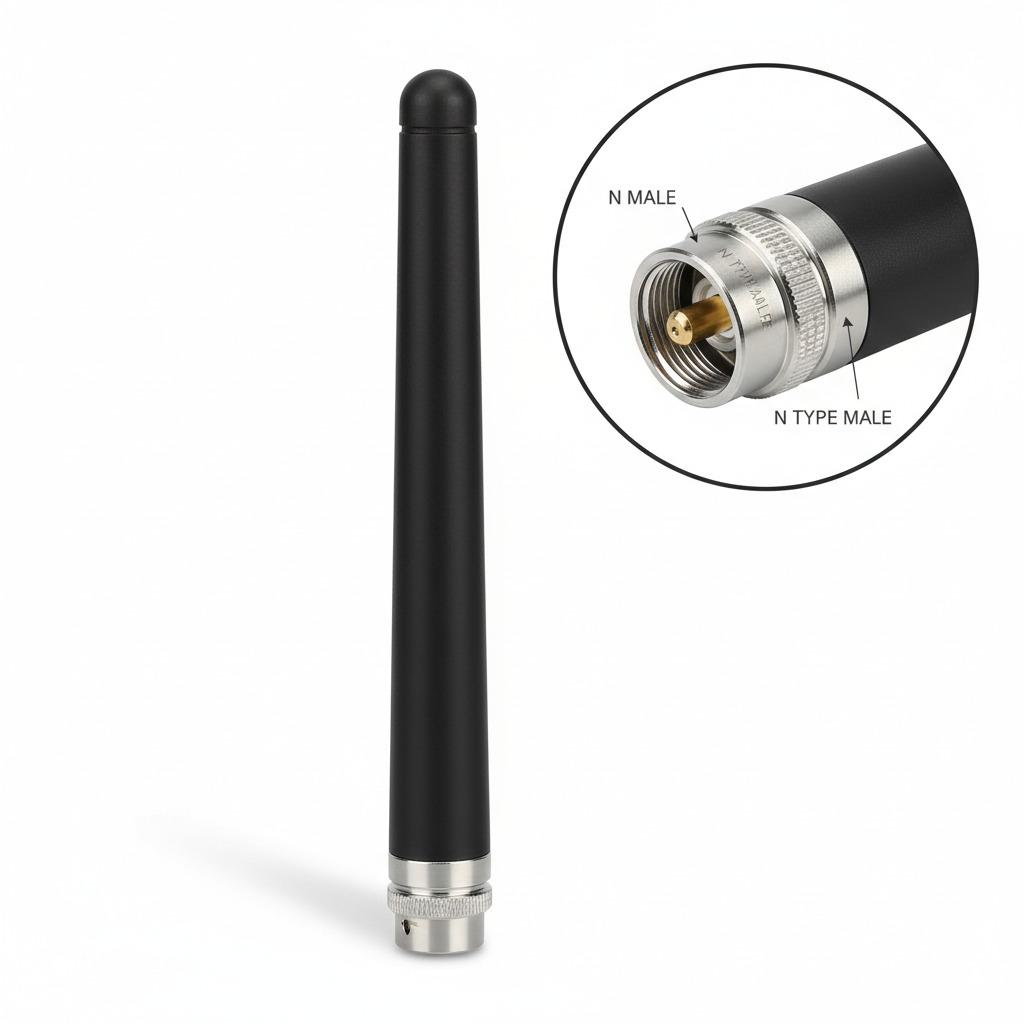
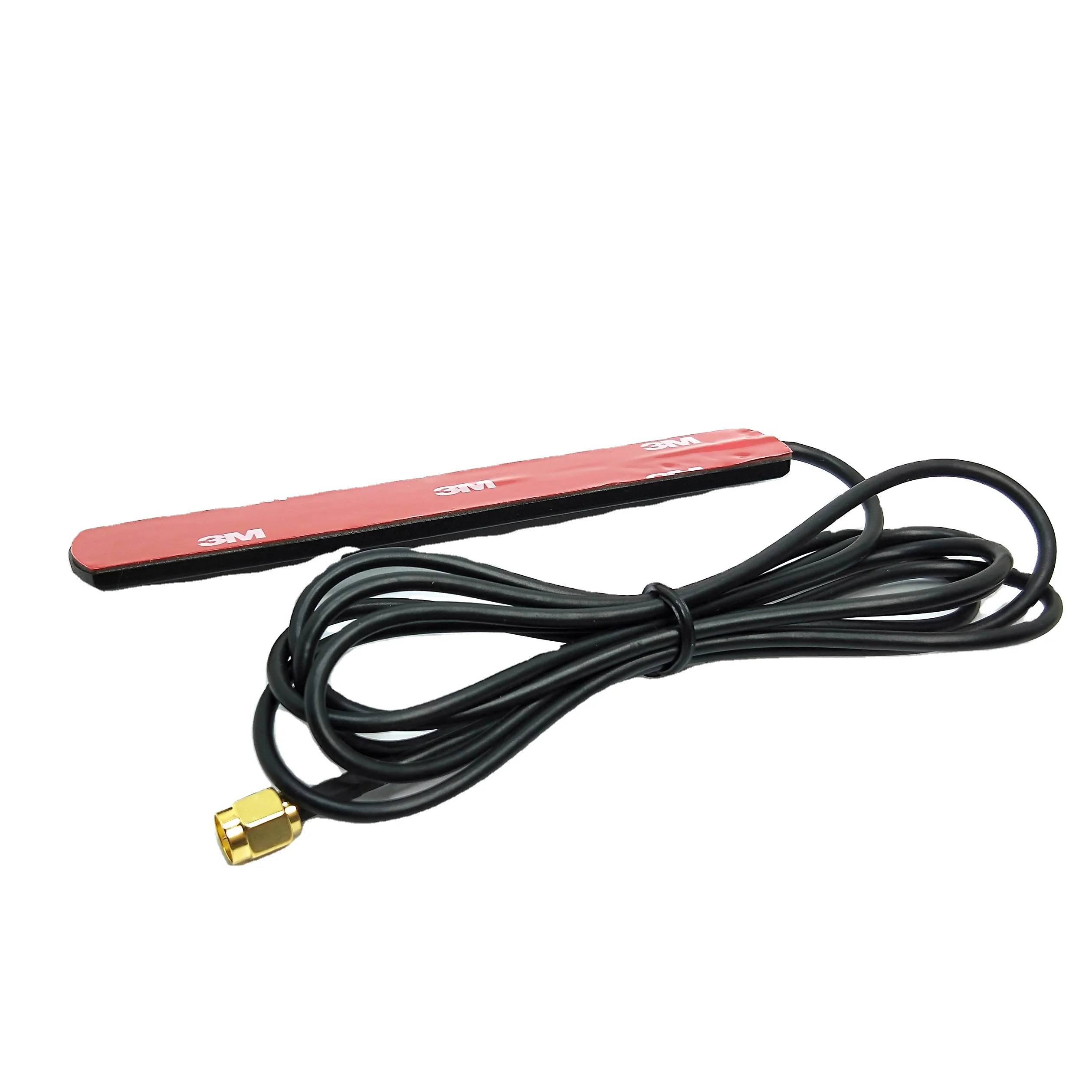
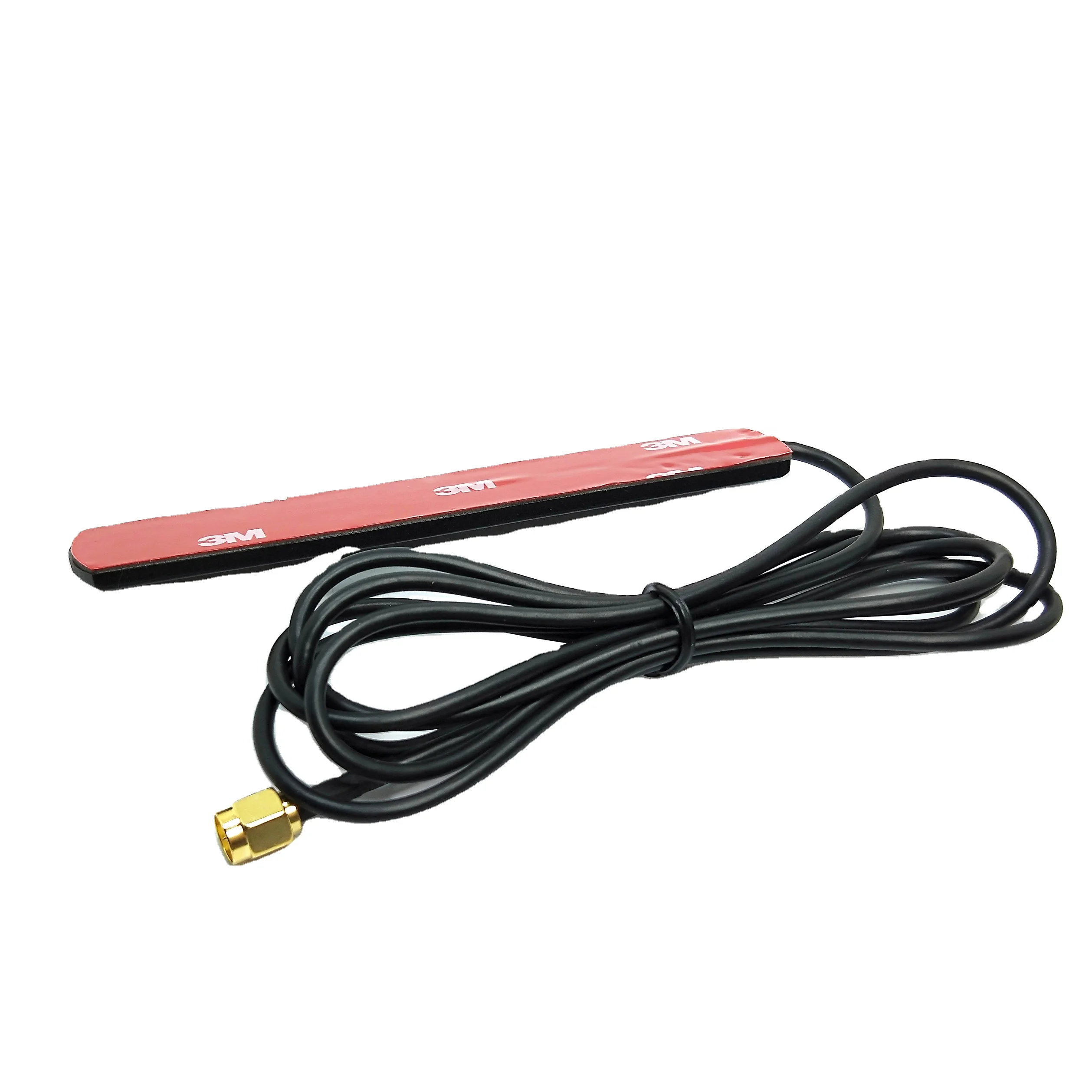
An RF Jammer operates by emitting powerful radio signals that overpower and block targeted frequencies, creating a protective shield around the operational zone. For instance, pairing it with an Anti Drone Antenna allows precise targeting of drone control signals, preventing unauthorized aerial surveillance or attacks. The Anti Drone Antenna is engineered with high-gain properties to focus jamming energy directionally, ensuring minimal interference to legitimate communications while maximizing effectiveness against rogue devices. This combination is vital in sectors like military operations, critical infrastructure protection, and event security, where even a single breach can have catastrophic consequences.
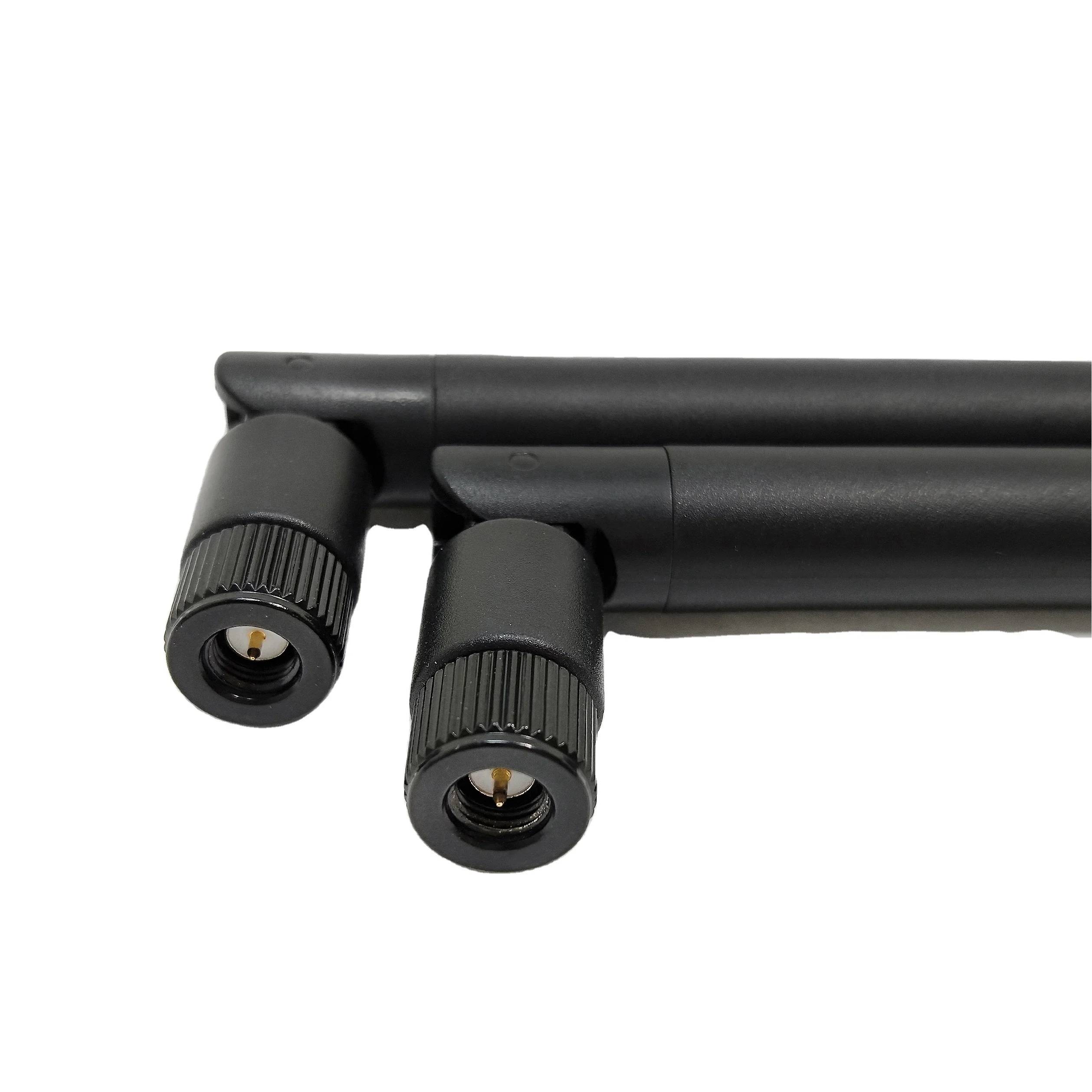
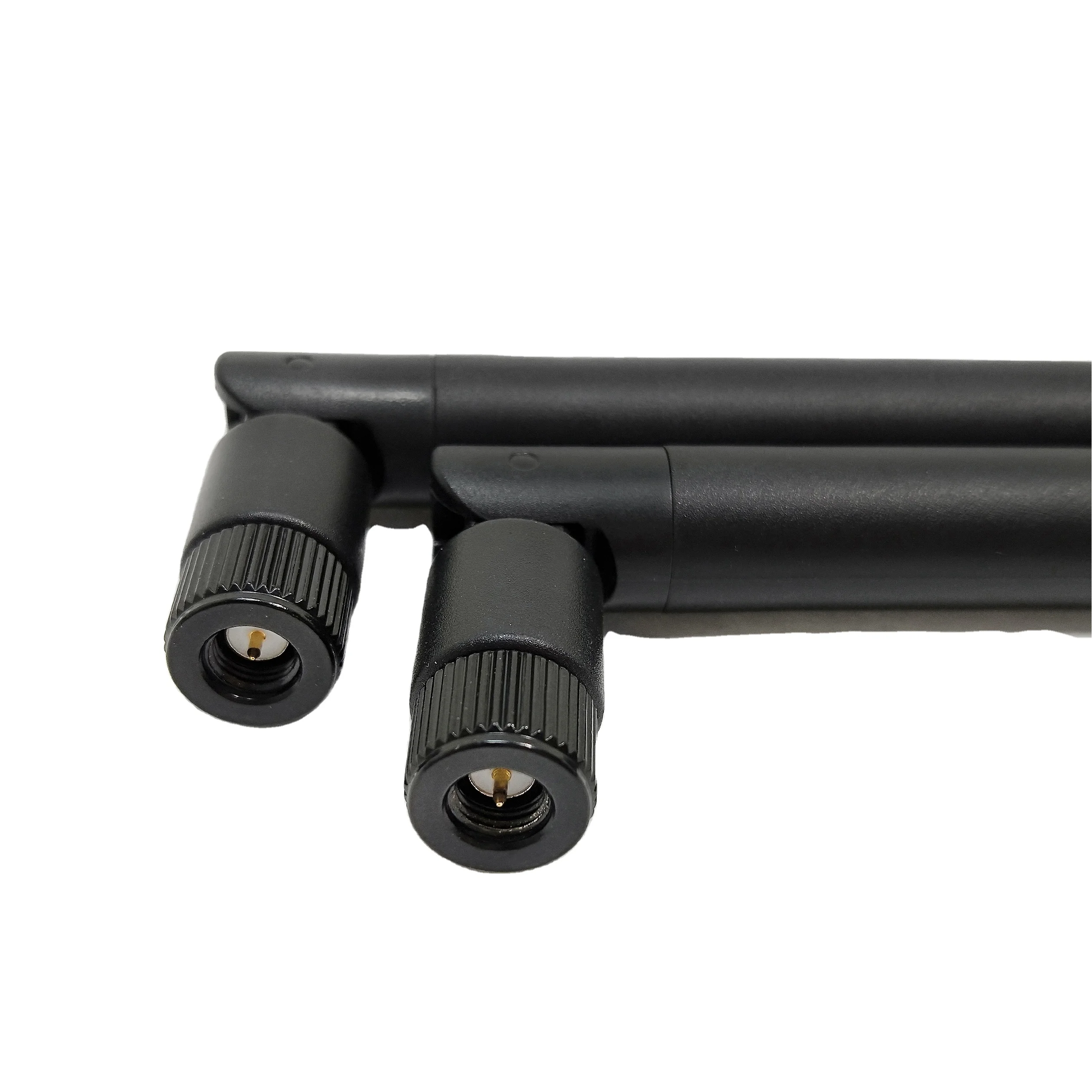
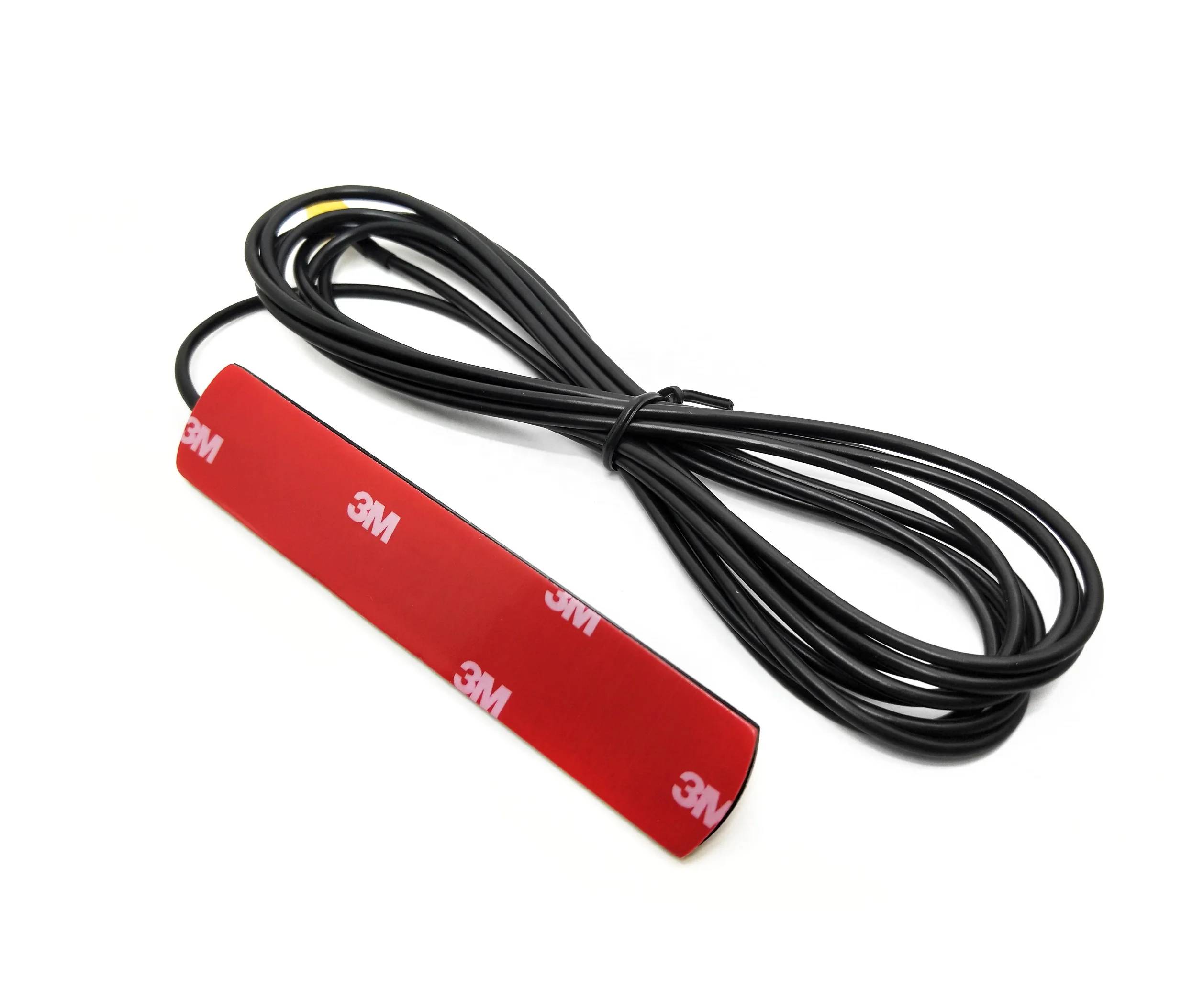
Delving deeper into the antenna ecosystem supporting RF Jammers, the 1.2G Antenna plays a pivotal role in countering low-frequency threats. Optimized for the 1.2 GHz band, this antenna delivers robust performance in jamming GPS or telemetry signals used by drones and other remote-controlled devices. Its compact design facilitates easy mounting on jammer units, providing a wide coverage angle that enhances the overall jamming radius. Similarly, the 1.5G Antenna targets the 1.5 GHz spectrum, commonly associated with satellite communications and some drone uplink frequencies. With its durable construction, the 1.5G Antenna withstands harsh environmental conditions, making it ideal for outdoor deployments in border security or perimeter defense scenarios.
Moving to higher frequencies, the 2.4G Antenna is a cornerstone for RF Jammer systems addressing Wi-Fi and Bluetooth-based threats. This frequency band is ubiquitous in consumer electronics and drone controllers, so integrating a 2.4G Antenna ensures comprehensive signal disruption without gaps. The antenna's omnidirectional pattern allows for 360-degree coverage, which is particularly useful in urban environments or crowded venues. Complementing this, the 5.2G Antenna focuses on the 5.2 GHz range, jamming advanced Wi-Fi networks and emerging drone technologies that operate on less congested bands. Its narrow beamwidth provides pinpoint accuracy, reducing collateral interference and allowing for more selective jamming operations.
The 5.8G Antenna further extends the capabilities of RF Jammers by targeting the 5.8 GHz band, prevalent in first-person view (FPV) drone systems and high-speed video transmissions. This antenna's high power handling ensures it can sustain intense jamming sessions without degradation, making it a go-to choice for real-time threat mitigation. For installations requiring extended reach, the 40cm Antenna offers a versatile solution with its elongated fiberglass body, providing superior gain over longer distances. At 40cm in length, this antenna boosts signal strength for RF Jammers, enabling effective coverage over large areas like airports or industrial complexes. Its weatherproof materials guarantee reliability in rain, wind, or extreme temperatures, aligning perfectly with the demands of persistent security applications.
Building a comprehensive RF Jammer setup involves selecting antennas that match specific threat profiles. The synergy between an RF Jammer and an Anti Drone Antenna, for example, creates a layered defense system. Drones often rely on multiple frequencies for control and video feed, so combining 1.2G, 1.5G, 2.4G, 5.2G, and 5.8G Antennas ensures broad-spectrum protection. The 40cm Antenna can serve as a backbone for multi-band configurations, its length allowing for better propagation of jamming signals through obstacles like buildings or foliage. Users must consider factors such as power output, frequency tuning, and legal compliance when deploying these systems, as RF Jammers are regulated in many jurisdictions to prevent misuse.
Beyond basic jamming, advanced RF Jammer configurations incorporate smart features like automatic frequency hopping detection. Here, antennas like the 2.4G and 5.8G models shine by adapting to dynamic signal environments. In a practical scenario, securing a high-profile event might involve deploying an RF Jammer with a cluster of Anti Drone Antennas mounted on elevated poles, each tuned to cover overlapping zones. The 1.2G Antenna could handle initial detection and disruption of inbound drones, while the 5.2G Antenna mops up any secondary communications. This multi-antenna approach not only amplifies the jammer's efficacy but also minimizes power consumption, extending operational uptime during prolonged threats.
Maintenance and optimization are key to sustaining RF Jammer performance. Regular calibration of antennas such as the 1.5G and 40cm models ensures consistent signal integrity, preventing attenuation over time. Environmental factors play a significant role; for outdoor use, the rugged build of these antennas resists corrosion and UV damage. In industrial settings, where RF interference from machinery is common, selecting the right antenna gain—offered by the 5.8G or Anti Drone Antenna—can differentiate between effective jamming and operational failures. Training personnel on system integration is equally important, as improper setup could lead to unintended signal bleed affecting nearby allies.
Looking ahead, the evolution of RF Jammer technology promises even greater precision with AI-driven antenna arrays. Imagine an adaptive system where the 2.4G Antenna dynamically shifts focus based on real-time threat analysis, complemented by the long-range capabilities of the 40cm Antenna. Such innovations will expand applications into smart cities, where protecting IoT networks from hacking becomes paramount. The 5.2G and 1.2G Antennas will likely see enhancements for 5G compatibility, broadening their utility against next-gen wireless threats. As threats grow more sophisticated, investing in a versatile RF Jammer arsenal, anchored by these specialized antennas, is not just prudent—it's essential for safeguarding the future.
In summary, the RF Jammer, empowered by components like the Anti Drone Antenna, 1.2G Antenna, 1.5G Antenna, 2.4G Antenna, 5.2G Antenna, 5.8G Antenna, and 40cm Antenna, forms a formidable barrier against radio-based intrusions. These tools enable proactive defense, ensuring security without compromising connectivity. Whether for personal, commercial, or governmental use, understanding and implementing these technologies unlocks unparalleled protection in an increasingly connected world.
Description