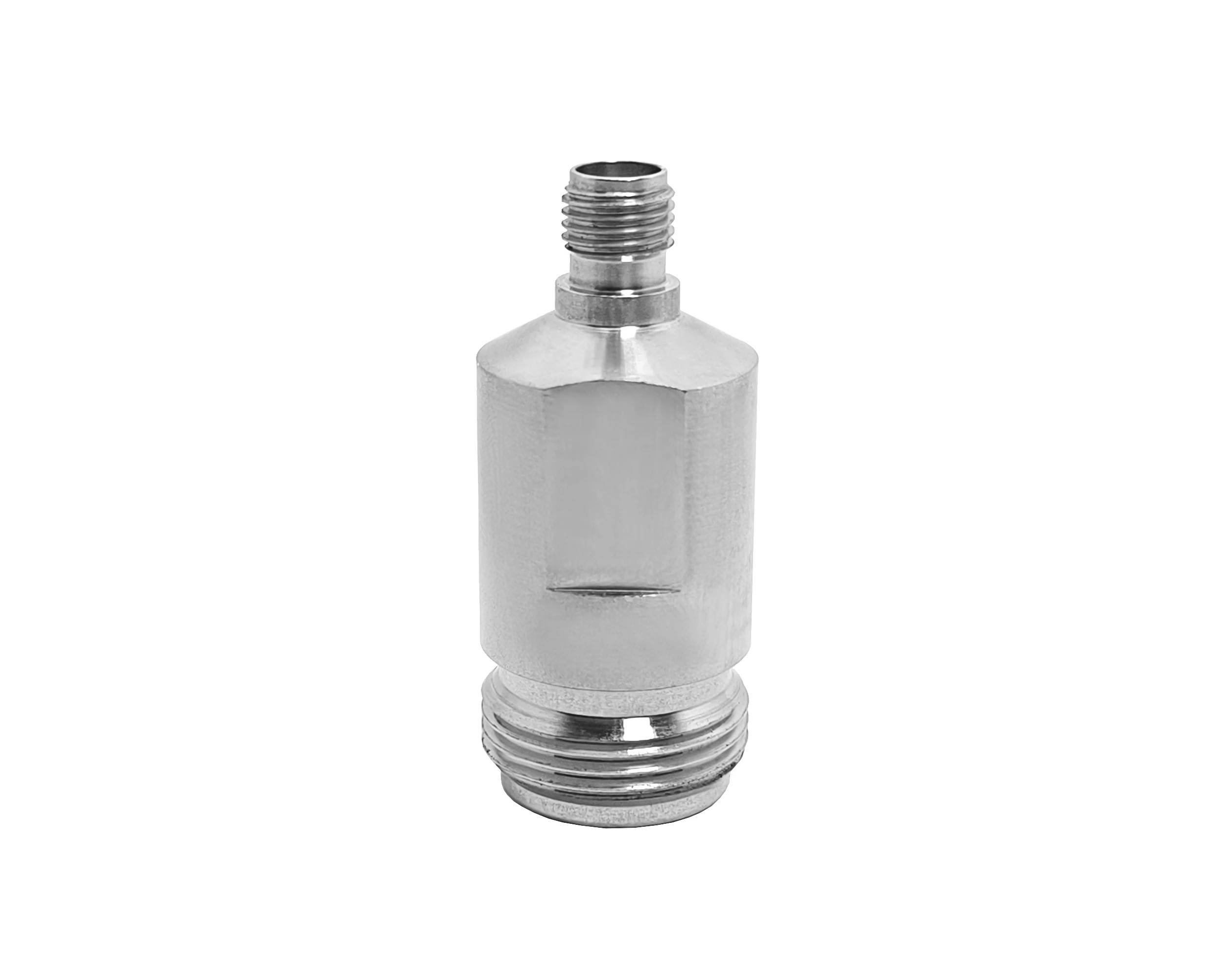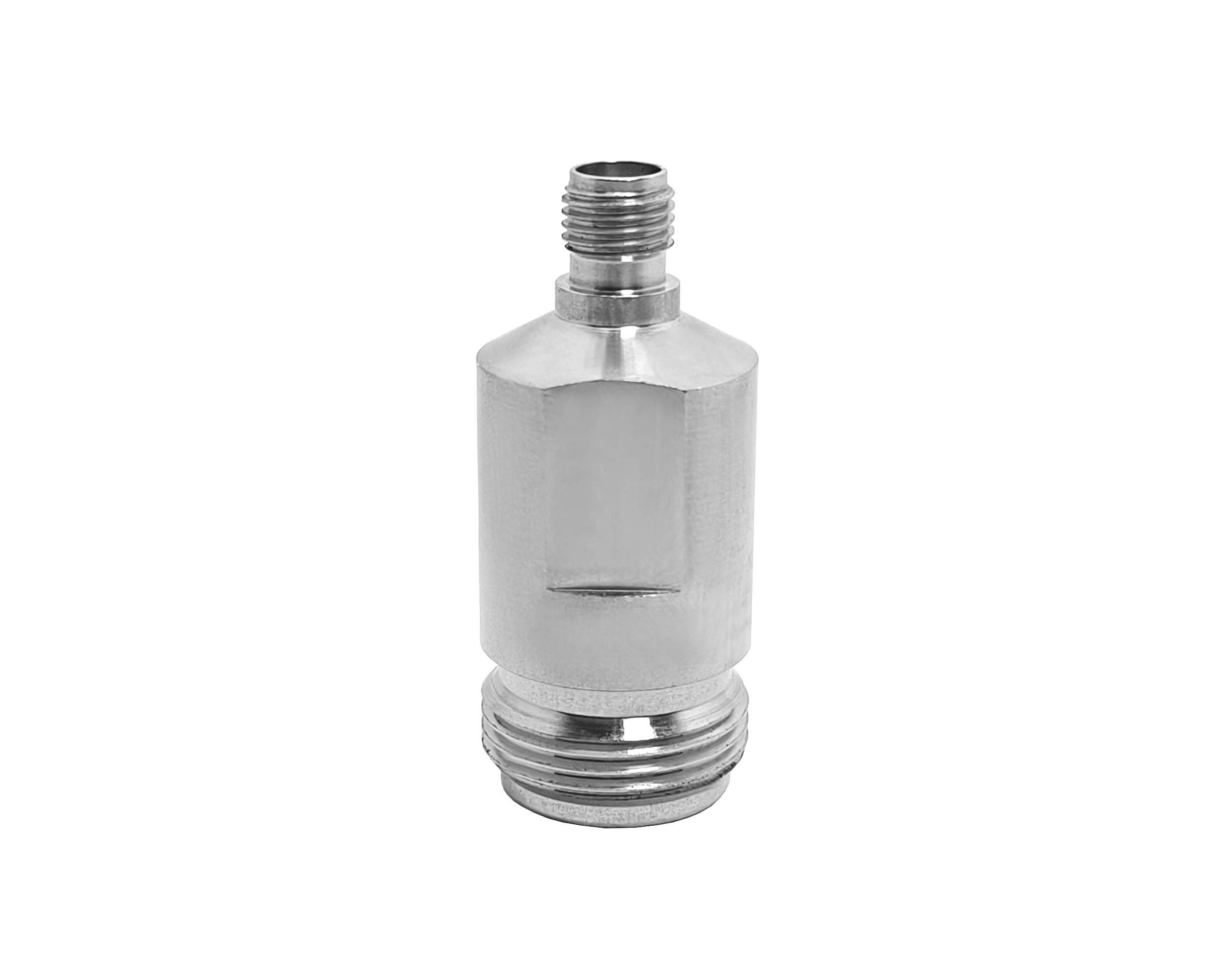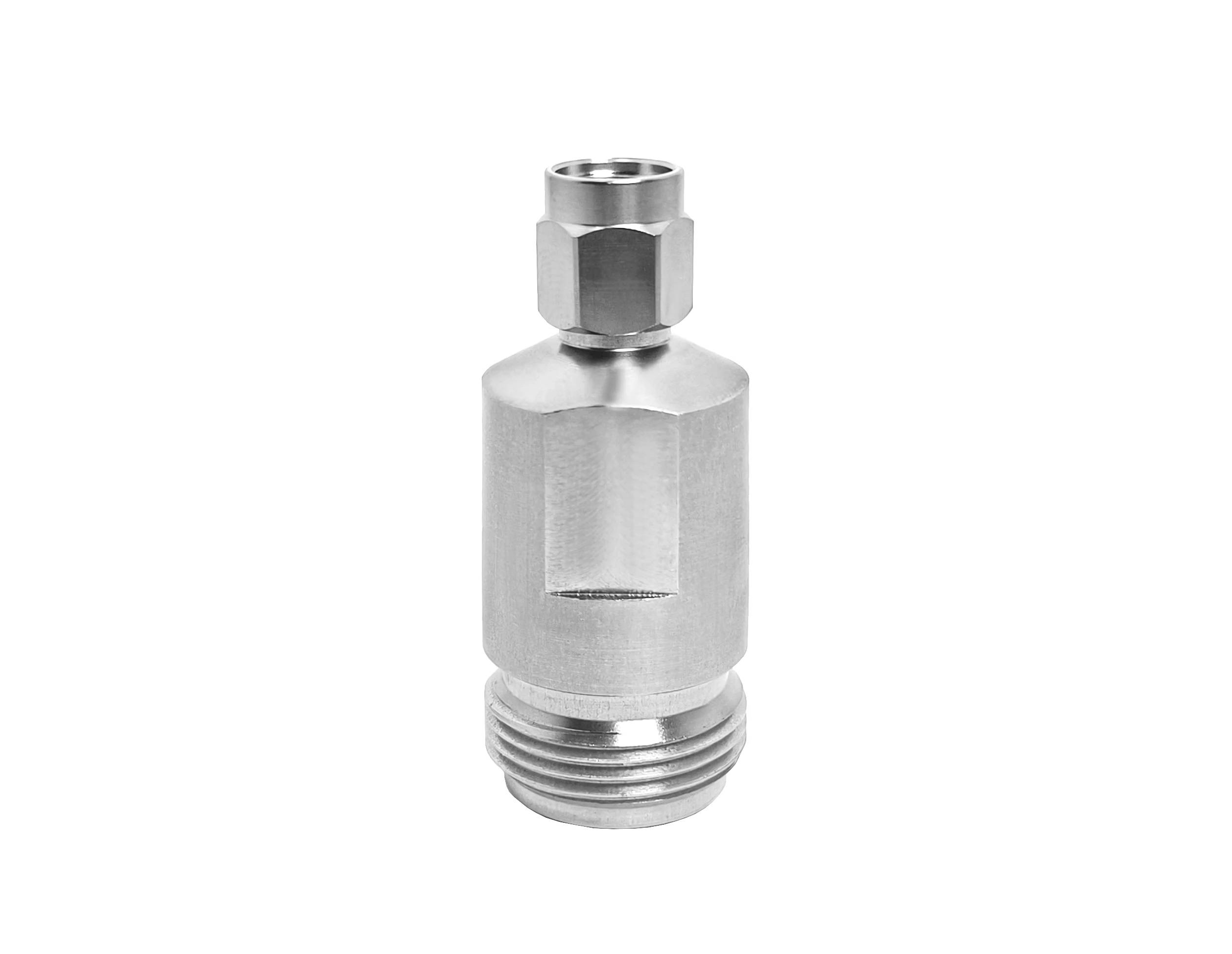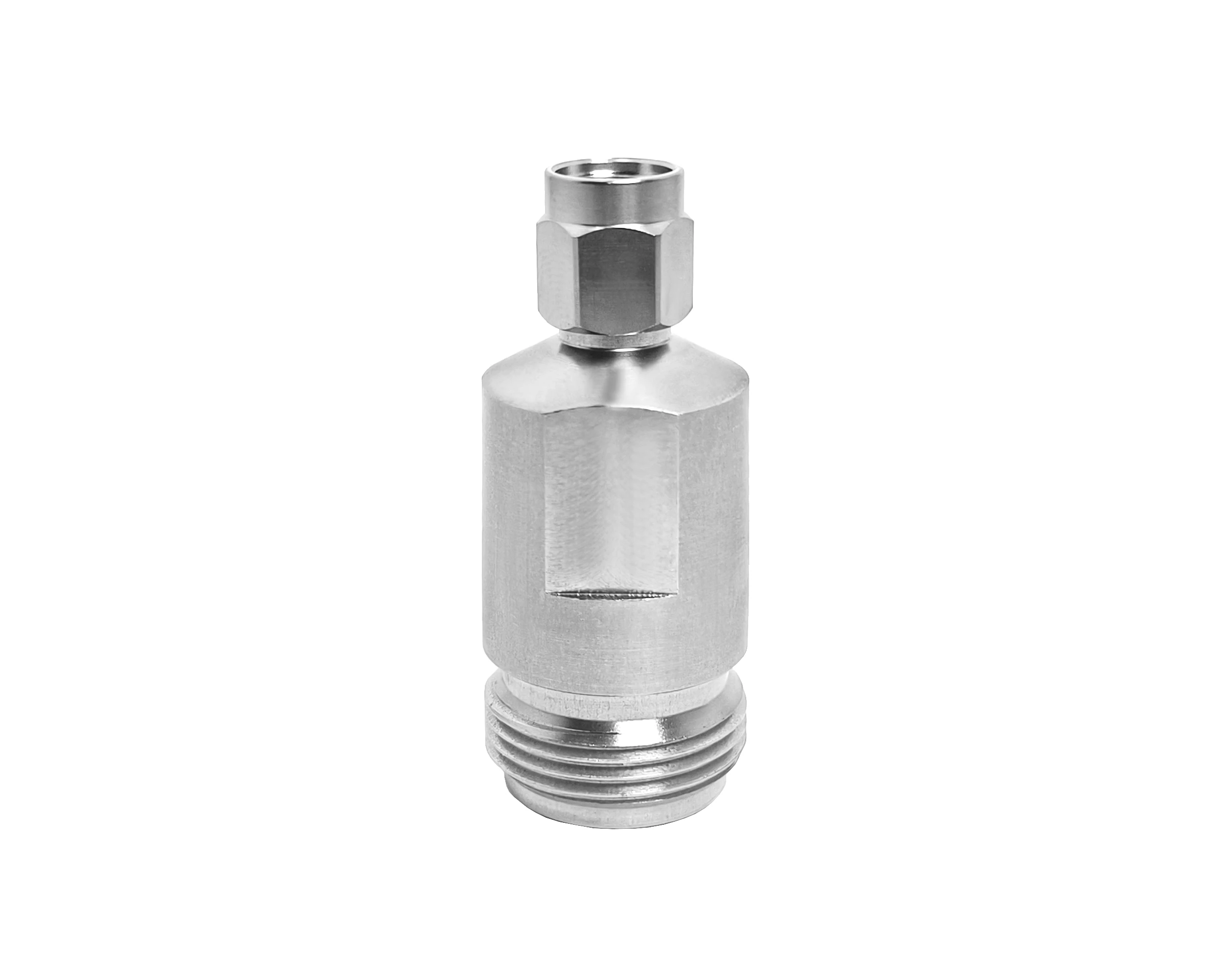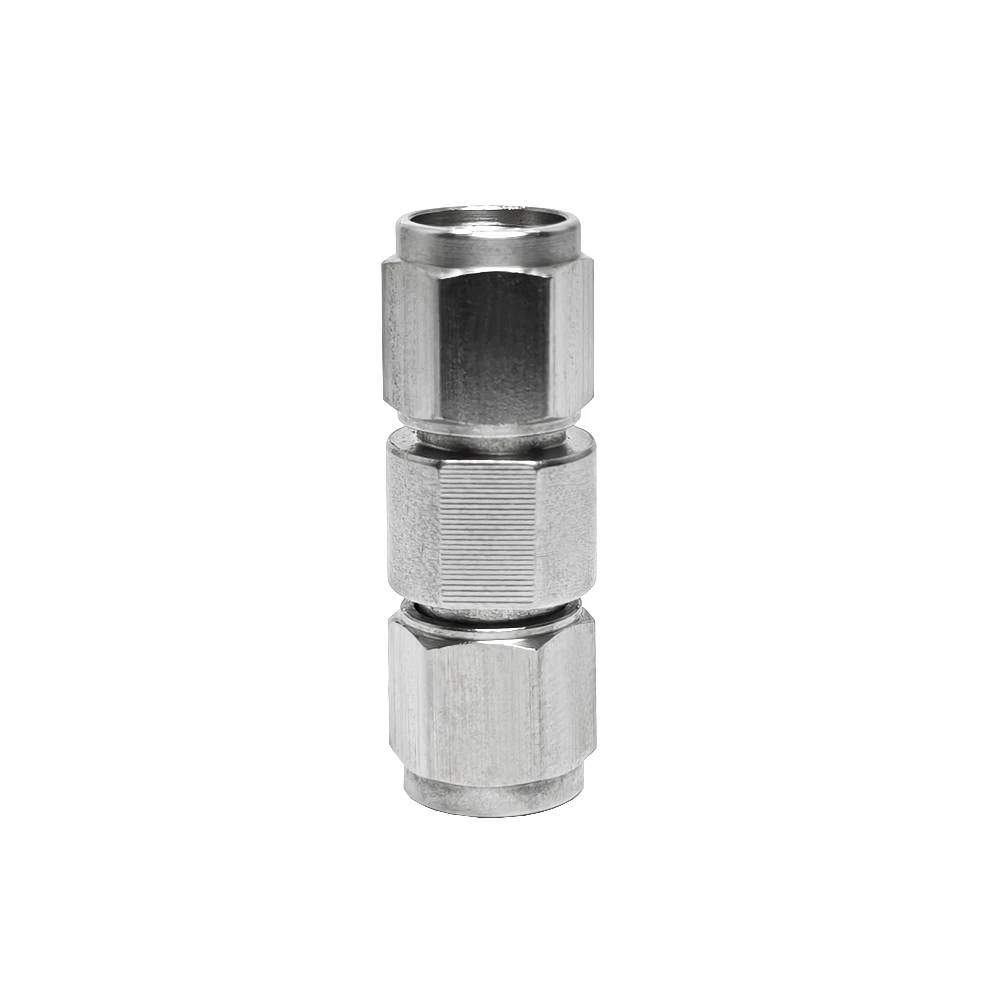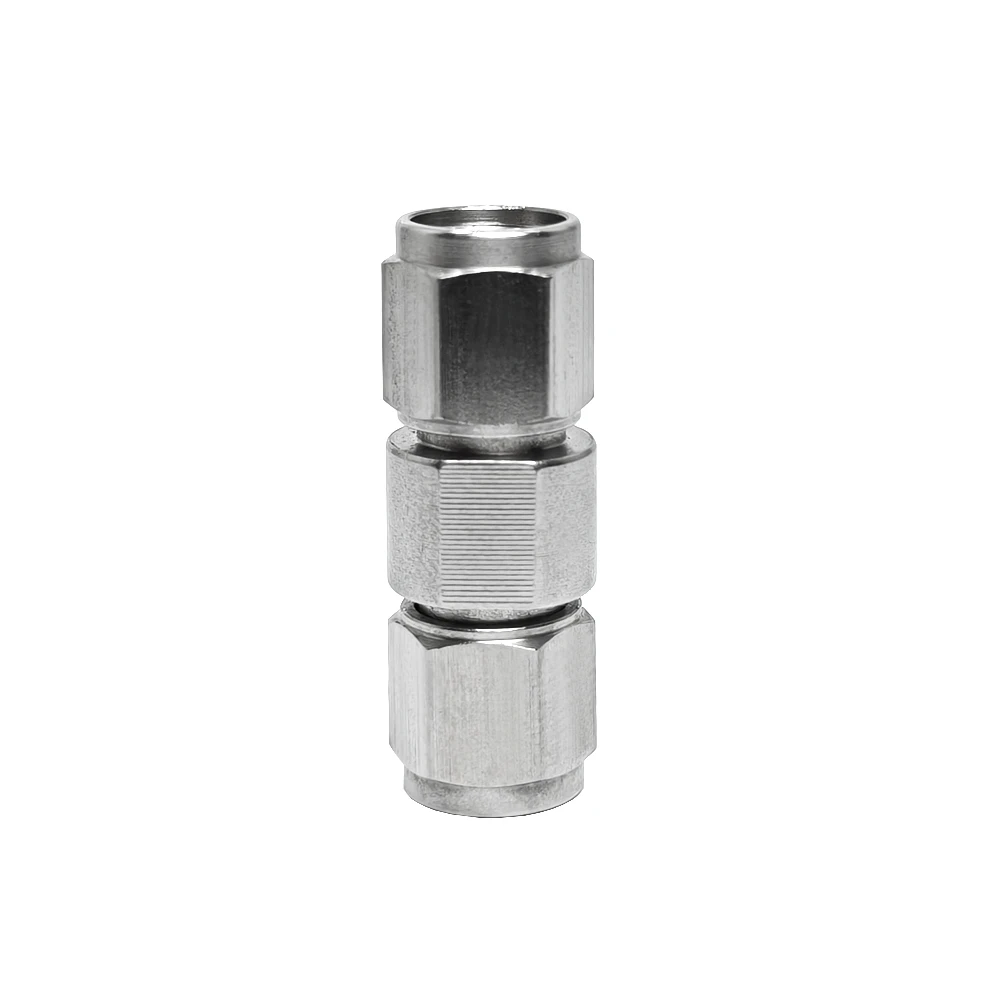

In the world of high-frequency signal transmission, the Low-Loss RF Adapter stands out as a crucial component for maintaining signal integrity and minimizing attenuation. Designed for precision applications, this adapter ensures seamless connectivity between different RF interfaces, making it indispensable for engineers and technicians working with advanced communication systems. As technology evolves, the demand for reliable Low-Loss RF Adapter solutions grows, particularly in environments where even the slightest signal degradation can impact performance.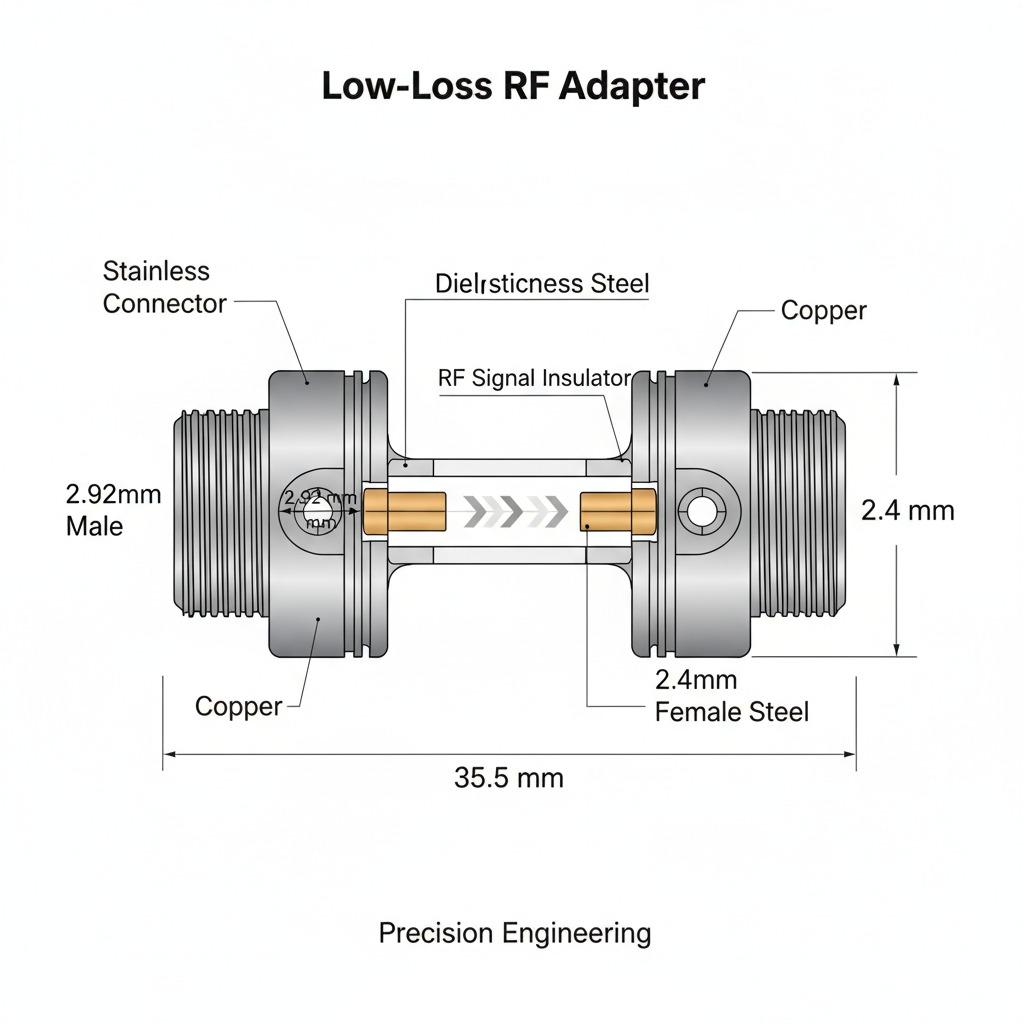
Our Low-Loss RF Adapter is engineered to bridge the gap between various connector types, such as the 2.92mm Male Connector and the 2.4mm Female Connector. This specific configuration allows for versatile mating in high-stakes setups, where compatibility is key. The adapter's design incorporates premium materials like the Copper Contact Adapter elements, which provide excellent conductivity and low resistance, ensuring that signals pass through with minimal loss. Whether you're integrating it into testing rigs or production lines, this adapter supports frequencies up to 40 GHz, aligning perfectly with the needs of 40G RF Test Equipment users who require pinpoint accuracy in their measurements.
What sets our Stainless Steel RF Adapter variant apart is its robust construction, built to withstand harsh conditions without compromising on performance. The stainless steel body offers superior corrosion resistance and mechanical strength, ideal for outdoor or industrial deployments. Paired with the High Frequency Connector standards, it handles the rigors of millimeter-wave applications effortlessly. Imagine deploying this in satellite communications or radar systems; the Low-Loss RF Adapter prevents the common pitfalls of signal reflection and insertion loss that plague lesser components. Its precision machining ensures tight tolerances, reducing VSWR (Voltage Standing Wave Ratio) to levels that enhance overall system efficiency.
Delving deeper into its specifications, the Low-Loss RF Adapter features a center conductor made from high-purity copper, which not only minimizes ohmic losses but also supports high-power handling capabilities. For instance, when connecting a 2.92mm Male Connector to a 2.4mm Female Connector, the adapter maintains impedance at 50 ohms, a standard for most RF systems. This is particularly beneficial in 40G RF Test Equipment, where bandwidth and speed are paramount. The Copper Contact Adapter within ensures gold-plated contacts for optimal electrical performance and longevity, preventing oxidation that could degrade signals over time.
In practical applications, the Stainless Steel RF Adapter shines in aerospace and defense sectors, where reliability under extreme temperatures—from -55°C to +165°C—is non-negotiable. Its low-loss characteristics, with insertion loss typically under 0.2 dB at 40 GHz, make it a go-to for High Frequency Connector setups in 5G base stations and wireless backhaul systems. Users appreciate how this adapter simplifies cable assemblies, reducing the need for multiple custom parts and streamlining inventory management. Moreover, its ergonomic design facilitates quick installations, saving valuable time during field deployments or lab testing.
For those focused on the 2.92mm Male Connector interface, our Low-Loss RF Adapter offers backward compatibility with older K-type connectors, easing transitions in legacy systems. The 2.4mm Female Connector end provides a secure, threaded coupling that resists vibration, crucial for mobile or vehicular applications. Integrating the Copper Contact Adapter technology, it achieves return loss figures better than 20 dB across a broad frequency range, ensuring that your 40G RF Test Equipment delivers consistent results. This level of performance is backed by rigorous testing, including thermal cycling and humidity exposure, to guarantee durability in real-world scenarios.
The High Frequency Connector demands of modern electronics are met head-on with the Stainless Steel RF Adapter's innovative beading process on the outer conductor, which enhances gas-tight seals and prevents moisture ingress. This feature is especially vital in humid or coastal environments. When paired with the Low-Loss RF Adapter core, it forms a bulletproof solution for phased array antennas or vector network analyzers. Engineers using 40G RF Test Equipment report fewer calibration cycles and improved measurement repeatability, attributing these gains to the adapter's superior low-loss profile.
Beyond technical specs, the adaptability of our Low-Loss RF Adapter extends to customization options, allowing for variations in length or specific plating to match unique project requirements. The 2.92mm Male Connector to 2.4mm Female Connector model, for example, is available in bulk for OEMs, fostering long-term partnerships. Its compliance with international standards like MIL-STD-202 ensures it meets the stringent needs of global markets. In essence, investing in this Copper Contact Adapter-equipped device translates to reduced downtime and enhanced data throughput, making it a smart choice for forward-thinking professionals.
As we push the boundaries of RF technology, the Stainless Steel RF Adapter continues to evolve, incorporating feedback from industry leaders to refine its low-loss attributes. Whether in research labs developing next-gen wireless tech or in manufacturing lines producing High Frequency Connector assemblies, this adapter proves its worth time and again. For teams relying on 40G RF Test Equipment, the integration of such a reliable Low-Loss RF Adapter not only boosts productivity but also safeguards investment in high-end gear. Embrace the future of connectivity with a component that's as durable as it is efficient.
In summary, the Low-Loss RF Adapter represents the pinnacle of RF interconnection solutions, blending the precision of 2.92mm Male Connector and 2.4mm Female Connector interfaces with the resilience of stainless steel and copper contacts. Its role in enabling seamless, high-frequency operations cannot be overstated, positioning it as an essential tool for innovation across telecommunications, instrumentation, and beyond.
Loading...