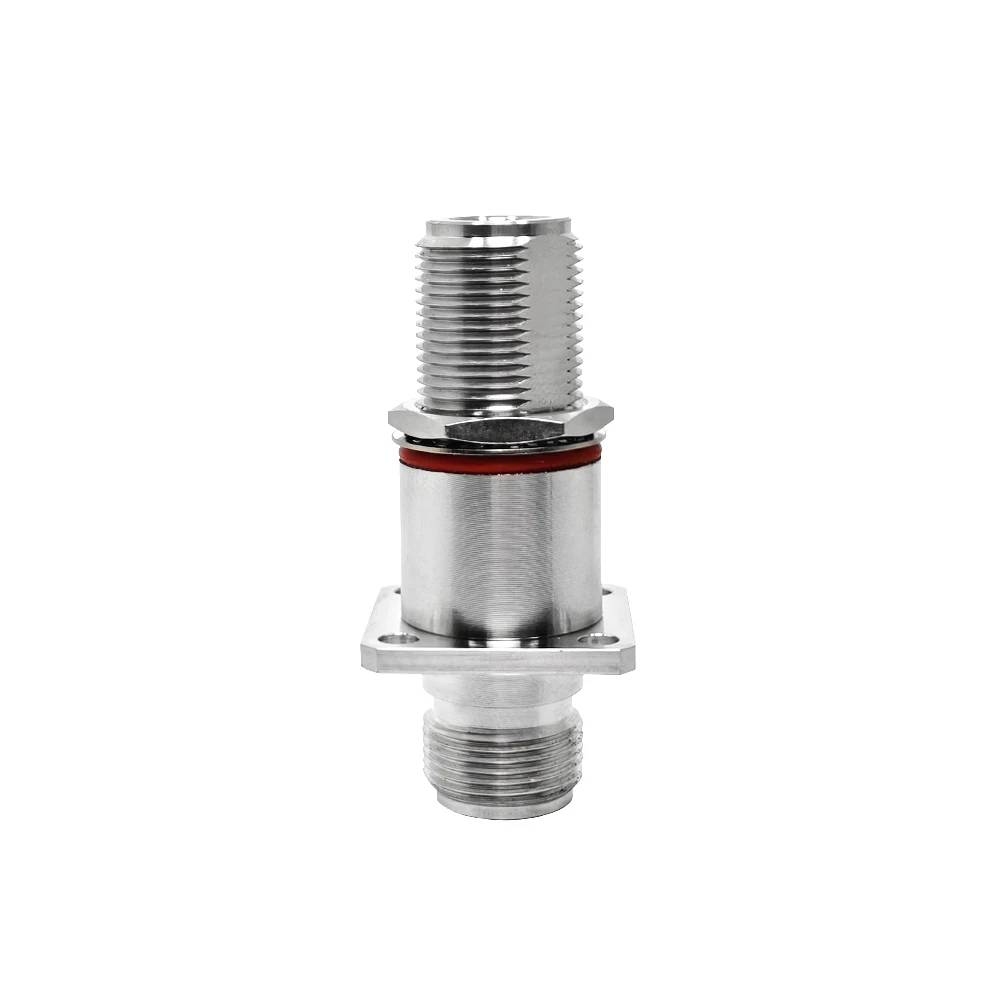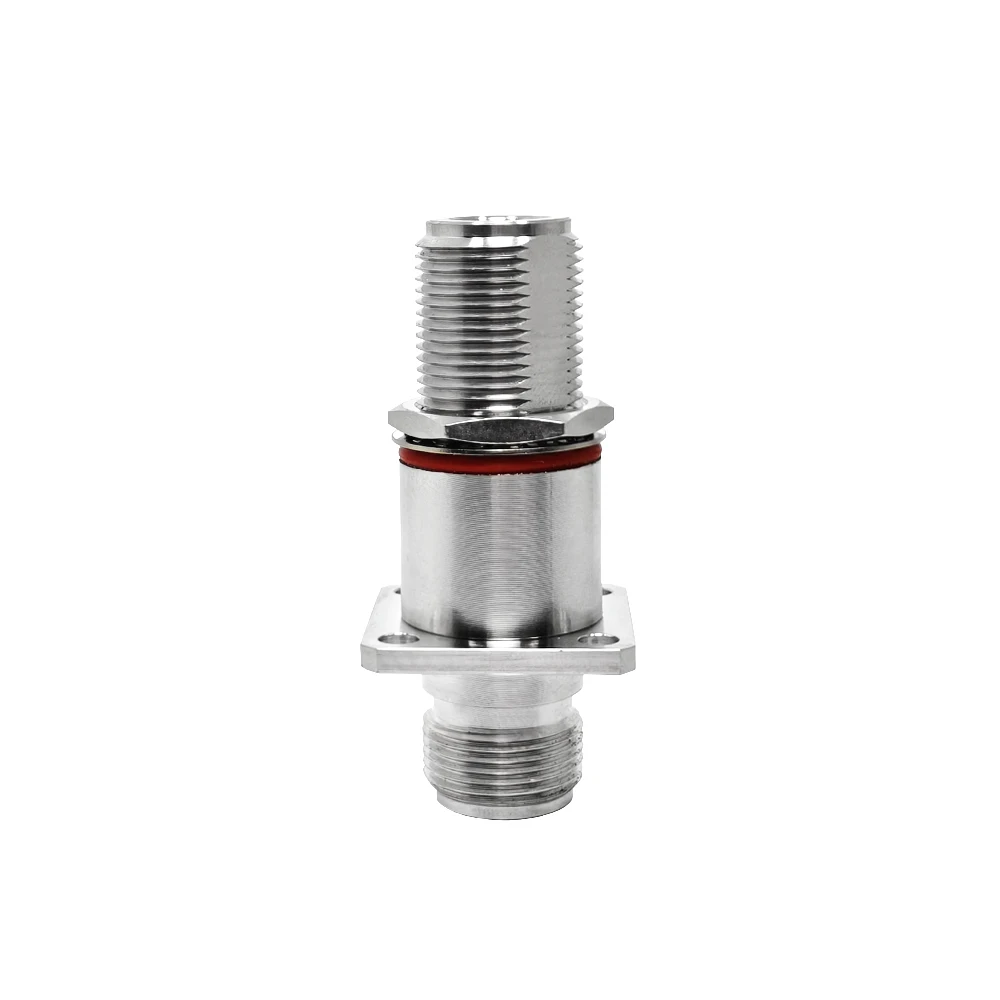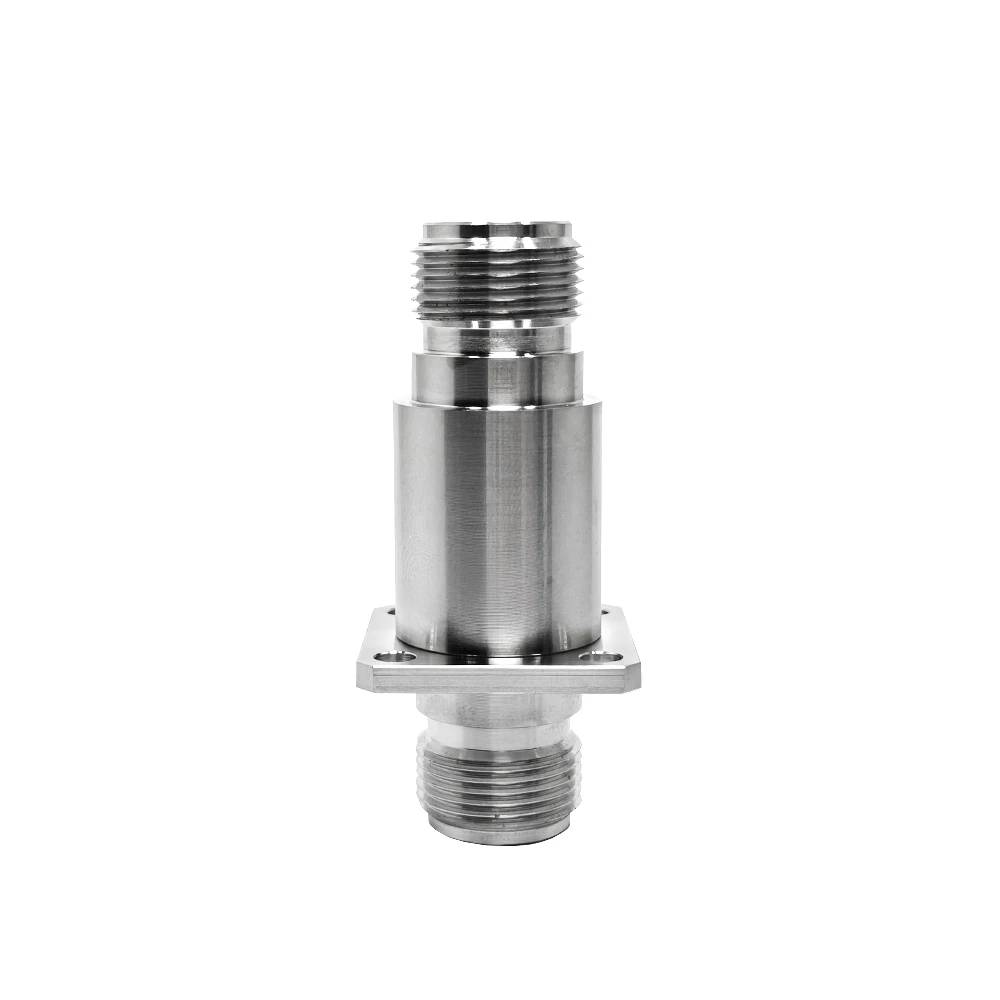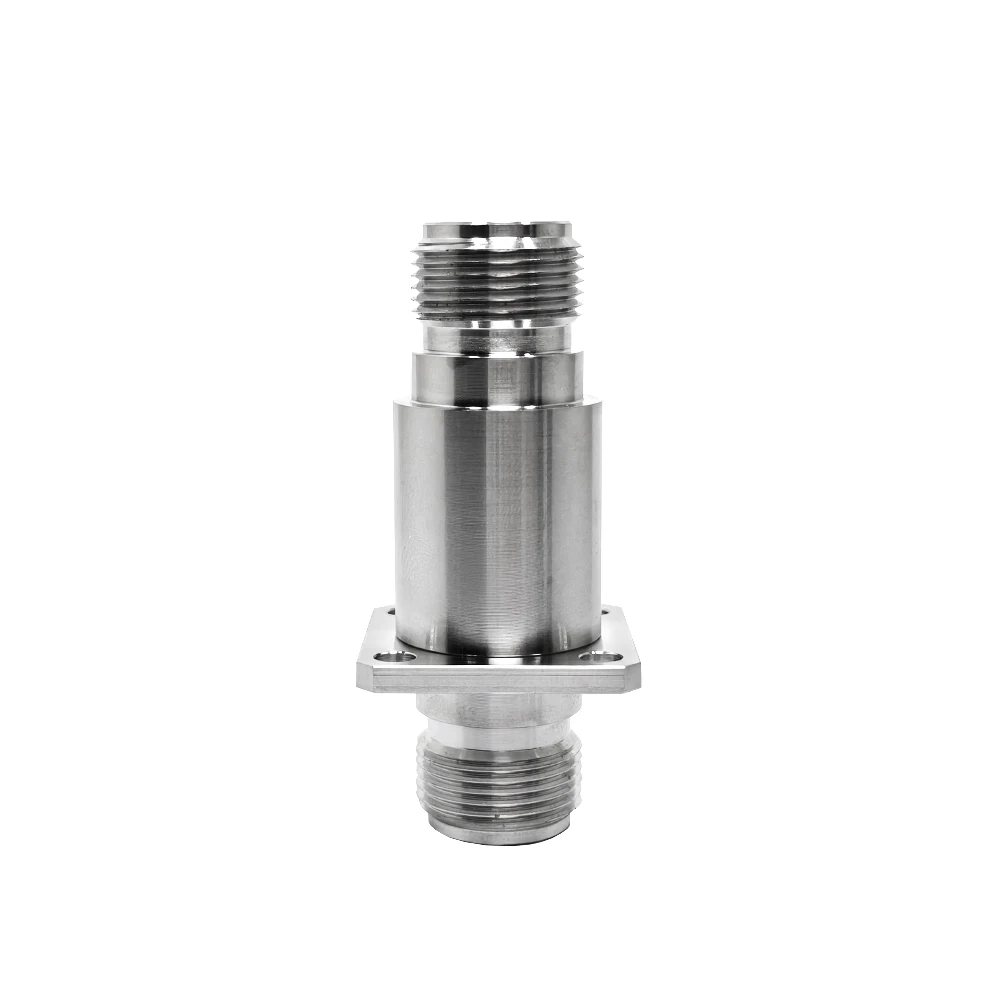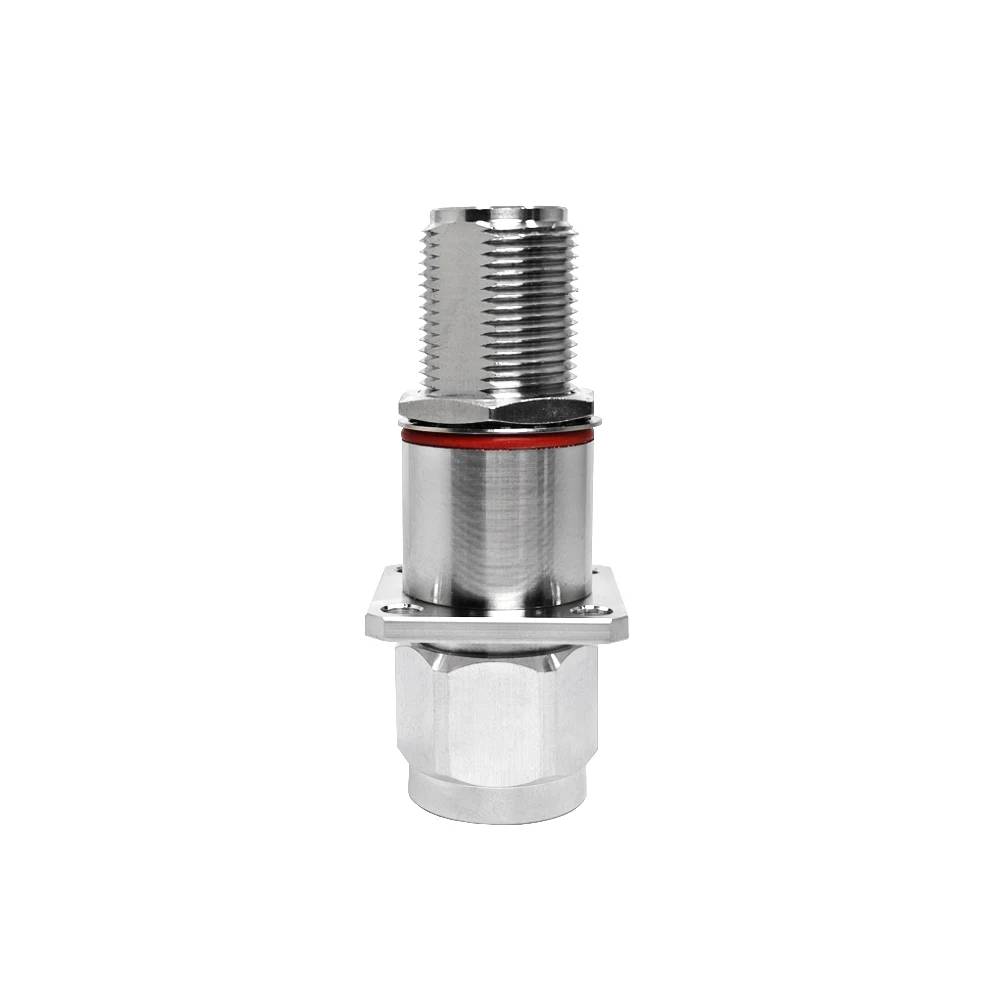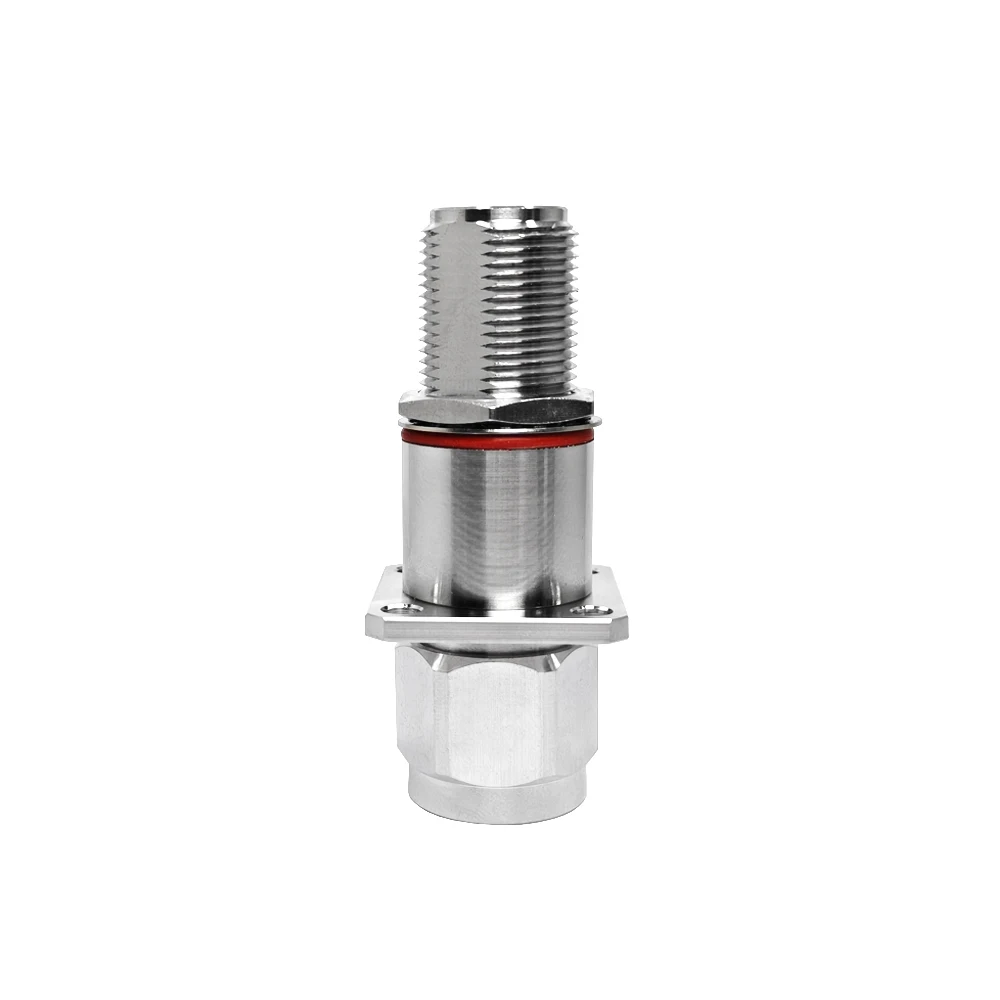

In the world of telecommunications and RF engineering, protecting sensitive equipment from voltage surges is paramount. The 7/16 DIN bulkhead surge protector stands out as a reliable solution, designed to safeguard connections in demanding environments. This device integrates seamlessly with bulkhead installations, ensuring minimal signal loss while providing robust protection against transient surges. Whether you're setting up base stations or antenna systems, incorporating a 7/16 DIN bulkhead surge protector helps maintain operational integrity and prevents costly downtime.
Engineers and technicians appreciate the versatility of this protector, which supports frequencies from 0.8 to 2.5 GHz, making it ideal for cellular and wireless applications. Paired with 7/16 DIN connectors, it offers a secure, weather-resistant interface that withstands harsh outdoor conditions. The bulkhead design allows for easy mounting through panels or enclosures, facilitating clean and organized cabling setups. As a type of DIN surge protector, it excels in high-power scenarios, directing excess energy away from critical components without compromising performance.
Delving deeper into its construction, the 7/16 DIN bulkhead surge protector features male to female connectivity, enabling straightforward integration between transmission lines and equipment. This configuration is particularly useful in space-constrained installations where direct through-panel connections are needed. The protector's gas discharge tube or similar suppression mechanism activates swiftly during surges, clamping voltage spikes to safe levels. With a focus on low insertion loss—typically under 0.1 dB across the operational band—it ensures that signal quality remains pristine, even in high-frequency operations up to 2.5 GHz.
For those working with bulkhead connectors, this surge protector enhances system reliability by combining mounting convenience with surge mitigation. Imagine a rooftop antenna array exposed to lightning-prone weather; the 7/16 DIN bulkhead surge protector's IP67-rated sealing prevents moisture ingress, while its stainless steel or robust alloy housing resists corrosion. Installation is straightforward, requiring only basic tools to secure it via the bulkhead flange. Once in place, it acts as a sentinel, absorbing and dissipating surge energy through a low-impedance path to ground, thereby protecting downstream radios and amplifiers from damage.
The male to female surge protector variant of this device is especially popular in multi-port systems, where daisy-chaining or extending connections is common. It supports VSWR values as low as 1.2:1, minimizing reflections that could degrade signal strength. In applications ranging from public safety communications to broadband wireless access, the 0.8-2.5GHz surge protector range covers essential spectrum bands, including LTE and 5G sub-6 GHz deployments. Users report its durability in extreme temperatures, from -40°C to +85°C, making it a go-to choice for global installations.
Beyond basic protection, the 7/16 DIN bulkhead surge protector contributes to overall network efficiency. By preventing surge-induced failures, it reduces maintenance costs and extends the lifespan of connected hardware. Technicians often pair it with other bulkhead connectors for a unified setup, ensuring all interfaces meet stringent impedance standards like 50 ohms. The DIN surge protector category, to which this belongs, is renowned for its threaded coupling that provides secure, vibration-resistant connections—crucial in mobile or vehicular applications.
Consider a scenario in a data center or broadcast facility where multiple RF lines pass through a firewall. The bulkhead surge protector's compact footprint—often no larger than 2 inches in diameter—allows for dense packing without sacrificing protection. Its DC blocking capability further isolates systems, preventing ground loops that could introduce noise. For optimal performance, grounding the protector to a low-resistance earth point is essential, a step that enhances its effectiveness against both direct and indirect surges.
In industrial settings, the 7/16 DIN connectors integrated into this protector handle power levels up to several kilowatts peak, making it suitable for high-output transmitters. The related bulkhead connectors ensure alignment and torque specifications are met during assembly, avoiding mismatches that lead to arcing or failures. As technology evolves, these protectors adapt, with some models offering hybrid protection combining surge and ESD suppression for comprehensive defense.
Ultimately, selecting a 7/16 DIN bulkhead surge protector means investing in peace of mind. Its blend of precision engineering, broad frequency coverage, and rugged build positions it as an indispensable tool for RF professionals. From urban cell towers to remote sensor networks, this device upholds signal integrity and equipment longevity. By mitigating risks associated with electrical transients, it empowers seamless connectivity in an increasingly wireless world. Whether you're upgrading existing infrastructure or designing new systems, the 7/16 DIN bulkhead surge protector delivers unmatched reliability and performance.
To maximize its benefits, regular inspection of connections and grounding is recommended, ensuring the protector remains vigilant. With its male to female design facilitating easy retrofits, transitioning to surge-protected setups has never been simpler. In the realm of 0.8-2.5GHz surge protectors, this model sets a benchmark for quality, backed by compliance with standards like IEC 61000 for electromagnetic compatibility. For any application demanding robust DIN surge protection, it's a choice that resonates with both functionality and future-proofing.


Description