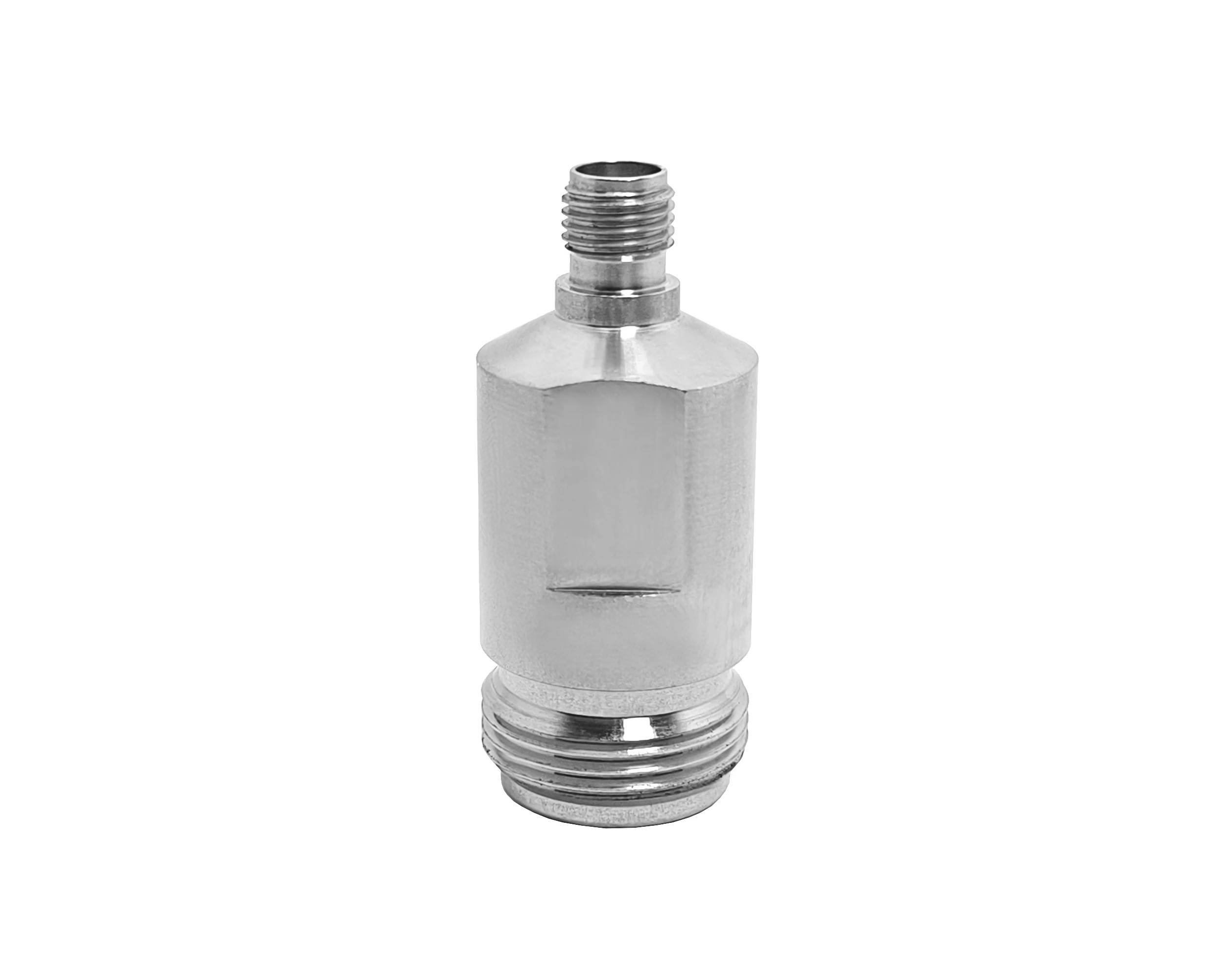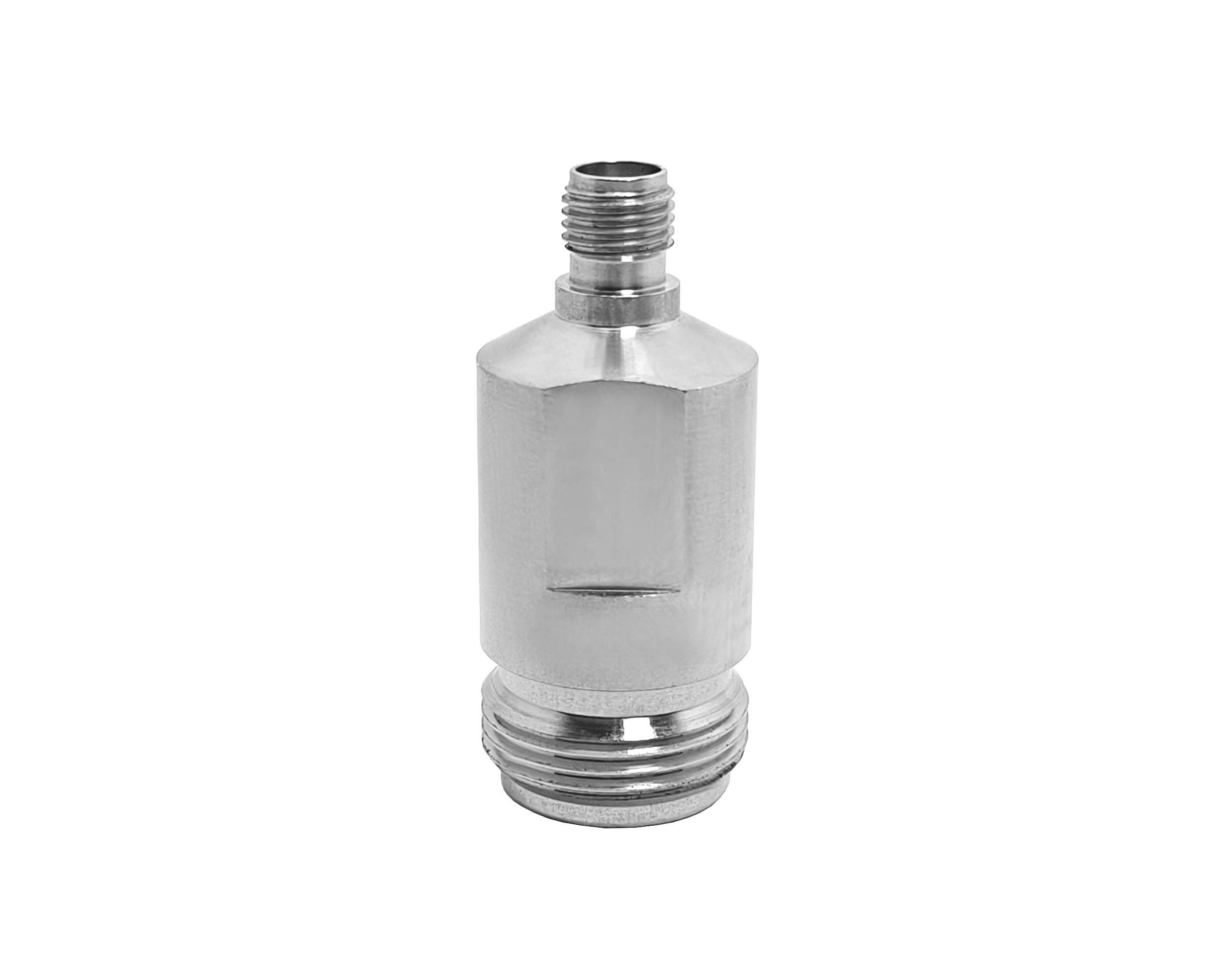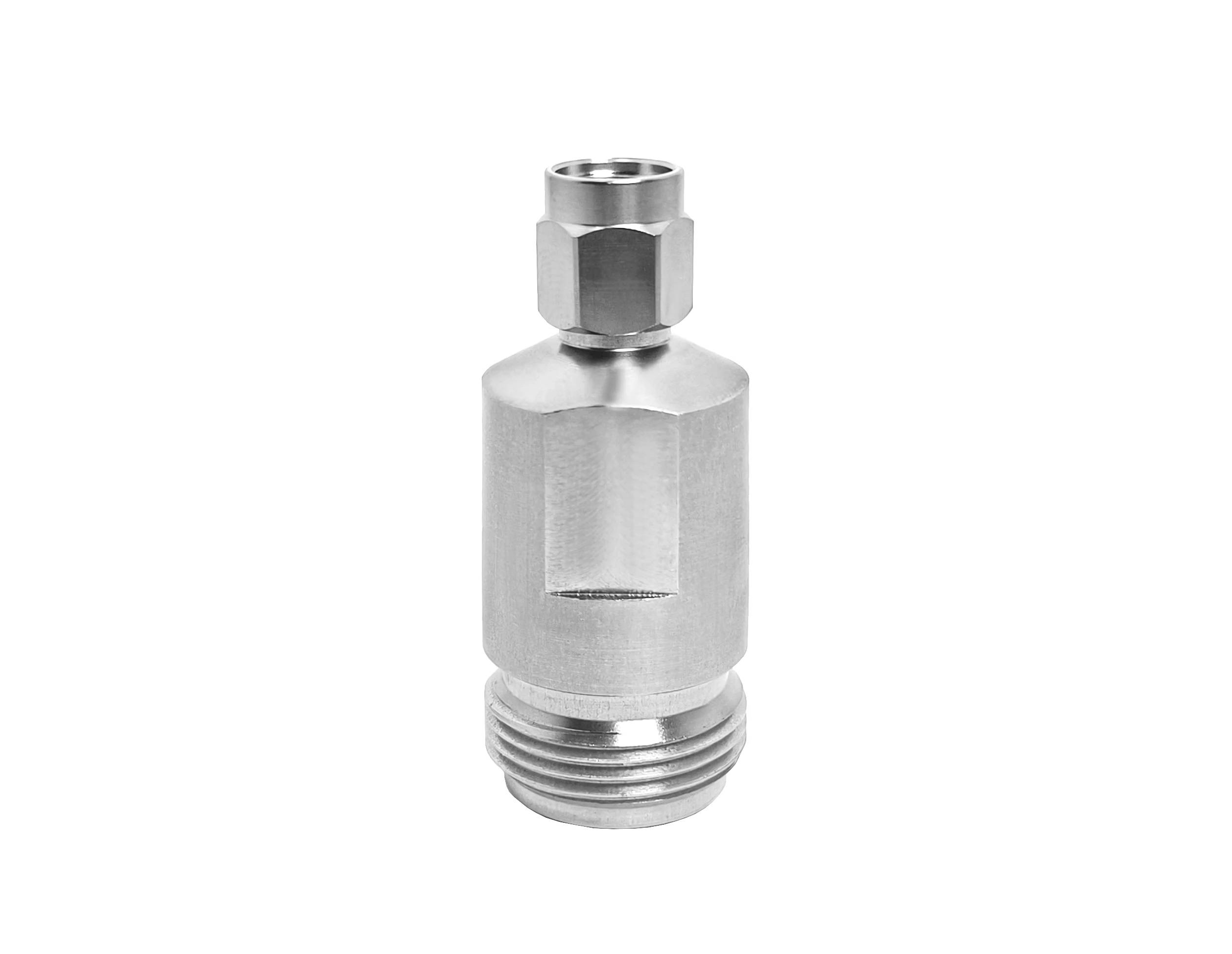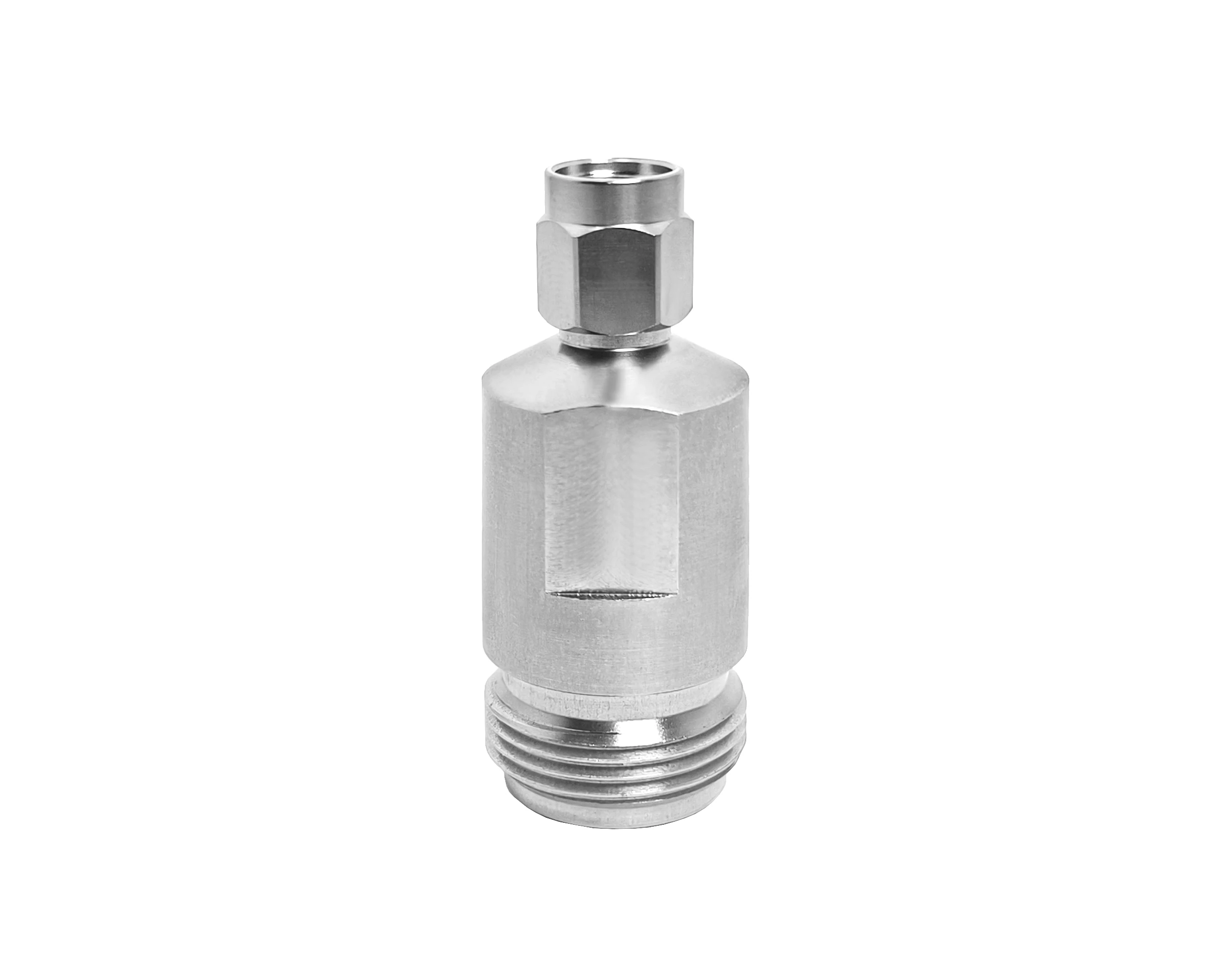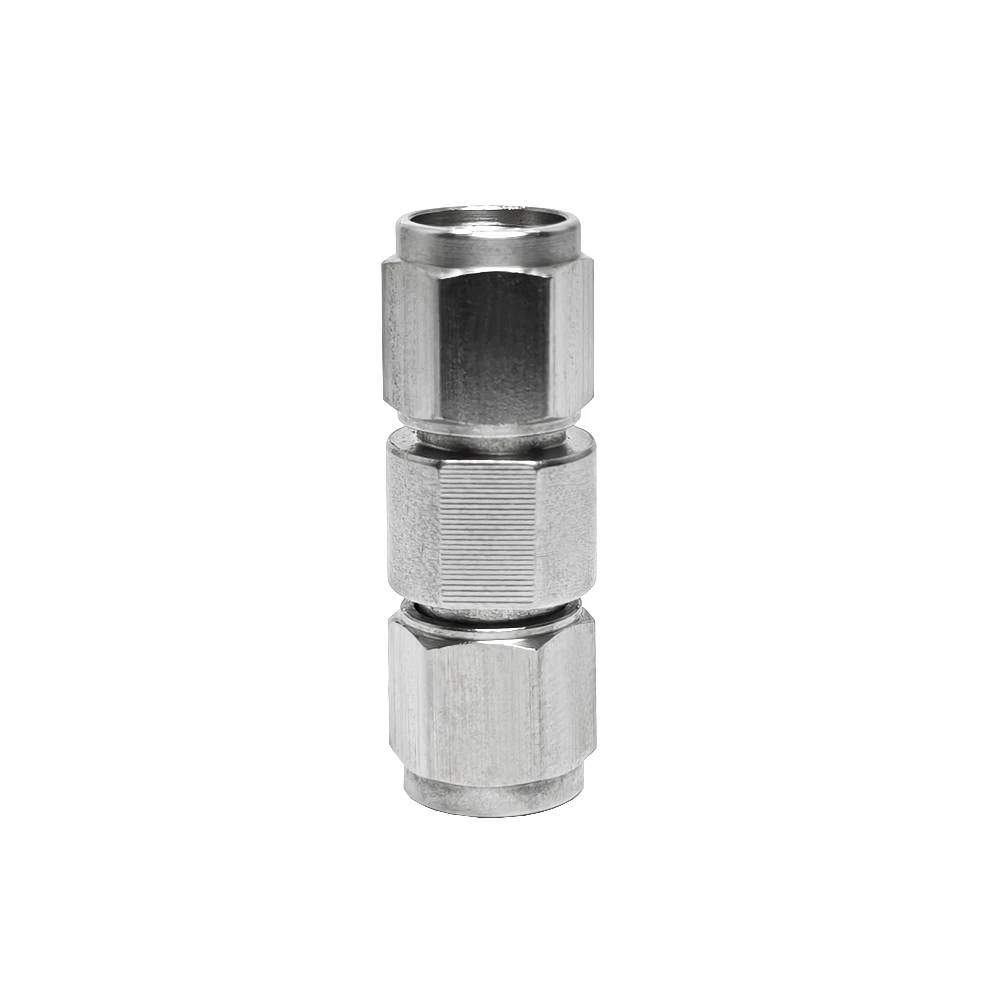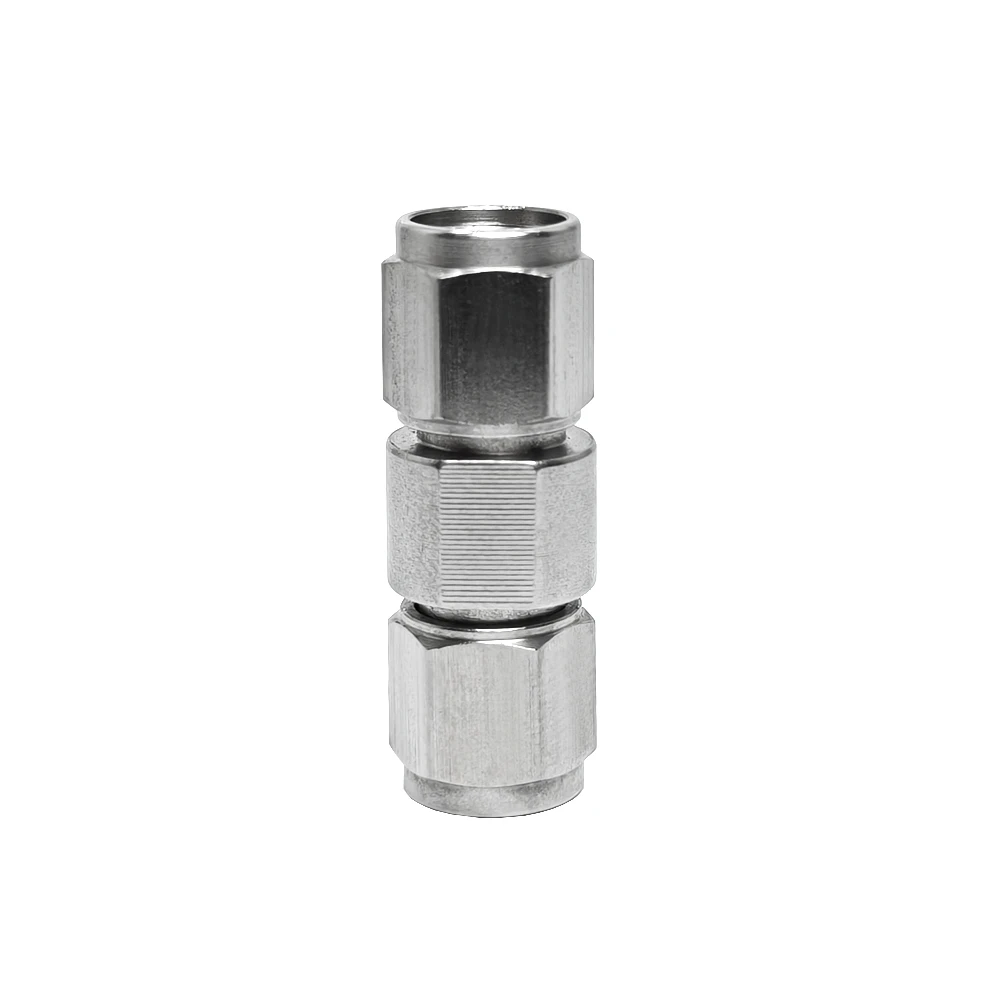

In the world of high-frequency signal transmission, the 2.4mm RF Adapter stands out as a pinnacle of engineering precision, enabling seamless connectivity in demanding RF applications. This advanced adapter is meticulously designed to bridge various RF interfaces, ensuring minimal signal loss and optimal performance across a wide range of frequencies up to 50 GHz. Whether you're working on telecommunications infrastructure, radar systems, or advanced testing setups, the 2.4mm RF Adapter provides the reliability and efficiency that professionals demand. Its compact form factor and robust construction make it an indispensable tool for engineers and technicians who prioritize precision in every connection.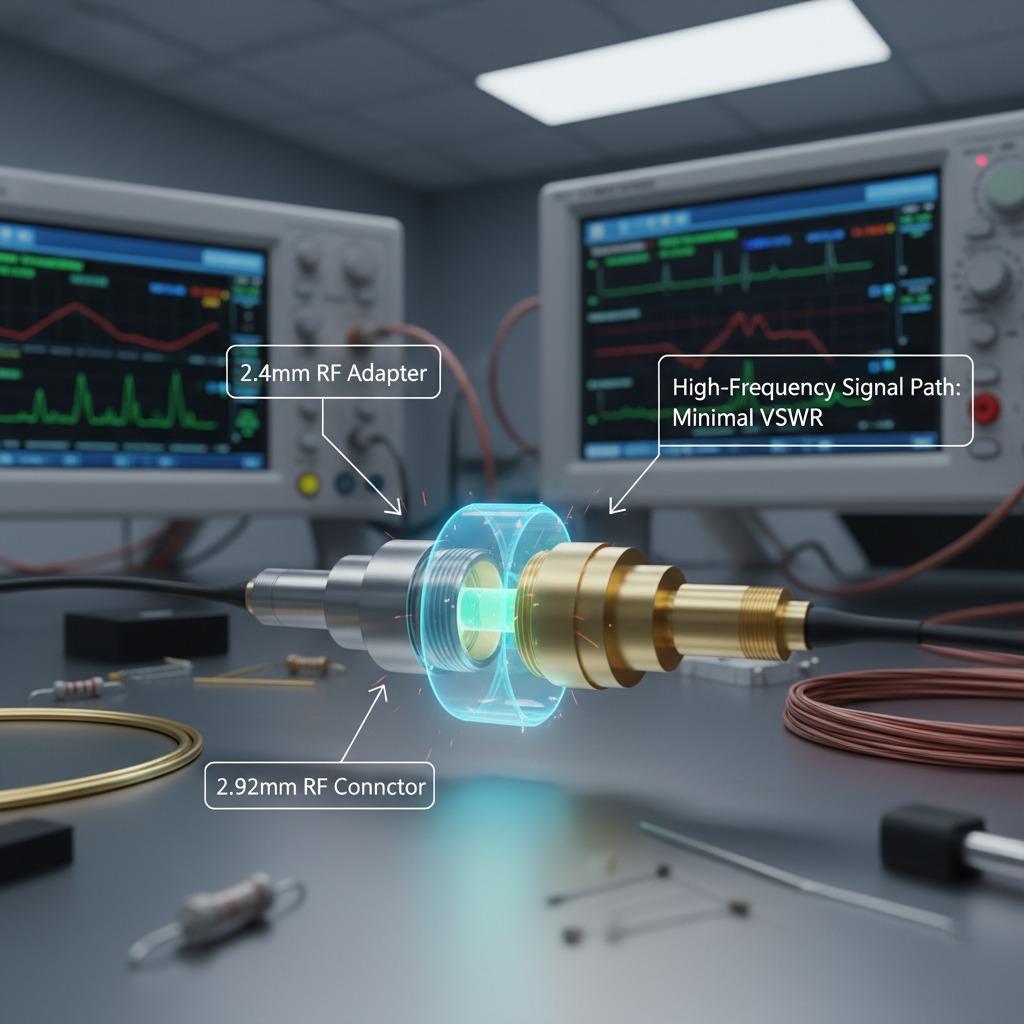
Delving deeper into its features, the 2.4mm RF Adapter is often paired with the 2.92mm RF Connector, creating a harmonious integration for high-power and high-frequency operations. This combination allows for versatile setups where the 2.92mm RF Connector's broader compatibility enhances the adapter's functionality, supporting applications from satellite communications to microwave testing. The threaded interface of these components ensures a secure lock, preventing any unintended disconnections during operation. Moreover, when considering a 2.4 Male 2.92 Female Adapter variant, users benefit from gender-specific mating that simplifies assembly and reduces the risk of mismatch errors in complex RF chains. This specificity is crucial in environments where even the slightest impedance variation can compromise signal integrity.
Durability is at the forefront of this product's design, with options like the Stainless Steel RF Connector offering unparalleled resistance to environmental stressors. Crafted from high-grade stainless steel, these connectors withstand corrosion, extreme temperatures, and mechanical wear, making them ideal for outdoor or harsh industrial settings. In contrast, the Brass RF Adapter provides a cost-effective alternative without sacrificing essential performance metrics, thanks to its gold-plated contacts that ensure low insertion loss and high conductivity. Both materials cater to different needs: stainless steel for longevity in aggressive conditions, and brass for lighter, more economical solutions in controlled lab environments. The choice between them often depends on the application's exposure to elements, but either way, they maintain the gold standard for RF reliability.
As a Microwave Precision Converter, the 2.4mm RF Adapter excels in transforming signals between disparate connector types, facilitating smooth transitions in multi-interface systems. This converter capability is particularly valuable in research and development labs, where experimenting with different frequencies and power levels is routine. Imagine integrating it into a setup involving RF Lab Equipment; the adapter's low VSWR (Voltage Standing Wave Ratio) ensures that reflected power is minimized, preserving the accuracy of measurements and simulations. Professionals in aerospace, defense, and wireless technology sectors frequently rely on such precision to validate designs and troubleshoot issues, knowing that the adapter's hermetic sealing prevents moisture ingress and maintains signal purity over extended periods.
Expanding on its practical applications, the 2.4mm RF Adapter is engineered to handle the rigors of high-frequency microwave engineering, supporting everything from 5G network prototyping to millimeter-wave radar development. Its precision machining tolerances, often within microns, guarantee repeatable connections that are vital for calibration standards in metrology labs. When used alongside a Stainless Steel RF Connector, the system becomes fortified against vibration and shock, common in mobile or vehicular installations. For those opting for a Brass RF Adapter, the lighter weight contributes to overall system portability, which is a boon for field technicians conducting on-site diagnostics. The 2.92mm RF Connector integration further broadens its utility, allowing adaptation to SMA or K-type connectors in legacy systems, thus future-proofing investments in RF infrastructure.
In laboratory scenarios, the role of the 2.4 Male 2.92 Female Adapter cannot be overstated, as it streamlines the workflow by providing a direct, low-loss pathway for signal routing. RF Lab Equipment benefits immensely from such adapters, enabling quick reconfigurations during experiments without the need for custom cabling. The Microwave Precision Converter aspect shines here, converting not just physical interfaces but also ensuring electrical continuity that aligns with IEEE standards for RF components. Stainless steel variants add a layer of hygiene and safety in cleanroom environments, resisting bacterial adhesion and simplifying sterilization processes. Brass options, meanwhile, offer thermal stability, preventing expansion mismatches that could detune sensitive circuits under varying ambient conditions.
Beyond connectivity, the 2.4mm RF Adapter embodies innovation in material science and manufacturing techniques. The Stainless Steel RF Connector's passivated surface treatment enhances its electromagnetic shielding, reducing interference in densely packed electronic assemblies. This is especially pertinent in RF Lab Equipment where crosstalk can skew results. The Brass RF Adapter, with its machined precision, supports high-volume production without compromising quality, making it accessible for startups and educational institutions venturing into RF technologies. As a 2.92mm RF Connector companion, it facilitates hybrid systems that blend legacy and modern components, accelerating deployment in IoT and edge computing applications. The overall design philosophy emphasizes modularity, allowing users to scale their setups from benchtop prototypes to full-scale deployments effortlessly.
To illustrate real-world impact, consider a telecommunications firm upgrading their base station antennas; the 2.4mm RF Adapter, paired with a Microwave Precision Converter, ensures that signal boosters maintain peak efficiency despite frequency hopping. In defense applications, the 2.4 Male 2.92 Female Adapter's secure threading withstands the vibrations of airborne platforms, safeguarding critical data links. RF Lab Equipment in academic settings leverages these adapters for teaching advanced concepts in electromagnetics, providing students with hands-on experience in minimizing return loss. The Stainless Steel RF Connector's robustness extends to marine environments, where saltwater exposure would degrade lesser materials, while the Brass RF Adapter suits indoor broadcast studios requiring frequent adjustments.
Ultimately, investing in a 2.4mm RF Adapter means committing to excellence in RF engineering. Its synergy with the 2.92mm RF Connector and related components like the Stainless Steel RF Connector or Brass RF Adapter unlocks endless possibilities in precision connectivity. Whether as a Microwave Precision Converter or an essential part of RF Lab Equipment, this adapter delivers consistent performance that drives innovation and reliability. Professionals across industries continue to choose it for its proven track record in high-stakes scenarios, ensuring that their projects not only meet but exceed expectations in the fast-evolving world of radio frequency technology.
Description