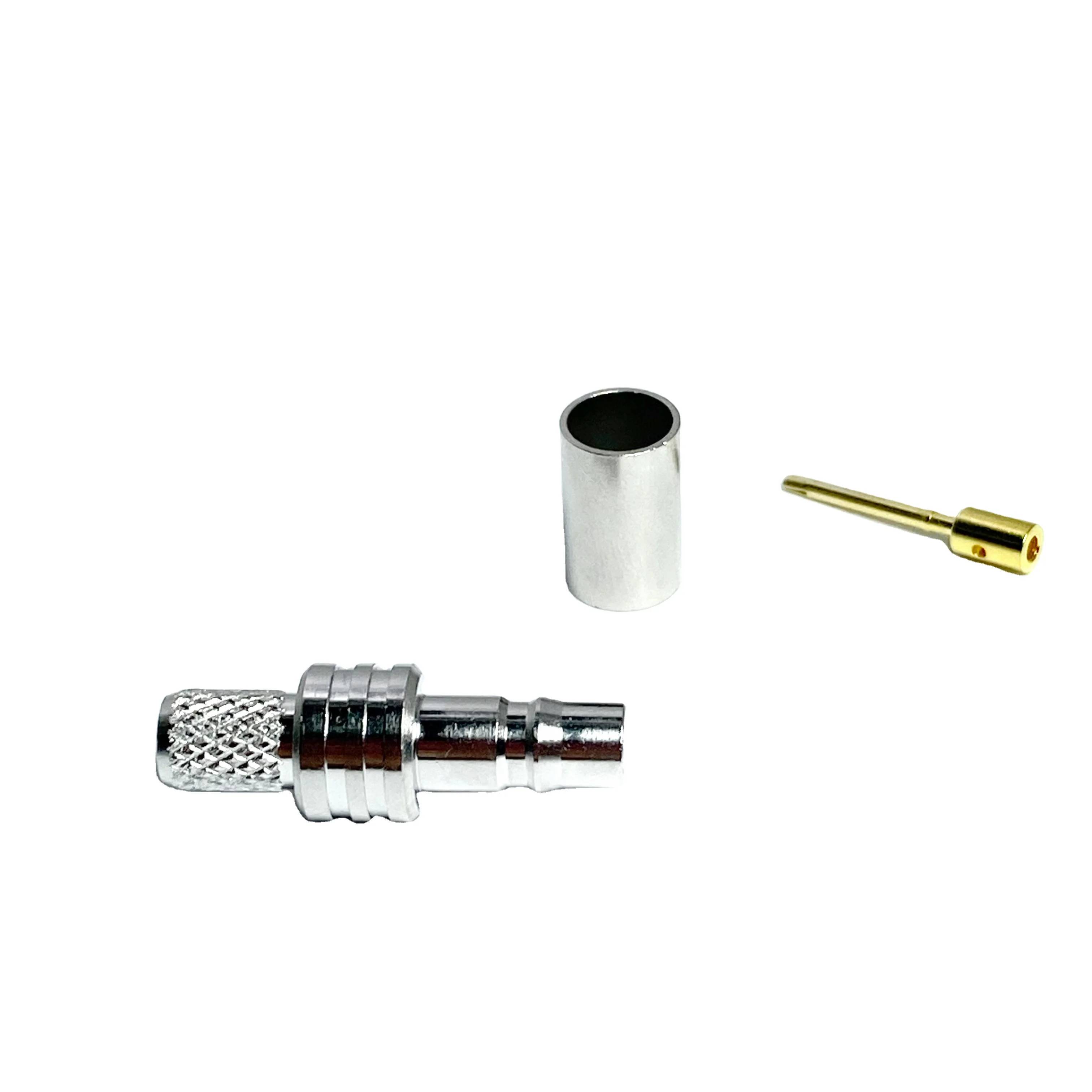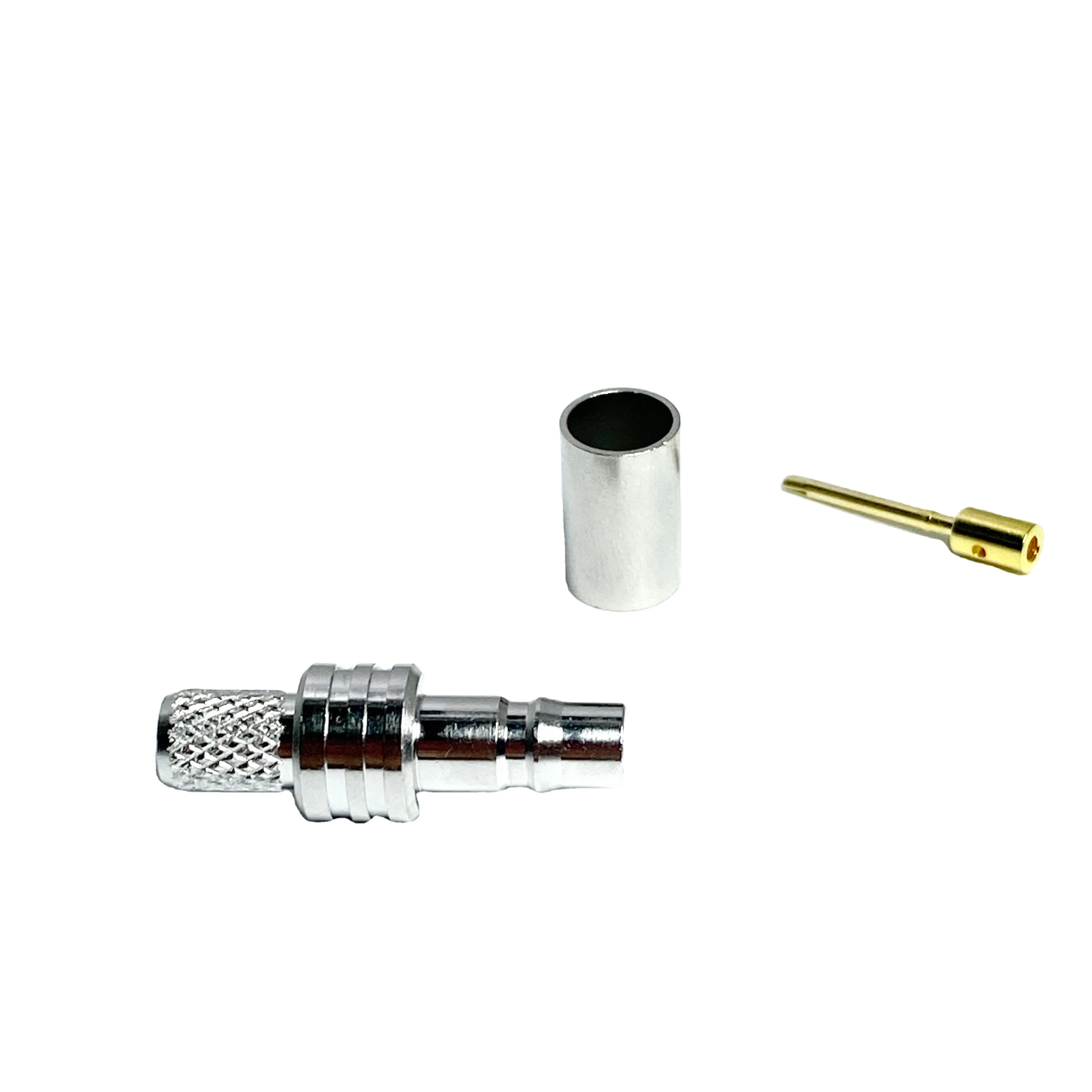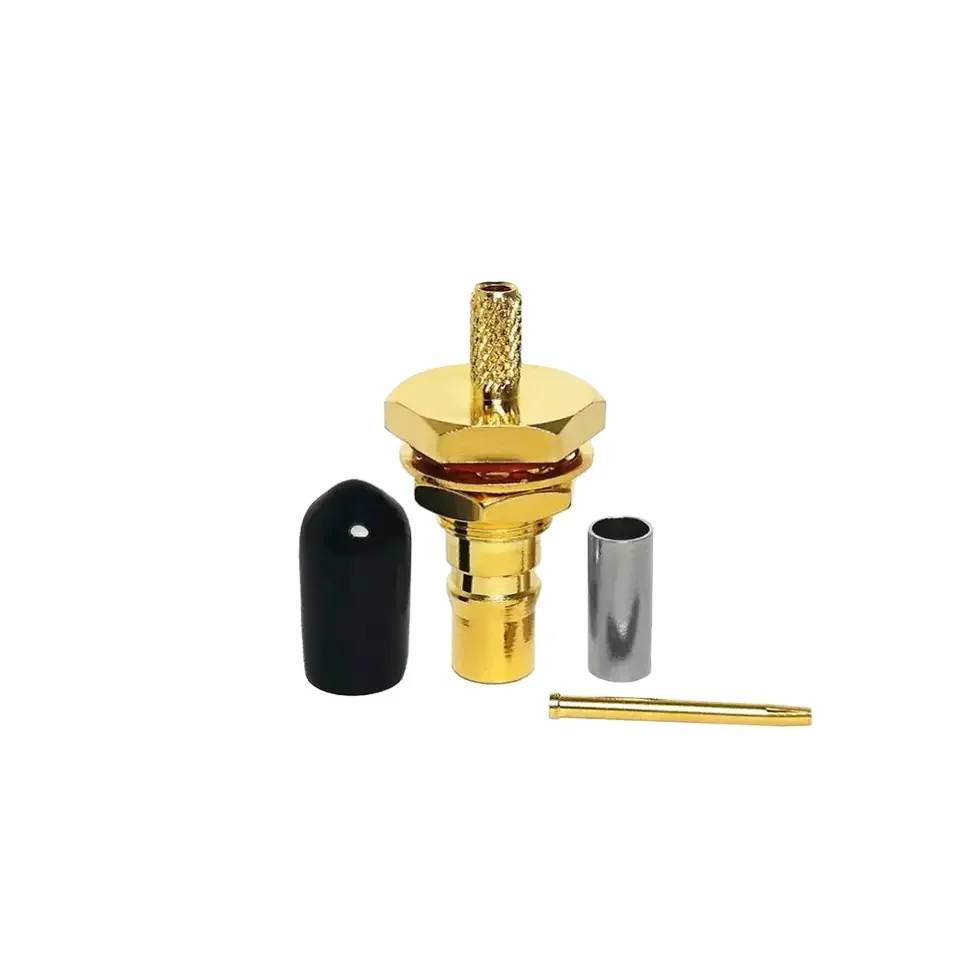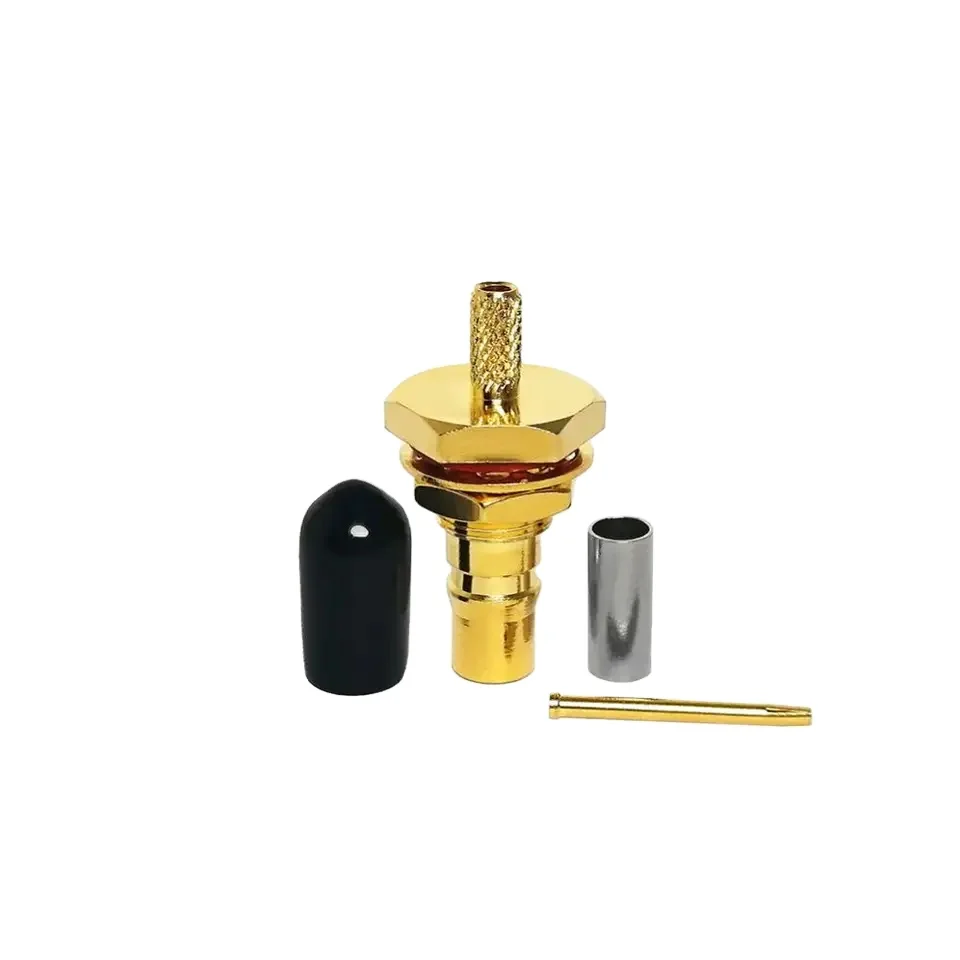

In the world of reliable signal transmission, the QMA connector stands out as a versatile and high-performance solution for modern connectivity needs. Designed for quick mating and unmating, this connector type offers a robust alternative to traditional interfaces, ensuring minimal signal loss and maximum durability in demanding environments. Whether you're working on telecommunications setups or wireless communication systems, the QMA connector provides the precision and efficiency required for seamless operations.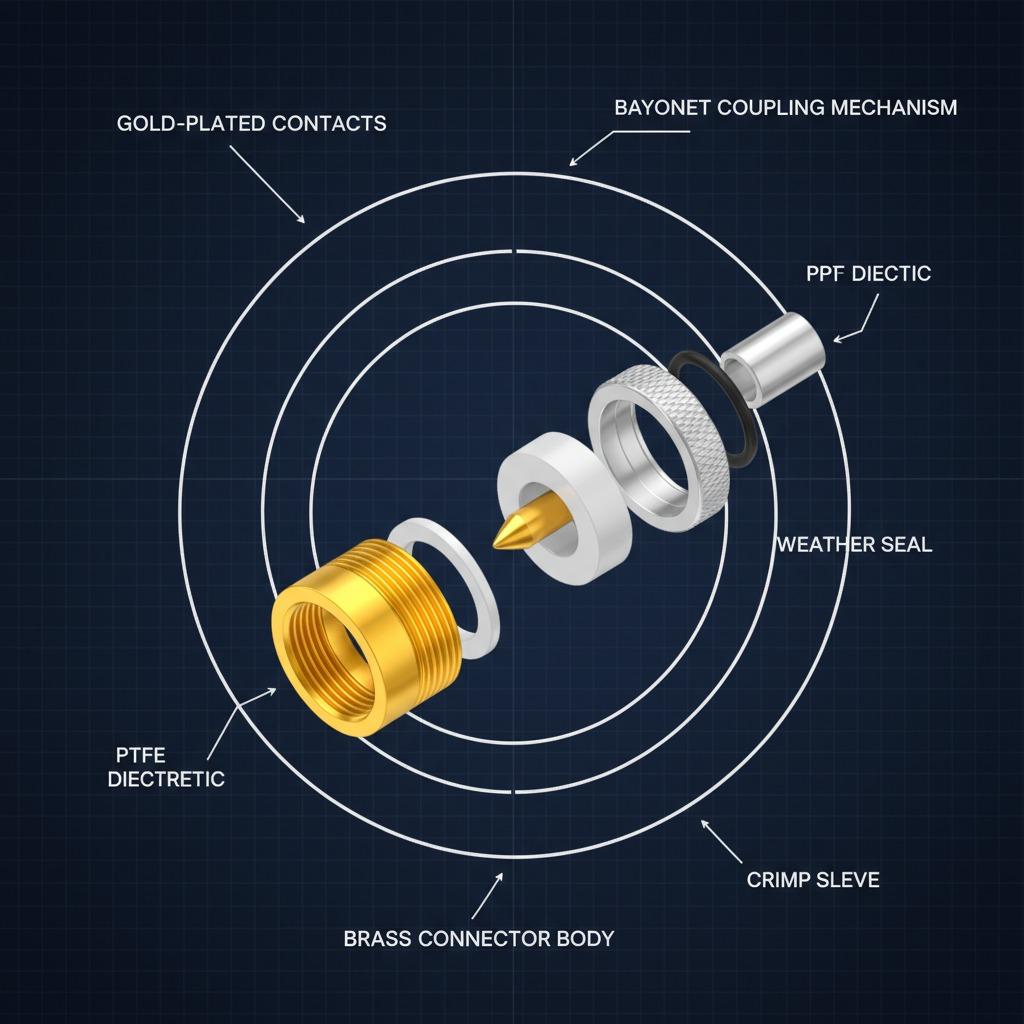
One of the key variants within the QMA family is the female bulkhead connector, which is engineered to mount securely on panels or enclosures, facilitating easy access to connections without compromising structural integrity. This female bulkhead connector is particularly valuable in applications where space is limited, such as in portable devices or industrial equipment, allowing for a clean and organized wiring setup. Its robust construction, often featuring threaded bodies and precise alignment mechanisms, ensures that it withstands vibrations and environmental stresses, making it a favorite among professionals who prioritize long-term reliability.
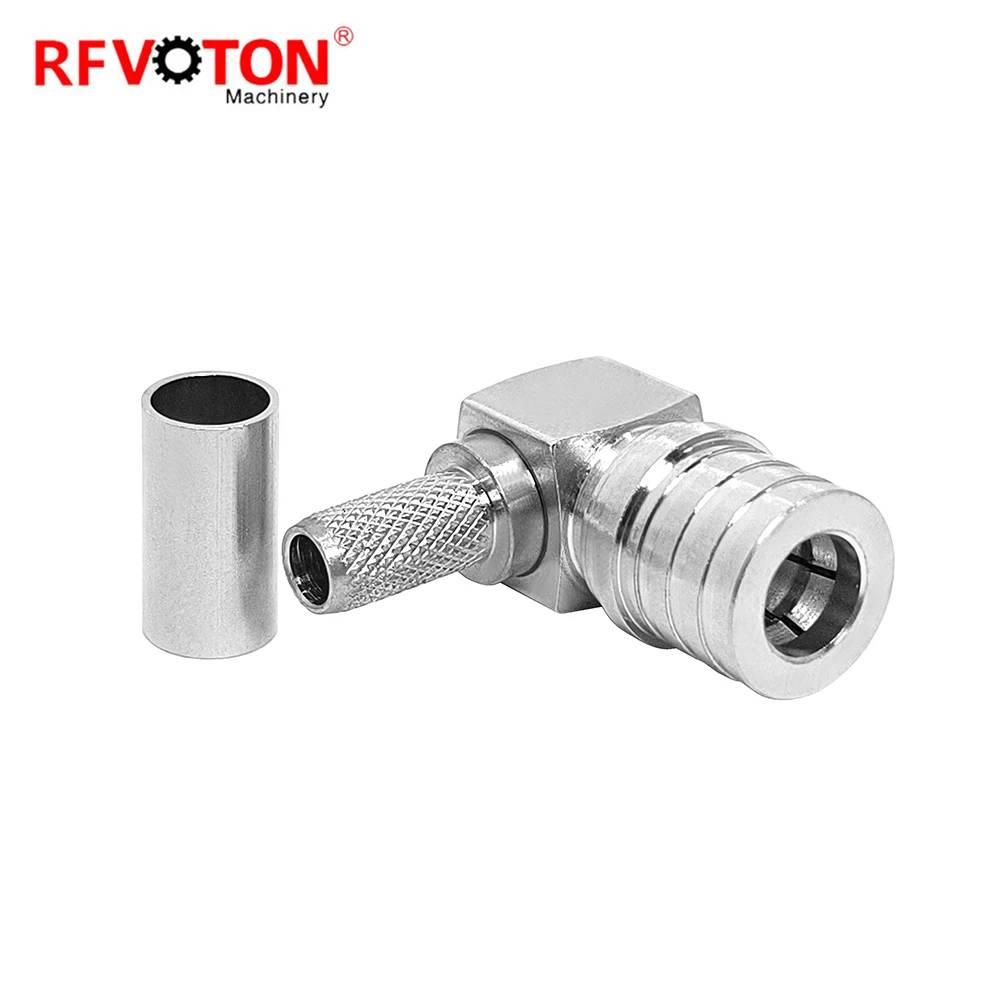
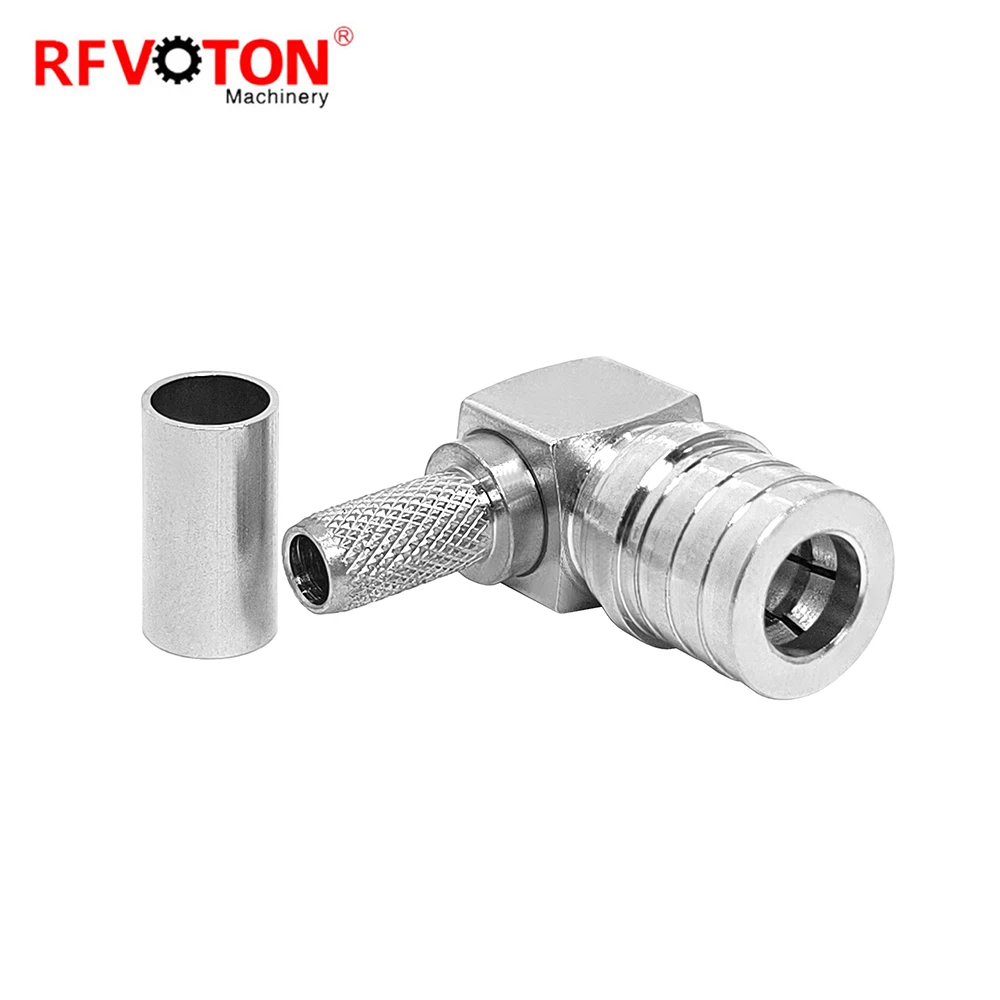
Complementing the lineup is the crimp connector variant of the QMA series, which simplifies installation through its user-friendly crimping process. Unlike solder-based options, the crimp connector allows for tool-based assembly that creates strong, gas-tight connections with coaxial cables, reducing the risk of intermittent failures. This approach not only speeds up deployment but also enhances the overall integrity of the connection, ideal for field technicians handling high-volume installations. The crimp connector's design emphasizes ease of use while maintaining the high-frequency performance that QMA connectors are known for, supporting applications up to several gigahertz without degradation.
When paired with specific cable types like the RG58 connector integration, the QMA connector achieves optimal compatibility for low-loss transmission lines. The RG58 connector adaptation within the QMA framework is tailored for 50-ohm coaxial cables commonly used in amateur radio, GPS systems, and data networking, offering low attenuation and excellent shielding against electromagnetic interference. This combination ensures that signals remain clear and strong over distances, making it indispensable for setups requiring consistent performance, such as mobile antennas or surveillance systems.
For advanced wireless applications, the LTE connector variant of the QMA connector brings enhanced capabilities to 4G and 5G networks. The LTE connector is optimized for high-speed data transfer, featuring impedance matching that minimizes reflections and maximizes throughput in cellular base stations and vehicle-mounted routers. Its weather-resistant sealing options make it suitable for outdoor deployments, where exposure to moisture and temperature fluctuations is common. By incorporating the QMA connector's quick-connect features with LTE-specific tolerances, users benefit from faster setup times and reduced maintenance, ultimately lowering operational costs in expansive network infrastructures.
Building on these features, the QMA connector's overall architecture includes precision-machined components that guarantee low insertion loss and high return loss values, critical for maintaining signal integrity in RF applications. Available in various configurations, from straight to right-angle orientations, it accommodates diverse installation scenarios, whether in avionics, broadcasting, or test equipment. The connector's gold-plated contacts further enhance conductivity and resist tarnishing, ensuring reliable performance over thousands of mating cycles. This level of engineering makes the QMA connector not just a component, but a foundational element in building resilient communication networks.
In practical use, integrating a female bulkhead connector with crimp termination on RG58 cabling for an LTE application demonstrates the QMA connector's versatility. For instance, in a marine environment, where corrosion is a constant threat, selecting a version with enhanced plating can extend service life significantly. Professionals often appreciate how the QMA connector reduces the need for specialized tools, streamlining workflows in both prototyping and production phases. Moreover, its compatibility with industry standards like MIL-SPEC ensures that it meets regulatory requirements for defense and aerospace sectors, broadening its appeal across industries.
To further illustrate, consider a scenario in telecommunications where multiple QMA connectors are daisy-chained using female bulkhead connectors on equipment panels. This setup, combined with crimp connectors on RG58 lines feeding into LTE modules, allows for modular expansions without downtime. The result is a system that supports higher bandwidth demands, such as those in smart city infrastructures or IoT deployments, where every connection counts toward overall efficiency.
Ultimately, the QMA connector represents a leap forward in connector technology, blending the robustness of the female bulkhead connector, the simplicity of the crimp connector, the reliability of the RG58 connector, and the speed of the LTE connector into a single, adaptable platform. Its adoption continues to grow as engineers seek solutions that balance performance, ease of installation, and longevity. For anyone involved in RF and microwave applications, investing in QMA connectors means future-proofing your projects against evolving connectivity challenges, ensuring that your systems remain at the forefront of technological advancement.
Loading...