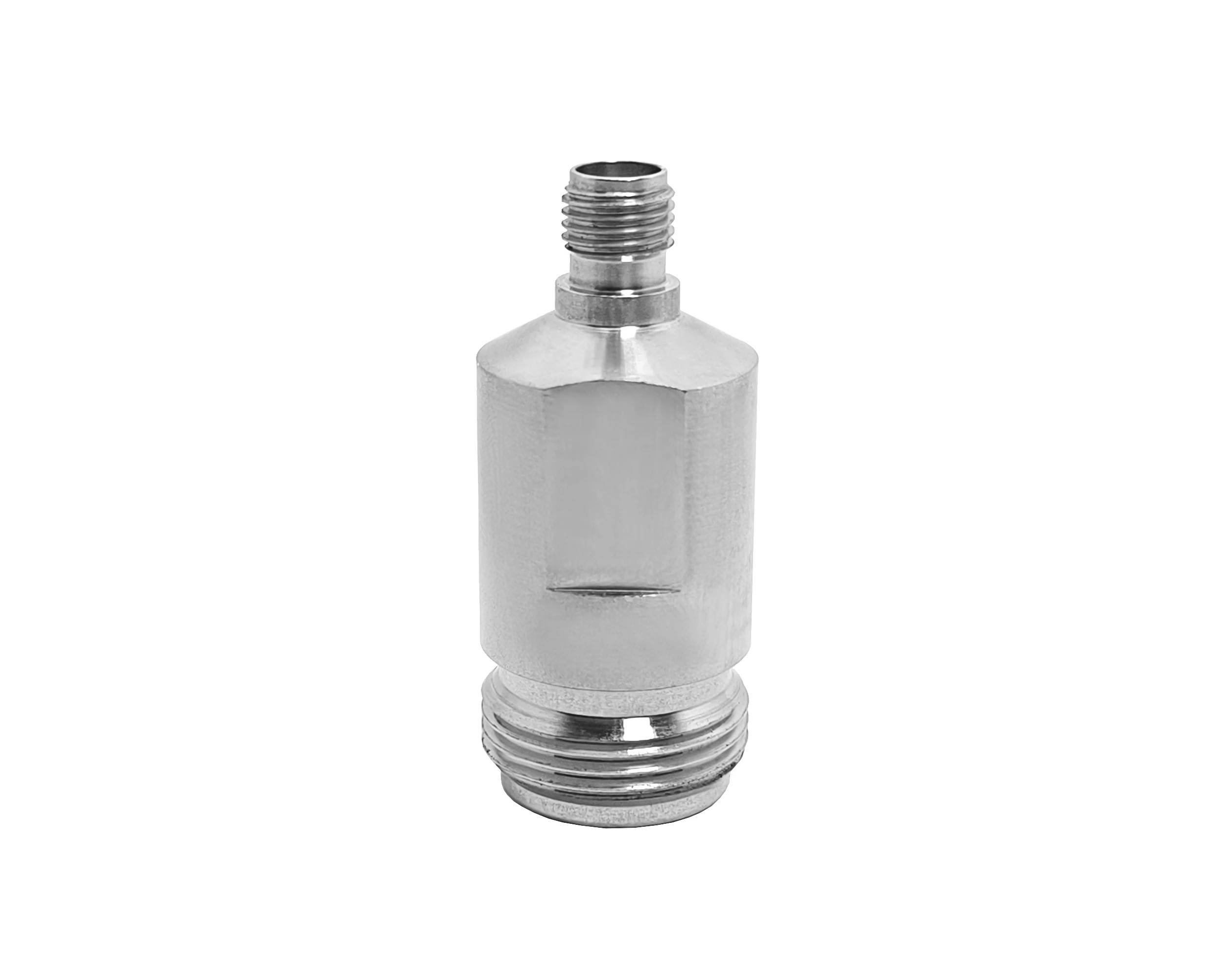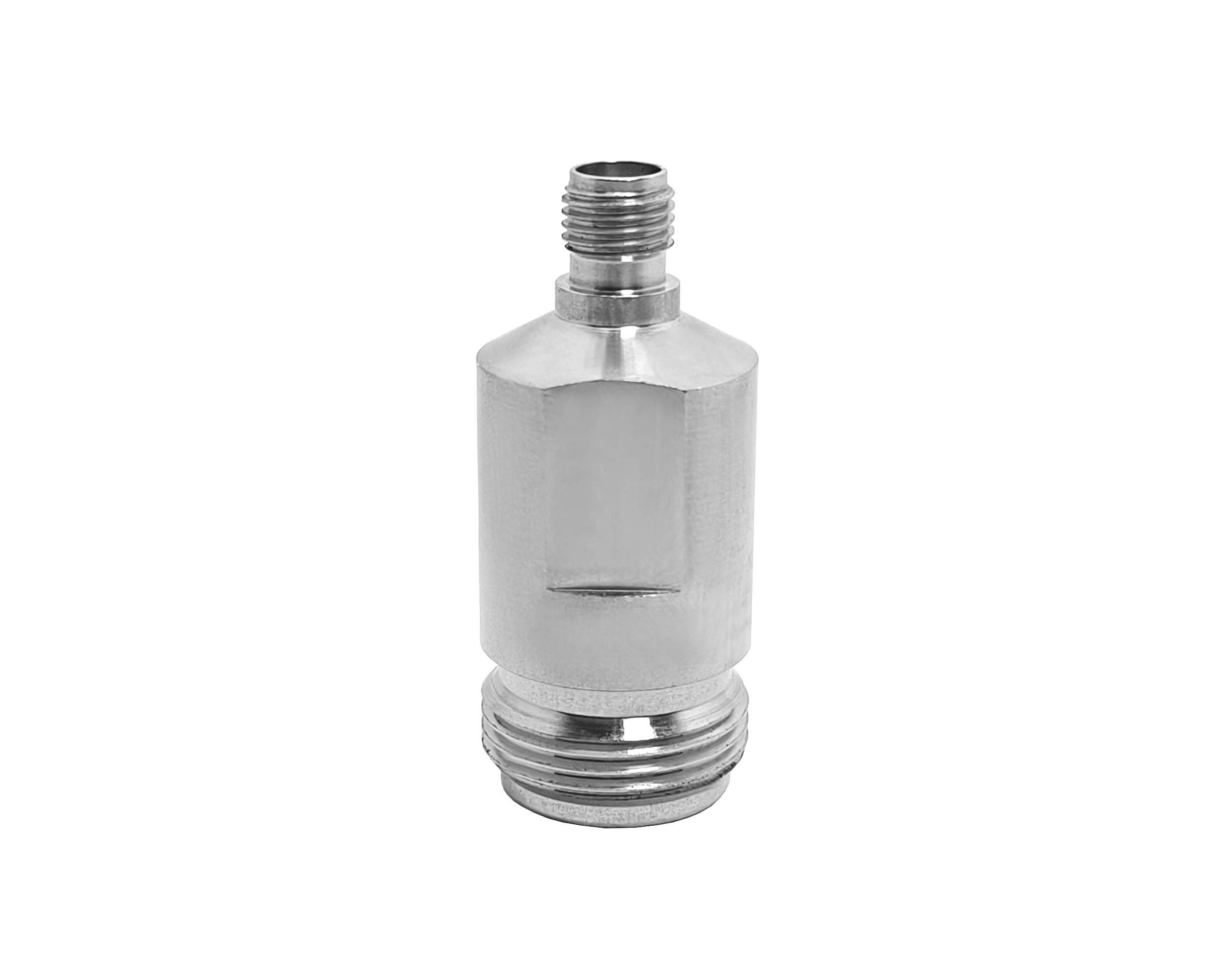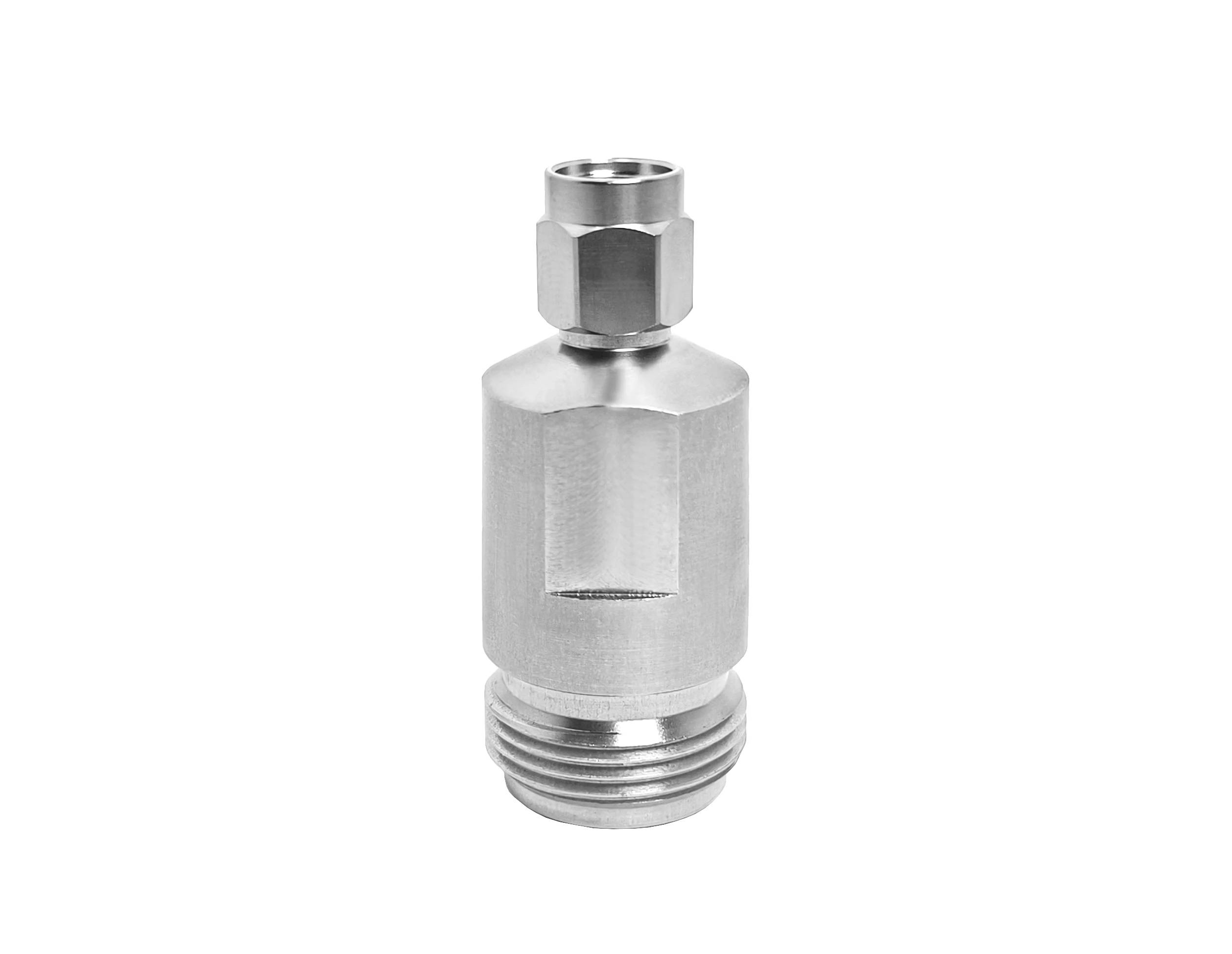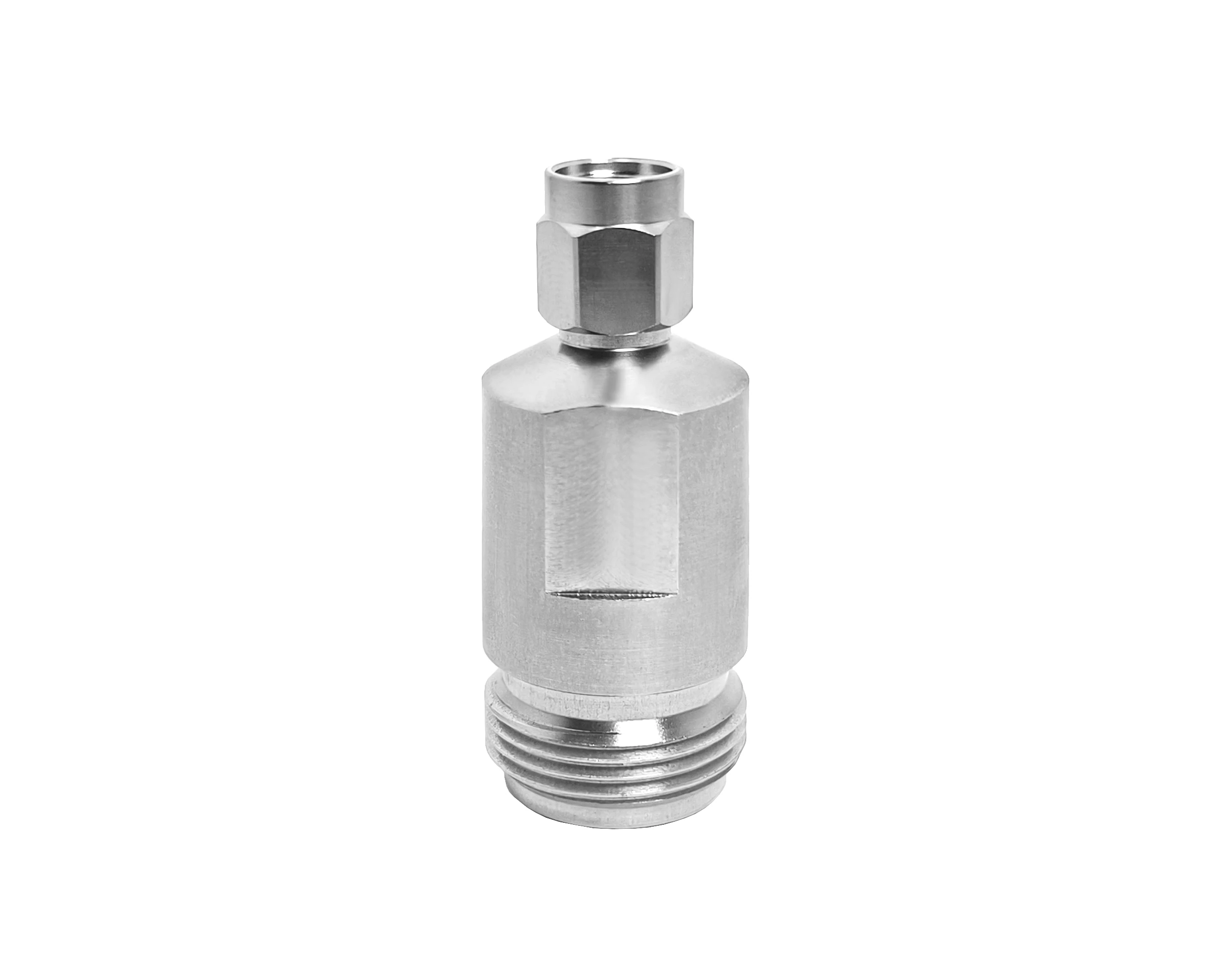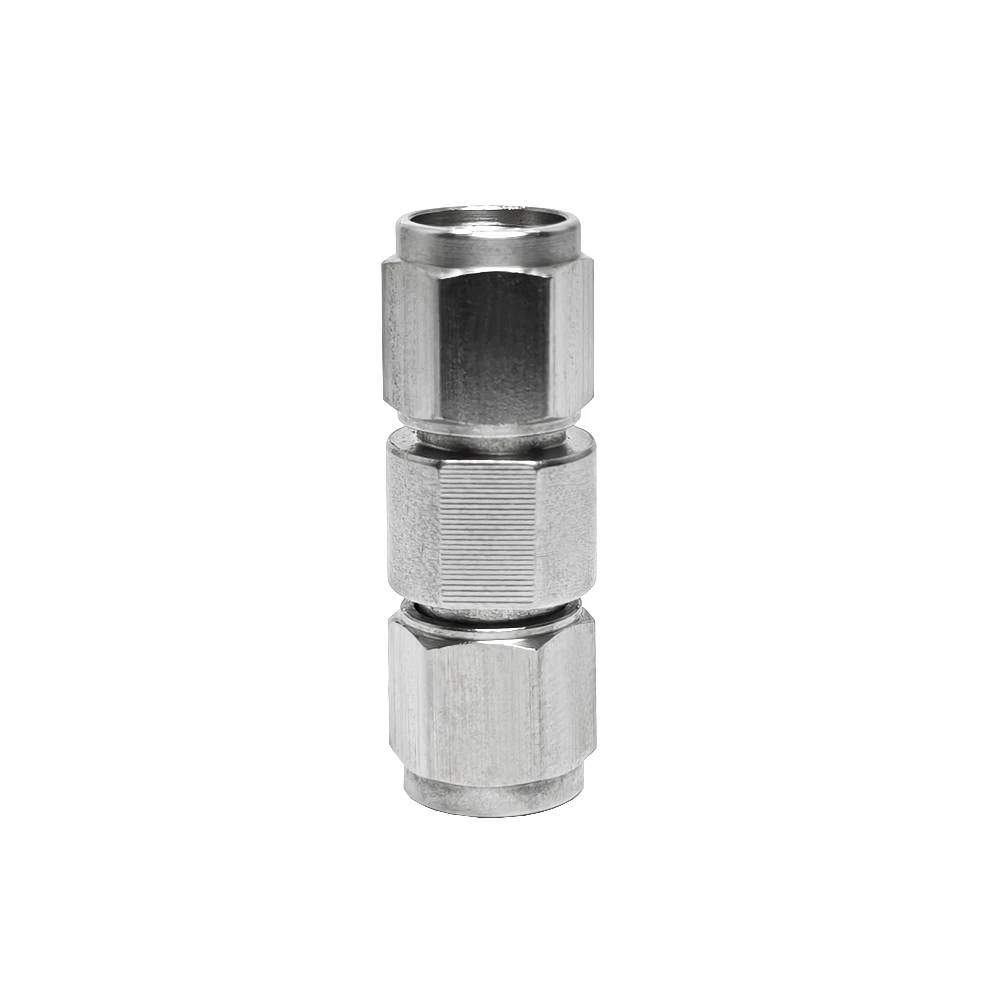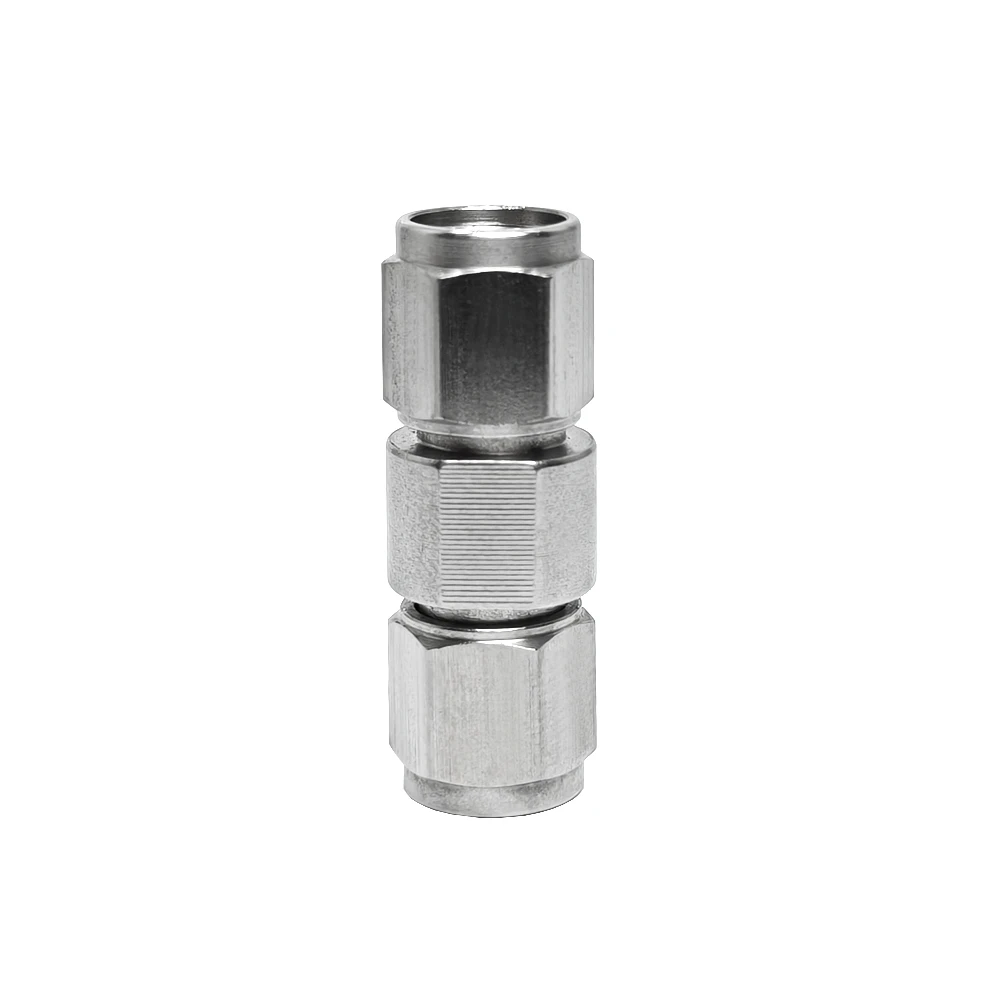

In the realm of advanced connectivity solutions, the high frequency 2.92mm male connector stands out as a critical component for ensuring reliable signal transmission in demanding environments. Designed to handle high frequency operations up to 40 GHz, this connector leverages precision engineering to minimize signal loss and maximize performance. Whether you're integrating it into millimeter wave systems or RF applications, its robust construction makes it an indispensable tool for engineers seeking superior data integrity.
The high frequency capabilities of the 2.92mm male connector are enhanced by its copper contact, which provides excellent conductivity and low insertion loss. This copper contact is plated for optimal resistance to oxidation, ensuring consistent performance over extended periods. Paired with a stainless steel housing, the connector offers unparalleled durability against environmental stressors like temperature fluctuations and mechanical wear. This combination of materials not only supports high frequency signals but also extends the lifespan of your RF setups, making it ideal for telecommunications, aerospace, and test equipment.
When precision matters, the millimeter wave adapter integrated with the 2.92mm male connector provides seamless compatibility across various interfaces. Millimeter wave technology demands components that can operate at frequencies exceeding 30 GHz, and this connector excels in such scenarios by maintaining impedance control and reducing reflections. The stainless steel housing encases the internal elements, shielding them from electromagnetic interference while the copper contact ensures a secure, low-resistance connection. For professionals working with high frequency RF connectors, this adapter simplifies transitions between different connector types without compromising signal quality.
Exploring further, the 2.4mm male connector variant complements the lineup, offering similar high frequency performance tailored for even more compact applications. With a frequency range up to 50 GHz, the 2.4mm male connector is perfect for high-speed data links in 5G infrastructure and radar systems. Its copper contact delivers precise mating, while the stainless steel housing provides the mechanical strength needed for repeated connections. Unlike standard RF connectors, this design incorporates advanced threading for quick assembly, reducing downtime in field deployments.
High frequency applications often require versatility, and the adapter functionality built into these connectors allows for easy integration with existing millimeter wave setups. The RF connectors' design emphasizes low VSWR (Voltage Standing Wave Ratio), ensuring that signals propagate with minimal distortion even at peak frequencies. The copper contact's surface finish is optimized to prevent arcing, a common issue in high frequency environments, while the stainless steel housing adds a layer of protection against corrosion in harsh conditions like marine or outdoor installations.
Delving into the specifics of the stainless steel housing, its corrosion-resistant properties make it suitable for long-term use in industrial settings where exposure to moisture or chemicals is inevitable. This housing not only safeguards the copper contact but also maintains the structural integrity of the entire high frequency connector assembly. When paired with a millimeter wave adapter, the setup becomes a go-to solution for prototyping and production in wireless communication devices. Engineers appreciate how the 2.92mm male connector's dimensions allow for dense packing in multi-port configurations without sacrificing performance.
The 2.4mm male connector, with its finer pitch, addresses the needs of ultra-high frequency applications, such as those in satellite communications. Its copper contact ensures gold-plated reliability for hundreds of mating cycles, minimizing wear and tear. In contrast to bulkier RF connectors, this model's compact form factor facilitates easier routing of cables in space-constrained environments. The integration of high frequency elements like the stainless steel housing prevents thermal expansion issues, keeping connections stable during operation.
For those upgrading legacy systems, the high frequency adapter serves as a bridge, converting signals between 2.92mm male and 2.4mm male connector standards. This adaptability is crucial in millimeter wave research, where evolving standards demand flexible hardware. The copper contact in these adapters maintains low contact resistance, vital for preserving signal amplitude in high frequency transmissions. Moreover, the stainless steel housing's precision machining ensures airtight seals, preventing ingress of contaminants that could degrade performance over time.
In practical terms, deploying RF connectors with these specifications enhances the overall efficiency of high frequency networks. Consider a scenario in automotive radar systems, where millimeter wave signals must travel flawlessly for accurate detection. The 2.92mm male connector, supported by its robust copper contact and stainless steel housing, delivers the bandwidth and reliability needed for real-time processing. Similarly, in medical imaging devices, the 2.4mm male connector's high frequency handling ensures clear, undistorted data feeds, contributing to precise diagnostics.
Beyond technical merits, these connectors embody innovation in connectivity. The adapter's design allows for modular expansions, enabling users to scale their high frequency setups as needs evolve. With a focus on quality materials like copper contact and stainless steel housing, they outperform generic RF connectors in longevity and efficiency. As industries push the boundaries of millimeter wave technology, components like the 2.92mm male connector and 2.4mm male connector will remain at the forefront, driving advancements in speed and reliability.
Ultimately, investing in high frequency solutions such as these RF connectors means future-proofing your projects against the demands of next-generation applications. Their seamless integration via adapters, combined with durable construction, positions them as essential assets for any tech-savvy professional navigating the complexities of modern signal transmission.
Loading...