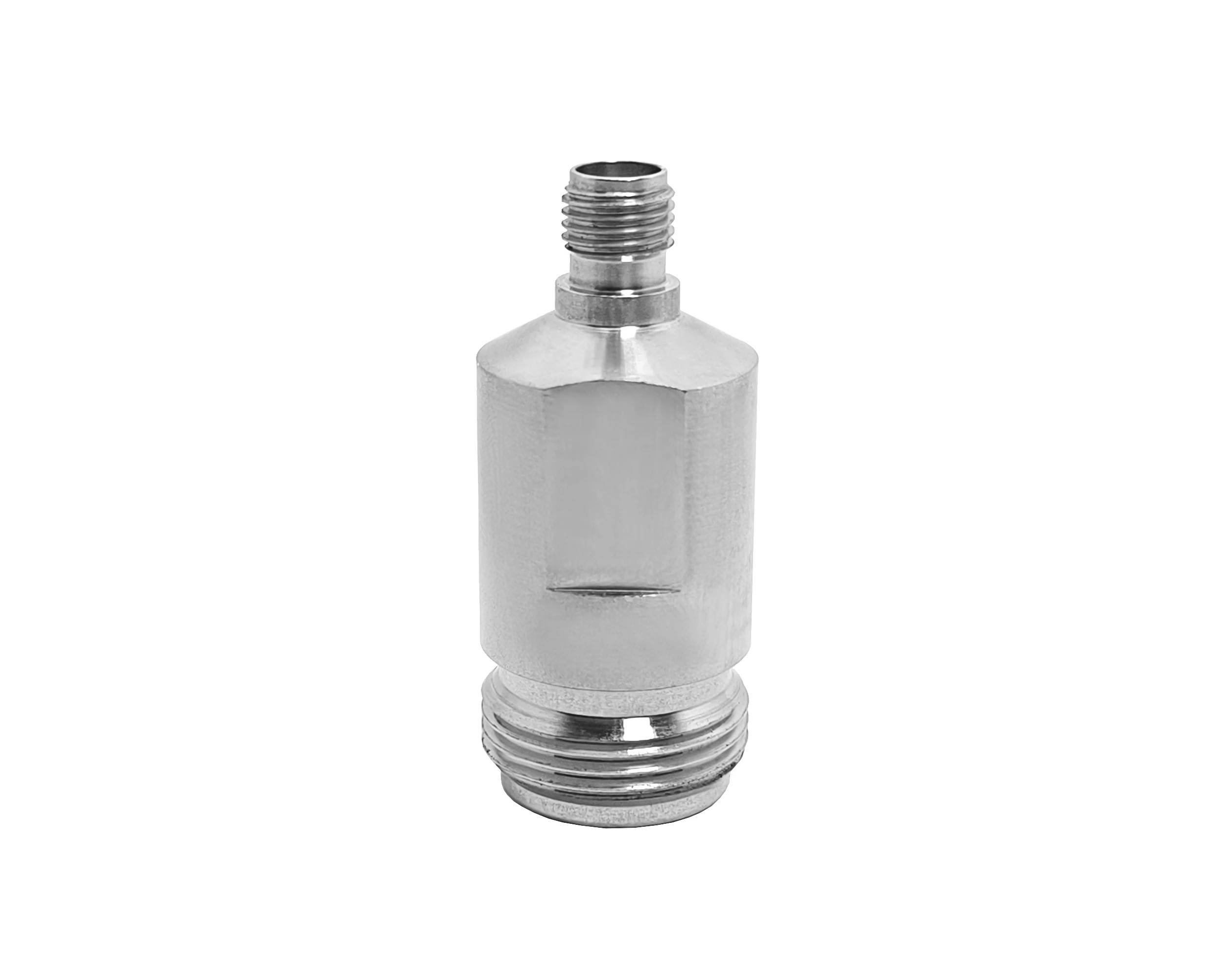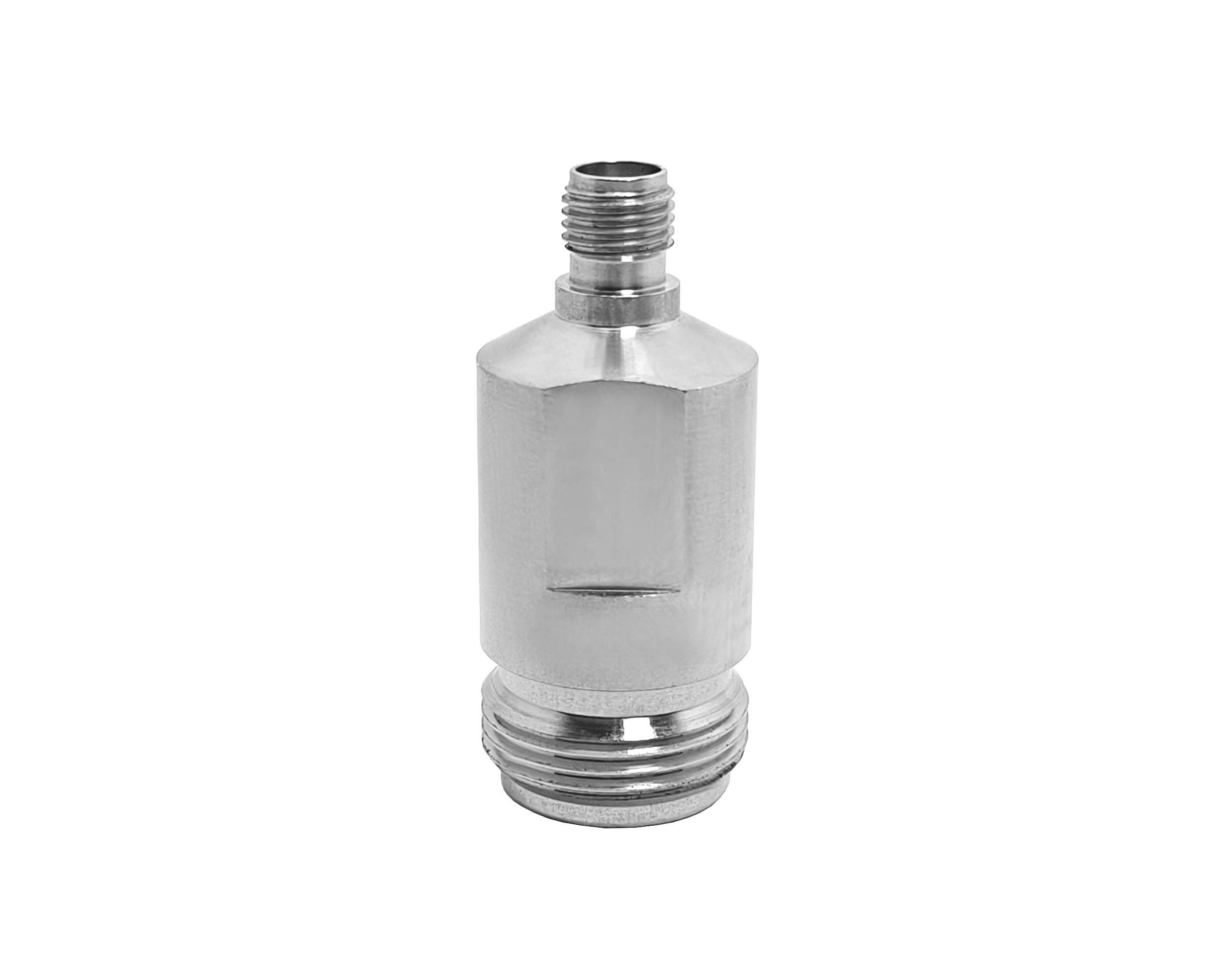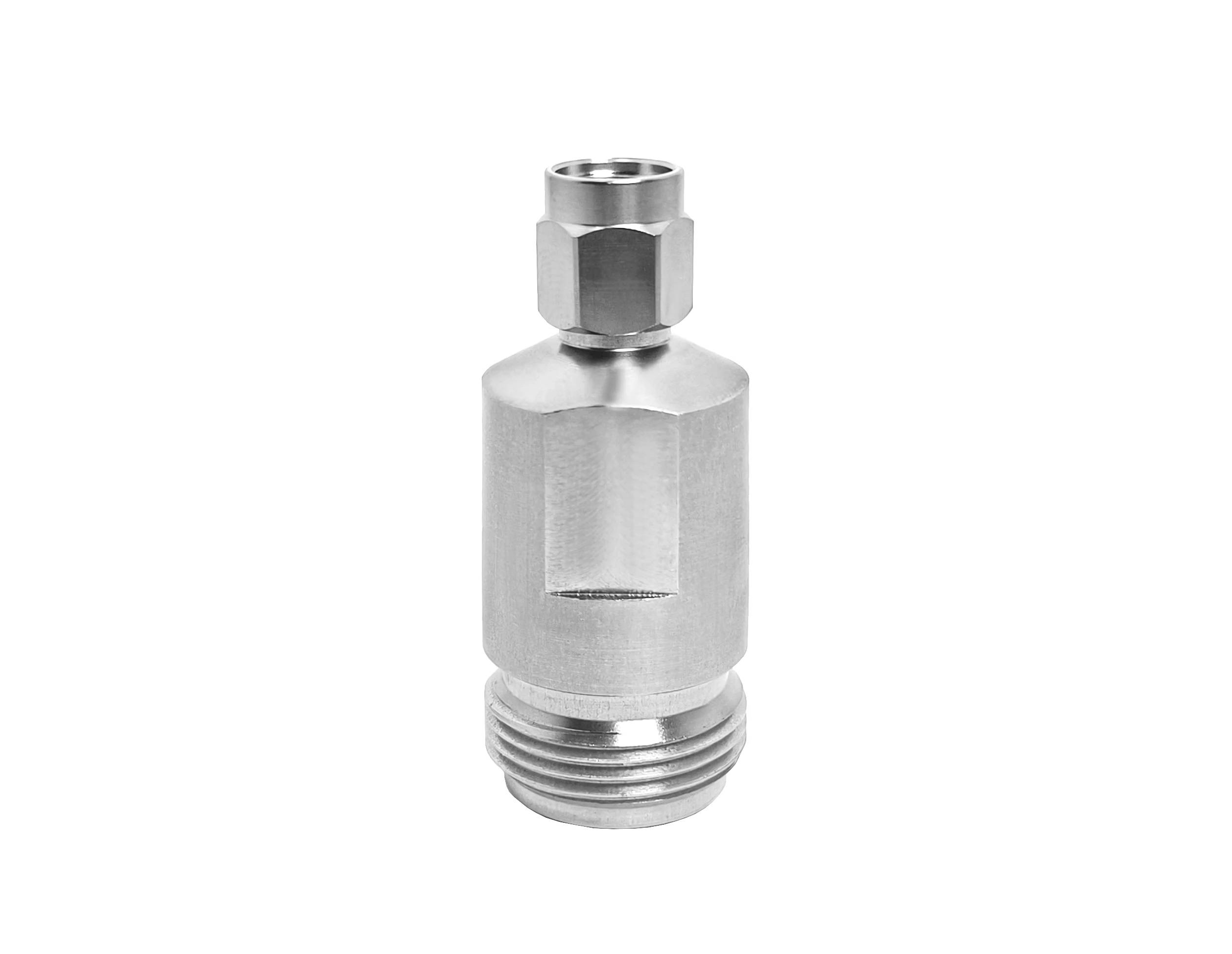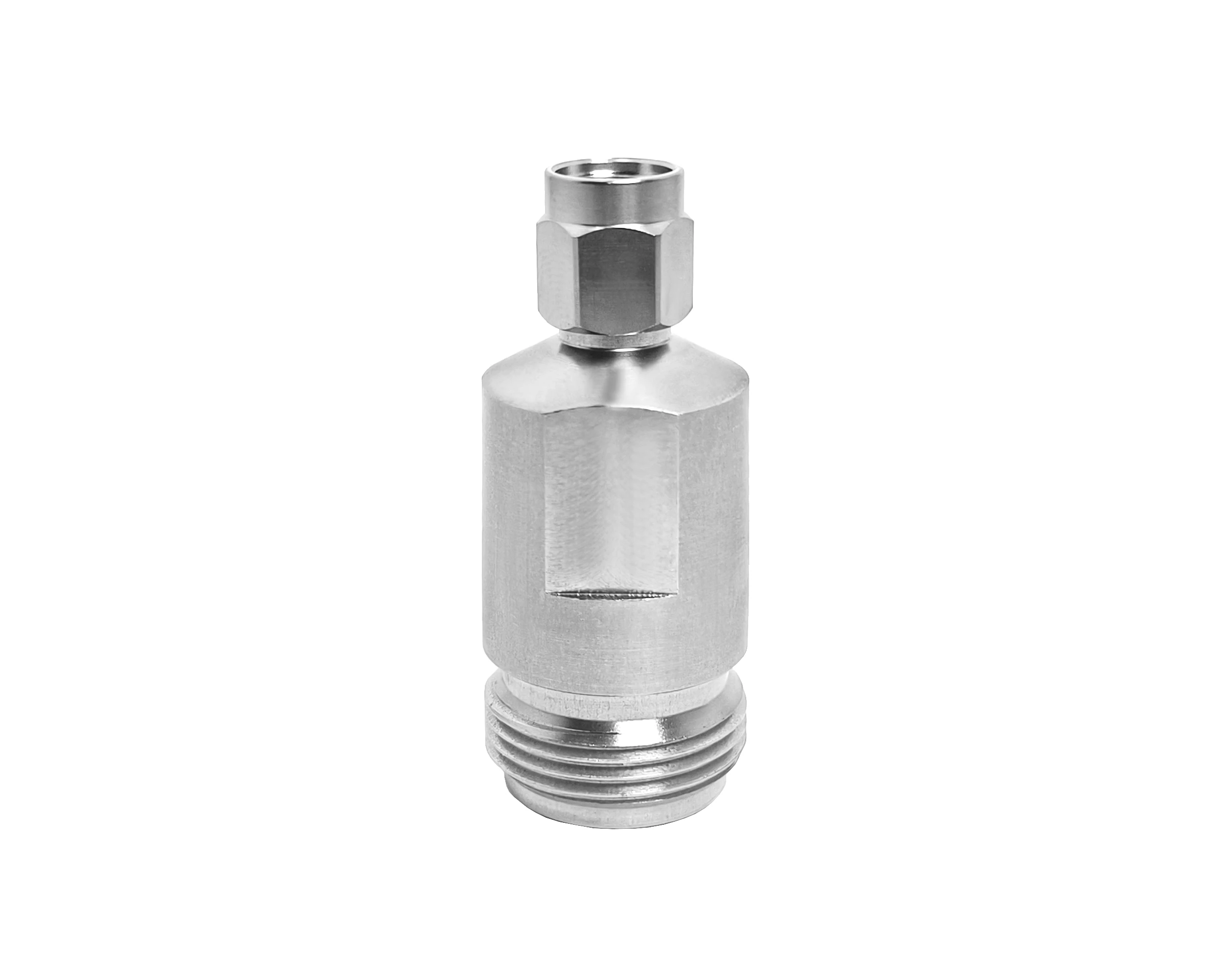

In the fast-paced world of modern electronics, the High Frequency Connector stands out as a pivotal component for ensuring seamless and reliable signal transmission. This innovative connector is engineered to handle the demands of high-speed data transfer and advanced communication systems, making it an essential tool for professionals in telecommunications, aerospace, and research laboratories. With its ability to maintain signal integrity at elevated frequencies, the High Frequency Connector addresses the challenges of interference and loss, providing users with consistent performance in critical applications.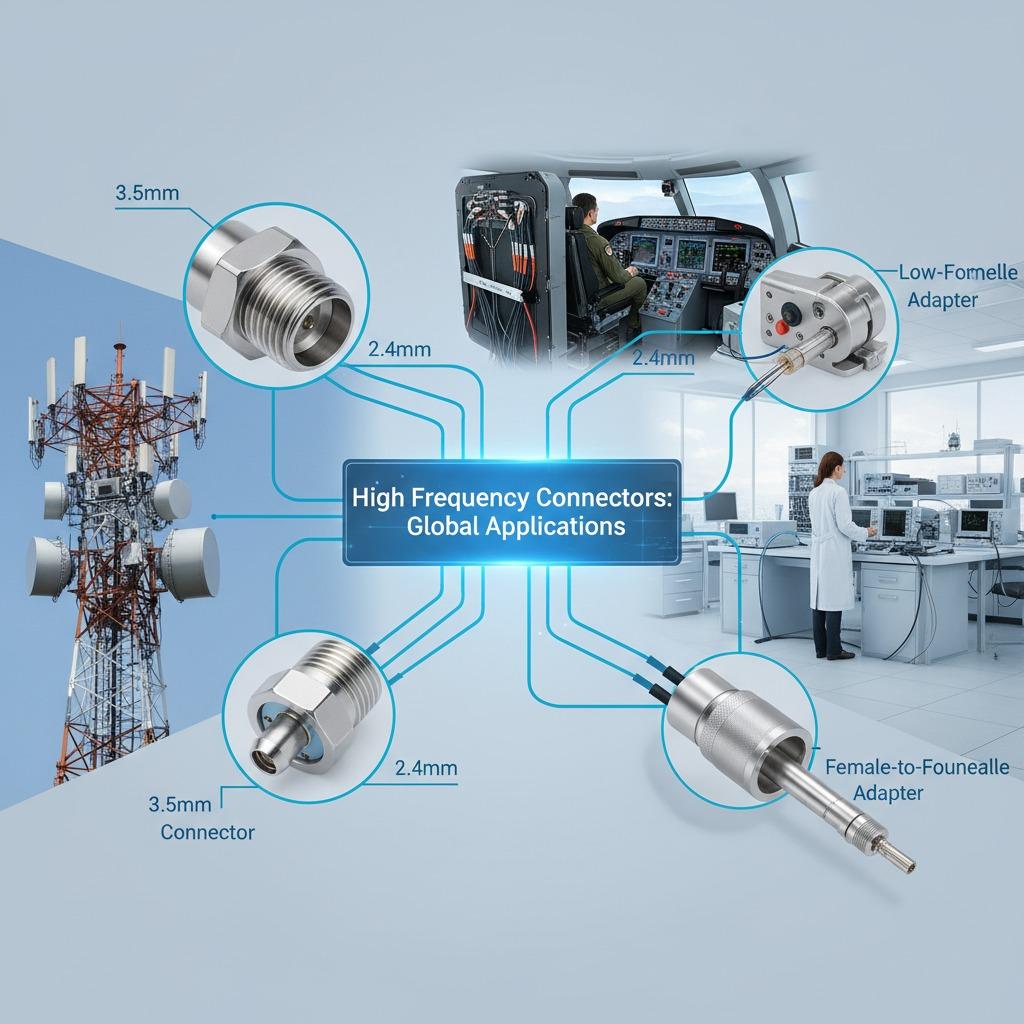
One of the key advantages of the High Frequency Connector is its compatibility with various interfaces, including the Low Loss Connector design that minimizes attenuation and maximizes efficiency. Traditional connectors often suffer from signal degradation over distance or at higher speeds, but this High Frequency Connector incorporates advanced materials and precision machining to reduce losses significantly. Whether you're connecting test equipment or integrating into a larger network, the Low Loss Connector aspect ensures that your setup operates at peak efficiency, reducing downtime and enhancing overall system reliability.
Delving deeper into specific configurations, the 2.4mm Connector variant offers unparalleled precision for millimeter-wave applications. Measuring just 2.4mm in diameter, this connector is ideal for environments where space is at a premium, such as in compact radar systems or high-frequency antennas. The 2.4mm Connector supports frequencies up to 50GHz, making it a favorite among engineers working on 5G infrastructure and satellite communications. Its robust construction withstands environmental stresses, ensuring longevity and consistent performance even in harsh conditions.
Complementing the 2.4mm Connector is the 3.5mm Connector, which provides a slightly larger interface for applications requiring a balance between size and power handling. The 3.5mm Connector excels in broadband operations, supporting a wide range of frequencies from DC to 34GHz. This makes it versatile for use in microwave test setups and wireless devices, where adaptability is key. By incorporating the 3.5mm Connector into your designs, you gain the flexibility to scale your projects without compromising on quality or speed.
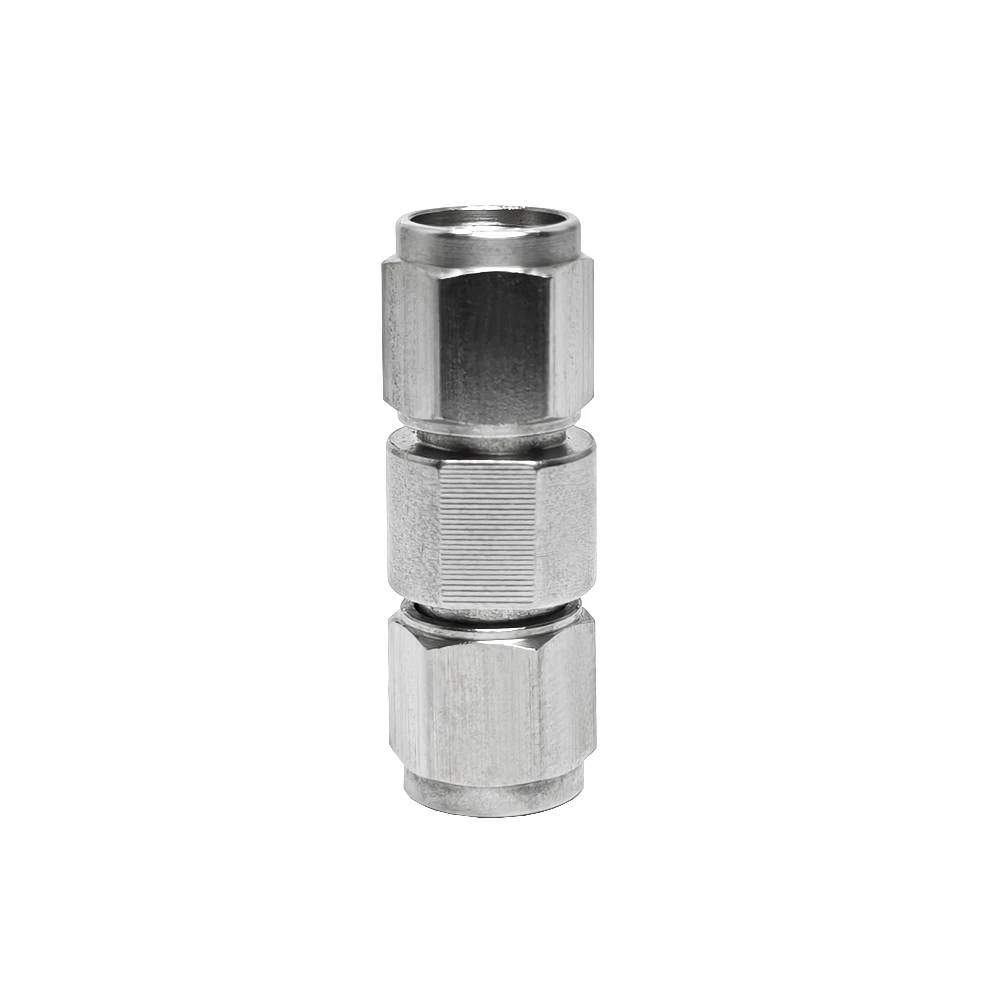
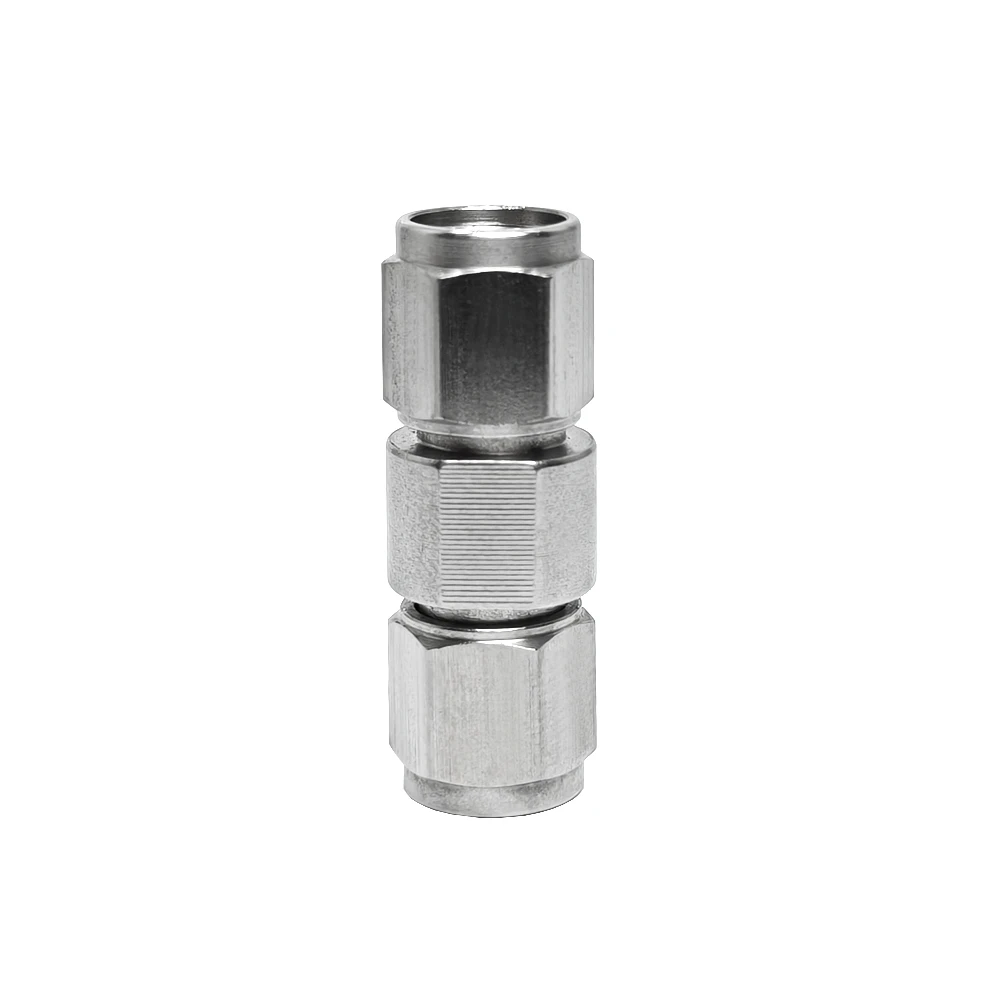
For those seeking straightforward connectivity solutions, the Female to Female Connector configuration simplifies integration by allowing direct mating between two female-ended cables or devices. This Female to Female Connector eliminates the need for additional adapters in many scenarios, streamlining workflows and reducing potential points of failure. Commonly used in RF testing and measurement equipment, it ensures a secure, low-reflection connection that preserves signal quality. The design's simplicity belies its effectiveness, making the Female to Female Connector a staple in professional toolkits.
Durability is paramount in high-stakes environments, which is why the Stainless Steel Connector option is highly recommended. Crafted from high-grade stainless steel, this connector resists corrosion, vibration, and extreme temperatures, extending its service life in industrial or outdoor settings. The Stainless Steel Connector maintains its electrical properties over time, crucial for applications like military communications or oil and gas exploration. Its polished finish not only enhances aesthetics but also reduces wear on mating surfaces, ensuring repeated connections remain reliable.
Pushing the boundaries of data throughput, the 40G Connector is tailored for ultra-high-speed networks, supporting data rates up to 40 gigabits per second. In an era where bandwidth demands are skyrocketing, the 40G Connector facilitates the transition to next-generation Ethernet and fiber optic systems. It features low insertion loss and high return loss specifications, which are vital for maintaining data integrity in data centers and high-performance computing environments. Integrating a 40G Connector into your infrastructure means future-proofing your operations against evolving technological needs.
Specialized applications often require connectors optimized for particular tools, and the Test Equipment Connector fills this niche perfectly. Designed for use with oscilloscopes, spectrum analyzers, and network testers, the Test Equipment Connector ensures accurate measurements without introducing artifacts or noise. Its precision tolerances and calibration-friendly interfaces make it indispensable for R&D teams validating prototypes or troubleshooting complex systems. By choosing the Test Equipment Connector, you invest in the accuracy and repeatability that define professional-grade testing.
Beyond individual specifications, the High Frequency Connector's true value lies in its adaptability across diverse scenarios. For instance, combining a Low Loss Connector with a Stainless Steel Connector body creates a hybrid solution that's both efficient and rugged, ideal for field-deployable systems. Similarly, pairing a 2.4mm Connector with a Female to Female Connector setup allows for modular testing rigs that can be reconfigured quickly. This modularity empowers engineers to innovate without being constrained by rigid hardware limitations.
In telecommunications, the 3.5mm Connector and 40G Connector variants are revolutionizing base station designs, enabling faster deployment of 5G networks. These connectors handle the immense data loads of modern mobile traffic while withstanding the rigors of urban installations. In aerospace, the High Frequency Connector's Low Loss Connector features ensure that avionics systems communicate flawlessly, even at altitudes where signal challenges are amplified. The Stainless Steel Connector's resilience proves invaluable here, protecting against moisture and thermal cycling.
For laboratory environments, the Test Equipment Connector integrated with Female to Female Connector options simplifies calibration procedures and enhances measurement precision. Researchers can focus on discovery rather than wrestling with connectivity issues, thanks to the High Frequency Connector's reliable performance. In consumer electronics development, the 2.4mm Connector's compact size fits neatly into wearable devices and IoT gadgets, supporting the high-frequency signals needed for Bluetooth and Wi-Fi advancements.
As industries continue to evolve, the demand for versatile, high-performance connectors grows. The High Frequency Connector, with its array of related configurations like the 40G Connector and 3.5mm Connector, positions itself as a leader in this space. Its commitment to quality, from low-loss designs to durable stainless steel construction, ensures it meets the stringent requirements of tomorrow's technologies. Whether upgrading existing systems or embarking on new projects, incorporating these connectors guarantees a foundation of excellence.
Ultimately, selecting the right High Frequency Connector means choosing reliability, efficiency, and innovation. From the precision of the Test Equipment Connector to the robustness of the Stainless Steel Connector, each variant addresses specific needs while upholding the highest standards. Professionals across sectors are already experiencing the benefits, from reduced signal errors to extended equipment lifespan. Embrace the future of connectivity with these advanced solutions, and elevate your operations to new heights.
Description