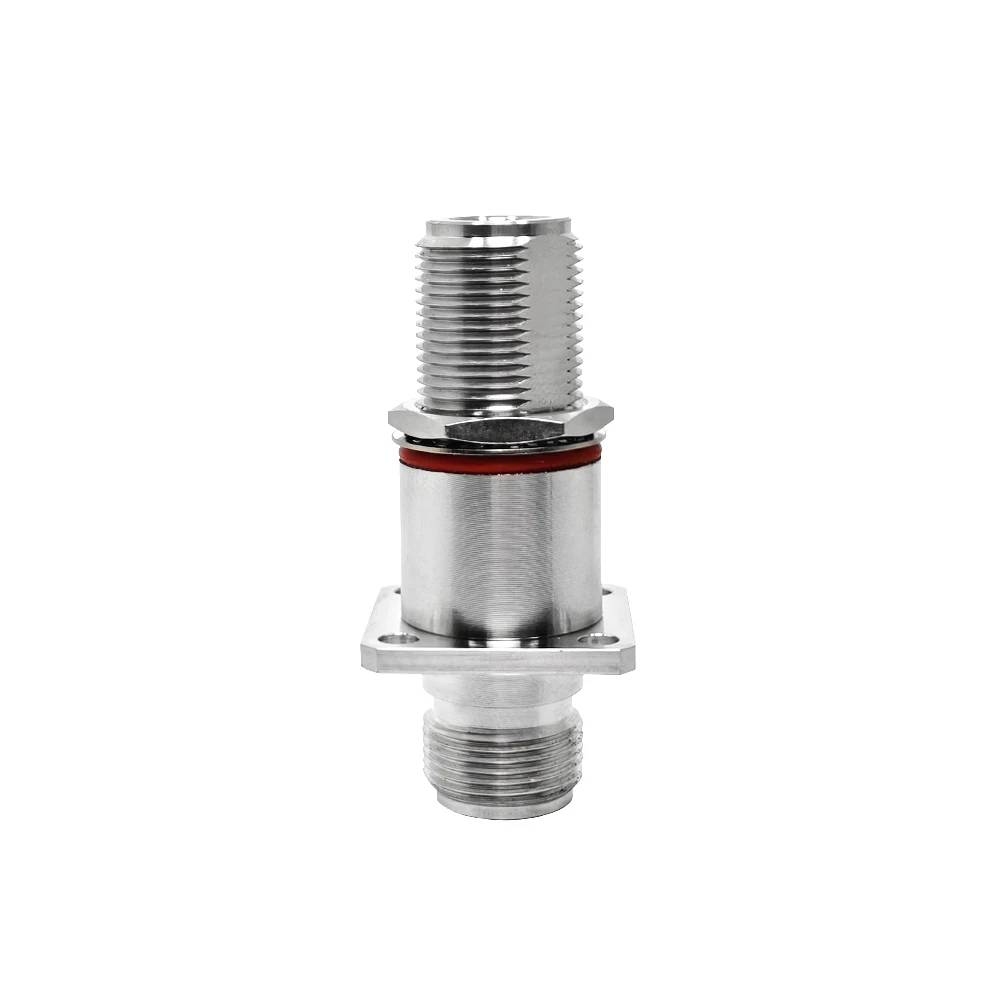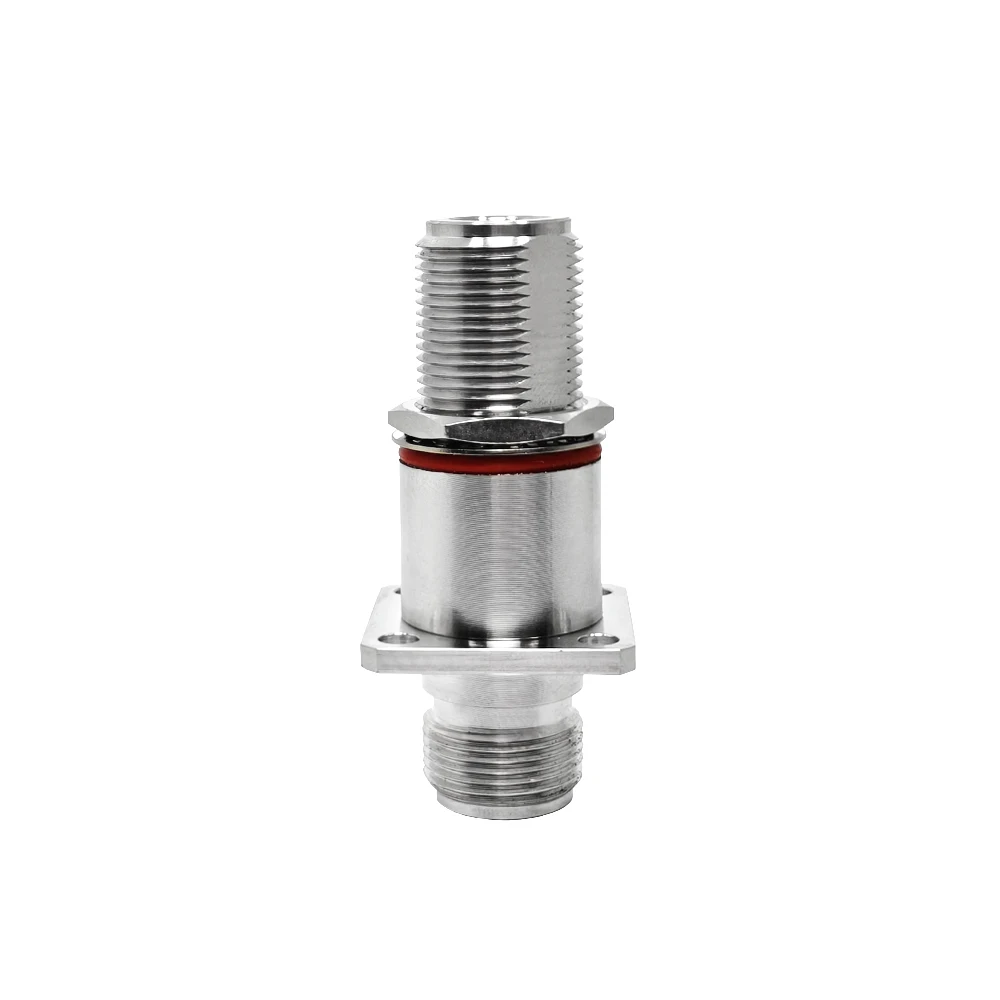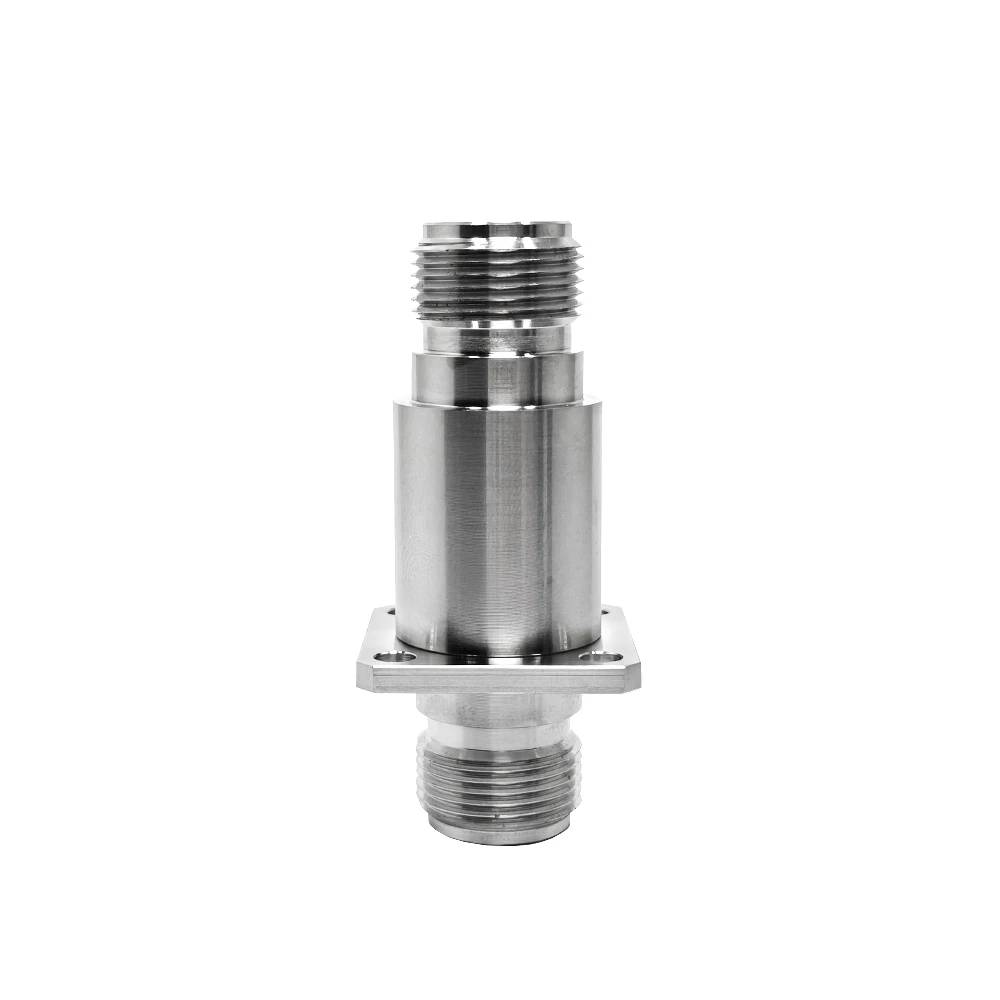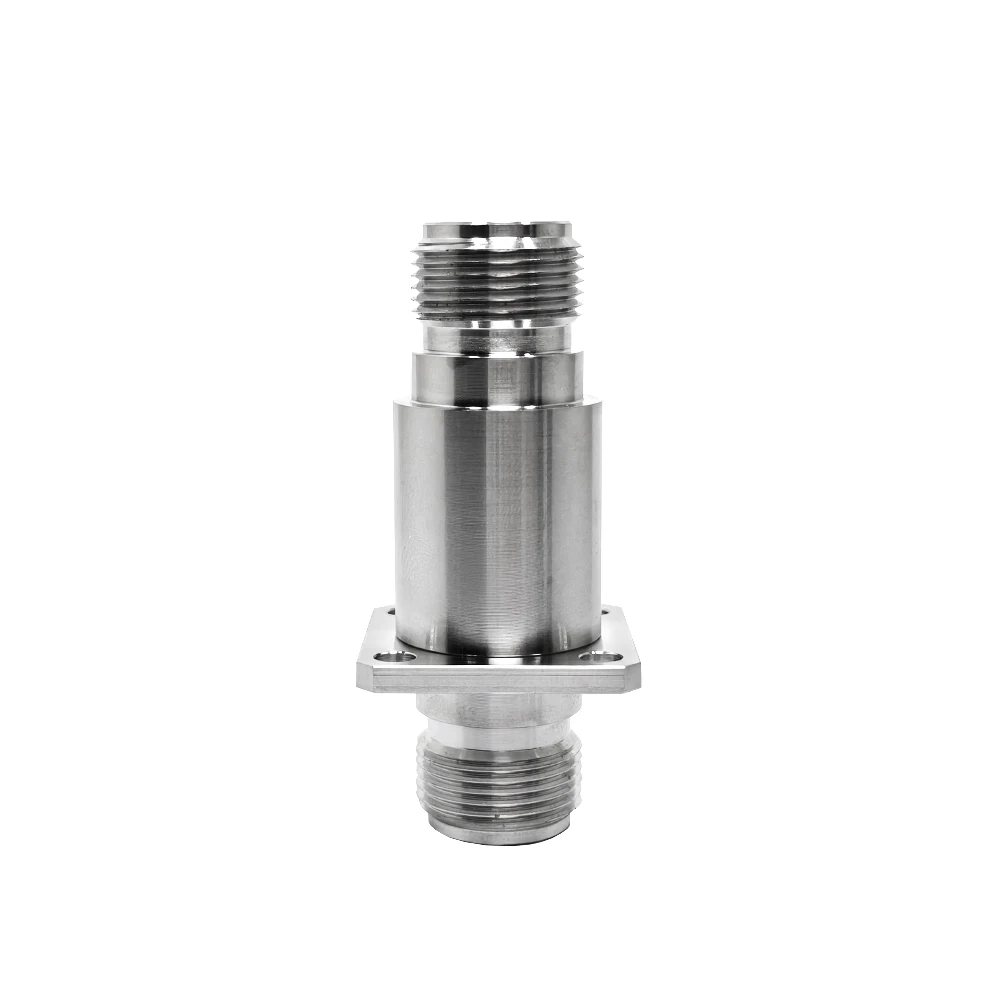

In the world of reliable signal transmission, the RF coaxial connector stands out as an essential component for ensuring stable and high-frequency connections in various electronic systems. Whether you're setting up telecommunications networks or integrating components in broadcasting equipment, selecting the right RF coaxial solution is crucial for minimizing signal loss and maximizing performance. This article delves into the intricacies of RF coaxial technology, highlighting its applications and the innovative products that enhance connectivity.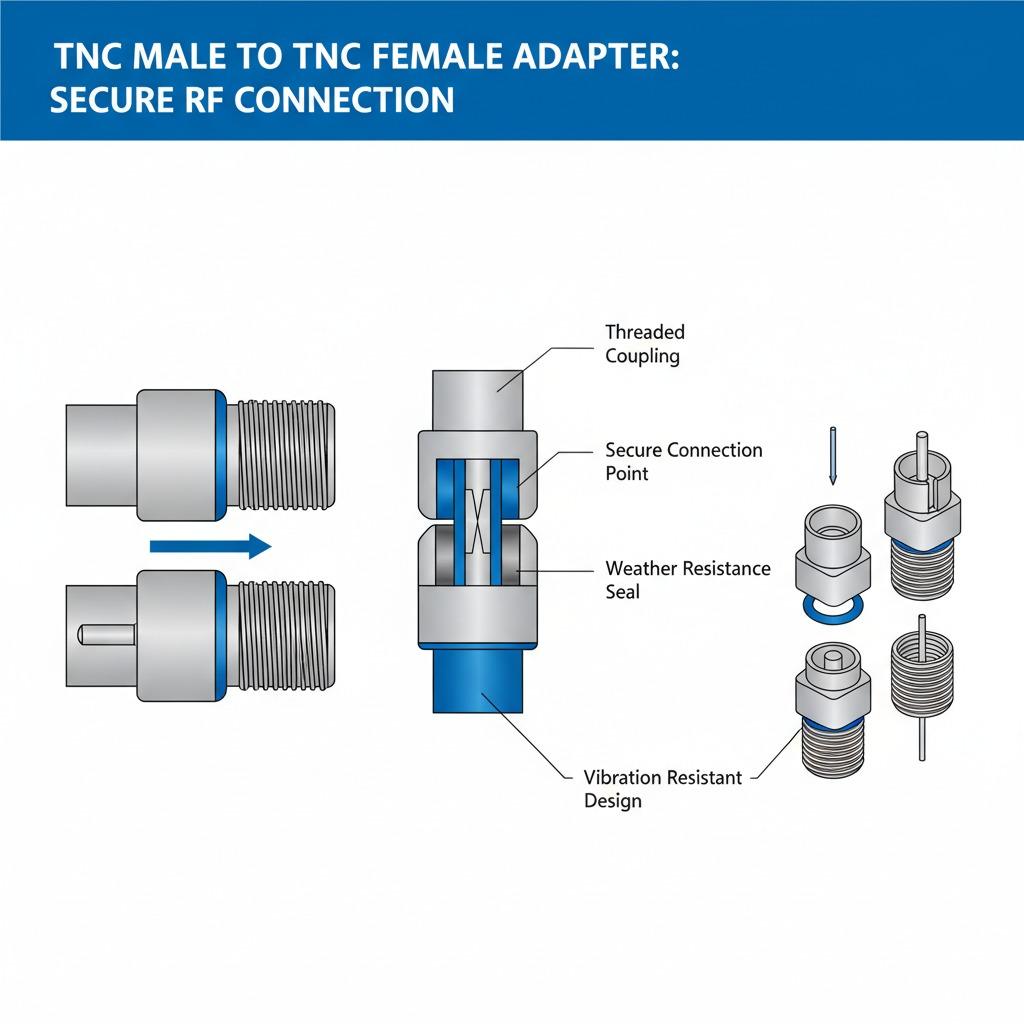
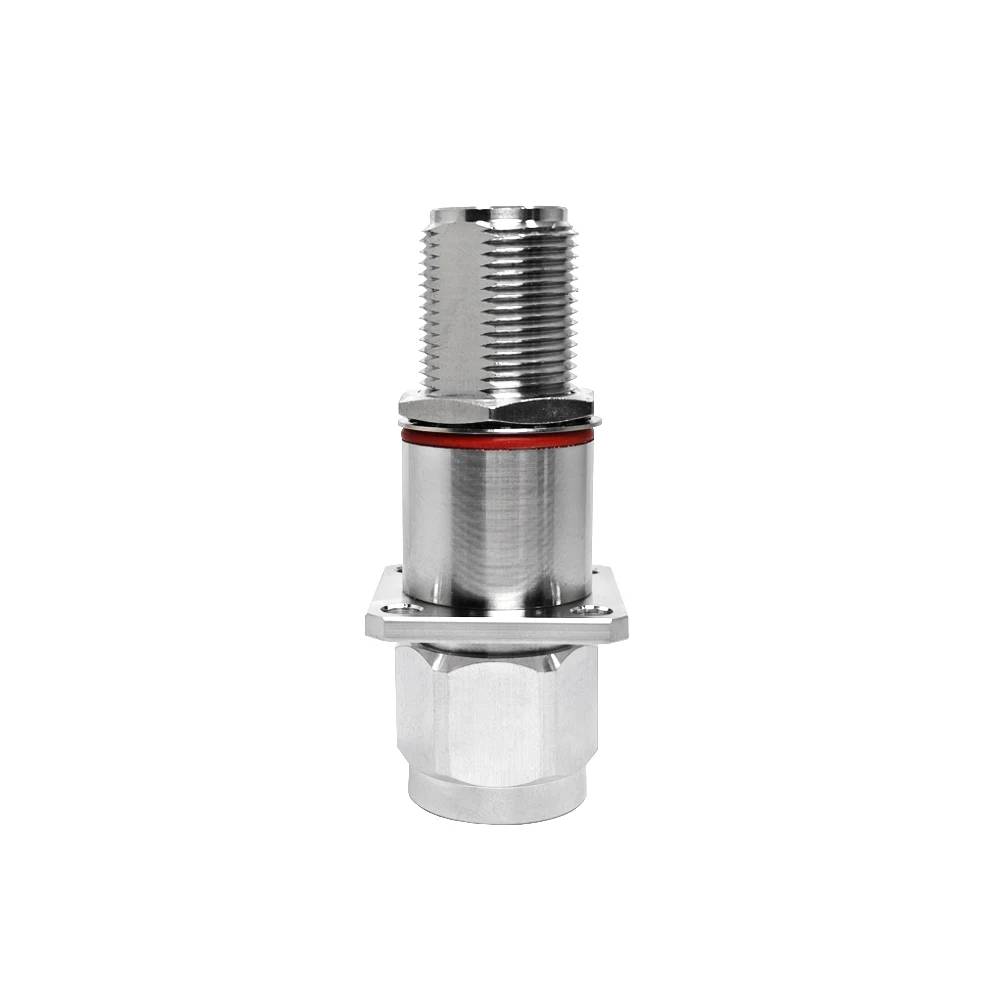
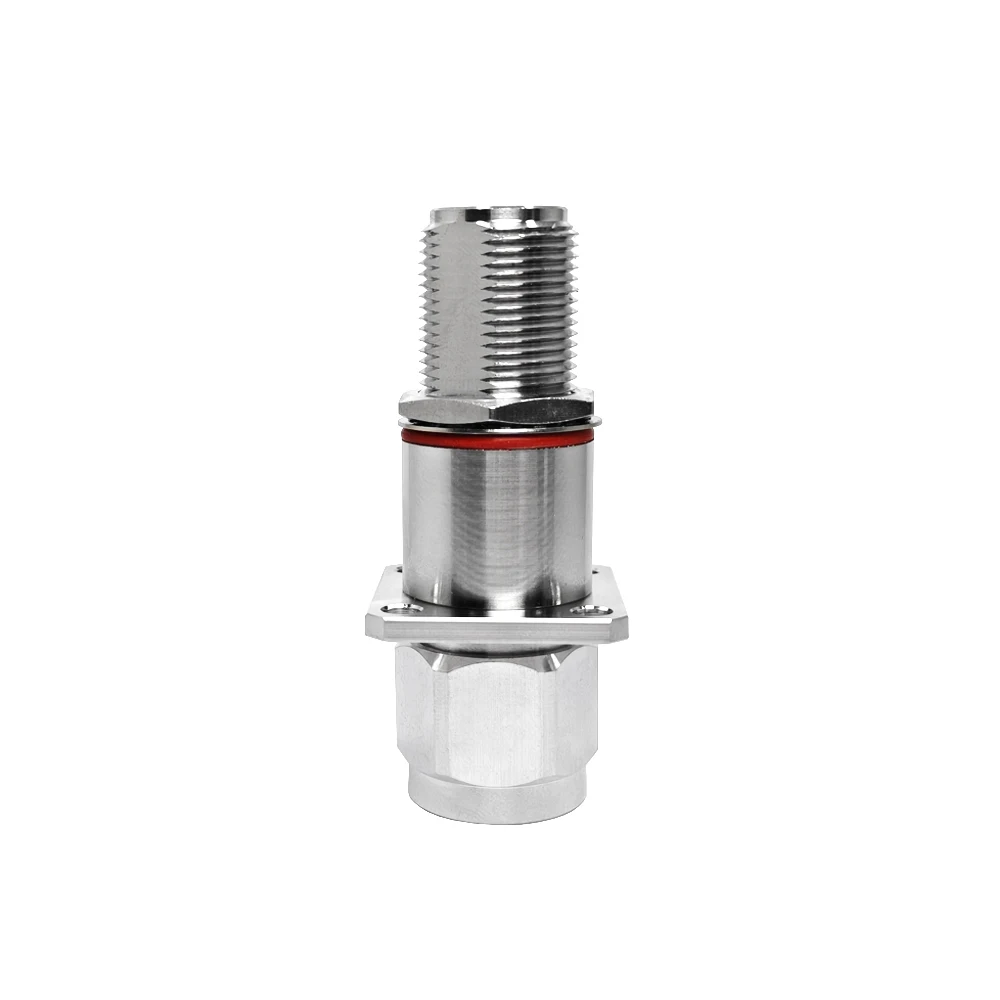
One of the most versatile options within the RF coaxial family is the TNC male to TNC female adapter, which provides a secure and weather-resistant connection ideal for outdoor installations. TNC connectors, known for their threaded coupling mechanism, offer superior vibration resistance compared to bayonet-style alternatives, making them a preferred choice in rugged environments. These coaxial connectors are engineered to handle frequencies up to 11 GHz, ensuring they meet the demands of modern RF applications without compromising on signal integrity.
For added protection against environmental hazards, incorporating a lightning surge arrester into your RF coaxial setup is indispensable. These devices act as a surge protector, diverting high-voltage transients caused by lightning strikes away from sensitive equipment. In scenarios where coaxial cables run exposed to the elements, such as in antenna systems or satellite communications, a well-placed lightning protection unit can prevent costly damages and downtime. Our range of 0-3G RF connectors includes models specifically designed for broadband operations, supporting frequencies from DC to 3 GHz, which covers a wide array of professional and amateur radio uses.
Exploring the specifics of TNC connectors further, their robust construction typically features a 50-ohm impedance, which is standard for most RF coaxial applications, ensuring low insertion loss and high return loss for optimal power transfer. The TNC male to TNC female configuration allows for gender-changing without signal degradation, facilitating easy integration into existing setups. When paired with a lightning surge arrester, these connectors form a comprehensive defense against electrical surges, safeguarding everything from Wi-Fi routers to military-grade radios.
Surge protectors tailored for RF coaxial lines go beyond basic overvoltage protection; they incorporate gas discharge tubes or quarter-wave stubs to shunt unwanted energy to ground efficiently. This is particularly vital in regions prone to thunderstorms, where a single strike can propagate through coaxial connectors and fry connected devices. By installing a dedicated surge protector inline with your TNC connectors, you create a layered approach to lightning protection that maintains the integrity of your 0-3G RF connectors across the entire frequency spectrum.
The evolution of RF coaxial technology has seen advancements in materials, with many modern coaxial connectors now featuring gold-plated contacts for enhanced conductivity and corrosion resistance. This is especially beneficial for TNC male to TNC female adapters used in long-term outdoor deployments, where exposure to moisture and salt can degrade performance over time. Integrating a lightning surge arrester not only protects against direct strikes but also mitigates induced surges from nearby lightning activity, extending the lifespan of your RF coaxial infrastructure.
In professional settings, such as broadcast television or cellular base stations, the reliability of 0-3G RF connectors cannot be overstated. These components support the high data rates required for 5G precursors and beyond, with TNC connectors providing the mechanical stability needed for frequent reconnections. A surge protector designed for coaxial lines ensures that transient protection doesn't interfere with the RF signal path, maintaining low VSWR (Voltage Standing Wave Ratio) values essential for efficient transmission.
Lightning protection strategies often involve grounding the outer shield of RF coaxial cables properly, and devices like inline lightning surge arresters facilitate this by offering DC pass-through for the inner conductor while blocking RF leakage. For users employing TNC connectors in marine or aerospace applications, the combination of durable coaxial connectors and robust surge protectors is non-negotiable. This setup not only complies with industry standards like MIL-STD but also provides peace of mind in mission-critical operations.
When selecting components for your RF coaxial system, consider the environmental factors and frequency requirements specific to your project. The TNC male to TNC female adapter excels in scenarios demanding quick assembly and disassembly, thanks to its bayonet-like thread that locks securely. Paired with a high-quality surge protector, it forms the backbone of a resilient network capable of withstanding the rigors of real-world use, from urban installations to remote field operations.
Furthermore, the versatility of 0-3G RF connectors extends to test and measurement equipment, where precise signal replication is key. Here, a lightning surge arrester serves as a failsafe, protecting expensive oscilloscopes and spectrum analyzers from unexpected power anomalies. TNC connectors, with their widespread availability and compatibility, make it straightforward to upgrade or expand systems without major overhauls.
In conclusion, investing in premium RF coaxial solutions, including TNC male to TNC female adapters, coaxial connectors, and dedicated lightning protection, equips your setup for long-term success. By prioritizing surge protectors and quality 0-3G RF connectors, you mitigate risks associated with electrical disturbances, ensuring uninterrupted performance across diverse applications. Whether for hobbyists or industry professionals, these components deliver the reliability needed in today's connected world.
Loading...